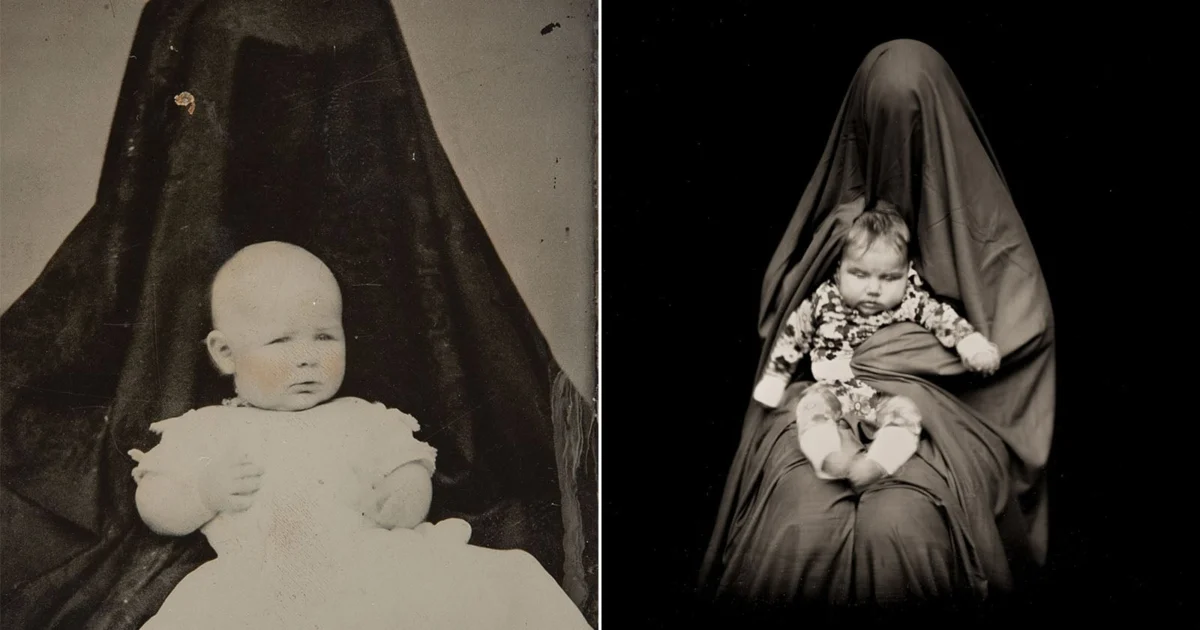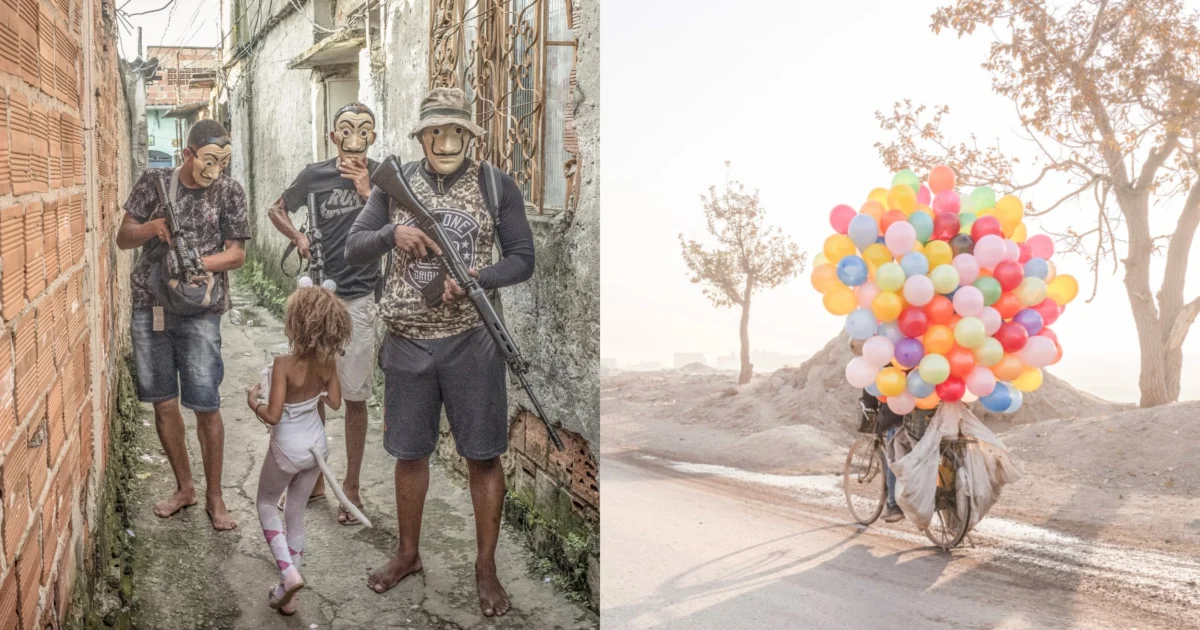
Photo Elysée in Lausanne, Switzerland, is currently hosting Inferno & Paradiso, an immersive slide-projection exhibition curated by the renowned socially active artist Alfredo Jaar. Running until November 1, 2026, the exhibition presents a profound exploration of the human condition, inviting viewers to confront the most distressing and most hopeful moments captured by 20 leading reportage photojournalists. This unique curatorial approach compels both the photographers and the audience to reflect on the dualities of human experience, from the depths of despair to the heights of resilience and joy, across various global crises and conflicts.
The Visionary Curator: Alfredo Jaar’s Approach
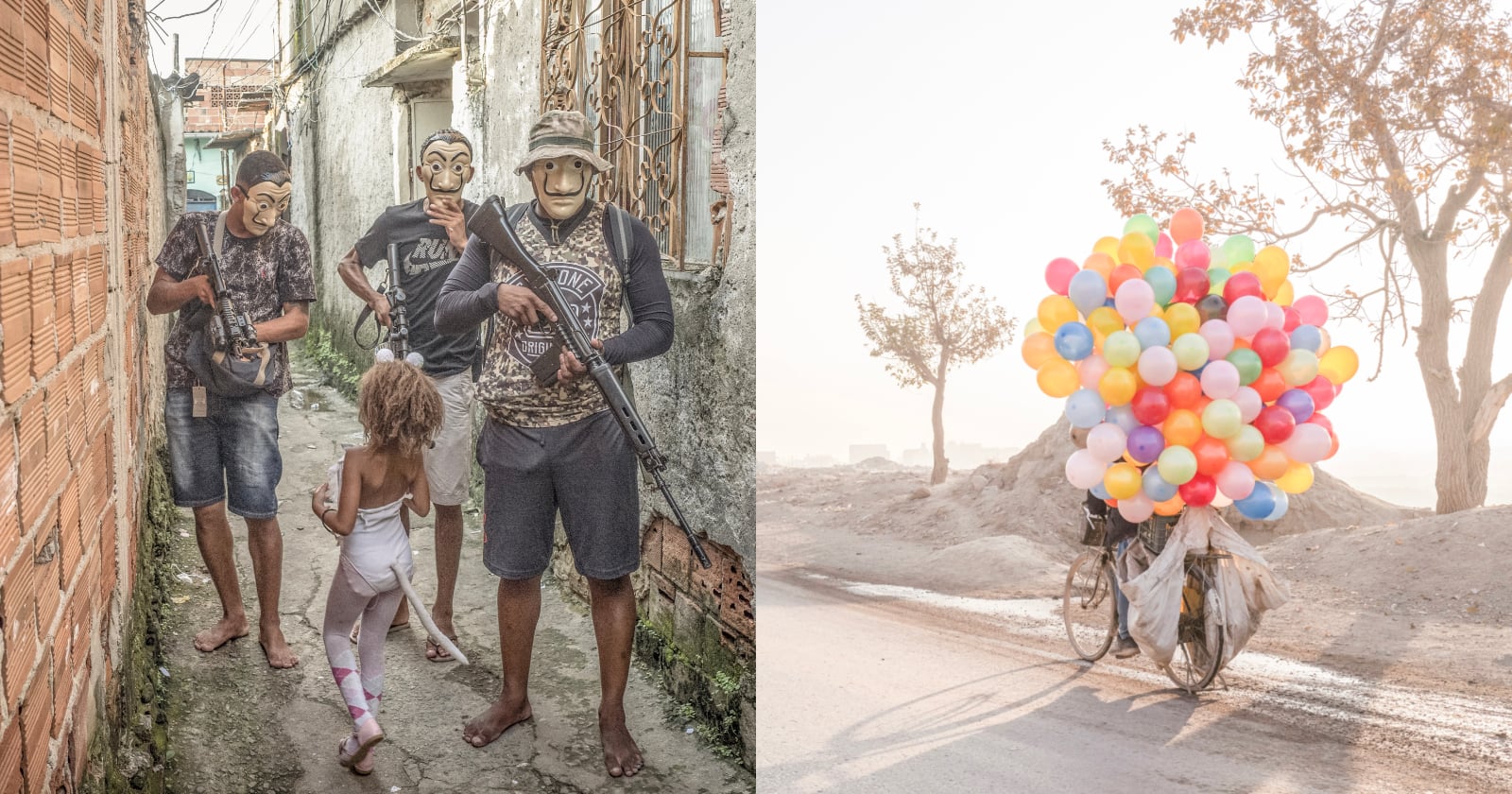
Alfredo Jaar, a Chilean-born artist, architect, and filmmaker, is widely recognized for his incisive and often politically charged works that address complex socio-political issues, humanitarian crises, and the ethics of representation. His oeuvre frequently challenges conventional modes of viewing and understanding, pushing audiences beyond passive observation into active engagement. For Inferno & Paradiso, Jaar meticulously selected 20 photojournalists known for their ability to navigate the complexities of modern human experiences. His directive to each photographer was simple yet profoundly challenging: select the most distressing image they had ever taken and, conversely, the one that offered them the greatest sense of joy and hope. This curatorial framework is not merely an exercise in contrast but a deliberate strategy to highlight the inseparable nature of suffering and hope in human narratives, particularly those unfolding in challenging global contexts.
Jaar’s previous works have often dealt with the limitations of images in conveying truth and the potential for manipulation, as seen in his seminal pieces addressing the Rwandan genocide. In Inferno & Paradiso, he extends this inquiry, questioning whether audiences have become desensitized to a constant deluge of imagery depicting global suffering. By presenting images in a structured, immersive environment, he aims to re-sensitize viewers, urging them to consider the individual stories behind the lens and the profound emotional weight carried by each photograph. The exhibition’s title itself, Inferno & Paradiso, evokes Dante Alighieri’s Divine Comedy, a timeless exploration of spiritual journeys through hell and heaven, suggesting a metaphorical pilgrimage for the viewer through the extremes of human emotion.
A Global Panorama of Human Experience
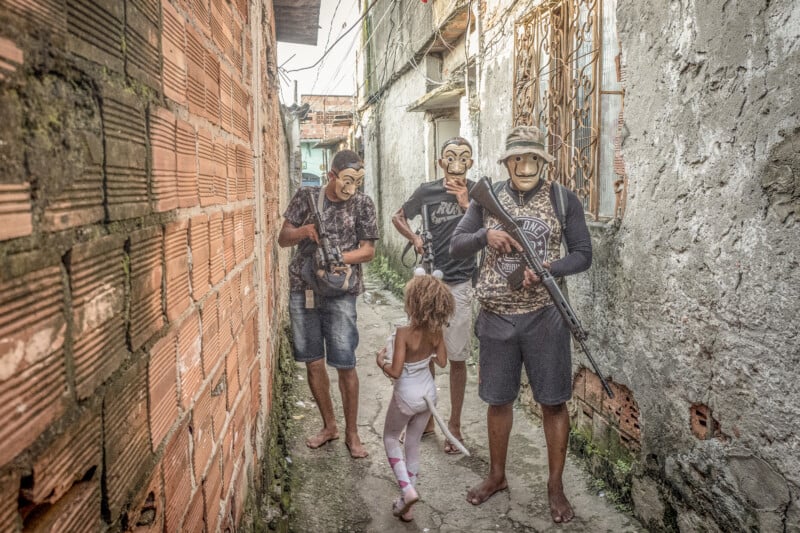
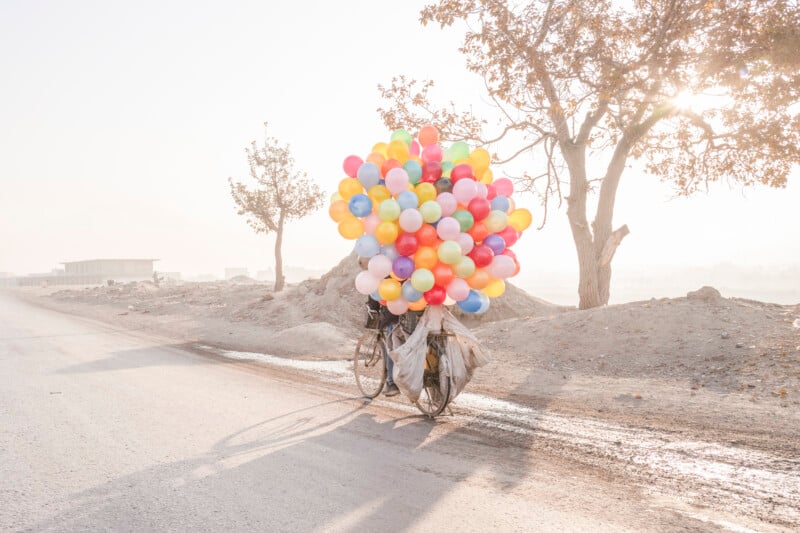
The exhibition features 40 photographs in total, with each of the 20 participating photojournalists contributing their chosen "inferno" and "paradiso" images. These selections span a wide geographical and thematic range, documenting crises and moments of triumph from various corners of the globe. Regions and conflicts highlighted include the devastating impacts of war in Ukraine, the intricate socio-political landscapes of Argentina, the ongoing humanitarian situation in Gaza, the urban realities of New York, the resource conflicts in the Congo, and the social issues within the Philippines.
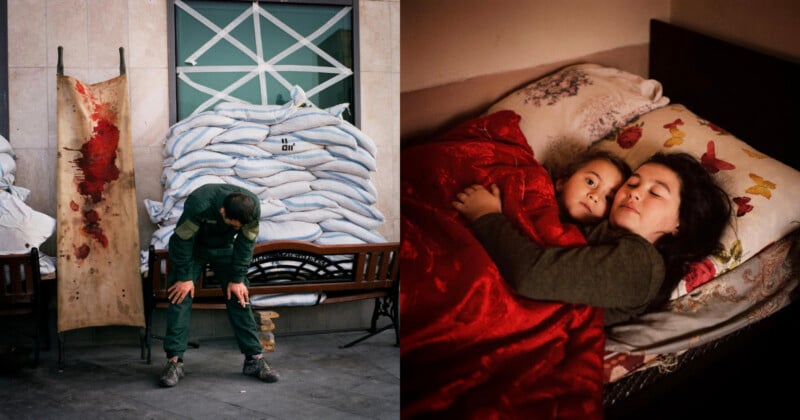
Photographers such as Anastasia Taylor-Lind, Véronique De Viguerie, Hannah Reyes Morales, Johanna-Maria Fritz, Bulent Kılıç, and Lindokuhle Sobekwa are among those whose powerful works are showcased. For instance, Anastasia Taylor-Lind’s contribution encapsulates the exhibition’s core theme, pairing an image of a person in uniform bending near a bloodstained stretcher and sandbags (her most painful image) with a serene photograph of a woman and child wrapped in a red blanket, looking towards the camera (her most hopeful image). This juxtaposition immediately confronts the viewer with the raw realities of conflict and the tender moments of human connection that endure amidst adversity.
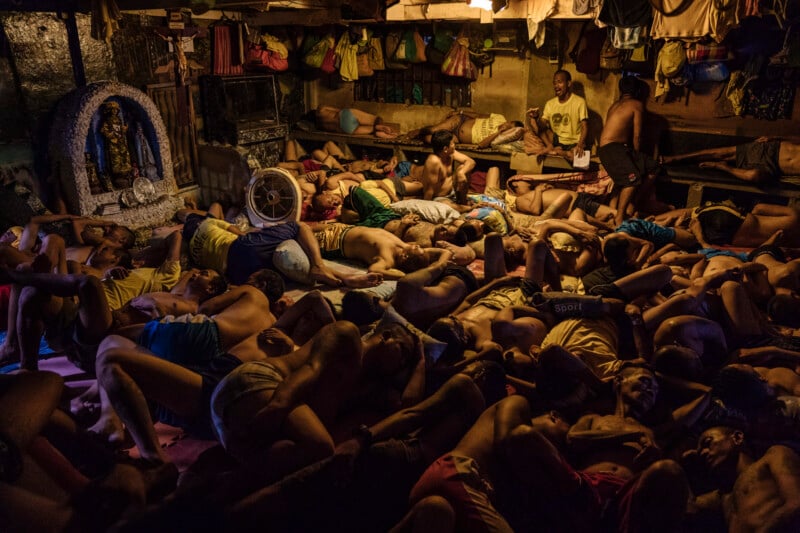
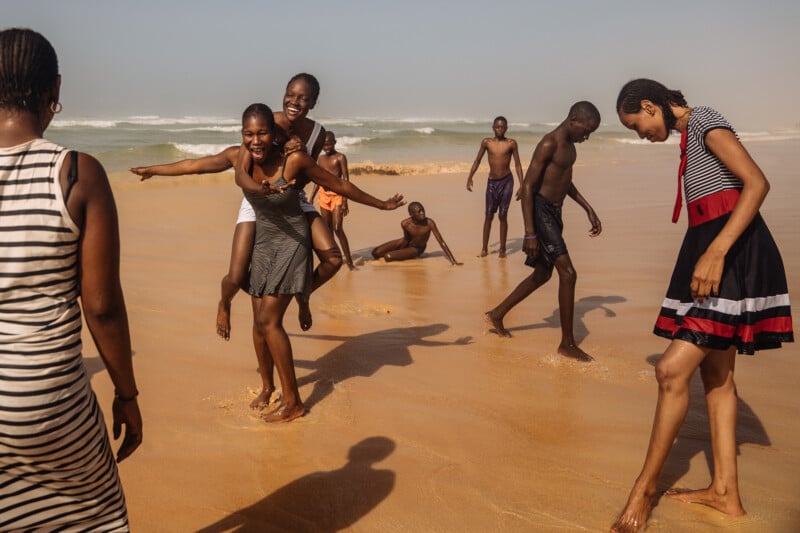
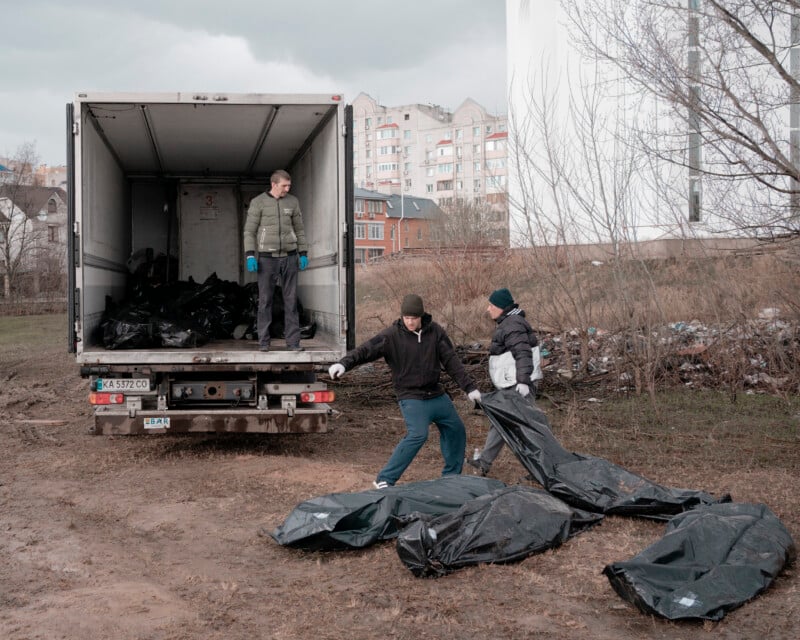
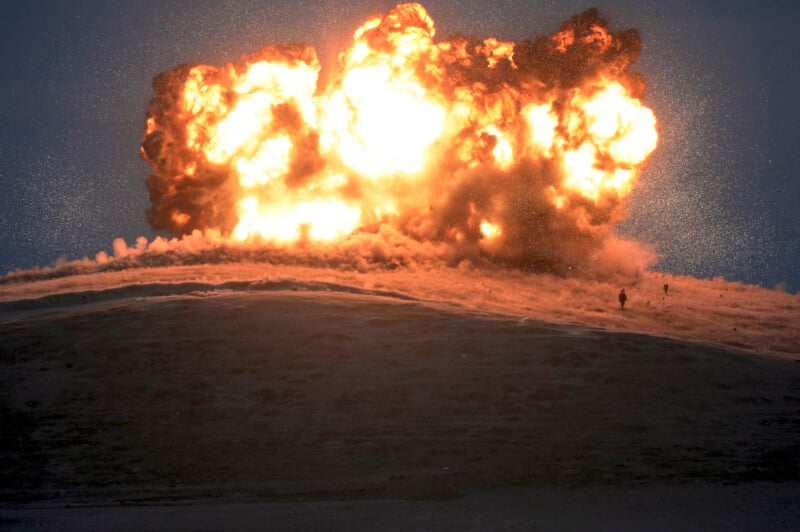
Hannah Reyes Morales, known for her intimate portrayals of communities affected by conflict and poverty, contributes a stark contrast: a densely packed, dimly lit room where dozens of men sleep on the floor, symbolizing hardship, against a vibrant scene of people laughing and playing on a sandy beach, embodying pure joy and freedom. Similarly, Johanna-Maria Fritz’s selections move from the somber act of moving black body bags from a street to a truck in a winter cityscape to a peaceful image of a person floating serenely on their back in clear turquoise water. Bulent Kılıç, an acclaimed photojournalist, provides a powerful image of a fiery explosion erupting on a hilltop, juxtaposed with an endearing scene of a sheep gently touching noses with a small puppy. These pairings are carefully curated to emphasize not just the suffering, but also the enduring capacity for happiness, solace, and resilience that defines the human spirit.
The Immersive Experience: Cycles of Emotion
The presentation format of Inferno & Paradiso is central to its intended impact. Visitors enter a specially designed darkened room where the photographs are not static displays but dynamic projections, cycling through themes in 20-minute intervals. Images associated with hope and joy are shown together for a dedicated period, allowing viewers to immerse themselves in narratives of light and positivity. This "paradiso" cycle is then followed by a 20-minute presentation of images depicting suffering and hardship, creating an "inferno" cycle. This structured progression ensures that the audience is fully enveloped in each thematic extreme, preventing superficial engagement and encouraging deeper contemplation.
This temporal separation and focused immersion are critical to Jaar’s objective. In an age of rapid-fire image consumption, where a single scroll through a news feed can present a dizzying array of disparate emotions, Inferno & Paradiso forces a deliberate slowdown. It challenges the prevailing notion that constant exposure leads to desensitization by creating an environment where viewers are compelled to sit with discomfort and celebrate moments of beauty with equal intensity. The exhibition implicitly argues that the problem is not necessarily overexposure to images of suffering, but rather the decontextualization and dehumanization that often accompany their presentation. By providing space for contemplation, Jaar re-establishes a connection between the viewer and the individual stories, allowing for a more empathetic and meaningful encounter.
The Ethical Imperative in Photojournalism
At its core, Inferno & Paradiso delves into the profound ethical considerations inherent in photojournalism. Photojournalists often bear witness to humanity’s darkest hours, tasked with documenting events that are painful, disturbing, and deeply personal. The act of capturing such moments raises questions about intrusion, exploitation, and the responsibility to portray subjects with dignity, even in their most vulnerable states. The exhibition challenges the idea that people have become numb to global suffering, suggesting instead that the problem lies in how subjects are presented—often as anonymous figures rather than individuals with their own experiences and stories.
By asking photographers to select both their most painful and most hopeful images, Jaar encourages a holistic view of the human experience within crisis zones. This approach implicitly advocates for a more nuanced form of photojournalism that acknowledges not only the devastation but also the resilience, community, and capacity for joy that persist even in the direst circumstances. It underlines the professional and emotional burden carried by photojournalists, who must process these extremes in their own work and personal lives. The dual selection process serves as a powerful reminder that behind every conflict and crisis, there are individuals experiencing the full spectrum of human emotions, and that their stories deserve to be told with complexity and empathy.
Broader Implications and Cultural Significance

Inferno & Paradiso is more than just an exhibition of photographs; it is a critical commentary on media consumption, human empathy, and the role of art in social discourse. In an increasingly polarized world, where narratives of despair often dominate, the exhibition offers a vital counterpoint by equally emphasizing moments of profound hope. It prompts visitors to consider their own responses to images of suffering and hope, encouraging introspection on the meaning they derive from such visual narratives.
The exhibition’s longevity, running until November 2026, speaks to its significance and the enduring relevance of its themes. It provides an extended opportunity for a diverse audience to engage with complex global issues through the powerful medium of photography. In a world grappling with ongoing conflicts, climate change, and social injustices, the capacity to empathize and to find hope is more critical than ever. Inferno & Paradiso serves as a poignant reminder of the interconnectedness of human experiences and the enduring power of visual storytelling to foster understanding and inspire reflection. It reinforces the idea that even amidst the "inferno" of human suffering, pockets of "paradiso" — moments of connection, resilience, and joy — always exist, offering glimmers of light and reasons for optimism.
This exhibition at Photo Elysée not only celebrates the courage and artistry of photojournalists but also challenges viewers to re-evaluate their engagement with global narratives. It is an invitation to witness, to feel, and to reflect on the intricate tapestry of human existence, acknowledging both its shadows and its light.
Inferno & Paradiso runs at the Photo Elysée in Lausanne, Switzerland, until November 1, 2026.