Stepping onto a professional photography or videography set for the first time presents a unique blend of exhilaration and apprehension. For newcomers, the days leading up to a shoot can be filled with anticipation and a desire to perform flawlessly within what is universally recognized as a high-stakes, fast-paced environment. Seasoned professionals, having navigated hundreds of commercial productions, understand the intricate dynamics at play and offer invaluable insights for those embarking on their journey. This article synthesizes critical lessons learned from extensive on-set experience, providing a comprehensive guide to mastering the challenges and maximizing the opportunities inherent in professional production.
The Dynamic Landscape of Professional Production Sets: From Boutique Studios to Megastages
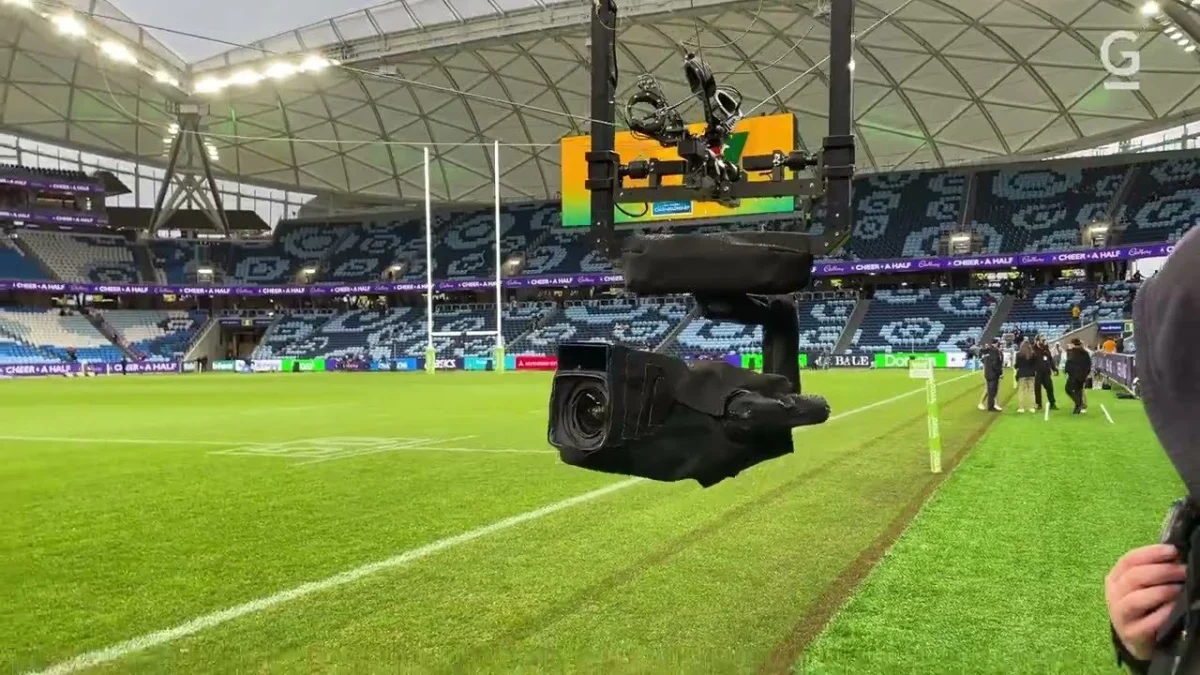
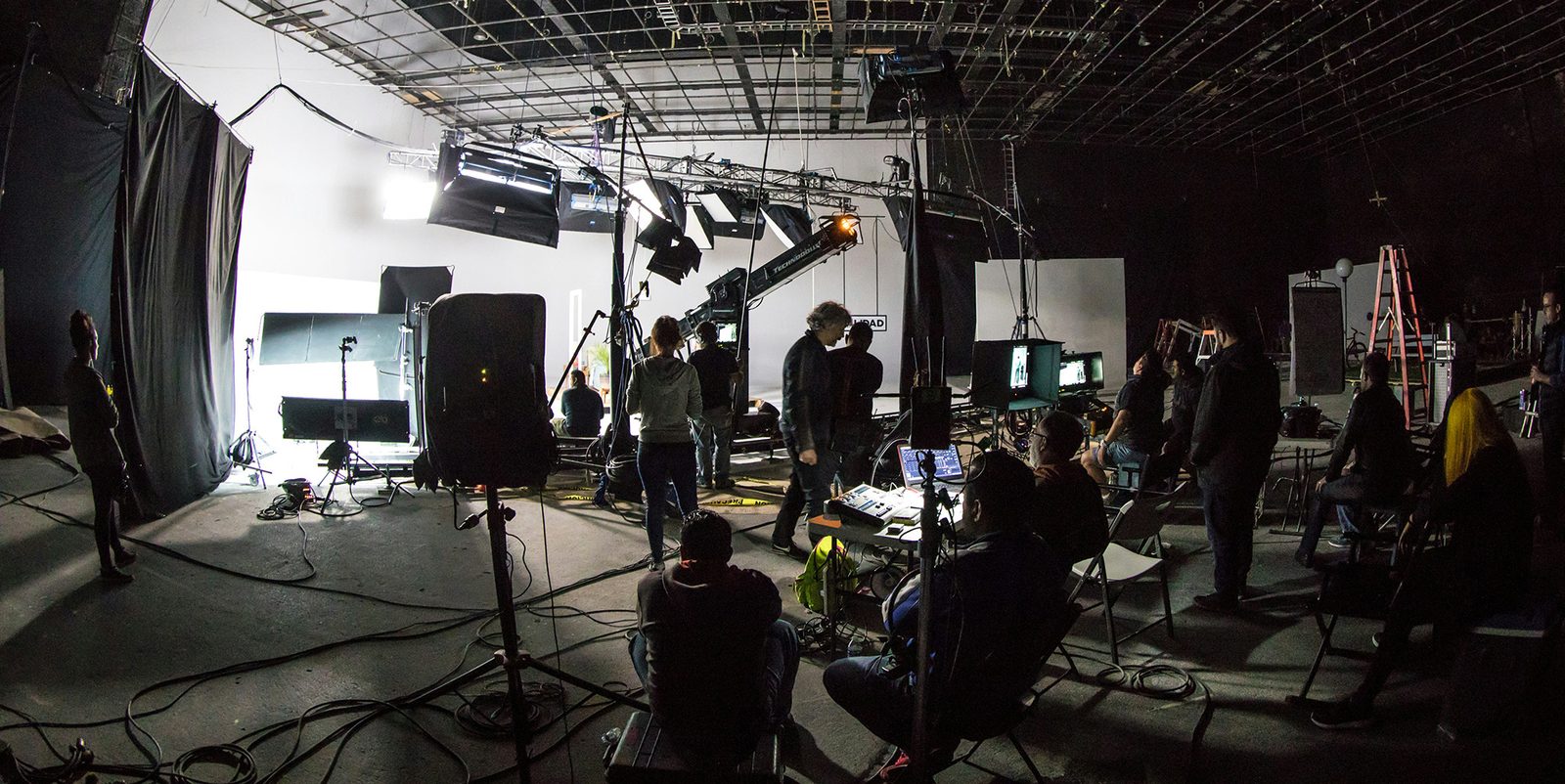
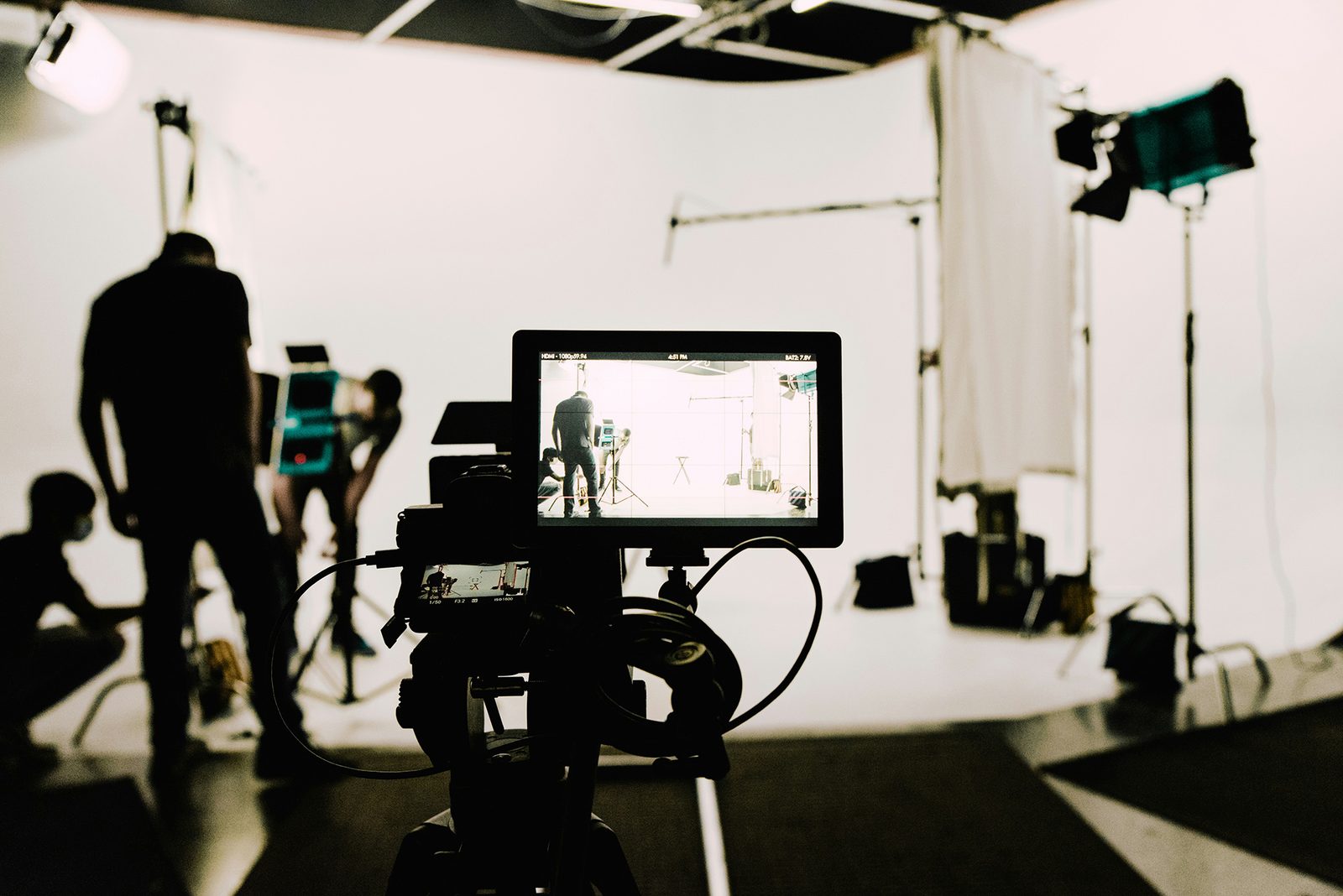
One of the most immediate realizations upon entering the professional production sphere is the sheer diversity of set environments. Unlike a standardized factory floor, production sets manifest in an astonishing array of forms, reflecting the varied scopes and budgets of commercial projects. A commercial shoot might take place in a modest 200-square-foot pop-up studio carved out of an unassuming strip mall, leveraging minimal space for maximum creative output. Conversely, another project could unfold within the sprawling confines of a multi-million dollar sound stage, equipped with an exhaustive inventory of grip equipment, lighting rigs, specialized cameras, and advanced motion control systems.
This spectrum highlights the absence of a universal standard in production houses and professional studios. While pre-production communications often provide some indicators regarding location and scale, the actual experience can often defy expectations. This variability underscores a fundamental truth: adaptability is paramount. Production managers consistently emphasize the need for crew members, particularly those new to the scene, to be prepared for any logistical setup. Industry analysis indicates that projects can range from ultra-lean operations with minimal crew and equipment to colossal undertakings involving hundreds of personnel and extensive technological infrastructure. The implications for a first-timer are significant; understanding that each set presents its own unique spatial, technical, and atmospheric challenges is the first step toward successful integration and performance. This inherent variability necessitates a proactive mindset, urging professionals to mentally prepare for scenarios that might deviate significantly from initial briefings.
Mitigating Risk: The Imperative of Redundancy and Proactive Problem-Solving
The adage "expect the unexpected" is not merely a cliché on a professional set; it is a foundational principle of risk management. The high-pressure environment of commercial production, often characterized by tight deadlines and substantial financial investments, leaves little room for error or unforeseen technical failures. A camera malfunction, a burnt-out flash tube, or a corrupted memory card can translate directly into costly delays, missed shots, and potential client dissatisfaction. Murphy’s Law, in this context, often manifests at the most inconvenient moments, usually when all eyes are on the lead photographer or videographer.
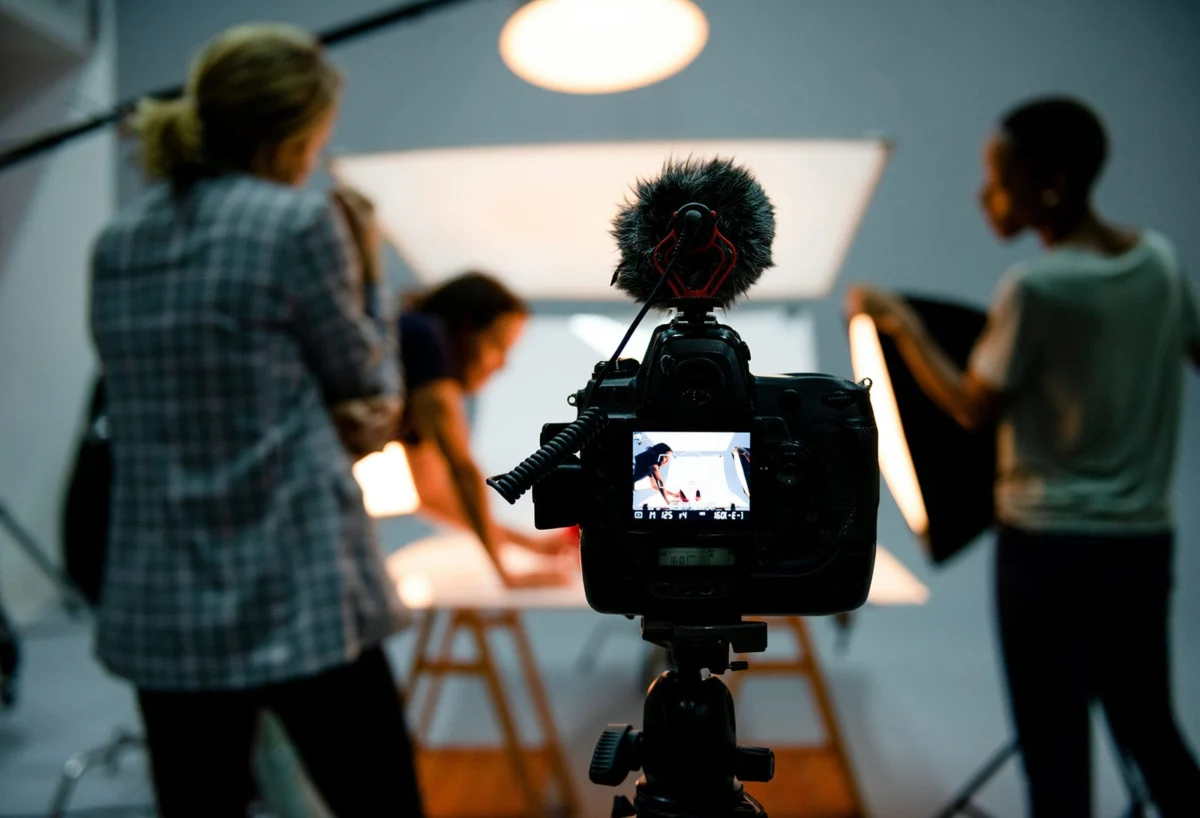
To counter these inevitable challenges, a robust strategy of redundancy is not just advisable, but essential. Seasoned professionals routinely arrive on set armed with backups for virtually every critical piece of equipment. This includes secondary camera bodies, a range of alternative lenses, spare wireless triggers, backup strobes or continuous lights, and an abundance of fully charged batteries and formatted memory cards. This practice extends beyond personal gear; when production houses supply equipment, it becomes crucial to engage in thorough pre-shoot discussions with the grip or rental house regarding available replacements. It is not uncommon for a requested item, such as a specific size of octobox, to be unavailable on the day of the shoot due to last-minute logistical changes or prior bookings.
A proactive approach involves not only having personal backups but also developing an itinerary of optional replacements for rented gear. This foresight streamlines the morning setup, preventing delays and demonstrating a high level of professionalism. According to a recent survey of production coordinators, approximately 70% of on-set delays are attributed to unforeseen technical issues or equipment failures. The financial implications of such delays can be substantial, often calculated in hundreds or even thousands of dollars per hour, encompassing crew salaries, talent fees, location rentals, and catering. Therefore, the strategic investment in backup equipment and meticulous pre-production planning serves as a critical safeguard against operational disruptions and safeguards the project’s timeline and budget.
Cultivating a Positive Production Environment: Leadership, Morale, and Professionalism
The emotional climate of a production set is profoundly influenced by its leadership, particularly the creative director, agency representatives, or lead photographer. The palpable tension emanating from an anxious marketing team or an overly stressed creative director can permeate the entire crew, fostering an atmosphere of apprehension and hindering creative flow. Conversely, a calm, confident, and approachable creative lead can dissipate tension, creating a more relaxed and productive working environment for everyone involved.
This phenomenon underscores the critical role of attitude on set. While the primary objective is always to meet the day’s creative and logistical goals, a secondary, equally vital objective should be to contribute to a positive and collaborative work environment. Professionals who approach tasks, even those extending beyond their initial responsibilities, with a smile, kindness, and a willingness to assist not only facilitate smoother operations but also project an infectious positivity that can uplift overall morale. This isn’t merely about being personable; it’s a strategic component of professional success.
Industry veterans consistently report that a positive attitude and strong interpersonal skills are as crucial as technical proficiency for securing repeat bookings. A pleasant demeanor under pressure, a willingness to be a team player, and an adaptable approach to challenges significantly enhance a professional’s reputation. In a highly competitive industry where talent is abundant, soft skills often become the differentiator. Production companies and creative agencies prefer to work with individuals who not only deliver exceptional results but also contribute positively to the demanding collaborative environment. This fosters a sense of camaraderie and mutual respect, turning what could be a grueling day into a more enjoyable and efficient creative endeavor.
Navigating the Evolving Production Schedule: Adaptability as a Core Competency
In the realm of professional production, the concept of a rigid schedule is largely an illusion. While project coordinators and creative directors meticulously craft detailed shot lists and creative decks—comprehensive PDFs outlining required images, style guidelines, and a tight shooting schedule—these documents serve more as aspirational roadmaps than immutable commandments. A critical piece of advice for any professional receiving such a document is to review it not just for content, but for logistical efficiency. It often falls to the on-set creative lead to re-sequence the proposed schedule to maximize time and resources. For instance, repeatedly switching between product still life setups and lifestyle portraits throughout the day is inherently inefficient due to the time required for complete lighting and set changes. A more logical approach involves grouping similar setups to minimize downtime.
Furthermore, production schedules frequently underestimate the practical time required for setups, breakdowns, and transitions. This is particularly true when creative directors or project managers lack extensive on-set operational experience. Consequently, it is a rare occurrence for a production day to adhere perfectly to its initial timeline. Being ahead of schedule is a welcome bonus, but more commonly, teams find themselves running behind. The key is not to succumb to stress over minor deviations but to embrace the inherent fluidity of the schedule. Major delays, of course, warrant concern and immediate problem-solving, but minor shifts are an expected part of the process.
The reasons for this fluidity are manifold: unexpected creative adjustments, technical glitches, talent delays, elaborate set changes, and even unforeseen environmental factors like weather can all conspire to alter the best-laid plans. According to a study by the Production Guild of Great Britain, creative adjustments and technical unforeseen issues account for nearly 60% of all schedule overruns on commercial shoots. The ability to remain calm, adaptable, and focused amidst these shifts is a hallmark of an experienced professional. This adaptability allows the team to pivot effectively, ensuring that despite the changes, the ultimate creative objectives are still met within reasonable parameters, preventing unnecessary stress and maintaining team morale.
The Rhythmic Pulse of Production: Understanding Set Pacing and Maximizing Efficiency
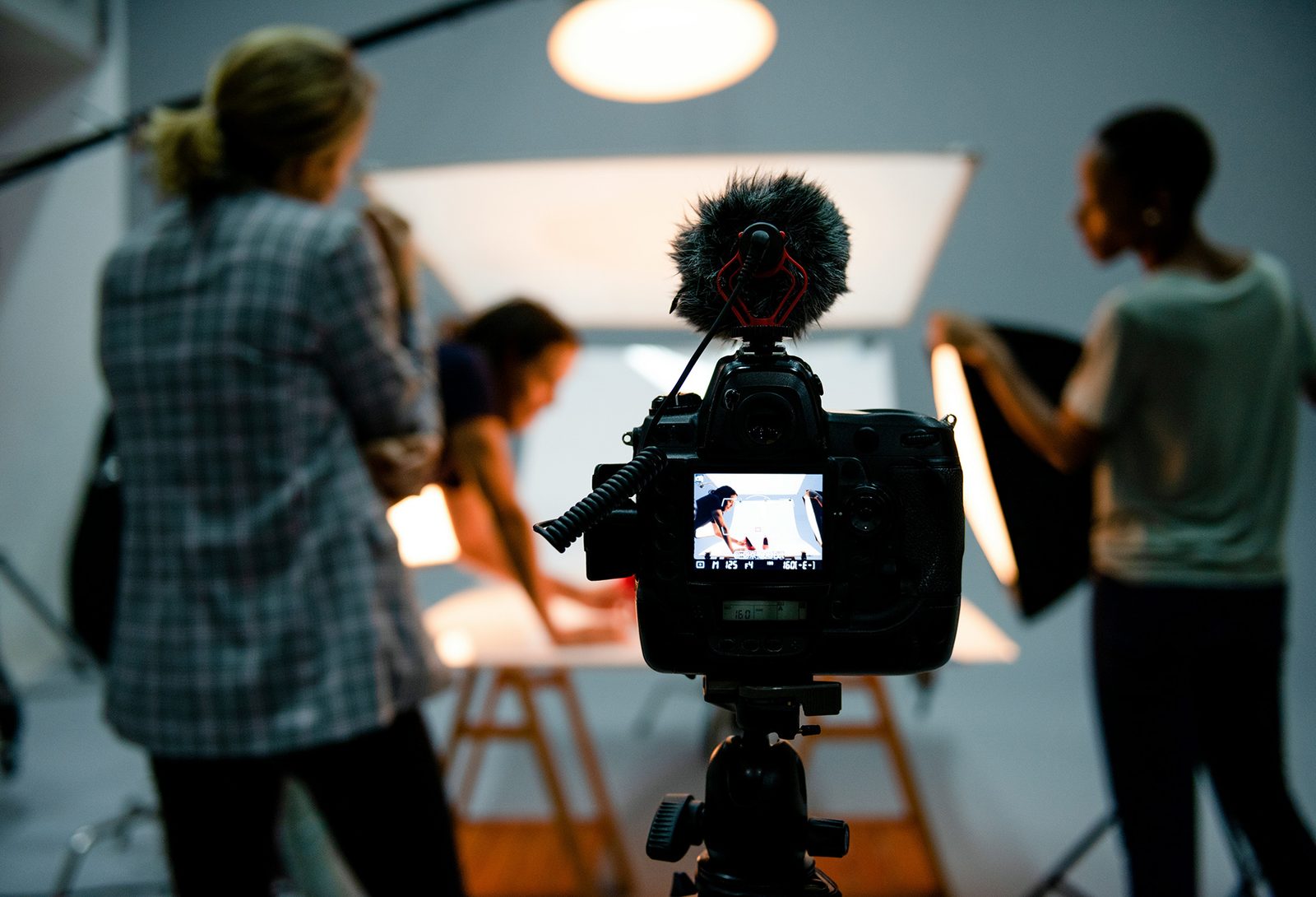
The dynamic of a professional production set often follows a distinct rhythm: long periods of slow, deliberate preparation interspersed with intense, rapid bursts of activity. This "slowly, then all at once" pacing can be perplexing for newcomers, but it is a fundamental characteristic of the production workflow. There will be moments on set when professionals find themselves incredibly active—walking thousands of steps, carrying hundreds of pounds of gear, and capturing an exhaustive number of images. Yet, on the very same day, there will be extended periods of downtime, where crew members might find themselves waiting, looking for something to do, as the team preps for the next look.
These slower periods are not indicative of inefficiency but are a necessary component of the collaborative creative process. Setting up complex photography or videography gear—adjusting lighting, refining camera angles, arranging props, and styling talent—demands meticulous attention and time. The creative team, including the director, client, and agency representatives, often convenes for impromptu meetings during these phases to refine creative goals, review test shots, and make critical decisions. Even when a production is running behind schedule, these essential collaborative pauses are often unavoidable.
However, these lulls are invariably followed by periods of intense, focused activity. Once everything is meticulously prepared and approved, the mandate shifts to rapid execution. Professionals find themselves "speedrunning" through a shot list, capturing images or footage as quickly and efficiently as possible to maximize the prepared setup. Understanding this ebb and flow is crucial. During the "slow" phases, it is important not to become complacent or distracted. This is an opportune time to check gear, review previous captures, stay hydrated, and mentally prepare for the next intensive burst. Conversely, during the "all at once" moments, unwavering focus, quick thinking, and precise execution are paramount.
The implications of this pacing extend to managing personal energy and expectations. Professionals must learn to conserve energy during downtimes and be ready to deploy it intensely when required. Stressing over the slow pace during preparatory periods is counterproductive; instead, these moments should be utilized for strategic readiness. Before long, the pace will inevitably pick up, and the quiet wish for a moment to rest or grab a drink of water will quickly materialize. Embracing this unique rhythm allows professionals to contribute effectively, avoid burnout, and navigate the demanding environment of commercial production with grace and efficiency.
In conclusion, a successful debut, or indeed any future engagement, on a professional commercial set hinges on a combination of technical proficiency, meticulous preparation, unwavering adaptability, and a consistently positive professional demeanor. These insights, forged in the crucible of countless productions, serve as a foundational guide for navigating an industry that is as challenging as it is rewarding. By understanding the varied nature of sets, prioritizing redundancy, fostering positive interactions, embracing schedule fluidity, and mastering the distinctive pacing of production, professionals can not only meet but exceed expectations, forging a path towards sustained success in the dynamic world of commercial photography and videography.