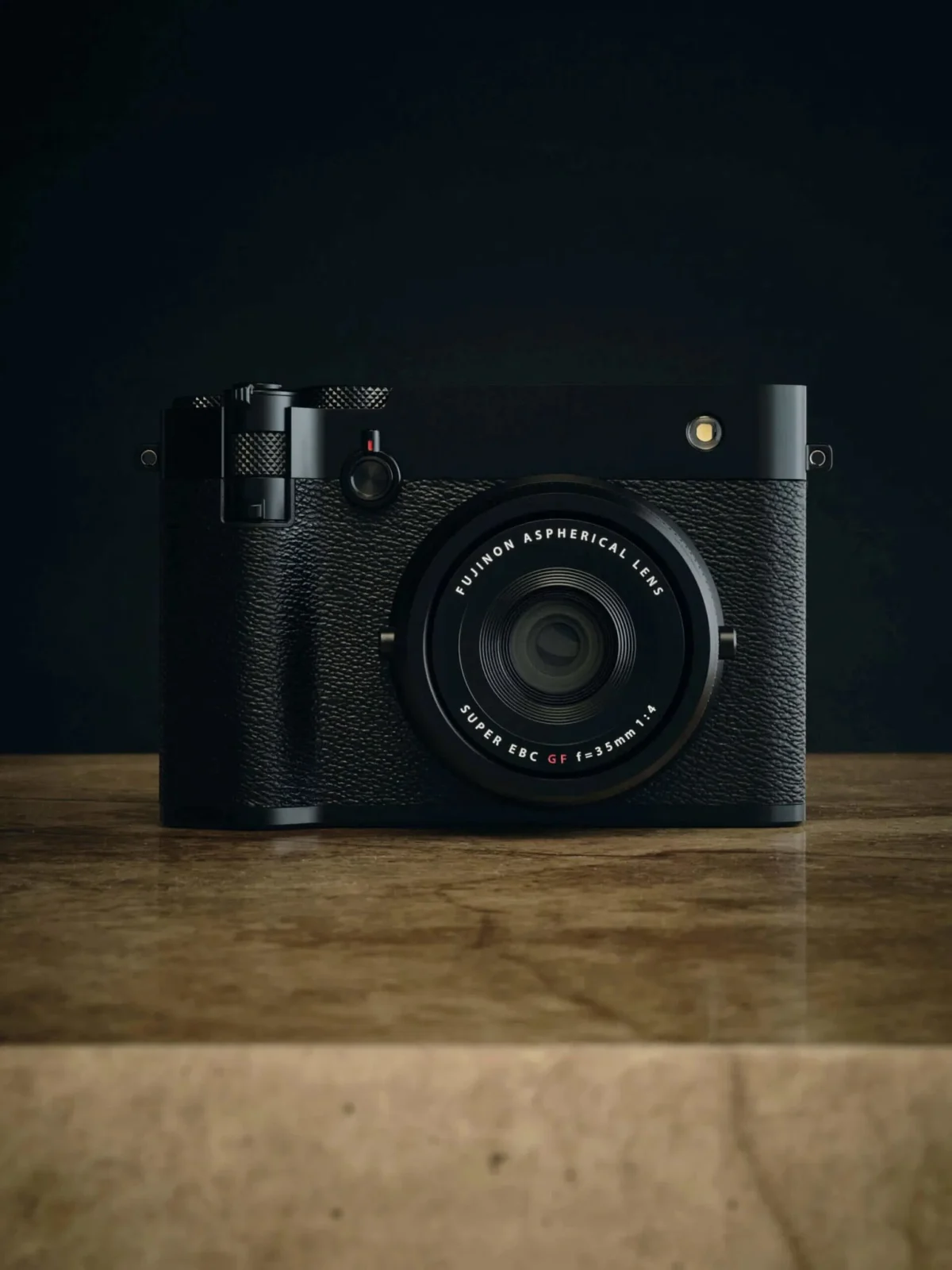
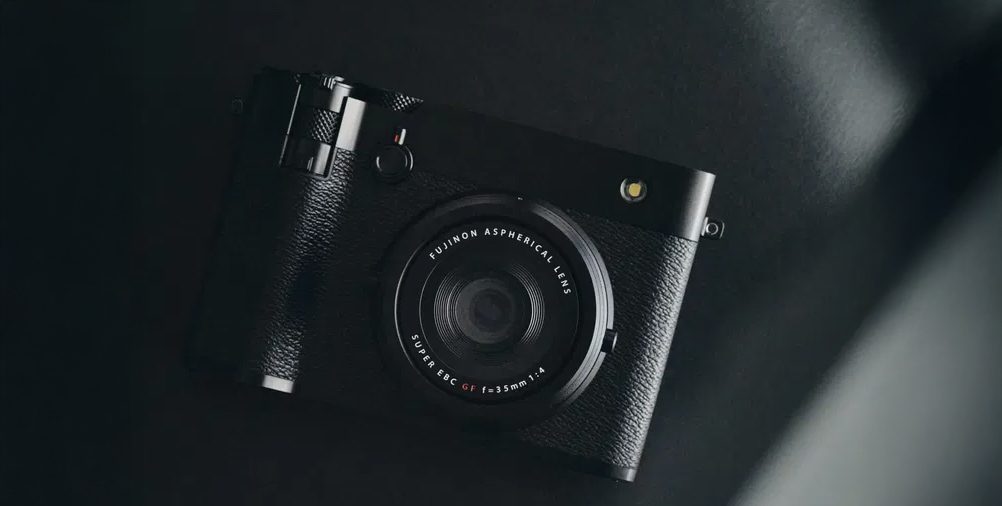
The arrival of the Fujifilm GFX 100RF from Lensrentals.com presented a pristine, virtually new unit, immediately surprising observers with its remarkably compact form factor. For a medium-format camera, a category traditionally associated with substantial size and weight, the GFX 100RF is notably svelte, closely approximating the heft of a full-frame mirrorless camera like the Nikon Z7 paired with a modest 35mm lens. This design choice consciously evokes the aesthetic of classic rangefinder cameras, drawing particular comparisons to the legendary Plaubel Makina 67, reimagined for the digital age. While the integrated 35mm lens provides a field of view akin to a 28mm lens on a full-frame sensor, some photographers might express a preference for a slightly longer focal length, such as a 45mm or 50mm, to better align with traditional medium format perspectives or specific artistic visions.
The Fujifilm GFX System: A Legacy of Innovation in Medium Format
Fujifilm’s foray into the medium format digital realm began with the introduction of the GFX system, a strategic move that positioned the company as a significant player in a market segment historically dominated by a few established brands. The GFX system, starting with the GFX 50S and GFX 50R, democratized medium format photography by offering relatively accessible mirrorless cameras that delivered significantly larger sensors than full-frame, boasting superior dynamic range, resolution, and shallow depth of field capabilities. These early models, featuring 50-megapixel sensors, quickly gained traction among professional photographers and discerning enthusiasts.
The evolution continued with the GFX 100, which introduced a groundbreaking 102-megapixel sensor and in-body image stabilization (IBIS) to the medium format mirrorless world, setting new benchmarks for resolution and handheld usability. Subsequent iterations, such as the GFX 100S and GFX 100 II, refined this formula, offering more compact bodies while retaining the high-resolution sensor and advanced features. The GFX 100RF represents a distinct branch within this lineage, prioritizing extreme portability and a simplified, fixed-lens approach over the versatility of interchangeable lenses and the comprehensive feature set of its larger siblings. This deliberate design philosophy aims to cater to a specific segment of the market that values a streamlined, rangefinder-style shooting experience without compromising on the immense image quality afforded by a 100-megapixel medium format sensor.
Design Philosophy: Portability Meets Medium Format Power
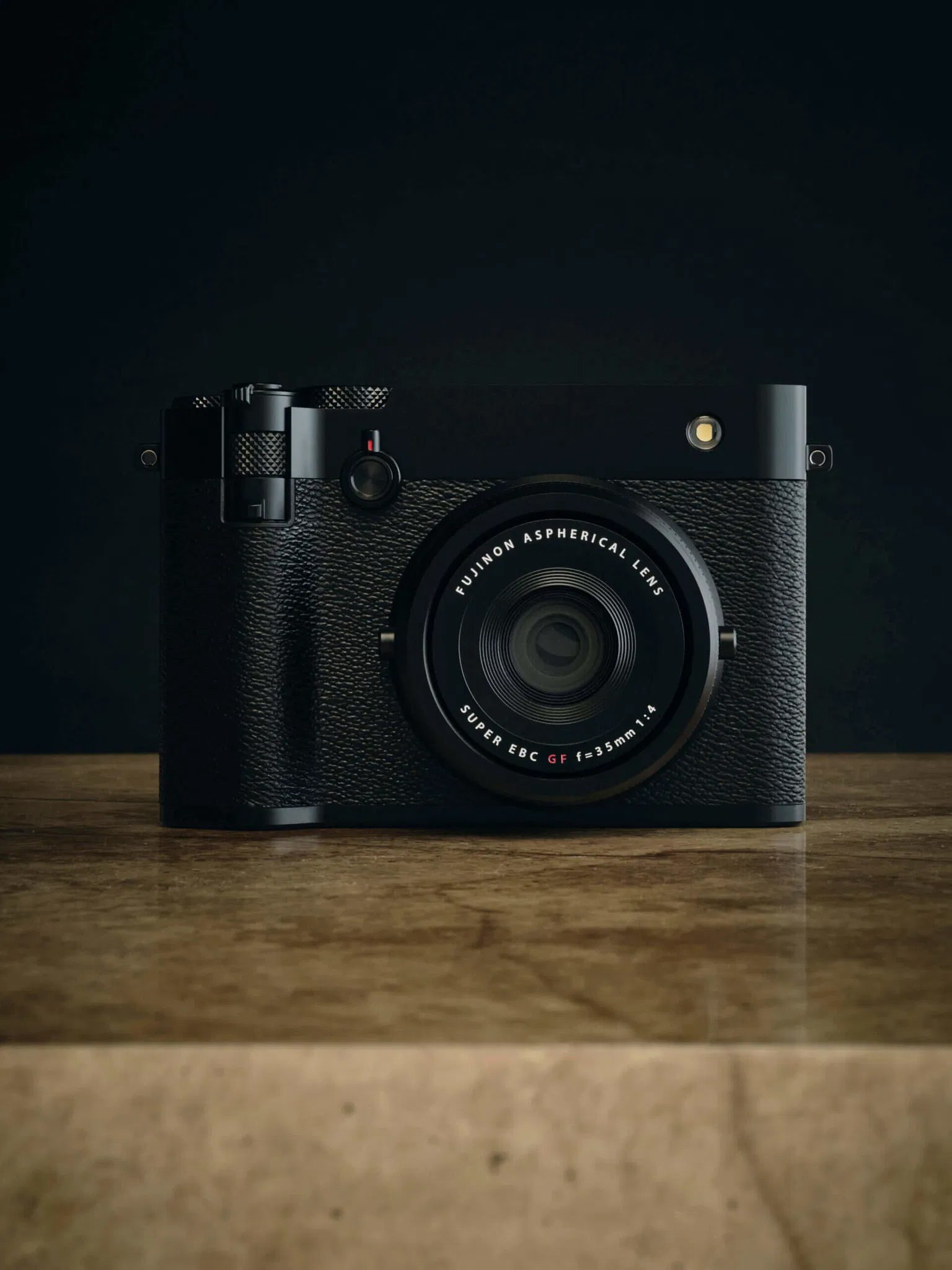
The GFX 100RF stands as a testament to Fujifilm’s commitment to pushing the boundaries of medium format design. Its controversial nature stems from its deliberate omissions: the absence of in-body image stabilization (IBIS) and a faster, larger aperture lens. These features, while desirable for many, would inevitably lead to a larger and heavier camera body. Fujifilm’s primary objective with the 100RF was to achieve the smallest and lightest possible medium-format camera while retaining the formidable Sony 33x44mm 100-megapixel sensor. This focus on size and weight reduction transforms the GFX 100RF into a "niche within a niche," targeting photographers who specifically seek a highly portable, high-resolution medium format solution with a fixed lens.
Fixed-lens, high-end digital cameras occupy a specialized market, and the GFX 100RF’s emphasis on portability further refines its target demographic. It caters directly to individuals who appreciate the specific field of view offered by a 28mm full-frame equivalent lens and demand the exceptional image quality characteristic of medium format sensors. For this particular cohort, the GFX 100RF emerges as an exceptionally convenient, lightweight, and fluid operating tool. While other fixed-lens camera options exist, few, if any, combine the small form factor, light weight, precise operation, and a 100-megapixel medium format sensor as effectively as the GFX 100RF. This strategic positioning underscores Fujifilm’s intent to capture a segment of the market that values the purity and portability of a dedicated photographic instrument above all else.
Sensor and Image Quality: The 100MP Core
At the heart of the GFX 100RF lies the same acclaimed Sony 33x44mm 100-megapixel sensor found in the GFX 100 II. This sensor is renowned for its exceptional detail rendition, impressive dynamic range, and superb color accuracy. It delivers image quality that is familiar and consistently excellent for anyone accustomed to Fujifilm’s high-end GFX offerings. A unique characteristic of this sensor, as noted by technical reviewers, is Fujifilm’s implementation of "ISO 80 black-point subtraction." While not detrimental to overall image quality, this processing detail is a curious aspect of the sensor’s behavior at its base ISO.
The large sensor size contributes significantly to the camera’s ability to produce images with a distinct medium format "look," characterized by a unique rendering of depth and separation between subjects and backgrounds. The sheer pixel count provides immense flexibility for cropping and large-format printing, making it an ideal tool for landscape, architectural, and fine art photographers who demand the utmost in resolution.
Optical Prowess: The Integrated 35mm Lens

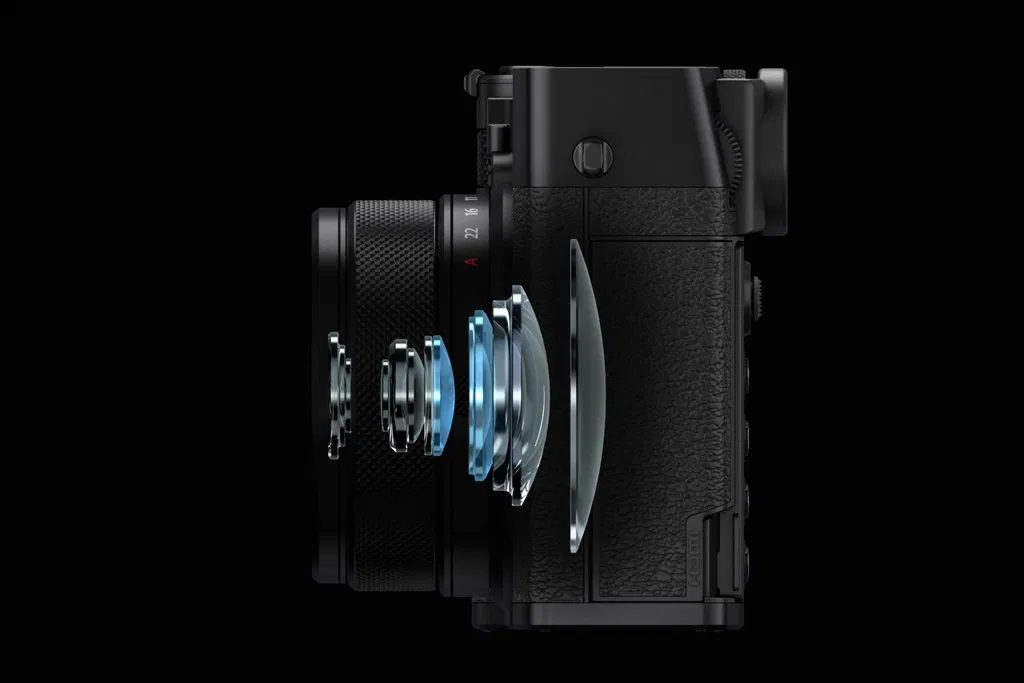
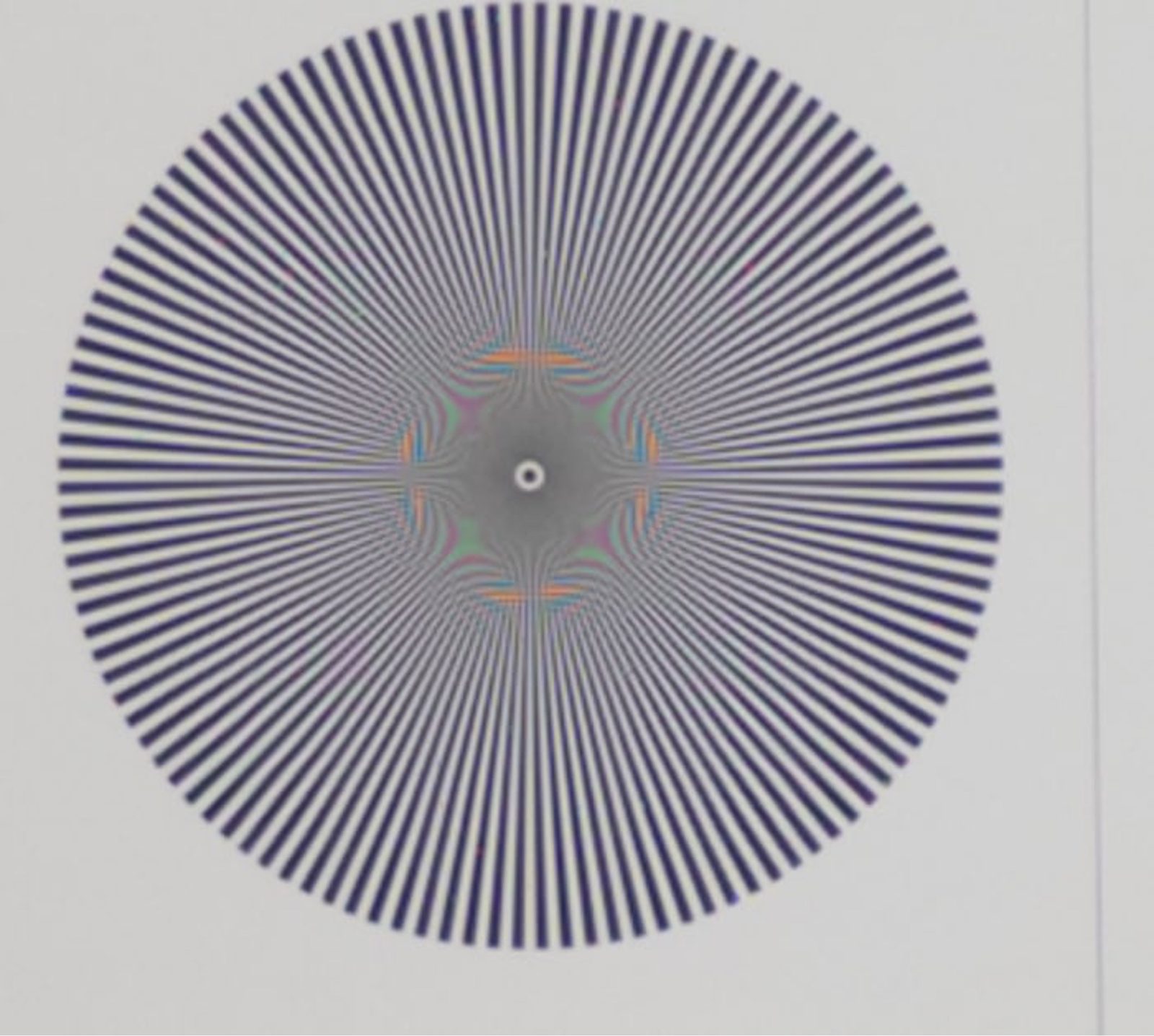
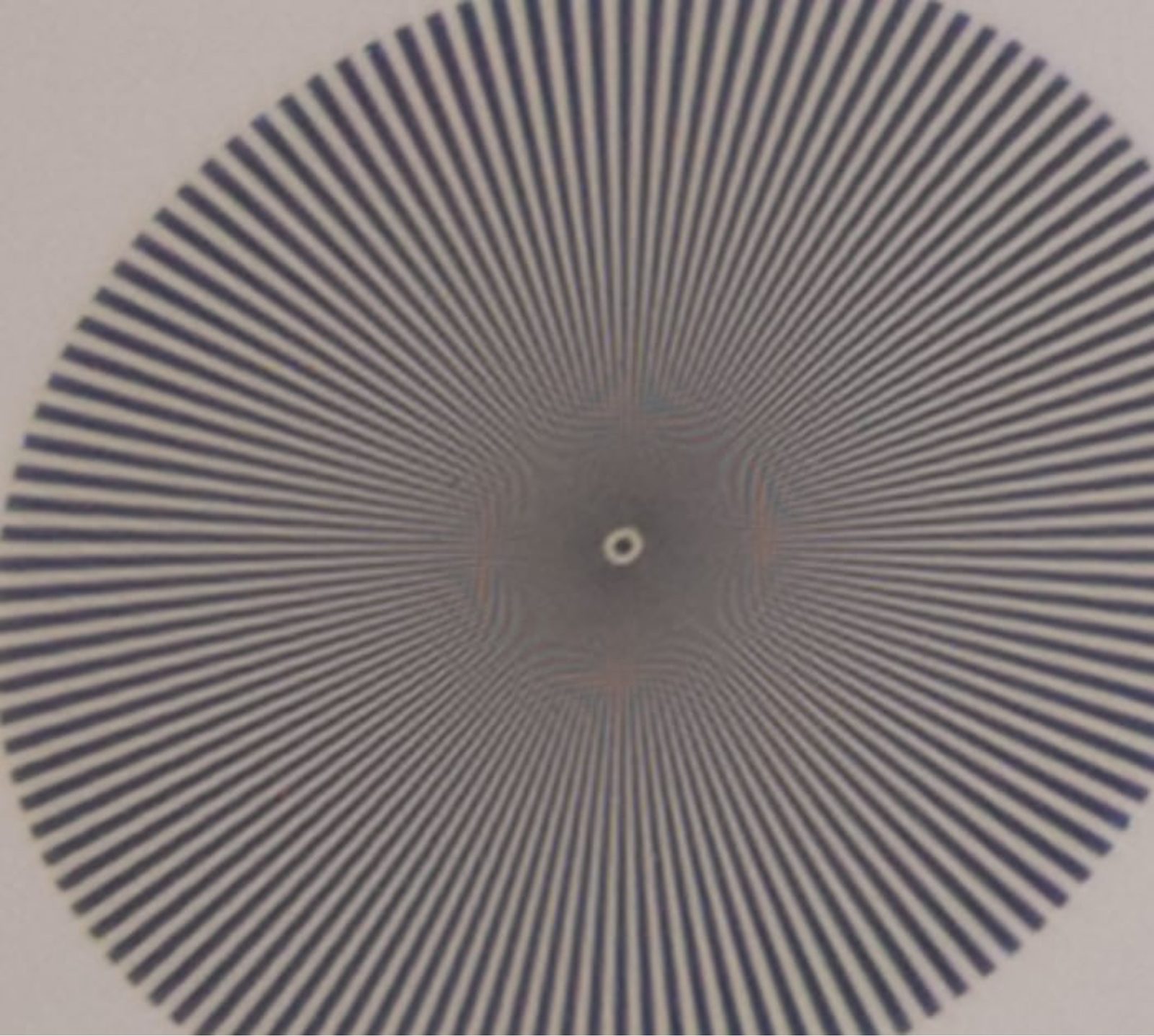
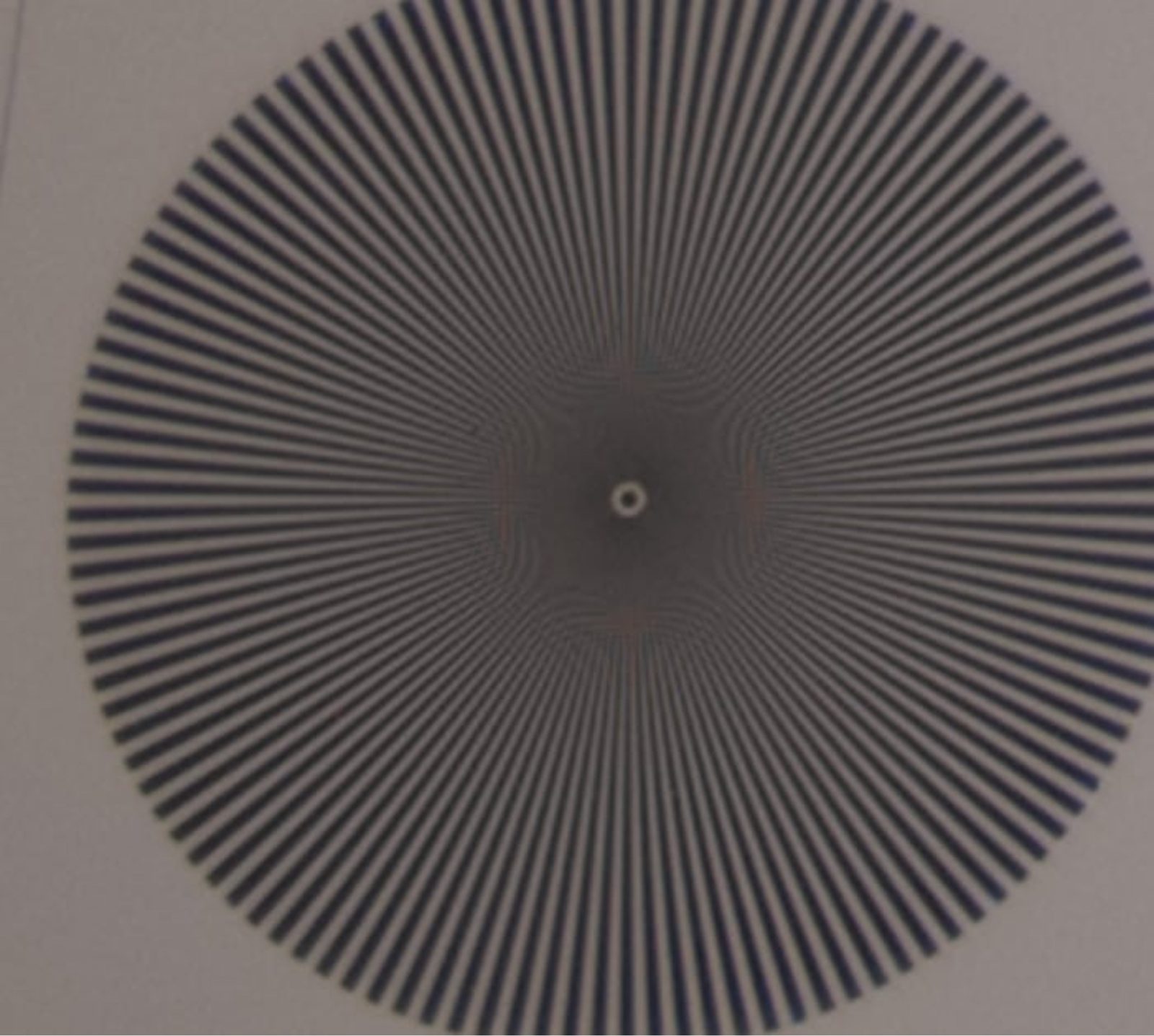
The integrated 35mm lens (providing a 28mm full-frame equivalent field of view) is a strong performer, especially considering its compact size. Optical tests reveal excellent sharpness across the frame, with on-axis performance remaining outstanding until diffraction effects become noticeable at smaller apertures. There is only a modest falloff in sharpness towards the edges of the frame, indicating a well-corrected optical design. Notably, field curvature is essentially absent, ensuring consistent sharpness across a flat plane of focus—a critical attribute for landscape and architectural photography.
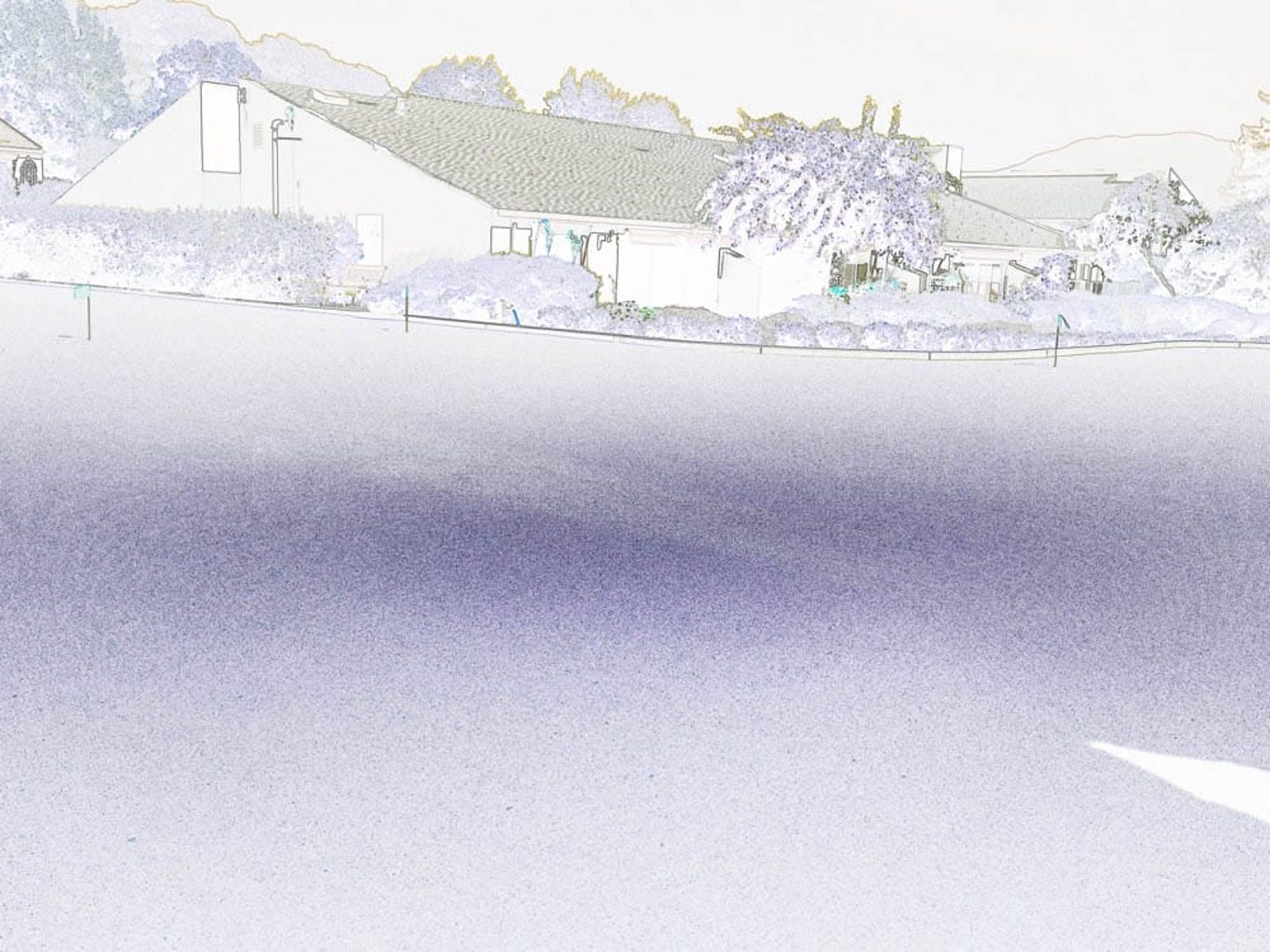
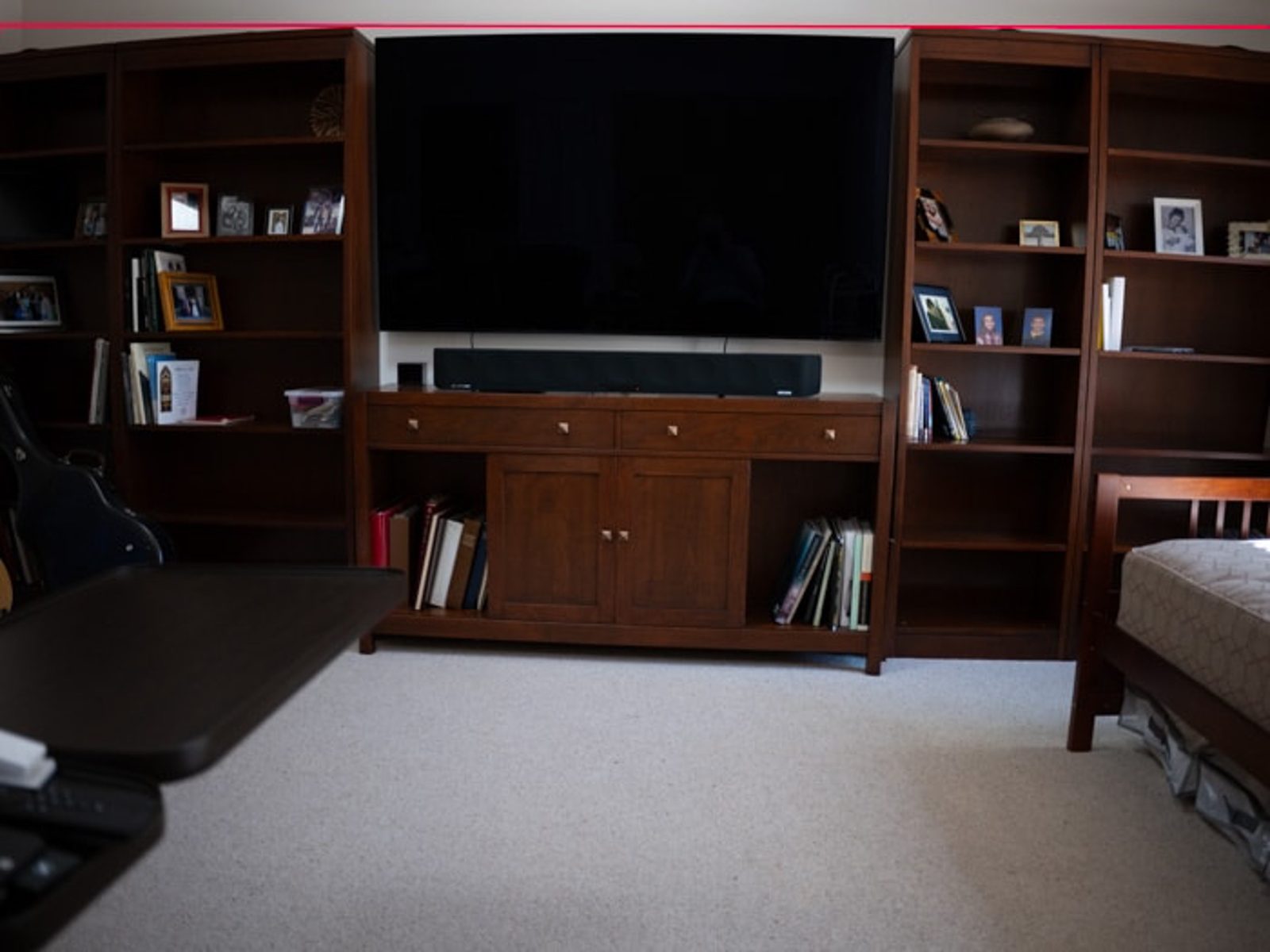
While uncorrected files exhibit noticeable distortion, digital correction mechanisms within the camera and post-processing software effectively eliminate these aberrations with virtually no discernible loss in sharpness. Vignetting is also present, but at moderate levels, and it too disappears once software corrections are applied.
A key feature of the lens is its leaf shutter. This mechanism offers several advantages, including extremely quiet operation, which is beneficial for street photography, events, and situations where discretion is paramount. More importantly, leaf shutters enable flash synchronization at much higher shutter speeds than traditional focal plane shutters, allowing photographers to balance ambient light with flash more effectively, even in bright conditions. However, the leaf shutter in the GFX 100RF introduces specific bokeh artifacts at shutter speeds of 1/500 second and above. These artifacts become more pronounced at 1/4000 second, where bokeh balls may appear non-circular and the effective depth of field can be shallower due to the shutter acting as a diaphragm. While present, these artifacts are generally considered less objectionable than those produced by some other medium format lenses, such as the Hasselblad XCD 38V and 90V. Images captured at 1/250 second show smooth, circular bokeh, contrasting with the distinct polygonal shapes evident at 1/4000 second, clearly illustrating the leaf shutter’s influence on out-of-focus elements at higher speeds.

Ergonomics and User Experience: A Blend of Tradition and Modernity
The ergonomics of the GFX 100RF present a mixed bag, combining thoughtful design choices with a few areas that could benefit from refinement. On the positive side, the redesigned Q button, now sitting flush with the body, is a welcome improvement, significantly reducing accidental presses. The camera offers flexible exposure control with "A" (auto) positions for both aperture and shutter speed, catering to various shooting preferences. ISO adjustment is elegantly integrated via a collar around the shutter dial, though the lack of distinct detents makes confident adjustment by feel challenging. The exposure-compensation dial, however, is a highlight: generously sized and perfectly positioned for quick, intuitive thumb access.
Conversely, some aspects of the camera’s tactile feedback and build quality fall short of expectations for a premium device. The on/off switch has a very light action, raising concerns about inadvertent activation when the camera is stored in a bag. The knurled dials and joystick suffer from vague, mushy feedback, indicating an area where Fujifilm still lags behind competitors like Nikon in terms of haptic quality. Minor build details also disappoint: the battery door latch does not self-engage, and the card slot door feels less robust compared to designs found in other high-end cameras. Furthermore, the inclusion of two SD card slots, while functional, is seen by some professionals as a missed opportunity, with a preference for faster CFExpress slots given the large file sizes produced by the 100MP sensor.
Performance Metrics: Autofocus, Flash, and Power Efficiency
The autofocus system of the GFX 100RF is on par with that of the GFX 100 II. By medium format standards, it is entirely adequate, providing reliable and accurate focusing for a wide range of photographic situations. However, it is important to note that its speed and tracking capabilities do not match the rapid performance of the latest full-frame mirrorless cameras, which often benefit from more advanced phase-detection systems and processing power optimized for continuous action.
Regarding flash photography, the leaf shutter’s inherent advantage allows for high-speed sync. While some users have reported difficulties syncing flash at very high shutter speeds, particularly with wireless triggers, tests with a direct hot shoe connection reveal consistent performance. A minor loss of light can occur at the extreme end, such as 1/4000 second, but this is typically due to the flash duration itself being longer than the ultra-fast shutter speed, rather than a camera malfunction. Photographers using full-power flash settings should be mindful of this potential light loss at the highest shutter speeds.
Battery life on the GFX 100RF is reported to be somewhat better than that of the GFX 100 II or GFX 100S II using the same battery. This improved efficiency is likely attributable to two primary factors: the absence of in-body image stabilization (IBIS), which is a significant power consumer, and the lower power demands of the leaf shutter integrated into the GFX 100RF’s fixed lens compared to the focal plane shutters in the other two cameras. This extended battery life enhances the camera’s appeal as a portable and reliable tool for extended shooting sessions.
Market Context and Competitive Landscape
The GFX 100RF occupies a unique position in the market, appealing to a specific type of photographer. Its core identity is that of a medium-format camera, and as such, prospective buyers must be comfortable with the perspective of its 35mm lens on a 33x44mm sensor, which approximates the field of view of a 28mm lens on a full-frame sensor. For those seeking this specific wide-angle perspective in a medium format package, the GFX 100RF is an unparalleled offering.
However, if a photographer’s preference leans towards the "look" of a 35mm lens on a full-frame sensor, the GFX 100RF necessitates cropping the 100-megapixel image, effectively reducing it to a 60-megapixel output. In such scenarios, alternatives like the Leica Q3 or Sony RX1R III become compelling considerations. The GFX 100RF weighs approximately the same as the Leica Q3, while the Sony RX1R III is notably smaller and lighter. In terms of pricing, the Fujifilm GFX 100RF and Sony RX1R III are similarly positioned, with the Leica Q3 typically commanding a higher price point. This suggests that opting for a full-frame alternative might not offer significant cost savings but could provide a weight advantage. Of these three cameras, only the Leica Q3 incorporates IBIS, which could make it the preferred choice for handheld shooting in low-light conditions, where stabilization is critical for maintaining sharpness.
While high-resolution cameras without IBIS have been successfully used for years, the inclusion of IBIS is undeniably advantageous in certain situations. For photographers who frequently find themselves in challenging low-light environments or require maximum sharpness at slower shutter speeds, the Leica Q3’s stabilization system presents a strong argument for consideration.
Fujifilm has actively promoted the cropping capabilities of the GFX 100RF’s sensor. It is true that a 100-megapixel sensor with the same pixel pitch allows for more aggressive cropping than a 60-megapixel sensor while retaining usable resolution. Compared to the Leica Q2 (a 47-megapixel full-frame camera), the GFX 100RF offers superior cropped image quality at equivalent angles of view. However, the GFX 100RF provides similar cropped image quality at the same angles of view as the Sony RX1R III (a 61-megapixel full-frame camera). The GFX 100RF’s advantage in cropping power truly shines when comparing full-frame equivalent angles of view between 28mm and 35mm, offering more flexibility within this specific range.
Who is the GFX 100RF For?
The GFX 100RF is designed for a discerning segment of the photographic community. It is a purposeful tool for medium-format work, particularly appealing as a travel camera due to its unprecedented portability within its sensor class. Existing GFX users will likely find the camera’s interface and handling familiar and intuitive, fostering a quick bond. For those new to the GFX system, the user interface might initially seem somewhat idiosyncratic, but many find it to be a logical and enjoyable system once accustomed to it.
The camera’s "crop control" feature, while intended as a compositional aid, has been met with mixed reactions. Its large size and lack of a locking mechanism have been noted as potential drawbacks. Furthermore, the integration of the camera’s metering system with the EVF crop display can be unusual, as the recommended exposure may vary based on the chosen crop borders, requiring users to adapt to this behavior.
Conclusion: A Specialized Tool for Discerning Creators
The Fujifilm GFX 100RF represents a bold statement in the medium format landscape. It is not a camera designed to be a universal solution but rather a highly specialized instrument crafted for a specific photographic vision. Its compact size, combined with the unparalleled image quality of a 100-megapixel medium format sensor and a high-performance fixed 35mm lens, makes it a unique offering. While certain ergonomic quirks and the absence of IBIS might deter some, for photographers who prioritize portability, exceptional resolution, and the distinct medium format aesthetic within a 28mm full-frame equivalent field of view, the GFX 100RF is an incredibly compelling option. Its position as a "niche within a niche" solidifies its appeal to a dedicated group of creators who value precision, deliberate shooting, and the ultimate in image fidelity in a surprisingly portable package. The GFX 100RF solidifies Fujifilm’s reputation for innovative design and commitment to pushing the boundaries of photographic technology.