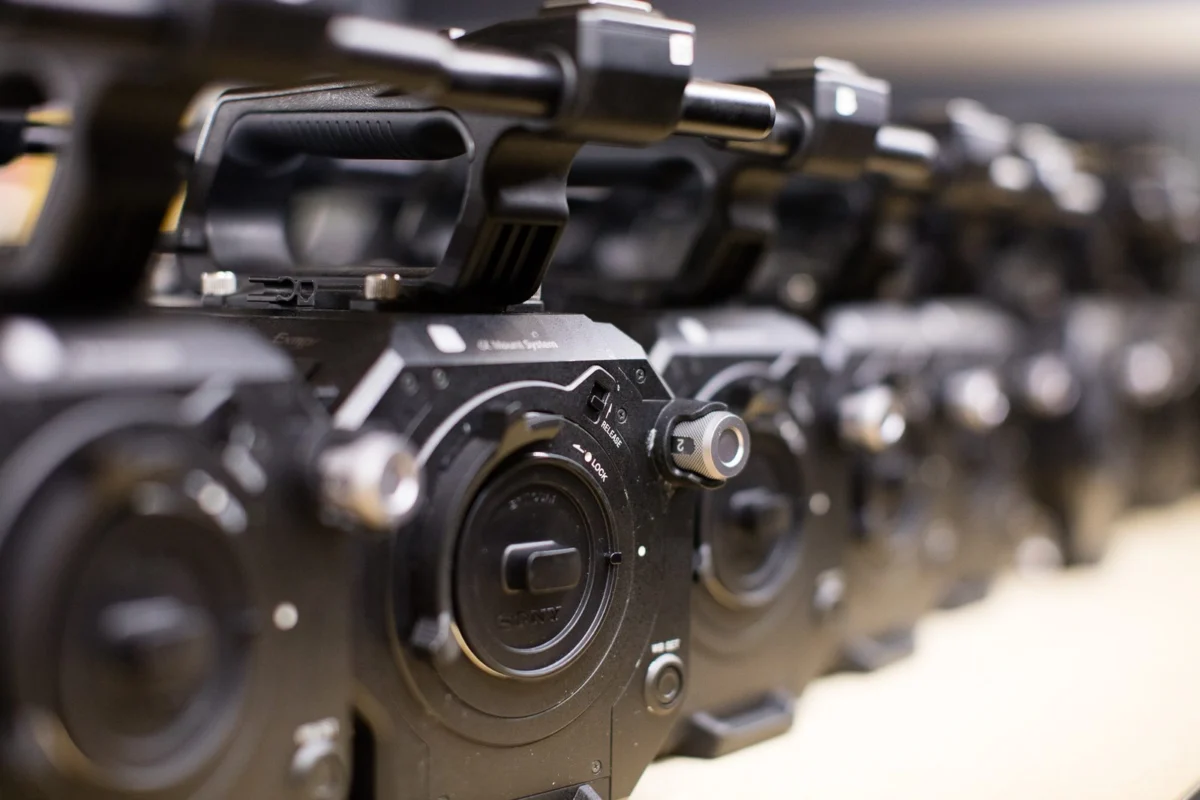
For over a century, the art of motion pictures has evolved through countless technological innovations and creative expressions, yet the absence of universal technical standards has often led to inconsistencies in how content translates across diverse viewing platforms. In an era dominated by high-definition displays and streaming services, ensuring a consistent, high-quality viewing experience has become paramount, leading major content distributors like Netflix to establish stringent technical guidelines for the productions they commission and acquire. These "Netflix Approved" camera requirements, while sometimes viewed as a constraint on artistic freedom or a barrier for lower-budget projects, are fundamentally designed to elevate industry benchmarks for image quality, thereby guaranteeing that content meets contemporary audience expectations for visual fidelity.
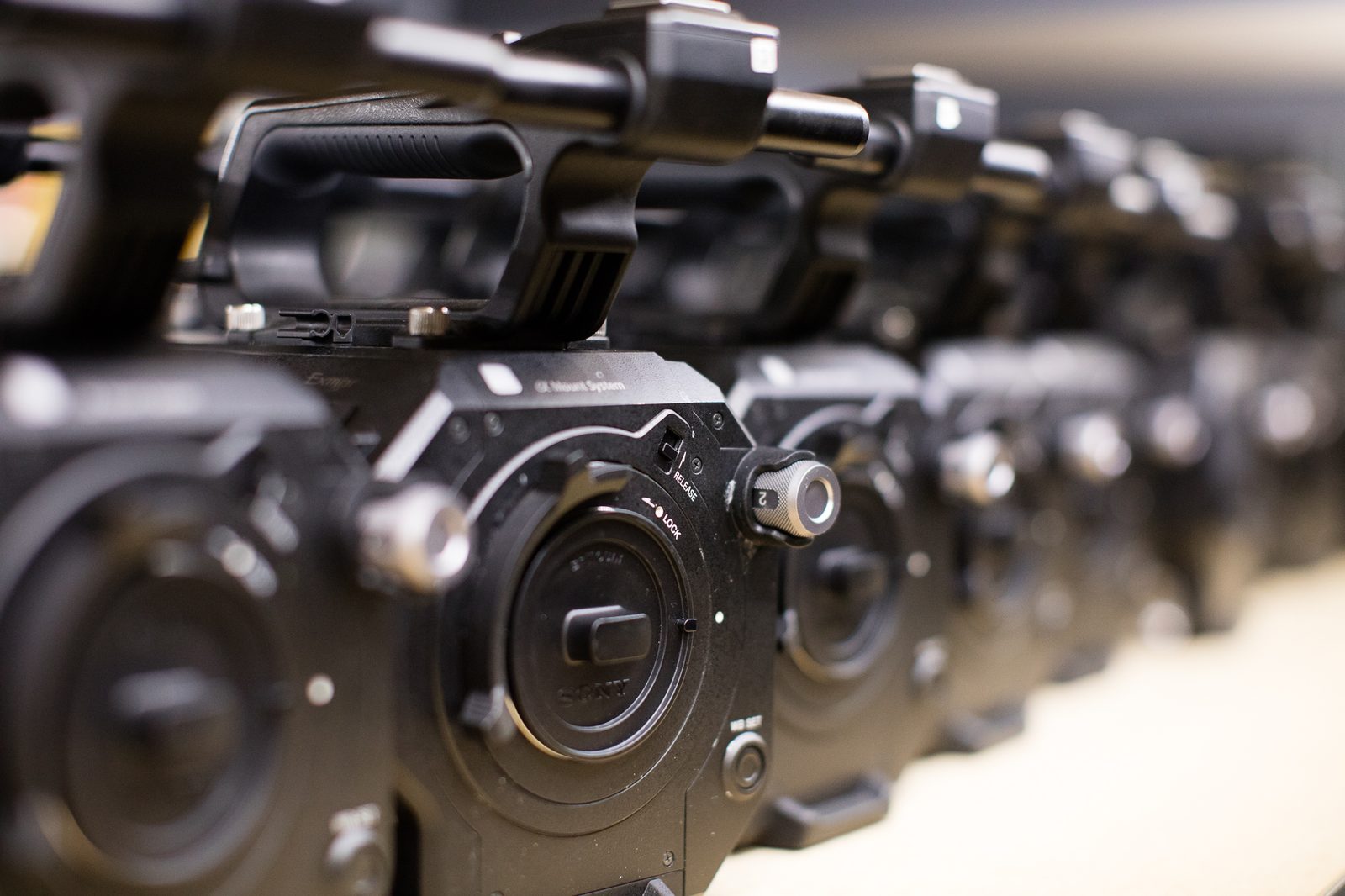
The proliferation of streaming platforms and the global accessibility of content have intensified the demand for technical uniformity. Viewers accustomed to pristine 4K and HDR on their modern televisions and mobile devices expect nothing less from professional productions. Netflix, as a leading global streamer, has taken a proactive stance by outlining seven specific capture standards that cameras must adhere to for a project to be considered "Netflix Approved." These standards aim to future-proof content, streamline post-production workflows, and ensure a consistently premium visual experience, regardless of the viewer’s device or location. The intention is clear: to prevent the distribution of content that falls below a certain quality threshold, such as the widely deprecated 480p resolution, which would detract significantly from the overall viewing experience.
The Evolution of Production Standards and Netflix’s Role
Historically, the film and television industries developed standards primarily for theatrical exhibition and broadcast television. Organizations like the Society of Motion Picture and Television Engineers (SMPTE) and Digital Cinema Initiatives (DCI) set benchmarks for aspects like resolution, color space, and frame rates. However, the advent of digital cinema cameras and, more significantly, the rise of streaming services, introduced new complexities. Content no longer just played on a handful of standardized projectors or broadcast chains but was delivered to a vast array of devices – from smartphones to 8K HDR televisions, each with different capabilities and display characteristics. This fragmentation necessitated a new approach to quality control.
Netflix’s move to standardize camera requirements began to solidify around the mid-2010s, as the company ramped up its original content production. The goal was not just to ensure technical quality but also to facilitate efficient global delivery and archival integrity. By stipulating minimum technical specifications, Netflix sought to ensure that all its original content, whether produced in Hollywood, Mumbai, or Seoul, could be uniformly processed, graded for various display formats (like SDR and HDR), and distributed worldwide without significant technical hurdles or compromises in visual quality. This initiative has, in effect, created a de facto industry benchmark that many other platforms and production companies are now considering or adopting.
The Seven Pillars of Netflix Approval
The "Netflix Approved" list is a dynamic registry of cameras that meet these specific technical criteria, which are regularly updated to reflect advancements in camera technology and evolving display standards. Understanding these seven requirements is crucial for filmmakers and production houses aiming to partner with the streaming giant.
1. Resolution: The Foundation of Visual Fidelity
The most fundamental requirement addresses image resolution: a "minimum of 3840 photosite capture width (Spherical)." For standard 16:9 aspect ratio productions, this translates directly to 3840 x 2160 pixels, commonly known as Ultra High Definition (UHD) 4K. While many high-end productions already shoot at resolutions far exceeding this — often 6K, 8K, or even higher — 4K serves as the absolute baseline. This minimum ensures that content can be displayed natively on the vast majority of modern consumer televisions and screens, which are predominantly 4K. It also provides sufficient resolution for reframing, digital stabilization, and visual effects work in post-production without significant loss of detail.
The requirement for anamorphic lenses presents a critical nuance. Anamorphic lenses optically "squeeze" a wider field of view onto a sensor, which is then "de-squeezed" in post-production to achieve cinematic widescreen aspect ratios like 2.39:1. Because this process inherently involves stretching the image horizontally, anamorphic projects necessitate a higher native horizontal resolution from the camera sensor to maintain equivalent image clarity after de-squeezing. Consequently, not all cameras capable of spherical 4K capture are approved for anamorphic workflows, as their sensor architecture might not provide the necessary horizontal pixel count to deliver a pristine 4K equivalent after the de-squeeze process. Netflix provides a specific guide for cameras approved for anamorphic capture, highlighting the specialized nature of this requirement.
2. Codec: Preserving Image Integrity
Codec requirements are critical for preserving the integrity and flexibility of image data from capture through post-production. Netflix mandates "lightly compressed or uncompressed RAW" or "intra-frame based codec with 4:2:2 chroma sub-sampling or greater." These specifications address how image data is encoded and stored.
RAW footage captures the unprocessed data directly from the camera sensor, offering the maximum possible flexibility for color grading, exposure adjustments, and visual effects. While "true" uncompressed RAW can result in astronomically large file sizes, most professional cameras employ various forms of compressed RAW (e.g., REDCODE RAW, Canon Cinema RAW Light, ProRes RAW). These formats ingeniously balance the benefits of RAW flexibility with more manageable file sizes, making them practical for large-scale productions. They retain a significant amount of the sensor’s original data, allowing for extensive manipulation in post-production without introducing artifacts.
Alternatively, an intra-frame-based codec with 4:2:2 chroma subsampling or greater is acceptable. Intra-frame codecs compress each frame individually, unlike inter-frame codecs (like those used in consumer video) which compress across multiple frames, leading to greater data loss during editing. The "4:2:2 chroma subsampling" refers to how color information is stored relative to luminance (brightness) information. In a 4:2:2 scheme, for every four pixels of luminance data, there are two pixels of chroma (color) data horizontally and two vertically. This retains significantly more color information than 4:2:0 (common in consumer codecs), which is vital for professional color grading, visual effects, and green screen work, ensuring smooth color transitions and robust keying capabilities.
3. Bit Depth: The Spectrum of Color
Netflix requires a color bit depth of "10-bit or greater." Bit depth determines the number of distinct color tones a camera can record for each primary color channel (red, green, blue). A 10-bit color depth means that each channel can represent 1,024 shades, totaling over 1.07 billion possible colors per pixel (1024 x 1024 x 1024). This is a dramatic increase compared to 8-bit color, which offers only 256 shades per channel, or 16.7 million colors.
The significance of 10-bit color is profound for several reasons. Firstly, it drastically reduces the likelihood of "banding," which appears as visible, stair-stepping lines in areas of subtle color gradients (e.g., a clear blue sky or a gently lit wall). Secondly, 10-bit color is a foundational requirement for High Dynamic Range (HDR) content. HDR expands the range of brightness and color that can be displayed, delivering richer, more vibrant colors, higher peak brightness, and deeper blacks. Without 10-bit color, the subtle gradations necessary for a compelling HDR image would be impossible to capture and reproduce accurately, leading to a flatter, less immersive viewing experience.
4. Data Rate: Ensuring Uncompromised Quality
The minimum data rate stipulated is "240Mbps at 24FPS." The data rate, often measured in megabits per second (Mbps), indicates the amount of information recorded per second. A higher data rate generally correlates with higher image quality, as more data is retained, reducing compression artifacts. This requirement is closely tied to the resolution, codec, and bit depth standards.
If a production is already meeting the minimum 4K resolution, using a RAW or 4:2:2 intra-frame codec, and capturing at 10-bit color depth, it is almost certain to exceed the 240Mbps data rate. This specification acts as a safeguard, ensuring that even with the approved codecs, sufficient data is being recorded to maintain the desired level of visual quality. A robust data rate is crucial for capturing fast-moving action, intricate details, and complex visual effects without introducing undesirable motion artifacts or blockiness, particularly when content is destined for high-resolution displays.
5. Color Space & Transfer Function: Capturing Reality’s Full Range
These two interconnected requirements are crucial for capturing and preserving the widest possible dynamic range and color gamut, ensuring flexibility in post-production.
-
Scene-referred Color Space: Netflix mandates the use of a "Scene-referred Color Space" (e.g., S.Gamut3, ALEXA Wide Gamut, REDWideGamut). A scene-referred color space is a mathematical model that describes colors as they exist in the real world, independent of any specific display device. It is designed to be much wider than typical display color spaces (like Rec. 709, used for standard definition and HD television), allowing cameras to capture a broader spectrum of colors and light values. This provides a "digital negative" that holds maximum color information, which can then be precisely mapped to various display color spaces (e.g., DCI-P3 for cinema, Rec. 2020 for HDR) during color grading, without clipping or losing information.
-
Scene-referred Transfer Function: Similarly, a "Scene-referred Transfer Function" (e.g., Slog3, Log C, Log3G10, VLog) is required. These are often referred to as "log profiles." A transfer function describes how light intensity is converted into digital values. Standard video (Rec. 709) uses a gamma curve that compresses highlights and expands shadows, suitable for direct display. Log profiles, however, capture a much wider dynamic range by recording more detail in both the brightest highlights and darkest shadows in a compressed, logarithmic fashion. This results in a flatter, desaturated image directly out of the camera, but it retains significantly more information, providing immense flexibility for colorists to sculpt the image, recover details, and create the desired look in post-production, especially critical for HDR mastering.
Together, a wide scene-referred color space and a log transfer function ensure that the raw camera footage contains the richest possible visual information, offering the best starting point for a high-quality, creatively flexible post-production workflow.
6. Timecode: The Backbone of Production Workflow
The final technical requirement for Netflix approval pertains to timecode: the "System is capable of jamming to an external source" and "Timecode should be written as metadata." Timecode is a sequence of numerical codes generated at regular intervals to identify individual frames of video or audio. It is absolutely essential for synchronizing multiple cameras, external audio recorders, and other production elements.
On large-scale productions, multiple cameras might be shooting simultaneously, often with separate audio recording devices. Accurate, synchronized timecode allows editors to quickly align all these disparate elements in post-production. "Jamming to an external source" means the camera can receive and synchronize its internal timecode generator with an external master clock, ensuring all devices on set are perfectly in sync. Writing timecode as metadata means it’s embedded within the video file, making it easily accessible for editing software. While Netflix admits some leniency for non-fiction documentary projects where capturing every moment might take precedence over perfect synchronization, robust timecode management is considered a best practice for organized, efficient, and professional productions of all scales. For cameras lacking built-in timecode functionality, external devices like Tentacle Sync provide a practical solution for meeting this standard.
Industry Reactions and Broader Implications
Netflix’s strict camera requirements have sparked considerable discussion within the filmmaking community. On one hand, some filmmakers and cinematographers express concerns about potential limitations on creative freedom, particularly for those who might wish to employ vintage cameras, specialized formats like Super 8mm, or intentionally lower-fidelity aesthetics for artistic reasons. Budgetary constraints are also a factor, as Netflix-approved cameras and the associated workflow (storage, processing power) often represent a significant investment. Independent filmmakers, in particular, may find these technical barriers challenging to overcome without substantial financial backing.
However, the benefits of these standards are widely acknowledged across the industry. Post-production houses, colorists, and visual effects artists appreciate the consistency of incoming footage, which streamlines their workflows and ensures they are working with high-quality source material. Camera manufacturers have also adapted, with many now explicitly marketing their products as "Netflix Approved," indicating a significant market driver for technological innovation. For Netflix itself, these standards guarantee a consistently high-quality catalog, reinforcing its brand as a premium content provider and ensuring that its original productions are future-proofed against evolving display technologies.
Ultimately, these standards contribute to a higher overall bar for content quality in the streaming era. They push filmmakers and production companies to adopt modern, high-fidelity capture techniques, which benefits the end-viewer with a more immersive and visually stunning experience. While the debate over creative freedom versus technical necessity continues, Netflix’s influence has undeniably shaped the expectations and practices of digital cinema production, moving the industry towards a more standardized, high-resolution, and high-dynamic-range future. The ongoing evolution of these guidelines will continue to be a significant factor in how content is created and consumed globally.