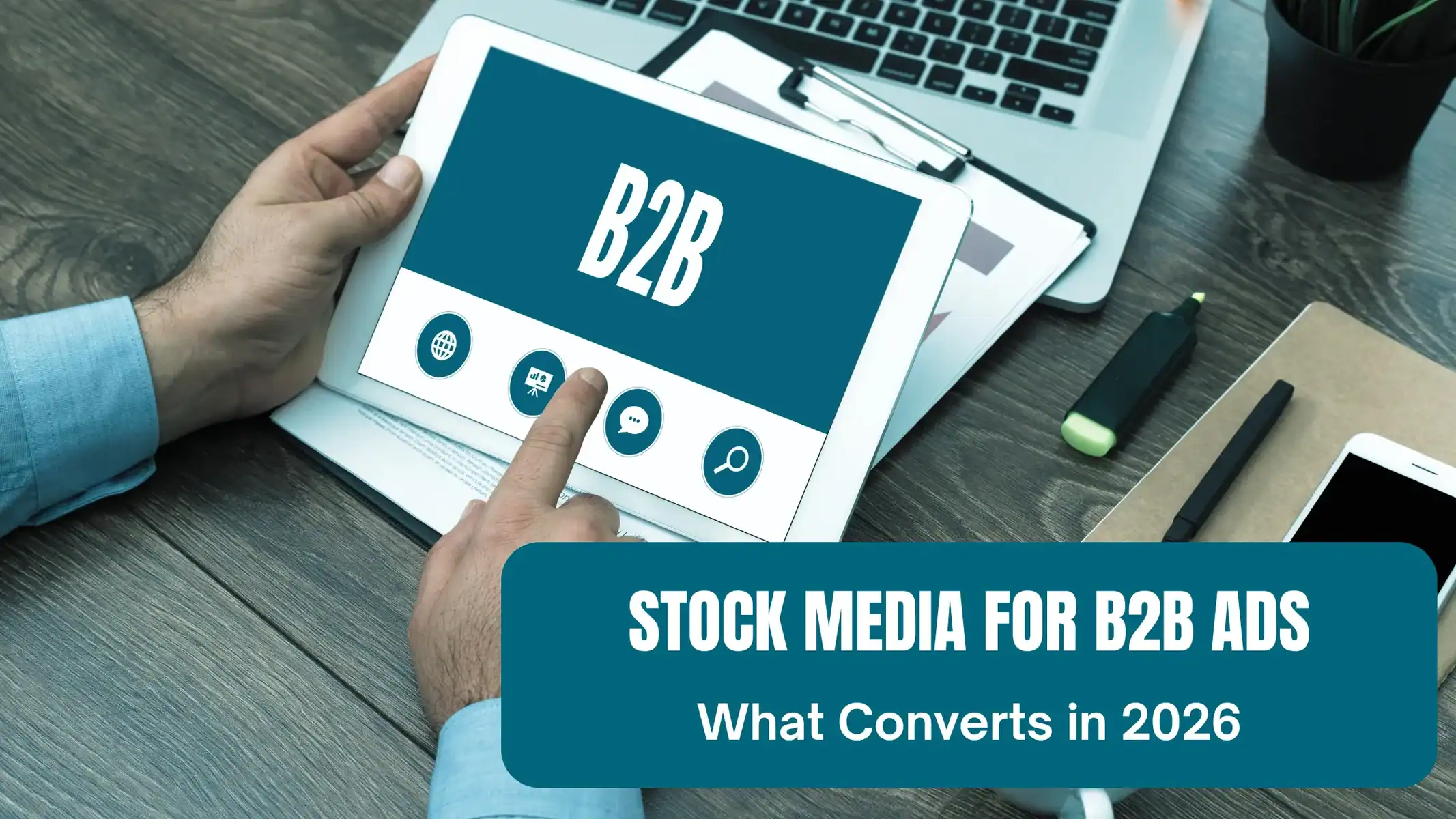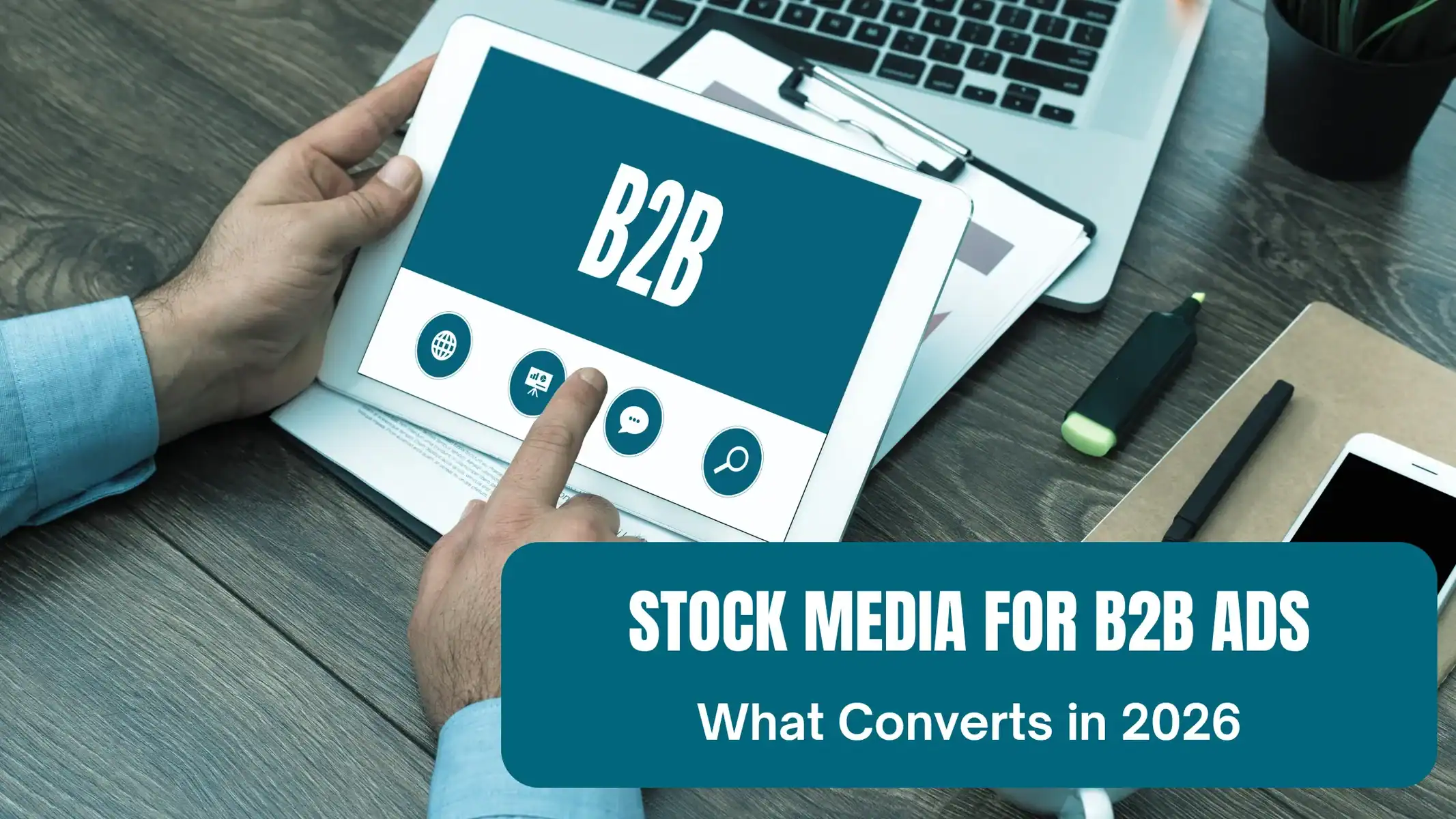
The landscape of business-to-business (B2B) digital marketing has undergone a radical transformation over the last decade, culminating in a 2026 environment where video is no longer a secondary asset but the primary engine of lead generation and brand authority. As professional buyers navigate an increasingly saturated digital marketplace, the efficacy of traditional static advertisements has dwindled, replaced by a demand for high-velocity, authentic, and platform-optimized video content. Current industry data suggests that by 2026, over 82% of all B2B internet traffic is driven by video, forcing marketing departments to reconsider their production workflows. The challenge for modern brands lies in balancing the need for high-quality visual storytelling with the fiscal and temporal constraints of a rapid-response market. Consequently, the strategic use of premium stock media, specifically through high-tier libraries like Shutterstock, has emerged as the definitive solution for driving conversions in a high-stakes corporate environment.
The Shift Toward Performance-First B2B Marketing
In the early 2020s, B2B marketing was often characterized by long-form white papers and static LinkedIn banners. However, a chronology of the sector’s evolution reveals a steady migration toward video. By 2023, the rise of "edutainment" on platforms like TikTok and Instagram Reels began to bleed into the professional sphere. By 2026, the "C-suite attention span" has reached an all-time low, with decision-makers spending an average of less than three seconds on an ad before deciding to engage or scroll.
This shift has redefined what constitutes a "successful" visual. In previous eras, perfection was the goal—glossy, over-produced corporate videos that took months to film and edit. In 2026, the market prioritizes performance over perfection. High-converting ads are now those that deliver immediate value, signal transparency, and solve a specific pain point within the first five seconds. This "Performance-First" mindset leverages stock media not as a shortcut, but as a strategic asset that allows for the rapid testing and iteration of messaging across diverse demographics.
The AI Trust Deficit and the Return to Authenticity
A critical factor shaping the 2026 B2B landscape is the ubiquity of Artificial Intelligence. While generative AI has made content creation easier, it has also flooded the internet with synthetic media that often suffers from the "uncanny valley" effect—visuals that look almost human but feel fundamentally "off." For B2B brands, where trust is the primary currency, this has created a unique challenge.
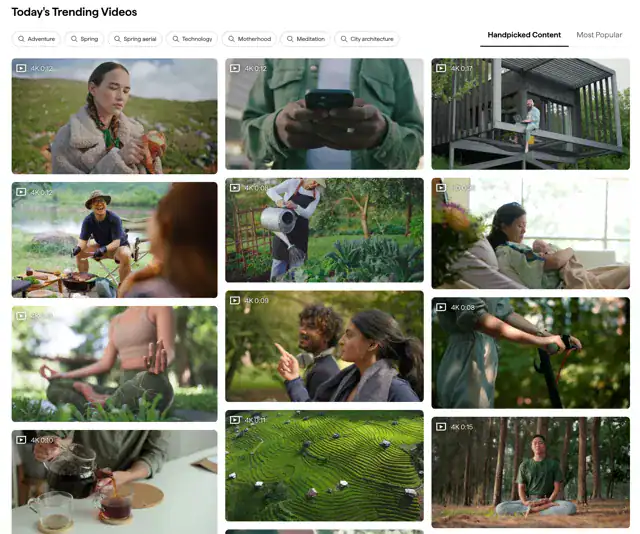
Market analysts observe that in 2026, authenticity has become a premium trust signal. Buyers are increasingly skeptical of purely AI-generated spokespeople or environments. They gravitate toward "human-centric" visuals—real people in real office settings, authentic interactions, and candid lifestyle clips. Stock media libraries like Shutterstock have responded to this by curating collections that emphasize "User-Generated Content (UGC) styles." These are professionally filmed clips that retain a raw, relatable aesthetic. By utilizing these authentic stock assets, B2B brands can bypass the skepticism associated with synthetic media while maintaining the professional quality required for enterprise-level campaigns.

Strategic Framework: What Drives B2B Conversions in 2026?
To understand why certain B2B video ads succeed while others fail, it is necessary to examine the core traits shared by high-performing campaigns. Based on conversion data from the first half of 2026, three pillars have emerged as essential for B2B success:
1. Trust Over Aesthetics
While high resolution (4K and 8K) is a standard expectation, the visual’s ability to build trust is the actual driver of ROI. Ads that feature realistic business scenarios—such as a diverse team collaborating in a modern workspace or a technician solving a complex logistics problem—perform 40% better than abstract or overly metaphorical visuals. The goal is to provide a "mirror" for the client, allowing them to see their own challenges and potential solutions reflected in the ad.
2. Platform-Specific Optimization
The "one-size-fits-all" video ad is a relic of the past. In 2026, B2B buyers interact with brands across a fragmented ecosystem of platforms, each requiring a specific technical and creative approach.
- Meta Ads (Facebook/Instagram): Success here depends on "thumb-stopping" vertical content. The most effective ads use candid, lifestyle-oriented stock clips that blend seamlessly into a user’s personal feed.
- YouTube Ads: This platform remains the king of long-form intent. High-converting YouTube ads utilize scenario-based storytelling, often starting with a clear problem statement visualized through high-quality stock footage.
- Short-Form Campaigns (TikTok/Reels/Shorts): These require high-energy, fast-paced edits. Stock footage is essential here for the "iteration" phase, allowing brands to test ten different hooks for the same product in a single week.
3. Operational Velocity
The speed at which a marketing team can move from a concept to a live ad is now a competitive advantage. In a world where industry trends can change in a matter of days, waiting weeks for a custom film crew is often a liability. Stock media provides "Operational Velocity," enabling teams to scale campaigns in real-time. This agility allows brands to react to market shifts, competitor moves, or global events with professional-grade video content within hours.
The Role of Shutterstock in the B2B Content Lifecycle
As a primary visual content partner, Shutterstock has positioned itself as more than just a repository of images. In 2026, it serves as an integrated creative suite that addresses the specific bottlenecks of B2B production.
Library Depth and Pre-Formatted Assets
One of the most significant hurdles in multi-channel marketing is formatting. Shutterstock’s 2026 library features millions of clips pre-formatted for vertical, square, and horizontal orientations. This eliminates the need for complex cropping and re-editing, allowing creative teams to download assets that are ready for immediate deployment on LinkedIn, Instagram, or YouTube. Furthermore, the compositions are curated to leave "comfortable room" for text overlays and calls-to-action (CTAs), which are critical for B2B conversion.

Licensing Clarity and Legal Security
Perhaps the most overlooked bottleneck in B2B marketing is legal uncertainty. As copyright laws and AI-usage regulations have tightened globally through 2025 and 2026, the risk of using unlicensed or improperly sourced content has skyrocketed. For enterprise-level brands, a single copyright infringement claim can result in millions of dollars in damages and severe reputational harm.
Shutterstock provides a "Legal Safety Net" through clear, comprehensive licensing. Their commercial-grade licenses include:
- Model and Property Releases: Ensuring that every face and building in a clip is legally cleared for commercial use.
- Indemnification: Providing brands with financial protection against potential legal claims.
- Global Usage Rights: Allowing B2B companies to run campaigns across different regions without worrying about localized copyright restrictions.
Chronology of B2B Video Evolution: 2020–2026
- 2020–2021 (The Pandemic Pivot): B2B brands move to video out of necessity as trade shows disappear. Content is mostly Zoom-based or "do-it-yourself" (DIY).
- 2022–2023 (The Social Professional): LinkedIn introduces more robust video features. B2B brands begin experimenting with "TikTok-style" content.
- 2024 (The Quality Surge): Buyers become fatigued with low-quality DIY content. There is a shift back toward professional production values, but with a focus on "realism."
- 2025 (The AI Integration): AI tools for editing and scriptwriting become mainstream. The market is flooded with content, leading to a "trust crisis."
- 2026 (The Authenticity Era): High-quality, human-centric stock media becomes the gold standard. The focus is on legal safety, platform optimization, and rapid iteration.
Fact-Based Analysis: Why Stock Media Outperforms Custom Shoots in 2026
While custom footage will always have a place for specific "hero" brand films, the day-to-day conversion-driven ads are increasingly dominated by stock. The reasons are largely economic and data-driven:
- Cost Efficiency: A custom two-day video shoot can cost upwards of $20,000–$50,000, producing content for maybe three to five ads. For the same price, a brand can access thousands of stock clips, enabling them to produce hundreds of ad variations.
- Testing and Learning: In 2026, B2B marketing is a science. Success comes from A/B testing different backgrounds, actors, and scenarios. Stock media makes this level of granular testing financially viable.
- Consistency: Premium libraries ensure a consistent technical standard. Mixing custom footage with high-quality stock allows for a "seamless" brand experience that doesn’t distract the viewer with varying frame rates or lighting qualities.
Official Responses and Industry Sentiment
Industry leaders across the SaaS and FinTech sectors have echoed the need for "agile visual storytelling." A recent survey of CMOs at top B2B firms indicated that 74% plan to increase their budget for stock media in the coming fiscal year. The consensus is that in a high-speed digital economy, the "Creative Director" of 2026 is less of a filmmaker and more of a "Curator and Editor," piecing together high-quality assets to tell a compelling, data-backed story.
Broader Impact and Future Implications
The reliance on stock media to drive B2B conversions in 2026 has broader implications for the creative economy. It has forced stock agencies to become more inclusive, diverse, and realistic in their offerings. The "cheesy" corporate handshake of the 2010s is gone, replaced by visuals that reflect the modern, global, and often remote-first nature of 2026 business.
Looking forward, the integration of ethical AI tools within these libraries will likely further streamline the process. For now, the most successful B2B brands are those that recognize the power of "Performance over Perfection." By leveraging the depth, legality, and authenticity of Shutterstock’s media, these companies are not just making ads; they are building trust-based relationships with their clients in the most efficient way possible. In 2026, the brands that win are the ones that can tell a human story at the speed of the internet.