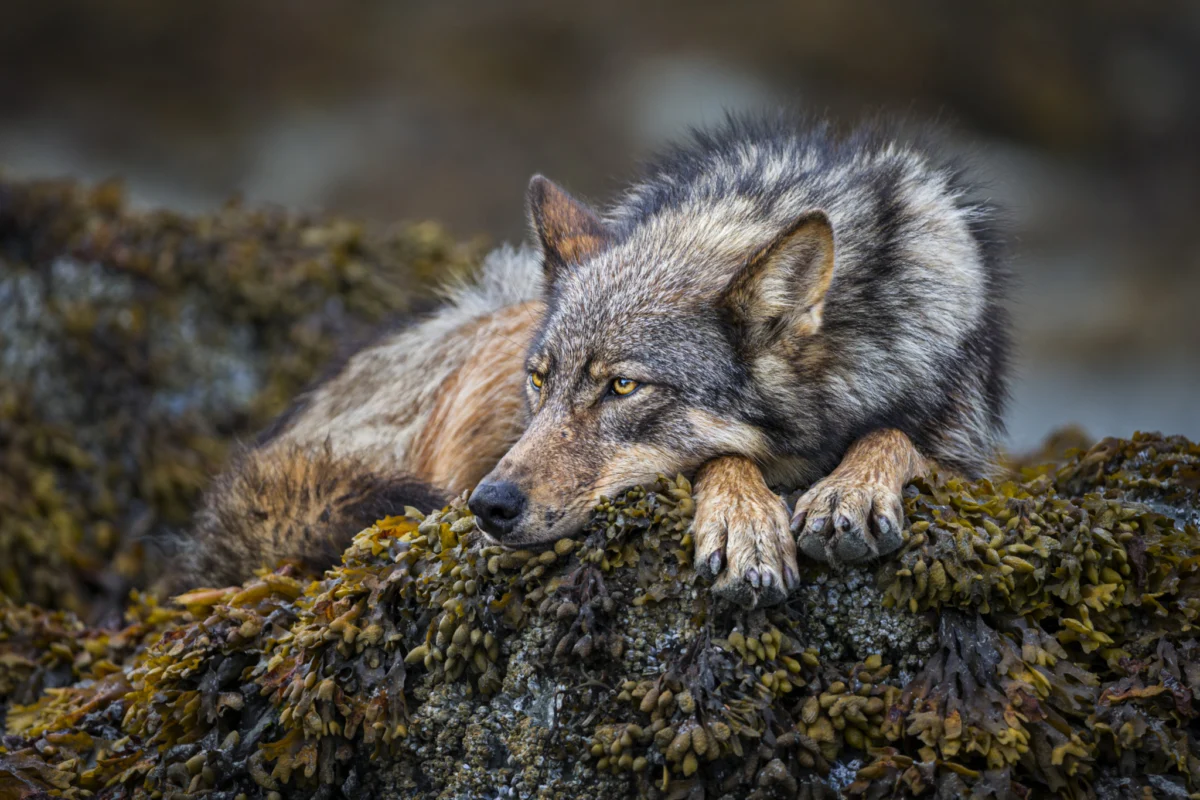
Thirty years ago, a lone individual embarked on a profound solo expedition into the Canadian Barren Grounds, a vast and sparsely populated region situated approximately 300 miles north of the Arctic Circle. This journey, spanning three months, involved traversing over 600 miles on foot and navigating more than 2,000 miles by canoe. The primary objective, as stated by the adventurer, was to test personal limits and confirm self-reliance in an unforgiving wilderness. However, a significant secondary goal was to document tundra wolves in their natural habitat. After weeks of diligent observation and considerable effort yielded no sightings, a breakthrough occurred. What initially appeared to be a greyish, inanimate rock nestled among lupine plants revealed itself to be a wolf. Through meticulous, low-profile observation, crawling for an extended period, the observer finally glimpsed the distinctive features of a lone wolf: tawny eyes, alert ears, and a silver-hued face peering through the dense willow vegetation.
This formative encounter marked the beginning of a deeper engagement with wolves. Over subsequent years, the individual reported numerous further encounters, including moments of close proximity to relaxed wolf packs. These interactions, as described, were characterized by an "intensive course in patience," highlighting the slow and deliberate process of earning the animals’ trust. The inherent nature of wolves is described as shy and highly cautious, with a natural inclination to avoid human contact. Documented instances of wolf attacks on humans are exceptionally rare, with only a handful recorded across North America in the last century. Despite this factual rarity, the archetypal image of the "big bad wolf" remains deeply ingrained in Western culture, perpetuated through fiction, film, and ancient folklore. This enduring narrative, it is argued, taps into a human fascination with fear.
The persistence of these fictional portrayals, while often recognized as such by adults, contributes to a lingering, albeit often subconscious, fear of wolves. Fairy tales like "Little Red Riding Hood," seemingly innocuous, are presented as examples of narratives that, in the context of declining biodiversity, can inadvertently contribute to a mischaracterization of these animals. As species populations diminish across the continent, the wolf, a natural predator, can become a convenient scapegoat for ecological imbalances.
When populations of prey species, such as deer, experience a decline, wolves are frequently among the first to be identified as the cause. This tendency, the author contends, overlooks the historical presence and ecological role of wolves in North America. Wolves have inhabited the continent for an estimated 30,000 to 50,000 years, predating the arrival of humans by tens of millennia. This deep temporal presence suggests a long-established integration into North American ecosystems.
In contrast to the perceived impact of wolves, the article posits that the devastation wrought by human activities such as road construction, deforestation, mining, and resource extraction has inflicted significantly greater harm on wildlife populations. Despite this disparity, a prevailing belief system persists that the solution to ecological restoration involves the control and elimination of certain species, particularly predators. Government-sanctioned wolf culls are described as a regular practice in wildlife management, occurring concurrently with continued corporate endeavors in oil dredging and copper mining. A specific example cited is the Canadian government’s commitment to a taxpayer-funded initiative to exterminate 4,000 wolves in British Columbia. The underlying argument is that until humanity accepts accountability for the extensive damage caused to natural landscapes by its own actions, the cycle of ecological mistakes will inevitably repeat.
The author expresses a hope that by sharing the natural beauty and intrinsic value of animals like wolves, a more profound understanding and appreciation of their ecological significance can be fostered. The act of villainizing predators that have historically maintained ecological equilibrium for millennia is seen as a direct contributor to escalating cycles of environmental destruction. Each species, regardless of its perceived threat or level of misunderstanding, is presented as playing a vital role in the planet’s biodiversity and overall beauty. The article concludes by emphasizing that a critical first step toward addressing the planet’s ecological crises and rectifying humanity’s relationship with nature lies in shifting focus from scapegoating to confronting the broader, systemic threats that genuinely endanger the natural world.
Background and Historical Context
The image of the wolf in human culture is a complex tapestry woven from millennia of co-existence, fear, admiration, and misunderstanding. Indigenous cultures across North America often held wolves in high regard, viewing them as powerful spiritual beings and integral components of the natural world, often embodying traits like intelligence, resilience, and family loyalty. These perspectives, however, were largely overshadowed by European folklore and early colonial attitudes that often characterized wolves as dangerous predators, threats to livestock, and symbols of the untamed, malevolent wilderness.
The Industrial Revolution and the subsequent expansion of human settlements across North America intensified this conflict. As agricultural practices expanded, wolves were increasingly perceived as direct competitors and threats to livestock, leading to widespread eradication campaigns. By the early 20th century, wolf populations had been decimated in many parts of the continent.
Ecological Role of Wolves
Wolves, as apex predators, play a critical role in maintaining the health and balance of ecosystems. Their presence influences the behavior and population dynamics of prey species, which in turn affects vegetation. For instance, studies have shown that in areas with healthy wolf populations, elk and deer are more dispersed and their grazing is less concentrated, allowing for the regeneration of vegetation along riverbanks and in forests. This has cascading positive effects on plant diversity, riparian habitats, and even the populations of smaller animals that depend on these plants.
The reintroduction of wolves into areas where they had been extirpated, such as Yellowstone National Park, has provided compelling evidence of their ecological importance. The return of wolves led to a decrease in the elk population, which in turn allowed willow and aspen trees to recover. This recovery stabilized riverbanks, improved habitat for beavers, and increased biodiversity.
The Persistence of Misinformation
Despite scientific evidence highlighting the ecological benefits of wolves, the "big bad wolf" narrative continues to hold sway in public perception. This is partly due to the powerful emotional resonance of classic fairy tales and the media’s tendency to sensationalize rare negative encounters. Furthermore, economic pressures, particularly from the livestock industry, often fuel arguments for wolf control.
Data and Statistics on Wolf Populations and Conflicts
- Historical Range: Historically, wolves occupied nearly all of North America. Today, their range is significantly reduced.
- Population Estimates: While precise numbers are difficult to ascertain, estimates suggest that North American wolf populations have recovered to some extent in certain regions due to conservation efforts and reintroduction programs. However, they remain vulnerable in many areas.
- Livestock Predation: While wolf predation on livestock does occur, studies often indicate that it represents a small fraction of overall livestock losses, which are more commonly attributed to disease, accidents, and other causes. Data from states like Montana and Idaho, for example, typically show wolf predation accounting for less than 1% of annual livestock deaths.
- Human Attacks: As noted in the original text, documented unprovoked attacks by wolves on humans are exceedingly rare. When attacks do occur, they are often linked to factors such as habituation (wolves becoming accustomed to human presence and food sources), rabies, or defensive actions by wolves protecting their young or territory.
Wolf Culls and Management Policies
Wolf culling, often framed as wildlife management, is a contentious issue. Proponents argue it is necessary to protect livestock, manage game populations, and address public safety concerns. Opponents, including many wildlife biologists and conservationists, argue that these culls are often based on flawed assumptions, driven by emotional responses rather than scientific data, and can have detrimental effects on wolf populations and ecosystem health.
The Canadian government’s initiative in British Columbia, involving the planned extermination of 4,000 wolves, has drawn significant criticism. Conservation groups argue that this measure is disproportionate, potentially ineffective in achieving its stated goals (such as increasing caribou populations, which are also affected by habitat loss and other factors), and ignores the broader ecological role of wolves.
Analysis of Implications
The continued reliance on outdated narratives and the implementation of policies based on fear rather than ecological understanding have significant implications for conservation efforts. When wolves are perceived as villains, it becomes more challenging to garner public support for their protection and for the preservation of the vast wilderness areas they inhabit. This can lead to a perpetuation of human-wildlife conflict, hindering the recovery of both wolf populations and the ecosystems they help to sustain.
The article’s central thesis – that human activities are the primary drivers of ecological damage and that shifting blame to predators is a misdirection – underscores a critical challenge in environmental stewardship. The long-term health of our planet depends on a fundamental re-evaluation of our relationship with the natural world, moving from a paradigm of control and exploitation to one of co-existence and respect. Addressing systemic threats like habitat destruction, climate change, and unsustainable resource extraction is paramount. Only by acknowledging our species’ profound impact and taking responsibility for it can we hope to foster a truly sustainable future for all life on Earth.