The rapid democratization of video production, fueled by advanced camera technology in everything from smartphones to professional mirrorless systems, has opened up creative avenues for countless aspiring filmmakers, content creators, and hobbyists. As the barrier to entry lowers, however, a new set of challenges emerges for those transitioning from casual capture to more intentional, high-quality videography. Following our recent exploration of common pitfalls in still photography, this comprehensive guide delves into prevalent issues encountered when shooting video, offering practical solutions and a deeper understanding of the underlying principles. Producing compelling visual narratives requires not only creative vision but also a firm grasp of technical fundamentals, ensuring that the final output is both engaging and professional.
The Evolving Landscape of Modern Videography
The proliferation of digital platforms—from YouTube and TikTok to streaming services and corporate communication channels—has dramatically increased the demand for video content. This surge has, in turn, spurred innovation in camera technology, making sophisticated features like 4K recording, high frame rates, and advanced stabilization more accessible than ever before. However, the sheer volume of technical specifications and operational nuances can be daunting for beginners. The transition from merely recording moments to consciously crafting visual stories often highlights several recurring technical hurdles. Understanding these common problems and their effective remedies is paramount for anyone looking to elevate their videography skills from amateur experimentation to polished production.
Addressing the Foundation: Stability in Motion
The Pervasive Problem of Unsteady Shots
One of the most immediate and glaring issues that plagues novice videographers is undeniably shaky footage. The human body, despite our best efforts, is not a perfectly stable platform. Even subtle tremors, muscle fatigue, or minor shifts in balance can translate into noticeable camera shake, especially when capturing video. While handholding a camera might feel natural and liberating, it rarely yields the smooth, professional-grade results that viewers expect. The implications of shaky video extend beyond mere aesthetic preference; it can be incredibly distracting, making it difficult for the audience to focus on the subject matter, and in severe cases, it can even induce motion sickness, leading to a negative viewing experience. This physiological response underscores why stability is not just a nicety but a fundamental requirement for effective visual storytelling.
Technological Solutions for Enhanced Stability
The industry has responded to the challenge of camera shake with a diverse array of stabilization technologies, ranging from in-camera systems to sophisticated external hardware.
-
In-Camera Stabilization (OIS & IBIS): Many modern cameras, particularly mirrorless systems, incorporate built-in stabilization mechanisms. Optical Image Stabilization (OIS) typically involves movable lens elements that counteract camera movement, while In-Body Image Stabilization (IBIS) shifts the camera’s sensor. These technologies are highly effective for minor shakes and vibrations, particularly useful for still photography at slower shutter speeds or for slightly smoothing handheld video. However, their compensatory range is limited, and they often struggle with larger, more dynamic movements, especially when walking or running. For truly cinematic, fluid motion, external solutions become indispensable.
-
External Gimbals and Stabilizers: These devices represent the gold standard for achieving smooth, dynamic camera movements. Gimbals utilize brushless motors and sophisticated algorithms to counteract unwanted motion across three axes (pan, tilt, and roll), maintaining a level horizon and smooth tracking shots.
- Smartphone Gimbals: For those primarily shooting with their mobile devices, systems like the DJI Mobile offer an accessible entry point. These compact, lightweight gimbals significantly soften pans, tilts, and walking shots, transforming everyday phone footage into something far more polished without a substantial financial outlay. Other notable brands in this segment include Zhiyun and FeiyuTech, offering similar functionality and user-friendly interfaces. The market for smartphone gimbals has seen significant growth, reflecting the increasing professional use of mobile cameras.
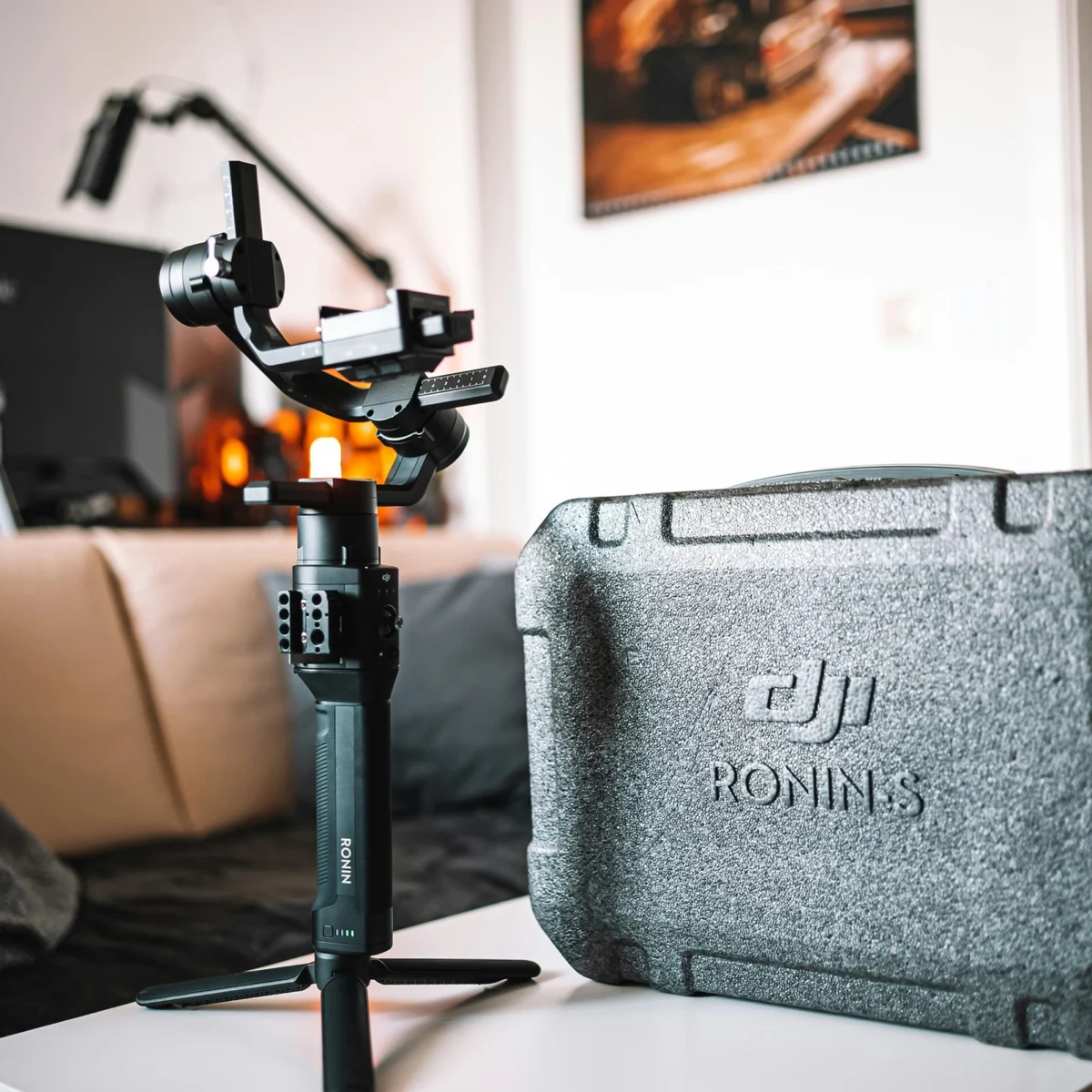
- Mirrorless and DSLR Gimbals: As videographers scale up to larger camera systems, the demand for more robust stabilization increases. The DJI Ronin-SC stands out as an affordable yet highly capable option for smaller mirrorless cameras, offering precise control and a lightweight design suitable for run-and-gun shooting. For heavier setups, typically those exceeding 4