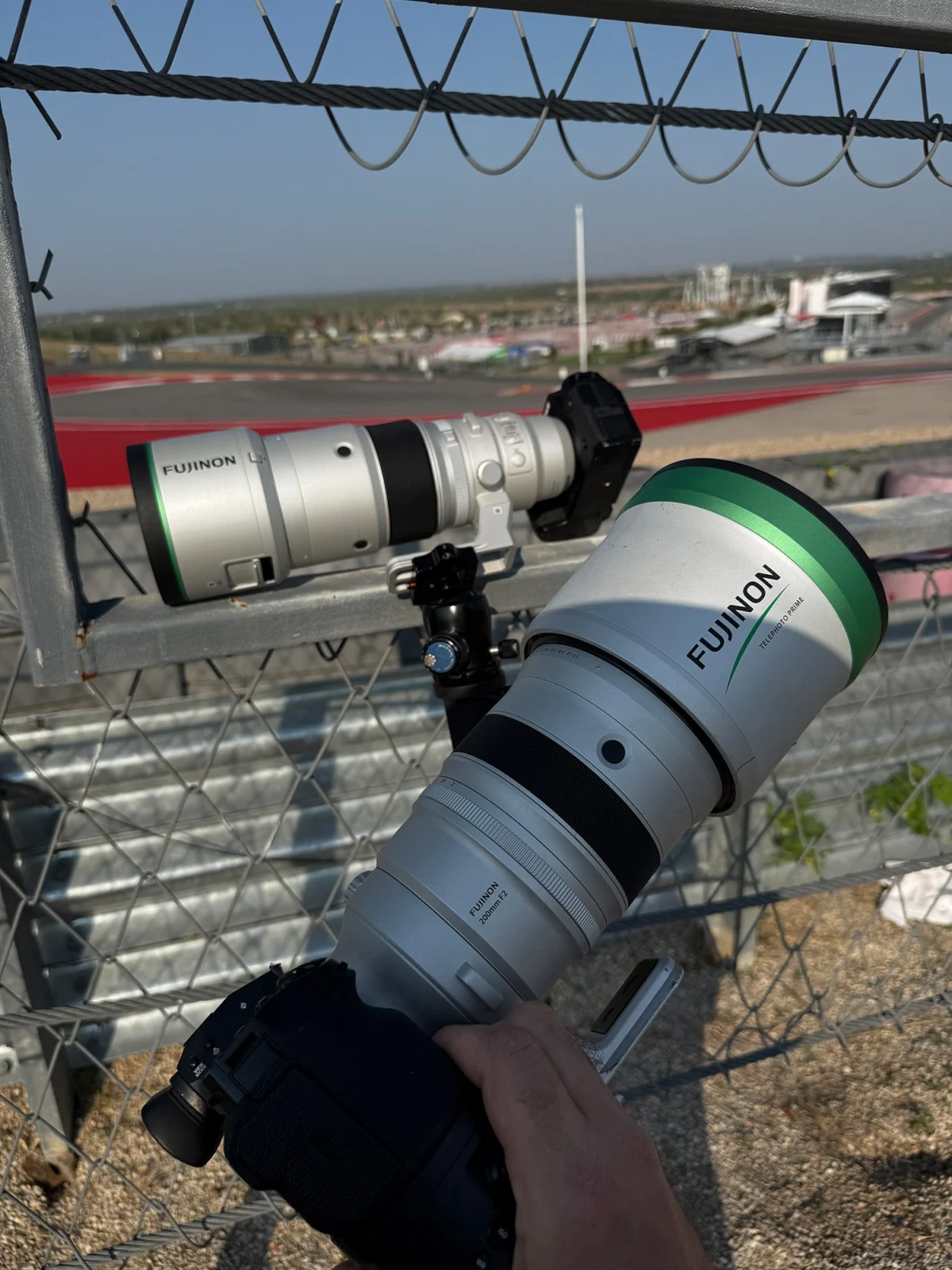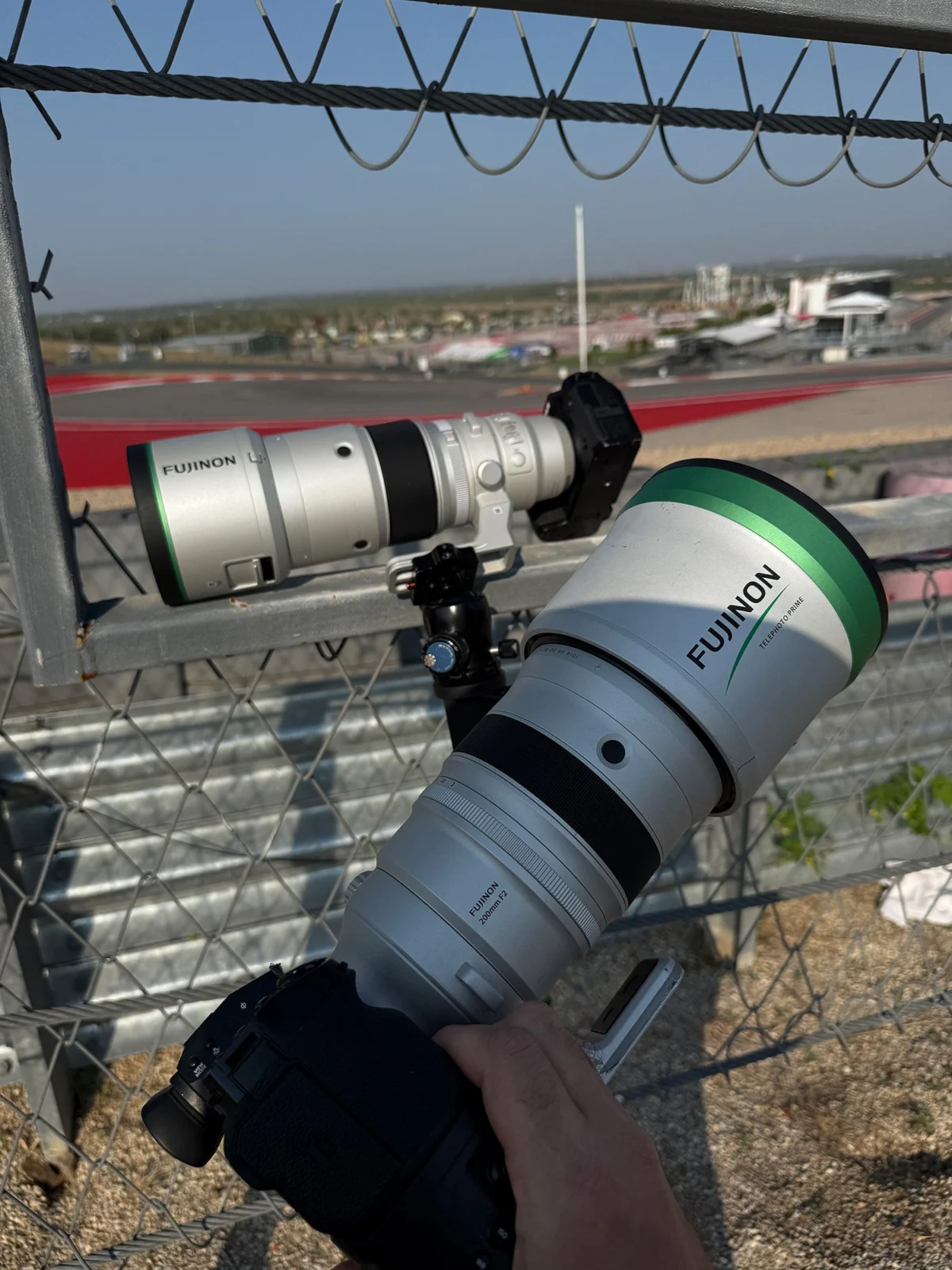
Over the past four years, the landscape of professional photography, particularly within the demanding realm of motorsports, has witnessed a notable shift towards specialized long lenses capable of managing extreme speed, vast distances, and rapidly fluctuating light conditions. While versatile zoom lenses such as the Fujifilm XF100–400mm f/4.5–5.6 R LM OIS WR have proven indispensable for their broad coverage and adaptability at venues like the Circuit of the Americas, the pursuit of uncompromising image quality and performance often necessitates a commitment to dedicated prime optics. This article delves into the Fujifilm XF200mm f/2 OIS WR, a lens that has not only redefined expectations for the Fujifilm X Series but also established itself as a benchmark for high-performance super-telephoto photography.
Fujifilm’s Strategic Entry into High-Performance Telephoto Primes
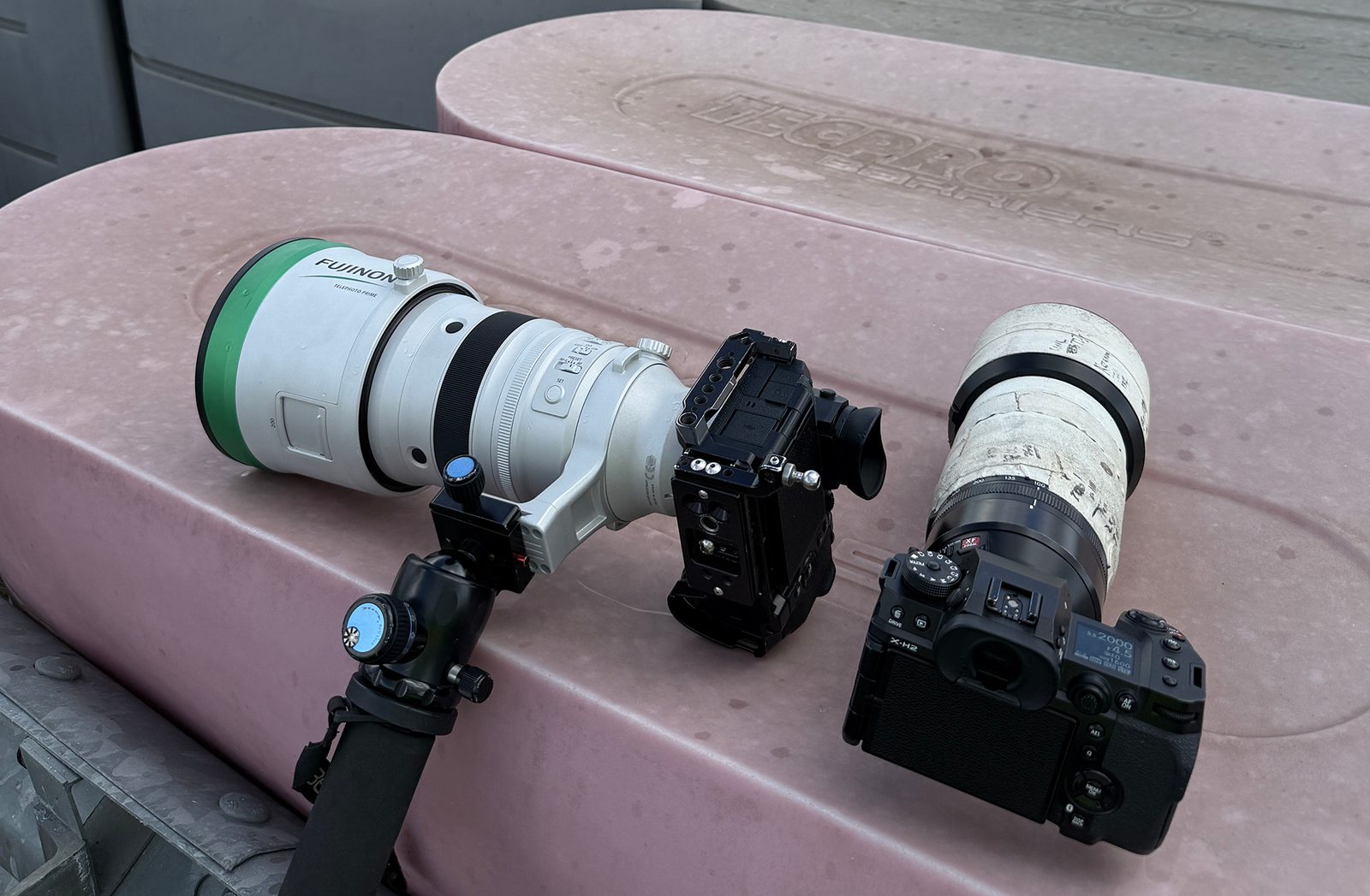
The introduction of the Fujifilm XF200mm f/2 OIS WR in July 2018 marked a significant statement from Fujifilm, signaling its serious intent to cater to the needs of professional photographers across demanding genres such as sports, wildlife, and commercial photography. Historically, super-telephoto prime lenses with wide apertures have been the exclusive domain of full-frame systems, often seen as the ultimate tools for capturing subjects at a distance with exquisite detail and profound background separation. Fujifilm’s decision to develop such a lens for its APS-C X-Mount system underscored a commitment to offering professional-grade solutions that leverage the benefits of a smaller sensor format, including potentially more compact and lighter bodies without sacrificing optical excellence. The XF200mm f/2 was positioned not merely as an alternative but as a top-tier contender, designed from the ground up to deliver unparalleled performance within its class.
Technical Prowess and Uncompromising Physical Design
The Fujifilm XF200mm f/2 OIS WR is a lens that commands attention, both for its formidable physical presence and its sophisticated optical engineering. Providing an angle of view equivalent to approximately 305mm on a full-frame system, it bridges the gap between traditional 300mm f/2.8 and 400mm f/2.8 lenses in terms of reach and light-gathering capability. Its versatility is further enhanced by the inclusion of a dedicated XF 1.4x TC WR teleconverter, which extends the focal length to a full-frame equivalent of roughly 427mm while maintaining an impressive maximum aperture of f/2.8. Crucially, extensive field testing indicates that the use of this teleconverter introduces no discernible degradation in optical performance or autofocus speed, a testament to its integrated design.
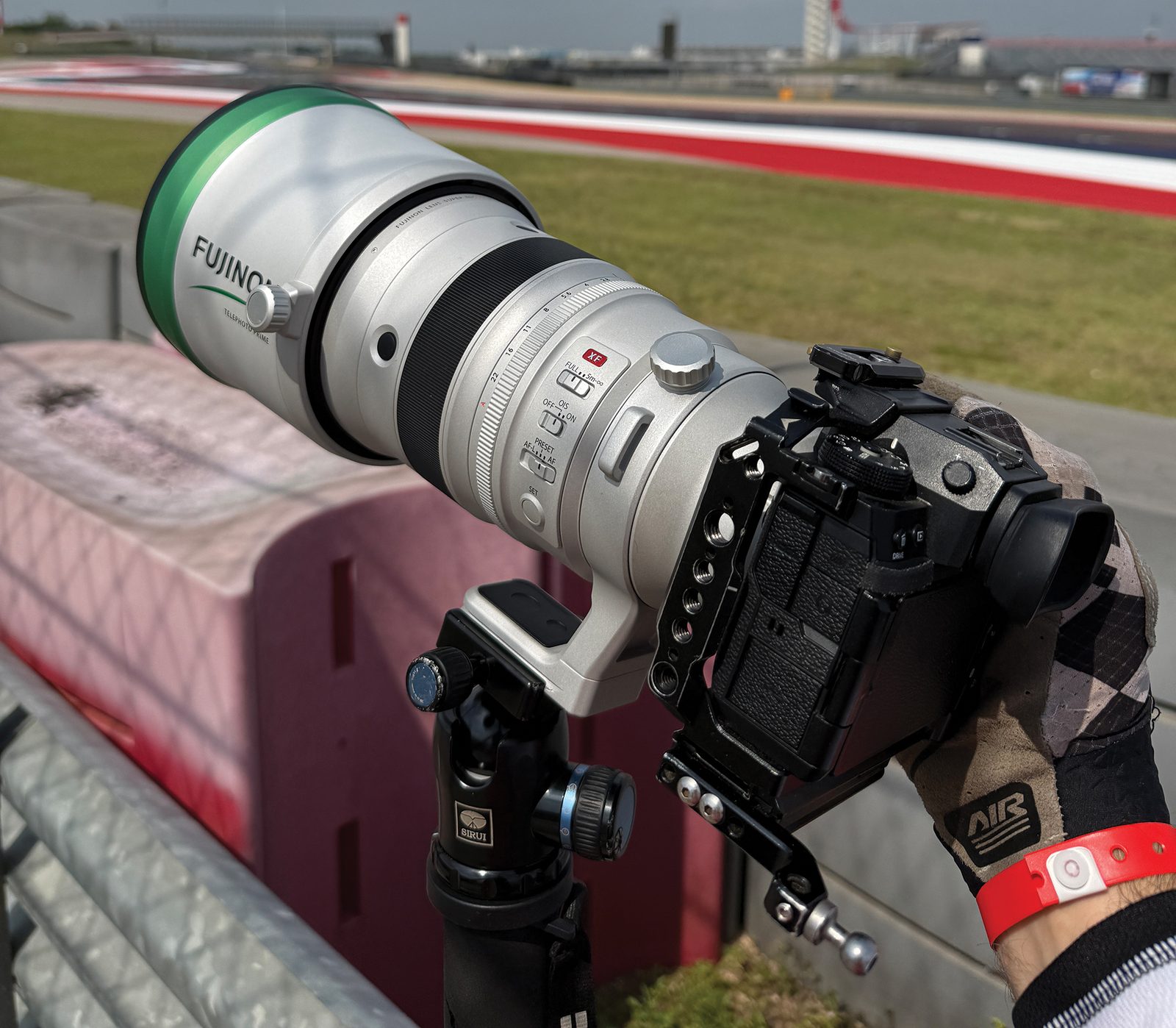
Constructed with a full-metal chassis, the XF200mm f/2 is designed for resilience in the most challenging environments. Its distinctive matte silver coating is not merely an aesthetic choice but a practical innovation; it significantly minimizes heat absorption, a critical factor during prolonged outdoor shoots in direct sunlight, thereby mitigating the risk of heat-induced image degradation. This attention to thermal management speaks to Fujifilm’s understanding of the real-world operational challenges faced by professional photographers.
Autofocus performance is driven by a twin linear motor system, engineered for both rapid acquisition and near-silent operation. This is paramount in sports photography, where instantaneous focus is required for fast-moving subjects and discreet operation is beneficial in sensitive environments. Complementing this is a highly effective optical image stabilization (OIS) system, rated at an impressive five stops. This stabilization is invaluable for handheld shooting, allowing photographers to capture sharp images at slower shutter speeds than would otherwise be possible, especially crucial when tracking subjects or working in diminishing light.
Optical Excellence: A No-Compromise Approach
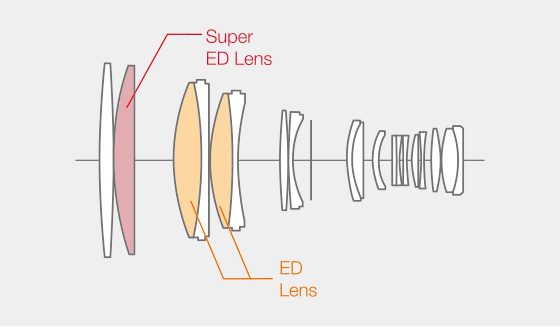
The optical formula of the XF200mm f/2 embodies a no-compromise design philosophy, comprising 19 elements arranged in 14 groups. This intricate construction includes one Super ED element and two ED (Extra-low Dispersion) elements, strategically placed to meticulously control chromatic aberration and ensure superb color fidelity and sharpness across the entire frame. Chromatic aberration, often a challenge in fast telephoto lenses, is effectively suppressed, resulting in images free from distracting color fringing.
Further enhancing its professional credentials, the lens is fully weather-sealed, offering robust protection against dust and moisture, a necessity for outdoor photography. The front element features a fluorine coating, designed to repel water, dirt, and smudges, facilitating easier cleaning and maintenance in the field. The inclusion of nine rounded aperture blades contributes to the lens’s signature aesthetic, producing exceptionally smooth, circular bokeh that beautifully isolates subjects from their backgrounds, a highly sought-after characteristic in portraiture, sports, and wildlife photography. Precise exposure control is afforded by a one-third EV step aperture ring, while the integrated rotating tripod collar, complete with strap attachment points, underscores the lens’s ergonomic design for sustained professional use, whether mounted on a monopod or tripod.
Field Performance: Synergy with the Fujifilm X-H2S

In the dynamic environment of a motorsport track, the XF200mm f/2 achieves its zenith when paired with the Fujifilm X-H2S. This combination represents what many professionals consider the pinnacle of the Fujifilm X Series for high-speed action. The X-H2S, with its stacked sensor and advanced autofocus capabilities, synergizes seamlessly with the XF200mm f/2, delivering speed, autofocus reliability, clarity, and sharpness that operate at an almost effortless level. When photographing vehicles traveling at triple-digit speeds, the margin for error is non-existent; the ability to consistently acquire and maintain sharp focus is paramount. The X-H2S’s subject tracking algorithms, combined with the lens’s rapid linear motors, ensure a high hit rate, even in complex lighting or challenging compositions.
While the XF200mm f/2 also performs commendably with other Fujifilm bodies such as the X-H2, the autofocus acquisition speed and consistency on the X-H2S are noticeably superior. This distinction is critical for professional work, where fractions of a second can determine the success or failure of a shot. The X-H2S’s enhanced processing power and dedicated autofocus engine provide the necessary computational horsepower to fully exploit the lens’s capabilities, especially with fast-moving and unpredictable subjects.
Initial acclimatization to a dedicated long prime lens like the XF200mm f/2 is a common experience. Unlike versatile zooms, a prime lens demands a more deliberate approach to composition and vantage point selection. However, once photographers adapt to its fixed focal length, the creative possibilities become evident. The exceptional subject-background separation, particularly when shooting wide open at f/2, creates images characterized by rich, creamy bokeh that enhances the subject’s prominence while maintaining critical sharpness. This aesthetic quality is often described as an "umami lens" experience – a unique and profound flavor of image rendition that stands apart from other lenses in the Fujifilm lineup.

Ergonomic considerations also contribute to its utility. The programmable autofocus buttons on the lens barrel are genuinely useful, offering an additional stable point of interaction, especially when shooting handheld. The robust, large lens hood, secured with a pressure screw, provides effective glare reduction and physical protection. Its design is familiar to many motorsport photographers who often cup the edge of the hood when working with a monopod, providing additional stability and control.
Practical Considerations and Investment
Despite its many advantages, the XF200mm f/2 presents certain practical considerations. Weighing approximately 2,265 grams (nearly 5 pounds), it is a substantial piece of equipment. While manageable for shorter periods of handheld shooting, a monopod becomes a welcome companion during extended assignments, mitigating physical strain, particularly when combined with dynamic panning movements. Professional photographers routinely attest that after a full day of shooting, the cumulative weight of such a lens can become significant.
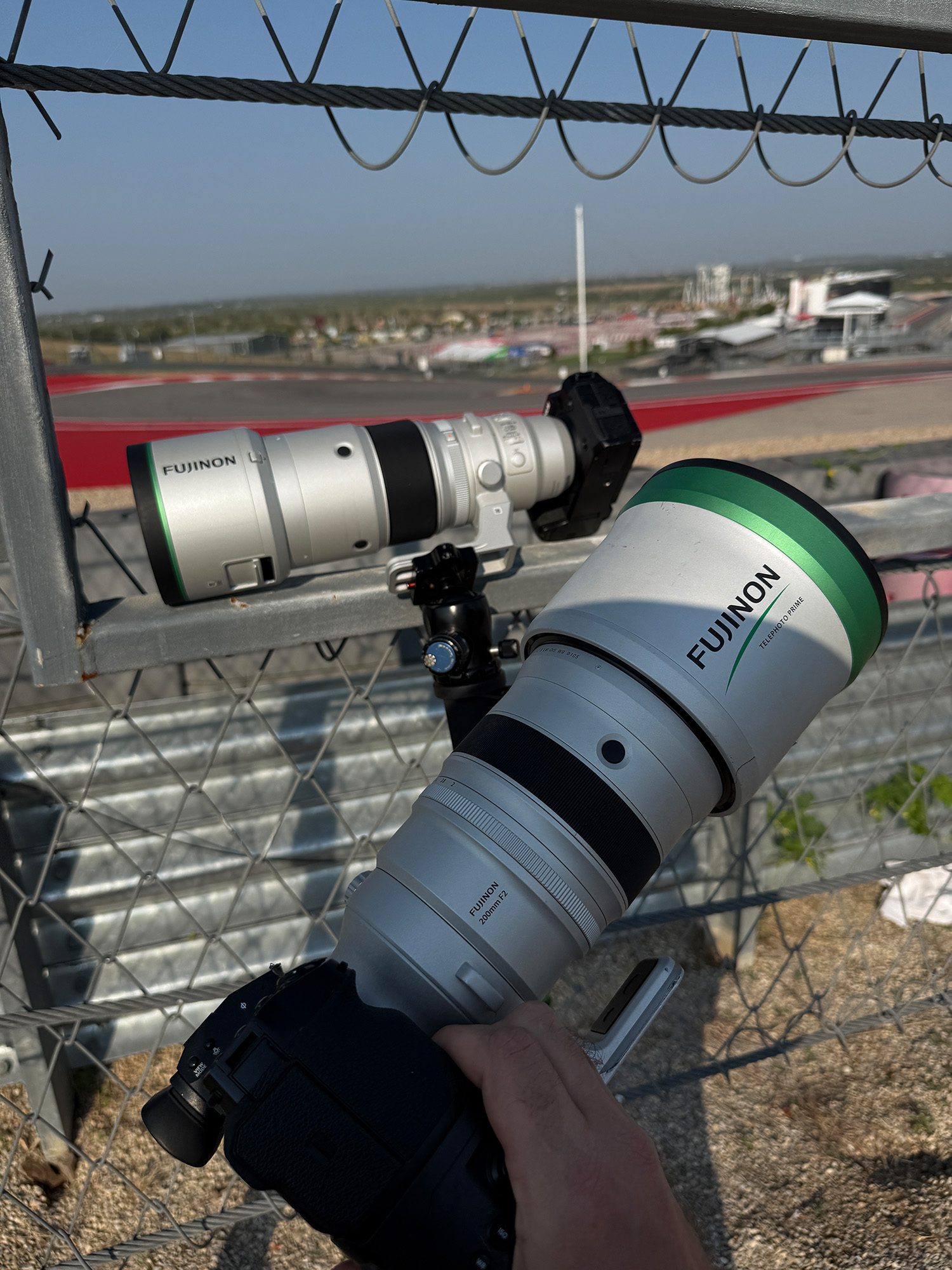
Another notable consideration is the large 105mm front element, which necessitates the use of specialized filters. Given that the lens retails for approximately $6,000 new, the additional investment in a comprehensive filter kit – typically including a UV filter for protection, a circular polarizer for managing reflections and enhancing contrast in bright trackside conditions, and a variable neutral density filter for wide-open shooting in intense daylight – represents a non-trivial expense. This cost, however, is often justified by the enhanced creative control and image quality these filters enable.
Market Positioning and Broader Implications
While commonly reviewed for its applications in commercial and wildlife photography, the XF200mm f/2 holds particular significance for motorsport photographers. It distinguishes itself by offering an unparalleled aesthetic and performance that is unique within the Fujifilm system. It is not intended to be a photographer’s first lens, nor is it the most flexible. Instead, it serves as a specialized, essential tool for specific scenarios. For general flexibility in the paddock or trackside, versatile zooms like the XF50–140mm f/2.8 or the XF100–400mm f/4.5–5.6 remain the workhorses. However, when conditions demand exceptional light-gathering capability, exquisite background rendition, and absolute clarity—such as in low light, for isolating subjects, or achieving a distinct artistic vision—the XF200mm f/2 emerges as the undisputed heavyweight champion.

The presence of the XF200mm f/2 within the Fujifilm X Series underscores the maturation of mirrorless systems to meet the rigorous demands of professional photography. It demonstrates that APS-C systems, when coupled with meticulously engineered optics, can deliver results comparable to, and in some cases exceeding, those traditionally associated with larger format cameras. This lens challenges preconceptions about sensor size and reinforces Fujifilm’s position as a serious contender in the professional imaging market. For motorsport photographers leveraging the Fujifilm ecosystem, the XF200mm f/2 is more than just a lens; it represents the pinnacle of optical engineering and a commitment to achieving the highest possible image quality. Its integration into a professional kit, while a significant investment, transforms capabilities, providing a distinct competitive edge and an unparalleled photographic experience.