Passerine birds, often referred to as perching birds, constitute the largest and most diverse order of avian life, Passeriformes, representing over half of all known bird species globally. These agile creatures, easily identifiable by their distinctive toe arrangement – three toes pointing forward and one facing backward, enabling a secure grip on branches – inhabit a vast array of environments, from bustling urban gardens to dense woodlands and expansive open fields across every continent except Antarctica. Their ubiquity and captivating behaviors make them an exceptionally rewarding, albeit challenging, subject for wildlife photographers.
The sheer numerical dominance of passerines underscores their ecological significance and widespread presence. With approximately 6,500 species, this order showcases an incredible evolutionary success story, adapting to myriad niches through specialized diets, vocalizations, and migratory patterns. From the vibrant hues of a goldfinch to the familiar red breast of a robin, these typically small and fast-moving birds demand technical precision and keen observational skills from photographers. However, the accessibility they offer, often right in one’s backyard, provides an unparalleled training ground for aspiring wildlife photographers, promising significant rewards for those who master their craft. The growing interest in nature photography, particularly bird photography, reflects a broader societal appreciation for biodiversity and the natural world, with countless enthusiasts dedicating time to documenting these feathered inhabitants.
Mastering Identification and Behavioral Observation
Successful passerine photography begins long before the camera shutter clicks; it necessitates a deep understanding of the subjects themselves. Common examples of passerines encountered by photographers include sparrows, tits, finches, warblers, and swallows. A key characteristic of many passerines is their highly vocal nature. Ornithologists and seasoned birdwatchers consistently emphasize that learning to identify different bird species by their unique songs and calls is an invaluable skill, particularly when the birds are camouflaged or obscured by foliage. This auditory recognition allows photographers to anticipate movement and position themselves advantageously.

As with any form of wildlife photography, a foundational understanding of animal behavior is paramount. Dedicated photographers are encouraged to actively seek out information, delve into ornithological texts, and spend considerable time simply observing their intended subjects. This sustained observation yields critical insights into daily routines, feeding habits, social interactions, and preferred perching spots. The knowledge gleaned from noting specific behavior patterns – such as where a bird lands before approaching a feeder, or its typical flight path – enables photographers to predict movements, significantly increasing the likelihood of capturing compelling and unique moments. Experts often highlight that patience, combined with informed observation, is the most powerful tool in a wildlife photographer’s arsenal.
Passerines thrive in habitats offering abundant perching opportunities and food sources. Gardens, parks, forests, and wetlands are prime locations. Their diverse feeding habits mean many species readily visit bird feeders, presenting an excellent, convenient opportunity for close-up photography.
Creating an Optimal Photographic Environment: The Feeding Station Strategy
Establishing a well-maintained feeding station in a garden is arguably one of the most effective strategies for attracting passerines, particularly during the leaner winter months when natural food resources dwindle. Periods of severe weather, such as snow or ice, often result in an increased influx of birds to feeders, potentially leading to dynamic interactions between multiple individuals – prime opportunities for capturing action shots.
Strategic Food Offerings
To attract a wide spectrum of species, offering a varied selection of foods is crucial. Sunflower seeds (black oil sunflower seeds are particularly popular due to their high oil content), nyjer seeds (favored by finches), suet blocks (providing essential fats and calories), and even small pieces of fruit can cater to different dietary preferences. Mealworms are also a highly attractive option for insectivorous passerines, providing an additional draw. Conservation organizations often recommend sourcing high-quality bird food to ensure avian health and nutrition.

Feeder Placement for Optimal Light and Safety
Strategic placement of feeders is essential for both bird safety and photographic success. Ideal locations receive ample natural light, especially during the "golden hours" of early morning and late afternoon, which provide warm, soft illumination. Feeders should not be placed in overly exposed areas, as passerines are naturally cautious and require the security of nearby foliage or cover to escape potential predators. Positioning feeders near dense shrubs or trees offers a vital refuge, encouraging birds to visit more frequently and feel more at ease, leading to more natural behaviors.
Maintaining Avian Health: Hygiene Protocols
A critical, often overlooked, aspect of running a feeding station is hygiene. Regular cleaning of feeders is imperative to prevent the spread of diseases, such as salmonellosis or avian pox, among bird populations. Feeders should be thoroughly washed with a mild bleach solution (one part bleach to nine parts water) at least once a week, rinsed meticulously, and allowed to dry completely before being refilled. This simple practice significantly contributes to the health and well-being of local bird populations, a point frequently stressed by wildlife rehabilitation centers.
The Allure of Water: Reflection Pools and Bathing Opportunities
Adding a reliable water source, such as a bird bath or a reflection pool, can dramatically increase the diversity of species attracted to a garden, while also providing unique photographic opportunities. Birds frequently visit water sources for drinking and bathing, offering chances to capture intimate portraits or dynamic action shots of splashing. A simple, large, rectangular planting tray, carefully positioned with a strategically placed rock or log, can serve as an excellent reflection pool. Experimentation with its placement is key to achieving desirable reflections, with reflections of trees or distant foliage generally preferred over bright, overpowering sky reflections that can wash out colors.
Crafting the Perfect Frame: Perches and Backgrounds
The immediate environment surrounding the subject plays a pivotal role in creating visually compelling images of passerines. Attractive, natural-looking perches, either integrated into the feeder setup or placed nearby, can significantly enhance the aesthetic appeal of a photograph, providing context and hinting at the bird’s natural habitat.

Sourcing Natural Perches
When foraging for potential perches, photographers should seek out branches, twigs, or even flowering plants that complement the bird’s plumage and add visual interest. Moss-covered branches, lichen-encrusted boughs, or a sprig of spring blossom can transform a simple portrait into a stunning piece of art. The key is to select perches that appear organic and in harmony with the bird’s natural environment, avoiding anything that looks artificial or contrived. This attention to detail elevates the photographic quality and authenticity.
Lighting and Perch Positioning
Ensuring the perch is optimally lit by natural light is crucial. Photographers should consider the direction of the light throughout the day. A perch might be front-lit in the morning, offering even illumination, and back-lit in the evening during the golden hour, creating a beautiful rim light effect and artistic bokeh. Overcast days, far from being a deterrent, can be ideal, as clouds act as a giant natural diffuser, softening the light, eliminating harsh shadows, and allowing for the capture of intricate feather details and rich, muted colors.
The Art of Background Separation
To eliminate distracting elements and ensure the subject stands out, backgrounds should be sufficiently distant to be rendered completely out of focus, creating a pleasing bokeh effect. The exact distance required will depend on the lens’s focal length and the chosen aperture. A wide aperture (e.g., f/2.8 to f/5.6) combined with a long focal length lens will exaggerate this effect, producing a shallow depth of field. Test shots are essential to confirm the background’s appearance. Additionally, careful consideration should be given to the colors within the background, aiming for hues that complement the subject rather than clashing. Areas of natural shadow can be strategically utilized to create a dark, dramatic background that adds impact and contrast.
Technical Precision: Essential Camera Settings for Passerine Photography
Photographing passerines demands technical precision due to their small size and rapid, often unpredictable, movements. Beyond the fundamental exposure triangle (shutter speed, aperture, ISO), specific focusing settings are equally critical for success.

Freezing Motion: Shutter Speed Essentials
To effectively freeze the rapid movements of a small passerine, a fast shutter speed is indispensable. A minimum of 1/1000th of a second is generally recommended for static or perching birds, as they rarely remain motionless for extended periods. For capturing birds in flight, taking off, or landing, this speed must be significantly increased, often to 1/2500th of a second or even faster, to ensure sharp wings and crisp details. The physics behind this is simple: the faster the subject’s movement, the shorter the exposure time needed to prevent motion blur.
Depth of Field: Aperture Control
A wide aperture, typically ranging from f/2.8 to f/5.6, is ideal for creating a shallow depth of field. This technique isolates the bird from its surroundings, making it pop against a beautifully blurred background. However, when shooting frame-filling portraits, particularly with long telephoto lenses, the extremely shallow depth of field might mean only a small portion of the bird (e.g., just the eye) is in sharp focus. In such cases, stopping down to a slightly smaller aperture (e.g., f/8) may be necessary to ensure critical elements like both eyes and the chest feathers are sharp.
Navigating Low Light: ISO Management
Photographers should not hesitate to utilize higher ISO settings when shooting in challenging low-light conditions. Modern camera sensors are remarkably capable, and a sharp image with some visible digital noise is almost always preferable to a clean, noise-free image that lacks critical sharpness due to an insufficient shutter speed. Post-processing software can effectively manage and reduce noise, but cannot recover lost sharpness.
Precision Focusing: Autofocus Modes and Manual Techniques
Continuous autofocus (AI Servo on Canon, AF-C on Nikon/Sony) is the preferred mode for tracking moving birds, as it constantly adjusts focus as the subject shifts. Many contemporary mirrorless cameras offer advanced eye-detection autofocus, which can be incredibly effective, especially for portraits. However, if the eye detection struggles in complex environments or with very fast movement, switching to a single-point or group focus mode, keeping the focus point centered on the bird, often provides maximum accuracy.

For highly dynamic action shots, such as birds taking off or landing, a hybrid approach involving manual focus can be surprisingly effective. By pre-focusing on a specific spot—for instance, a perch near a feeder—and then firing a burst of images as the bird flies through that plane of focus, photographers can often capture moments that autofocus might miss due to lag or acquisition time.
Capturing the Sequence: Burst Mode Advantages
Employing the camera’s continuous shooting or "burst" mode is crucial for increasing the chances of capturing the decisive moment. Passerines move rapidly and often in unpredictable bursts, so firing a sequence of frames significantly enhances the probability of securing a perfectly timed shot with ideal wing position, expression, or interaction. High frame rates (10 frames per second or more) are particularly beneficial for this purpose.
Beyond the Snapshot: Principles of Dynamic Composition
Strong composition is the bedrock of visually striking and memorable images. Experienced photographers consistently advocate for pre-visualization, encouraging practitioners to carefully consider the placement of each element within the frame before pressing the shutter. While numerous compositional guidelines exist, it is equally important not to let these "rules" stifle creative expression.
The Rule of Thirds: A Foundational Guideline
The Rule of Thirds is a fundamental compositional principle. Imagining the frame divided into nine equal parts by two horizontal and two vertical lines, positioning the subject or key elements along these lines or at their intersecting points (known as "power points") almost invariably results in a more dynamic, balanced, and aesthetically pleasing composition compared to simply centering the subject.

Environmental Storytelling
Incorporating elements of the bird’s natural habitat into the frame helps to tell a broader story and provides a sense of place. For instance, including blurred leaves, blossoming flowers, or specific types of vegetation can add depth, context, and visual interest, making the image more engaging than a plain, isolated portrait. This approach connects the viewer to the bird’s world.
Eye-Level Perspective: Fostering Connection
Shooting at the bird’s eye level creates an intimate and relatable perspective. This approach eliminates the common "looking down" viewpoint, fostering a stronger connection between the subject and the viewer and making the bird appear more majestic and present within its environment. Often, this requires getting low, sometimes even lying on the ground.
Leveraging Negative Space
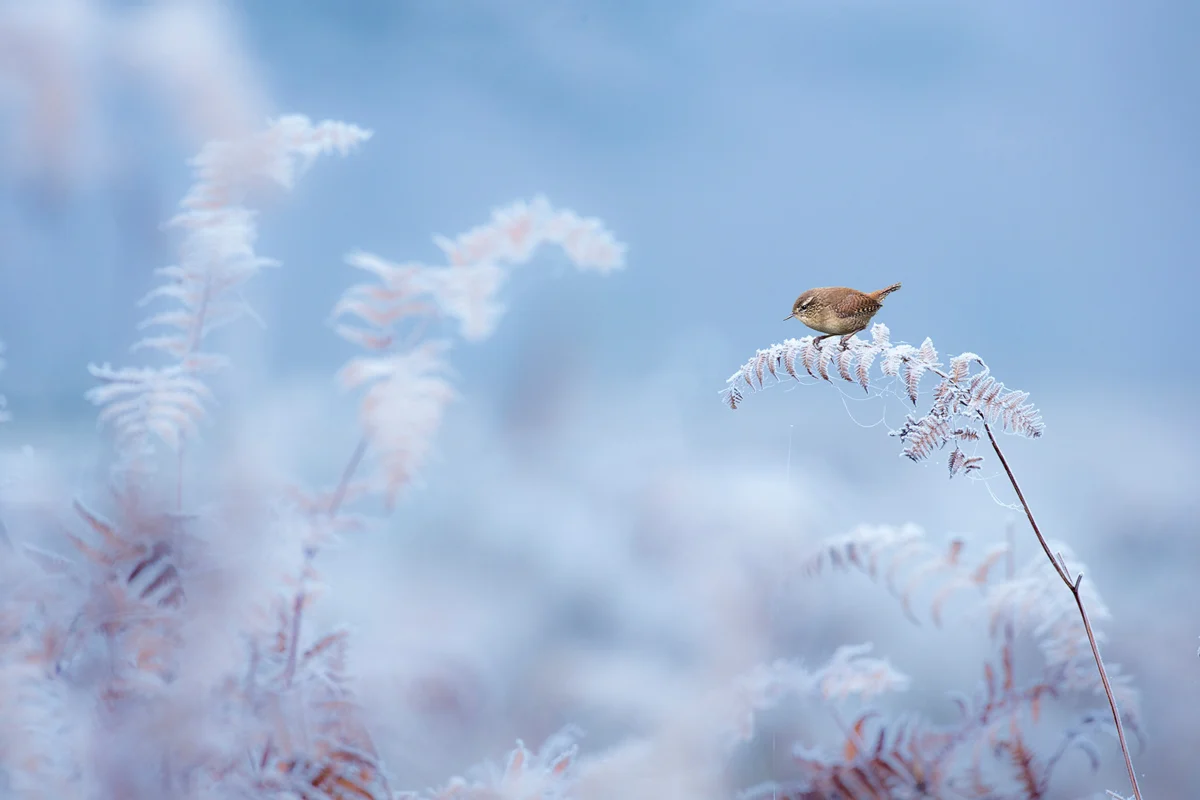
Intentionally leaving open space around the bird, known as negative space, can be a powerful compositional tool. It can convey a sense of isolation, emphasize the vastness of its natural surroundings, or draw attention to the bird itself by minimizing clutter. This technique is particularly effective in stark environments, such as winter landscapes with snow. Positioning the bird so it is looking or moving into this open space often creates a more balanced and harmonious composition.
Guiding the Viewer: Leading Lines
Photographers can utilize natural lines found in the environment – such as branches, fallen logs, or a dry stone wall – to create "leading lines." These lines visually guide the viewer’s eye towards the main subject, adding depth, movement, and a sense of purpose to the composition.

Documenting Avian Life: Capturing Behaviors and Interactions
Passerines are social birds, often engaging in a fascinating array of behaviors that offer unique photographic opportunities. During periods of harsh weather, for example, squabbles over limited food resources are common, providing fast-paced action shots. When including multiple birds in the frame, it may be necessary to stop down to a slightly smaller aperture to increase the depth of field and ensure all subjects are in focus. Always monitor shutter speed, increasing ISO if it drops below 1/2500th of a second for multi-subject action.
Observing Feeding Dynamics
Documenting birds as they feed or drink from a water source can result in captivating images, revealing their intricate feeding mechanisms and interactions with their environment. These moments often provide a window into their daily survival strategies.
The Symphony of Song: Breeding Season Opportunities
During the breeding season, many passerine species, including robins, wrens, blackbirds, and song thrushes, become highly vocal as they establish and defend territories, attract mates, and communicate with offspring. Capturing a bird mid-song, with its beak open, can convey a strong sense of vitality and characteristic behavior.
Flocks, Fights, and Social Dynamics
Observing and capturing the dynamics within groups of passerines, whether it’s territorial disputes, cooperative feeding, or large migratory flocks, can yield highly dramatic and engaging action shots. The synchronized movements of a flock or the intense interaction during a squabble offer rich narrative potential.

Parenting Moments: Ethical Considerations
The breeding season also presents opportunities to photograph parents feeding chicks or guiding fledglings. These moments are incredibly tender and powerful but require immense patience and an exceptionally careful, unobtrusive approach to avoid disturbing the birds. Ethical wildlife photography dictates that the well-being of the subjects must always take precedence; if there is any risk of disturbance, the shot should not be attempted. Often, parents will bring fledged young to accessible food sources like garden feeders, providing observation opportunities without direct interference with the nest.
Preening and Bathing: Intimate Glimpses
Birds frequently engage in self-care activities such as bathing and preening. Splashing in water or meticulously arranging feathers offers opportunities for both dynamic action shots and detailed close-ups, showcasing the intricate textures and colors of their plumage.
Patience and keen observation are the ultimate keys to success. By spending ample time watching and learning the specific behavior patterns of individual birds or species, photographers can better anticipate movements, ensuring they are ready to capture the optimum moment. Ornithologists often highlight that consistent, respectful observation is not only beneficial for photography but also contributes to valuable citizen science data.
Equipping for Success: Recommended Gear for Passerine Photography
While skill and knowledge are paramount, having suitable equipment significantly eases the challenges of passerine photography, especially when aiming to capture fast-paced action.

Camera Body: Speed and Sensitivity
A modern DSLR or mirrorless camera with robust autofocus capabilities is ideal. Models offering high frame rates (e.g., 10 frames per second or more) are particularly advantageous for capturing rapid action sequences. The advent of advanced eye-detection autofocus in many mirrorless systems has revolutionized bird photography, though it remains a beneficial rather than an essential feature. Cameras with good low-light performance (high ISO capabilities) are also a significant asset.
Lenses: Reach and Versatility
A telephoto lens of 300mm or longer is generally required to photograph birds from a respectful distance without causing disturbance. Longer lenses, such as 500mm or 600mm primes, are highly prized for their ability to achieve extremely diffuse backgrounds and effectively separate the subject. Tele-zoom lenses (e.g., 150-600mm) offer excellent flexibility in framing and composition, making them a popular and versatile choice for wildlife photographers. The choice often balances reach, aperture, and budget.
Stability: Tripods and Gimbal Heads
A sturdy tripod is essential for providing stability during long shooting sessions, especially when using heavy telephoto lenses or shooting from a static hide. For lenses of 500mm and above, a gimbal head is highly recommended, as it allows for smooth, effortless tracking of birds in motion while supporting the lens’s weight.
Concealment: Hides and Blinds
Utilizing a portable hide or a purpose-built bird photography hide allows photographers to get considerably closer to birds without disturbing their natural behavior. Camouflage netting can also be effective. The greatest success often comes from hides that can be left in situ for extended periods, allowing birds to habituate to their presence. Conservation ethics strongly advocate for minimizing disturbance, and hides are a primary tool for achieving this.

Accessories: Remote Releases and Memory Management
A remote shutter release is invaluable for minimizing camera vibrations, particularly when the camera is pre-focused on a specific spot or when shooting from a hide. Additionally, photographers can never have too many memory cards; carrying ample, high-speed cards is crucial to accommodate burst shooting and avoid running out of storage during critical moments.
Ethical Considerations and Conservation Impact
Beyond the technical and artistic pursuits, passerine photography inherently carries ethical responsibilities and offers opportunities for conservation. Wildlife photographers, by their nature, become observers of the natural world, and their actions can impact the very subjects they seek to capture. Adhering to a strict code of ethics, such as maintaining a respectful distance, never disturbing nesting birds, avoiding baiting with unnatural foods, and prioritizing the animal’s welfare above the photograph, is paramount.
Moreover, the stunning images produced by dedicated passerine photographers can play a vital role in conservation efforts. These photographs raise awareness about the beauty and fragility of local ecosystems, inspire others to appreciate and protect wildlife, and can even contribute to scientific research by documenting species presence or behavioral patterns. Many professional wildlife photographers collaborate with conservation organizations, using their work to advocate for habitat preservation and environmental stewardship. The act of photographing these birds, therefore, extends beyond a personal hobby to become a powerful tool for public education and ecological advocacy.
Conclusion: The Enduring Appeal of Passerine Photography
Whether undertaken in a bustling urban garden or a tranquil local park, passerine birds offer an inexhaustible source of inspiration and opportunities for creative wildlife photography. Their small stature and rapid movements present considerable challenges, demanding mastery of technical skills and a deep understanding of avian behavior.

By diligently applying knowledge of their habits, meticulously setting up an optimal photographic environment, and refining camera techniques, photographers can consistently create stunning images that not only showcase the intrinsic beauty and charm of these ubiquitous birds but also tell compelling stories about their lives. This journey into passerine photography is more than just capturing images; it is an immersion into the intricate, enchanting world of nature, fostering patience, observation, and a profound appreciation for the biodiversity that surrounds us. So, with camera in hand and a keen eye, step outside and embrace the captivating realm of passerine photography.