The landscape of digital imaging has undergone a seismic shift over the last decade, transitioning from the dominance of heavy Digital Single-Lens Reflex (DSLR) cameras to the high-performance sensors integrated into modern smartphones. As of 2024, industry data indicates that approximately 92.5% of all photographs taken globally are captured via smartphones, with the iPhone maintaining a significant share of that creative output. The democratization of high-end photography tools has placed sophisticated portrait capabilities into the hands of millions, yet the distinction between a snapshot and a compelling portrait remains rooted in the application of creative techniques. To elevate mobile portraiture from the mundane to the professional, photographers are increasingly adopting specific methodologies that leverage the iPhone’s unique hardware and software ecosystem.
The Evolution of Mobile Portraiture: A Brief Chronology
The journey of the iPhone as a serious portrait tool began in earnest in 2016 with the release of the iPhone 7 Plus, which introduced the first dual-camera system and the "Portrait Mode" software. This feature utilized depth-mapping technology to simulate the "bokeh" effect—the aesthetic quality of the out-of-focus parts of an image—previously exclusive to wide-aperture lenses on professional cameras.
In 2017, the iPhone X introduced Portrait Lighting, allowing users to simulate studio-quality lighting conditions through computational photography. By 2020, the integration of LiDAR (Light Detection and Ranging) scanners in the Pro models significantly enhanced autofocus in low-light conditions and improved the accuracy of depth sensing. Today, with 48-megapixel sensors and advanced Smart HDR processing, the iPhone is no longer just a secondary device; it is a primary tool for portrait artists who prioritize mobility without sacrificing narrative depth.
1. Mastery of High-Contrast Lighting for Dramatic Impact
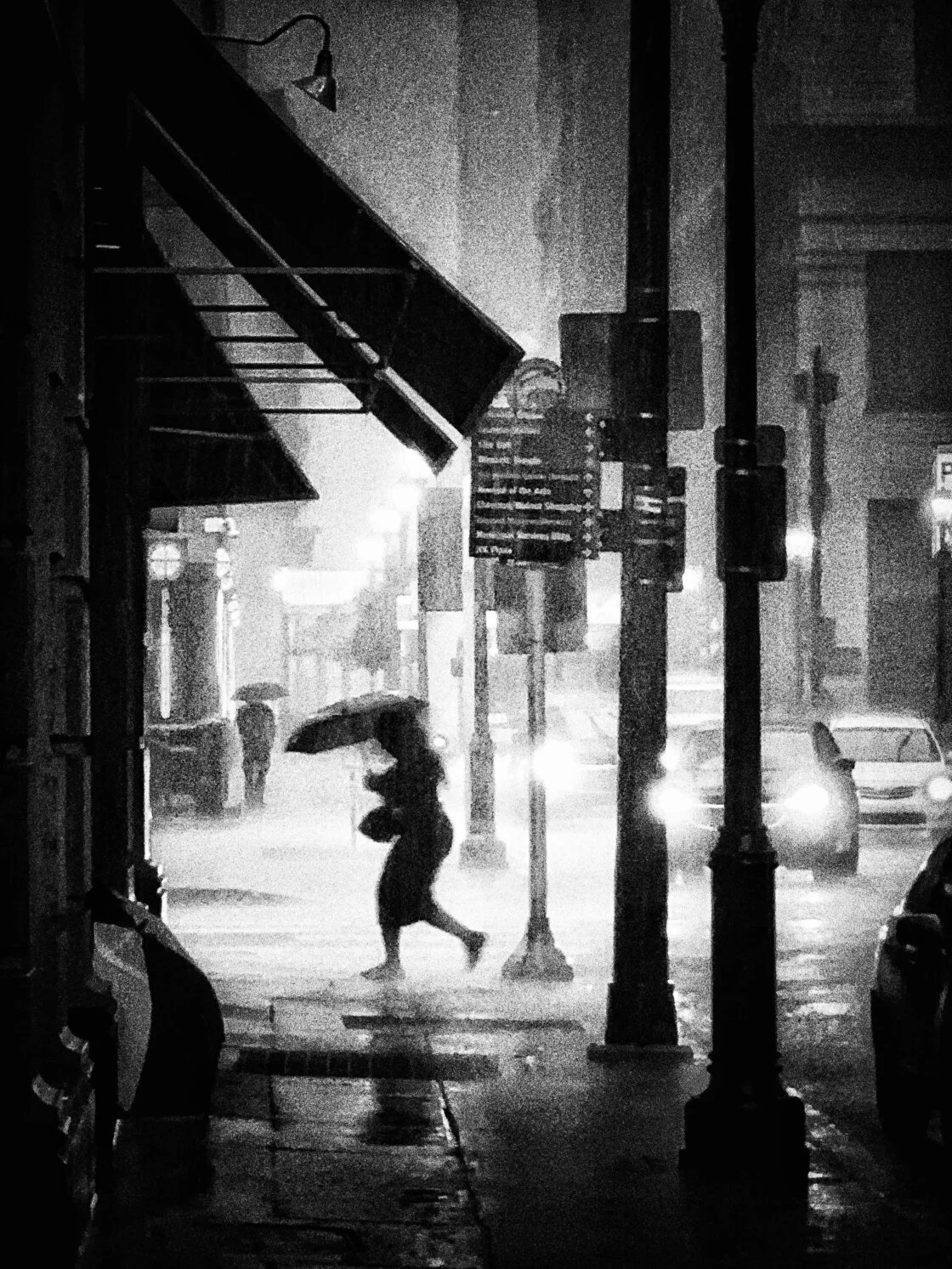
One of the most effective ways to introduce gravitas into a portrait is through the strategic use of high-contrast light, a technique historically known as chiaroscuro. This method relies on the stark juxtaposition of bright highlights and deep shadows to define the subject’s features and create a sense of three-dimensional volume.
In a mobile context, high-contrast lighting is most easily found during "harsh" light conditions, such as midday sun, which many amateur photographers typically avoid. By positioning a subject at the boundary of a shadow—such as the edge of a building or a doorway—photographers can isolate portions of the face in light while the rest recedes into darkness.
The technical execution on an iPhone requires manual intervention. By tapping on the subject’s face to set the focus and then sliding the exposure sun icon downward, the photographer can "crush" the shadows. This ensures that the dark areas of the frame become a rich, deep black, focusing the viewer’s eye entirely on the illuminated portion of the subject. This technique is particularly effective for black-and-white conversions, as it emphasizes texture and form over color.
2. Utilizing Patterned Light and "Gobos"
Creative interest in a portrait can be significantly heightened by the introduction of light patterns. In professional studio settings, "gobos" (short for "go-betweens") are used to block light in specific shapes. Mobile photographers can replicate this effect using environmental elements or household objects.
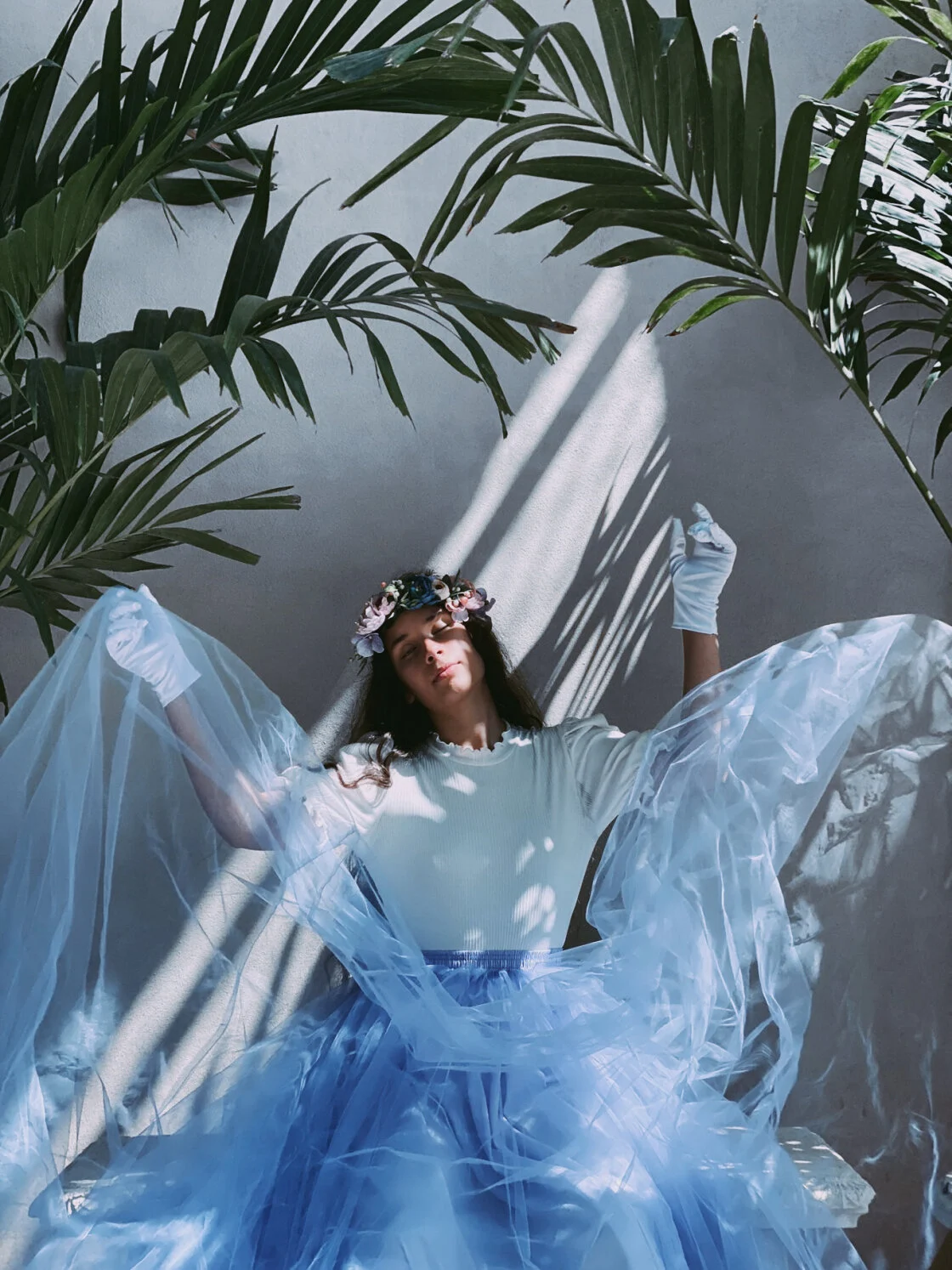
Natural patterns are frequently found where sunlight filters through window blinds, lace curtains, beveled glass, or outdoor structures like picket fences and foliage. When these patterns fall across a subject’s face, they break up the uniformity of the skin tones and add a layer of visual complexity. Industry experts suggest that the most compelling results occur when the pattern is used to highlight a specific feature, such as a single eye, while the rest of the face remains in partial shadow. This approach moves the photograph away from a standard likeness and toward a piece of conceptual art.
3. Dynamic Posing and the Psychology of Perspective
The physical relationship between the camera and the subject dictates the emotional "read" of a portrait. Standard eye-level photography is often perceived as neutral or documentary. To create a more compelling narrative, photographers are encouraged to experiment with unconventional angles.
The Power of the Low Angle
Shooting from a low angle—placing the iPhone near the ground and tilting it upward—can imbue the subject with a sense of authority or heroism. When combined with the iPhone’s wide-angle lens, this perspective can also be used to create dynamic action shots. For instance, having a subject move toward the lens from a low vantage point creates a sense of depth and motion that traditional portraits lack.
Hand Placement and Natural Framing
Posing is not merely about the subject’s stance but also about the use of extremities to create "frames within the frame." Utilizing the subject’s hands to lightly touch the jawline or frame the eyes provides a natural lead-in for the viewer’s gaze. This technique also serves a practical purpose: it often helps non-professional subjects feel more relaxed by giving them a specific physical task, thereby reducing the "stiffness" often seen in posed photography.
4. Evoking Atmospheric and Dreamy Narratives
While high contrast creates drama, other narratives require a softer, more ethereal approach. Achieving a "dreamy" aesthetic on an iPhone involves a combination of subject movement and specific camera features like Burst Mode.
To capture the fluid motion of fabric—such as a flowing dress or a silk scarf—photographers utilize the iPhone’s high-speed processing capabilities. By engaging Burst Mode (achieved by sliding the shutter button to the left on newer models), the camera captures a rapid sequence of images at 10 frames per second. This allows the photographer to select the exact moment when the fabric reaches its most aesthetic point of descent.
Furthermore, the "dreamy" mood is reinforced by the subject’s expression. Encouraging a subject to close their eyes or look away from the lens breaks the fourth wall in a way that suggests introspection and peace. This shift from active engagement to passive observation is a hallmark of fine-art portraiture.
5. Strategic Composition for Multi-Subject Portraits
Posing two or more people introduces the challenge of managing multiple focal points and ensuring a balanced composition. Traditional side-by-side posing often results in flat, uninspired images. To counter this, professional mobile photographers recommend "staggering" the subjects in terms of both depth and height.
By placing one subject closer to the camera and another slightly behind, the photographer creates a multi-layered image. If using Portrait Mode, this depth allows the software to apply different levels of blur, mimicking the behavior of an 85mm or 50mm prime lens. This technique is particularly effective for couples or siblings, as it allows for a more intimate, less "staged" interaction.
6. Narrative Development Through Prop Integration
A portrait is often a story condensed into a single frame. The inclusion of props is the most direct way to signal a specific theme or emotion to the viewer. However, the choice of prop must be deliberate and integrated into the scene’s color palette.
- Floral Elements: Used to convey themes of nature, growth, or fragility.
- Vintage Objects: Old cameras, books, or classic cars can suggest a sense of nostalgia or timelessness.
- Domestic Props: Coffee cups or blankets can evoke a "hygge" or cozy atmosphere, making the portrait feel more accessible and personal.
The key to successful prop use is ensuring they do not distract from the subject. The prop should complement the subject’s form and contribute to the overall color harmony of the image.
7. Aesthetic Cohesion via Wardrobe and Styling
The final pillar of a compelling iPhone portrait is styling. The color and texture of a subject’s clothing can either harmonize with the environment or provide a necessary point of contrast.
Color Theory in Portraiture
Photographers often utilize color theory to enhance their images. For example, dressing a subject in blue (a cool color) when shooting against an orange sunset (a warm color) creates a complementary color scheme that is naturally pleasing to the human eye. Conversely, matching the wardrobe to the environment—such as neutral linens in a desert setting—creates a monochromatic, high-fashion look.
Texture and Context
The texture of the clothing should also match the setting. A sequined gown in an industrial, "grungy" city setting provides a high-fashion juxtaposition, while a thick woolen jumper in a forest setting emphasizes a rugged, outdoorsy theme.
Broader Impact and Industry Analysis
The shift toward mobile-first portraiture has significant implications for the photography industry. Professional photographers like Aeriel Orndorff, who has transitioned to using the iPhone as her primary creative tool, cite "creative freedom" as a major factor. The lack of heavy equipment allows for more spontaneous interactions between the photographer and the subject, often resulting in more authentic expressions.
Furthermore, the rise of "computational photography"—where software does the heavy lifting of processing light and depth—has leveled the playing field. While high-end glass and full-frame sensors still hold a place in commercial studio work, the iPhone has proven that the "eye" of the photographer and their mastery of light and posing are more critical than the price tag of the gear.
As smartphone manufacturers continue to push the boundaries of sensor size and artificial intelligence, the line between mobile and professional photography will continue to blur. For the modern creator, the challenge is no longer obtaining the right equipment, but rather mastering the timeless principles of light, shadow, and human connection that have defined portraiture for centuries. Through the intentional use of high-contrast light, creative patterns, and thoughtful styling, the iPhone becomes a powerful conduit for compelling visual storytelling.