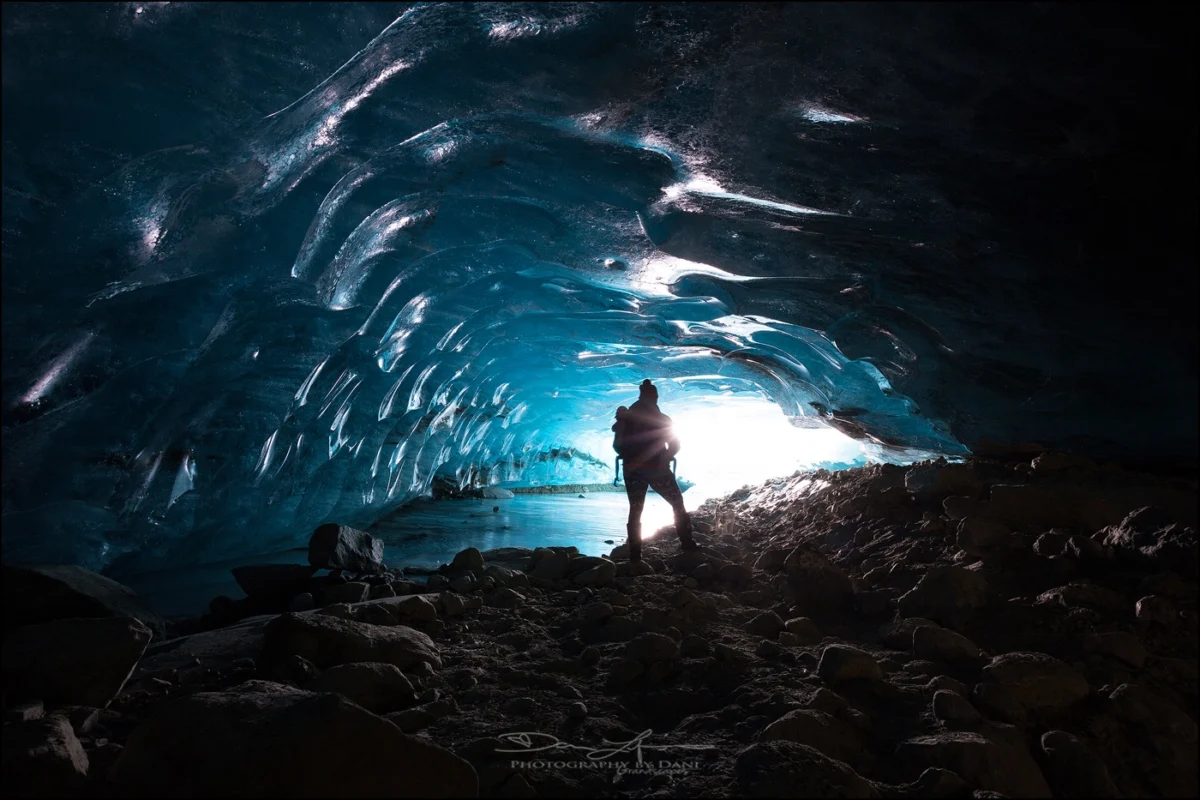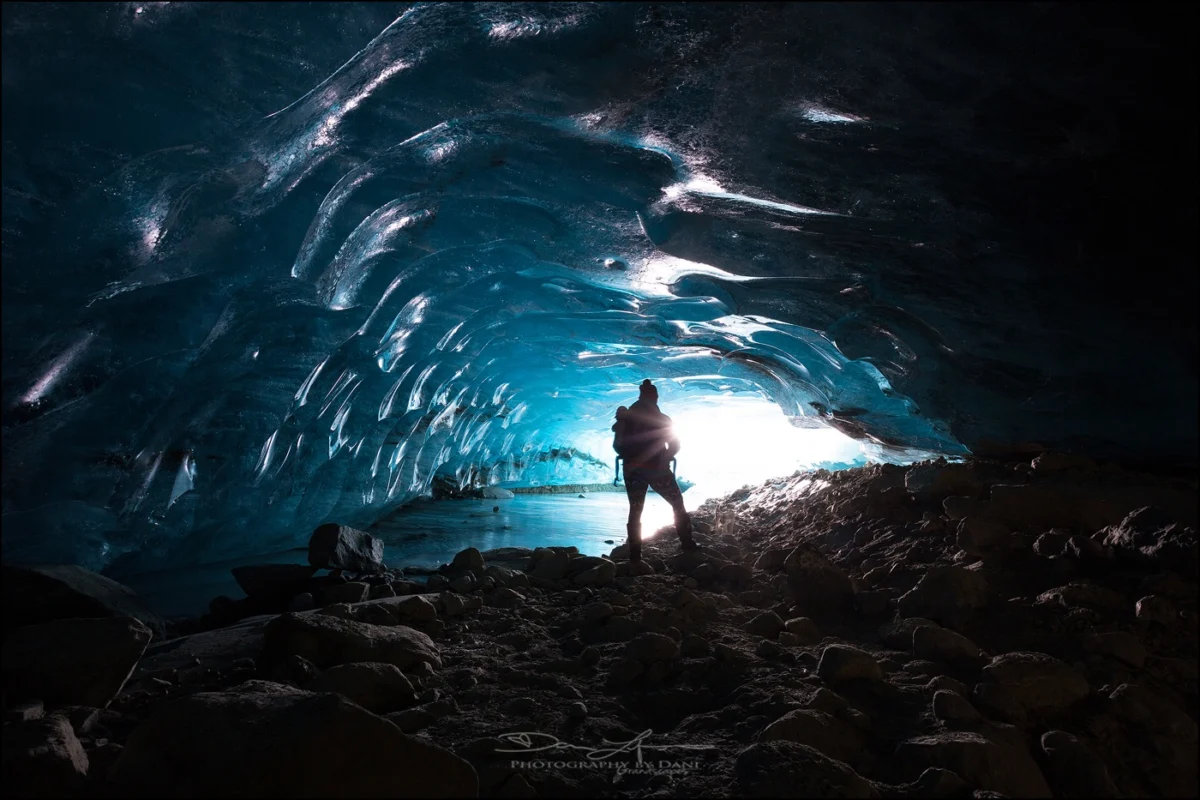
NatureTTL.com has launched an insightful interview series titled "From Amateur to Professional," designed to illuminate the transformative journeys of accomplished nature photographers. This series delves into the evolution of their craft, showcasing the progression of their visual storytelling, tracing their origins in photography, and detailing the strategic steps that led them from passionate hobbyists to established professionals. The inaugural feature spotlights Dani LeFrancois, a distinguished landscape photographer and photo guide whose work is deeply rooted in the majestic Canadian Rockies.
LeFrancois’s career trajectory, spanning 22 years of photographic pursuit and 11 years dedicated to teaching, offers a compelling narrative for aspiring photographers. Her deep connection to the Canadian landscape serves as her primary inspiration, a sentiment often echoed by professionals who find their niche in capturing the essence of their local environments. The series aims to provide a transparent look into the dedication, challenges, and pivotal moments that define a professional photography career, often dispelling romanticized notions and highlighting the rigorous work involved.
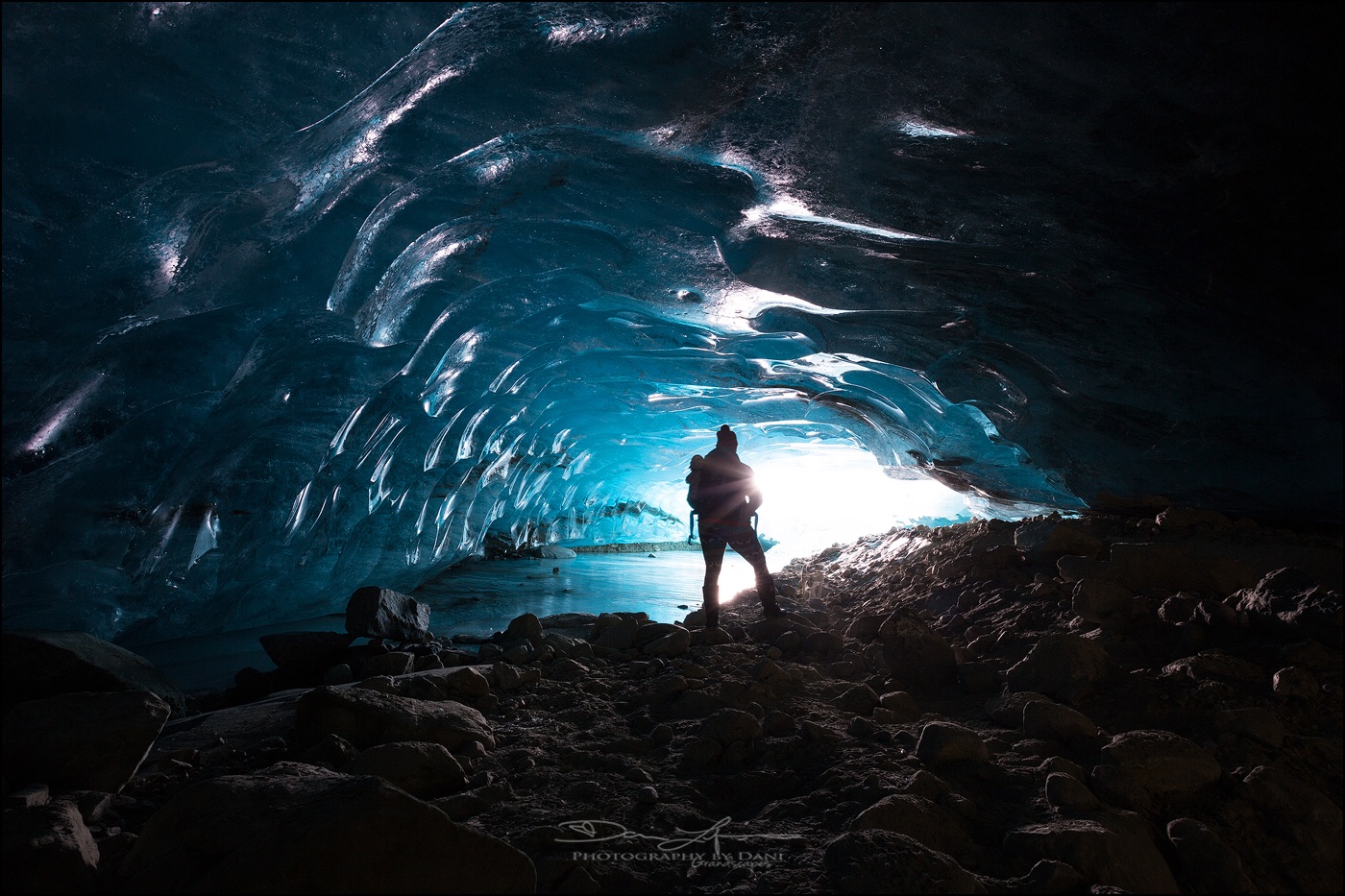
The Genesis of a Nature Photographer: Early Encounters with the Wild
LeFrancois’s photographic journey began in her formative years, sparked by an innate affinity for the outdoors. She describes herself as "very much an outdoor kid," whose summers were filled with explorations at YMCA camps, characterized by a fearless curiosity for nature’s smaller inhabitants, from frogs to insects. This early, uninhibited connection to the natural world laid the groundwork for her future specialization.
The "fever," as she calls it, intensified during summer road trips with her mother across Ontario and Canada’s East Coast. Tasked with documenting these travels, LeFrancois received her first "state of the art" 2-megapixel point-and-shoot camera in anticipation of a trip to Alberta. This digital companion became the catalyst for an enduring obsession. The journey west, capturing the dramatic vistas of Alberta, solidified her path. This period underscores a common theme in the development of nature photographers: an early, immersive exposure to diverse landscapes often ignites a lifelong passion, transforming casual observation into a dedicated artistic pursuit.

Nurturing Talent: From High School to Self-Directed Learning
Upon returning from Alberta, LeFrancois enrolled in a high school photography class, where she quickly discovered a "natural eye for composition." This initial validation of her talent provided momentum, leading her to briefly pursue photography at a collegiate level. However, the academic environment, with its broader curriculum, proved to be misaligned with her specific passion. Nature photography, a specialized and often self-taught discipline, was not a central focus of her college program.
This divergence from traditional academic routes forced LeFrancois to forge her own educational path, a common experience for many artists in niche fields. It highlighted the importance of self-direction, persistent experimentation, and the pursuit of practical experience over purely theoretical learning when formal education doesn’t fully cater to specific artistic inclinations. Her early commitment to developing her unique vision, despite a lack of formal instruction in her chosen genre, serves as a testament to the power of intrinsic motivation.

Evolution of Vision: Reflecting on Early Work
LeFrancois candidly reflects on her early photographic output, acknowledging the sentimental value attached to images she once considered "amazingly groundbreaking." Looking back at online archives of her initial shares, she notes a shift in perspective. While these images might not have been revolutionary by external standards, they represented significant personal milestones. They were canvases for experimentation, capturing delayed shutter effects or serendipitous moments, embodying the joy and novelty of her nascent artistic exploration.
One such early image, titled "Dual Vocals," showcases her initial approach. Although not specifically detailed, the title suggests an engagement with dynamic elements or contrasting subjects. Another significant early work, captured during a college field trip to a waterfall, features a "pretty leaf with water droplets." While her peers rushed to photograph the main cascade, LeFrancois’s attention was drawn to this subtle detail, spending "far too long photographing it due to the low light." This anecdote highlights an early inclination towards macro and intimate landscape photography, a departure from the grand vista pursuit, and a nascent ability to find beauty in overlooked elements. This introspective review of past work is crucial for photographers, providing a tangible measure of growth in technical skill, aesthetic sensibility, and thematic depth.

Pivotal Images: Tracing Artistic Growth
LeFrancois presents two contrasting yet conceptually linked photographs that underscore her artistic evolution. The aforementioned "waterlogged" leaf image from her college days represents her amateur pride. It signifies an early success in isolating a subject, managing challenging lighting, and creating a compelling composition from an unexpected detail. This image remains a favorite of her mother, a touching reminder of the personal resonance her work has always held.
Her professional-era favorite, a landscape captured during golden hour from a less-frequented perspective, speaks volumes about her matured approach. This location, often overshadowed by nearby, more popular spots, was chosen intentionally. "This scene presented itself while on the way to another spot," she explains, highlighting her keen observational skills and willingness to deviate from conventional photographic routes. The image exemplifies a refined understanding of light, composition, and the ability to discover unique narratives within familiar environments. Both images, despite their differences in subject and scale, share a common thread: they were born from following intuition and recognizing photographic opportunities that others might miss. This consistency in her artistic process, from capturing a dew-kissed leaf to an expansive golden-hour landscape, reinforces the importance of trusting one’s creative instincts.

The Professional Ascent: A Long-Term Commitment to Craft
The transition from amateur to professional was a gradual, multi-faceted process for LeFrancois, spanning over a decade. The idea first crystallized in high school upon realizing that photography could be a viable career path. Initially, she harbored a "naive" understanding of professional photography, imagining it as a side pursuit for individuals with "real jobs." However, a college professor’s declaration that students pursuing higher education for their craft were already "professional photographers" provided an early, albeit perhaps premature, sense of validation.
In reality, her journey involved practical experience across various genres. After college, she diversified her portfolio by photographing weddings, concerts, and portraits, deliberately expanding her skill set and understanding of client work. This period of diverse engagement, she notes, arguably classified her as a professional, given the active pursuit of income through photography.

The true professional pivot in nature photography occurred after a significant geographical shift. Ten years into her active photographic focus, she moved west to the Canadian Rockies, a move that placed her at the heart of her greatest inspiration. At the 12-year mark of her "photography obsession," she formally established her own business. The ultimate transition to a full-time professional photographer and photo guide came seven years after relocating west, a remarkable 17 years into her photographic journey. At the age of 32, she "retired" from her "real job," fulfilling a childhood dream of either being retired or a photographer. This chronology underscores that professional mastery and financial independence in creative fields often require sustained effort, strategic diversification, and a deep, unwavering commitment over many years.
A Turning Point: From Competition to Collaboration
A significant "eureka moment" in LeFrancois’s career marked a profound shift in her professional philosophy: moving from a competitive mindset to one centered on photo guiding and education. This transformation was largely influenced by her experience mentoring a friend, actively assisting them in developing their photographic vision.

Initially, LeFrancois admitted to feeling photography was a "competition," where early publication often garnered "all the glory." This competitive impulse, common in many creative fields driven by social media and public recognition, can sometimes overshadow the collaborative spirit. However, as she began to mentor more photographers in the field, helping them refine compositions and techniques, she experienced a remarkable change. "I started to feel pride in their images and the competition melted away," she explains. This shift highlights a mature understanding of the photographic community, recognizing that shared knowledge and mutual success enrich the entire field. Her current sentiment, "I feel lost if I’m not helping someone with something because my joy is seeing others succeed, even if it overshadows me and my own work," speaks to the profound satisfaction derived from mentorship. This dedication to education, now a core component of her professional identity, showcases how personal growth can redefine professional purpose, transforming individual pursuit into community building. Many industry experts concur that fostering a supportive and educational environment is key to the long-term health and innovation within creative professions.
Revisiting Landscapes: A Testament to Deep Engagement
LeFrancois expresses a deep affection for revisiting locations, noting that a substantial portion of her portfolio tells "a story of revisiting the same place and capturing moments and the landscape as it changes and evolves." This approach is a hallmark of many dedicated nature photographers, allowing for a deeper understanding of a subject’s nuances through different seasons, lighting conditions, and times of day. It moves beyond capturing a singular, iconic shot to building a comprehensive visual narrative of a place.

Her primary focus when revisiting a site is to "capture something different from the familiar," whether through variations in light or subtle shifts in the landscape. This intuitive approach, characterized by "no real structure or forced technique," allows her to respond organically to the moment. Rather than adhering to rigid rules, she trusts her instincts, doing "what feels right for the moment." This fluid, responsive methodology is a powerful creative tool, enabling photographers to transcend mere documentation and imbue their work with personal interpretation and emotional depth. It emphasizes that while technical skills are foundational, a photographer’s unique perspective and intuitive connection to their subject are equally vital.
The Editing Philosophy: Efficiency and Authenticity
Regarding post-processing, LeFrancois maintains a consistent, efficient approach developed over many years. She openly states her disinterest in the editing process, finding herself "uninspired behind the computer." Consequently, the majority of her images undergo rapid edits, typically ranging from two to five minutes.

This preference for minimal and swift editing suggests a strong emphasis on capturing the desired image "in camera," prioritizing composition, light, and exposure during the shoot itself. While acknowledging that "there are easier and better ways to do things," she admits to being an "old dog new tricks" when it comes to adopting new editing techniques. Her resistance to spending extensive time learning new software or workflows stems from a desire to focus her energy on field work rather than post-production. This philosophy, while perhaps unconventional in an era of complex digital manipulation, underscores a commitment to authenticity and a preference for direct photographic capture. It highlights that diverse editing approaches exist within professional photography, and an efficient, consistent workflow can be just as effective as more elaborate methods, especially when the initial capture is strong.
Navigating Challenges: Confidence and Business Acumen
LeFrancois identifies her biggest ongoing challenge as confidence, particularly in aspects of photography outside of the actual shooting process. While in the field, her intuitive approach allows her to be "focused and in the zone," free from overthinking compositions or elements. This flow state, where creativity and technical execution merge seamlessly, is where her confidence peaks.

However, the broader landscape of professional photography—including marketing, self-promotion, client interaction, and the business administration—presents a persistent challenge to her self-assurance. This struggle with confidence beyond the creative act is a common hurdle for many artists transitioning into professional roles, as the demands shift from purely artistic endeavor to entrepreneurial management.
Looking back, her key advice to her younger self would be to "take a business class and learn how to back up your old photos better." This dual advice speaks volumes about two critical, yet often overlooked, aspects of a successful photography career. A lack of business acumen can impede growth and sustainability, while inadequate data management can lead to the irretrievable loss of invaluable work. Her regret over lost old photos underscores the practical importance of robust archiving strategies. These challenges highlight the multifaceted nature of a professional photography career, which demands not only artistic talent but also sound business practices and meticulous organizational skills.
Lessons from a Journey: Implications for Aspiring Photographers

Dani LeFrancois’s journey offers several profound lessons for those aspiring to transition from amateur to professional nature photographers. Her story emphasizes that passion, cultivated from an early age, is the foundational driving force. The willingness to pursue self-directed learning when formal education falls short, coupled with a commitment to continuous experimentation, is crucial for developing a unique artistic voice.
Her gradual, long-term professional transition, involving diverse photographic experiences before specializing, demonstrates the value of building a broad skill set. Perhaps most significantly, her evolution from a competitive mindset to one of mentorship and collaboration highlights the enriching power of contributing to the wider photographic community. Industry insights suggest that a collaborative approach not only fosters personal growth but also builds a stronger professional network, often leading to new opportunities.
Ultimately, LeFrancois’s experience underscores that success in professional photography is a blend of artistic intuition, technical proficiency, unwavering dedication over many years, and an adaptable spirit willing to redefine success beyond individual accolades. The challenges she faced, particularly in business and confidence, serve as a practical reminder for new entrants to proactively address these areas alongside their creative development.

To delve deeper into Dani LeFrancois’s inspiring career and explore more stories from the "From Amateur to Professional" series, interested individuals are encouraged to subscribe to the NatureTTL.com free newsletter. The series continues to unravel the intricate paths of established photographers, providing invaluable insights and inspiration for the next generation of visual storytellers.