In the dynamic landscape of live event production, the ability to adapt to unforeseen challenges and client requests mid-shoot often defines success. A recent high-profile industry convention, held on April 27, 2026, became the crucible for one such demonstration of adaptability, where a production team, led by videographer Tony Kim, seamlessly transitioned from capturing standard event footage to executing sophisticated, "Glambot-style" slow-motion visuals and authentic person-on-the-street interviews, all on a demanding timeline and within budget constraints. This case study underscores the critical role of technical ingenuity, strategic equipment choices, and a robust problem-solving ethos in contemporary media production.
The initial brief for the convention coverage was comprehensive but conventional, focusing on keynote speakers, exhibitor booths, and general atmosphere. However, midway through the production schedule, the client introduced a significant curveball: a request for two distinctly different and technically challenging shot styles. First, they sought high-speed, ultra-smooth "Glambot" inspired shots, reminiscent of the precision camera movements seen at prestigious awards ceremonies. Immediately following this, the directive shifted to capturing candid, person-on-the-street interviews with convention attendees, requiring a rapid transition in both gear and approach. This dual demand, particularly the aspiration for "Glambot" aesthetics without the corresponding budget for specialized robotic equipment, presented a formidable test of the production team’s resourcefulness.
The Unforeseen Challenge: Replicating High-End Cinema Aesthetics
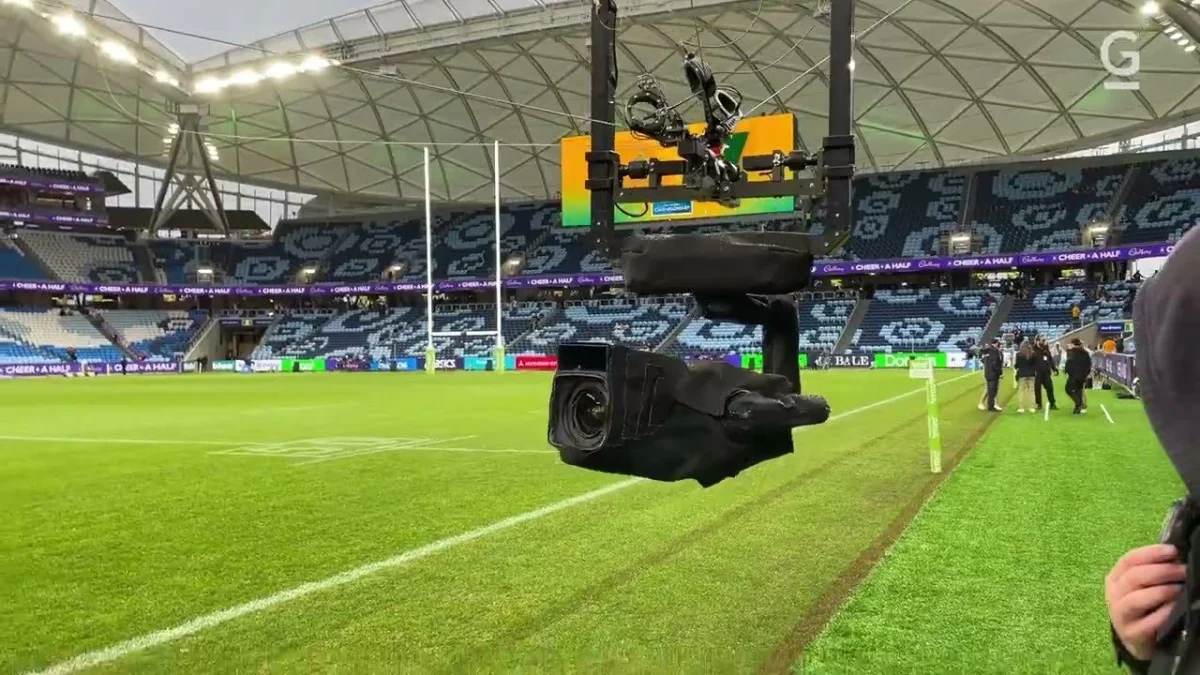
The term "Glambot" has become synonymous with a specific visual style: ultra-slow-motion, hyper-smooth camera movements, often involving a precise dolly-in or pan around a subject, captured by a high-speed camera mounted on an advanced robotic arm. These systems, like the renowned Bolt High-Speed Cinebot, are engineering marvels, capable of executing pre-programmed movements with sub-millimeter precision and repeatable accuracy. They integrate complex motion control software with high-frame-rate cameras, allowing for intricate focus pulls and lighting adjustments to be synchronized perfectly with the camera’s path. Consequently, renting an actual Glambot system entails significant costs, not only for the hardware itself but also for the specialized operators required to program and manage its intricate movements. For a typical convention production budget, such an expenditure is often prohibitive.
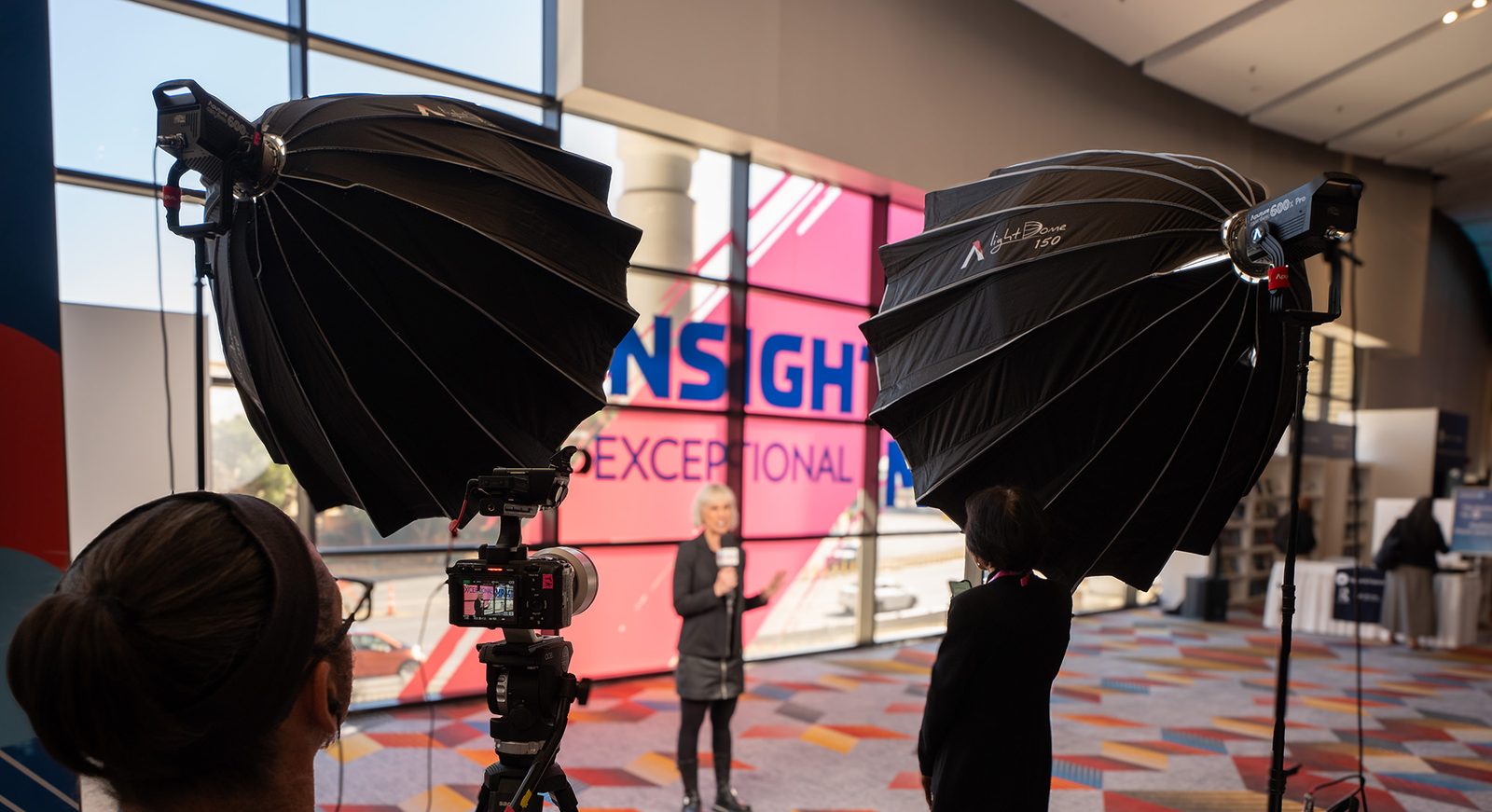
Faced with this budgetary reality, Tony Kim and his team had to devise a practical, on-the-fly alternative that could deliver a visually similar effect. The core challenge lay in mimicking the "Glambot’s" precision and fluidity using handheld or manually operated equipment. The solution hinged on a combination of a high-performance camera, a stable gimbal system, and a substantial amount of controlled lighting.
Technical Ingenuity: Crafting the "Glambot" Alternative
The technical hurdles for achieving convincing high-speed footage are well-documented. To achieve a natural, cinematic look when playing back high-frame-rate footage in a standard 24 frames per second (fps) timeline, the shutter speed must adhere to the 180-degree rule. This principle dictates that the shutter speed should be approximately double the frame rate. In this scenario, shooting at 120 frames per second (fps) in 4K resolution on a Sony FX3, the required shutter speed was precisely 1/240th of a second. Deviating from this rule, either by going too fast or too slow, results in footage that appears either unnaturally choppy or plagued by excessive motion blur, respectively, undermining the desired slow-motion aesthetic.
Beyond shutter speed, achieving critical focus was the second significant challenge. Real Glambots benefit from integrated software that allows for pre-programmed focus pulling, synchronized with the camera’s movement path. Without a dedicated focus puller on set or such advanced automation, the team opted for a strategy to maximize the depth of field. By stopping down the lens to approximately f/8, they created a wider plane of acceptable focus. This allowed for greater leeway as the camera moved in toward the subject, minimizing the risk of subjects drifting out of focus during the dynamic, push-in shots that characterize the "Glambot" style. While this approach provided a safety net for focus, it inherently reduced the amount of light reaching the camera sensor, necessitating a powerful lighting solution.
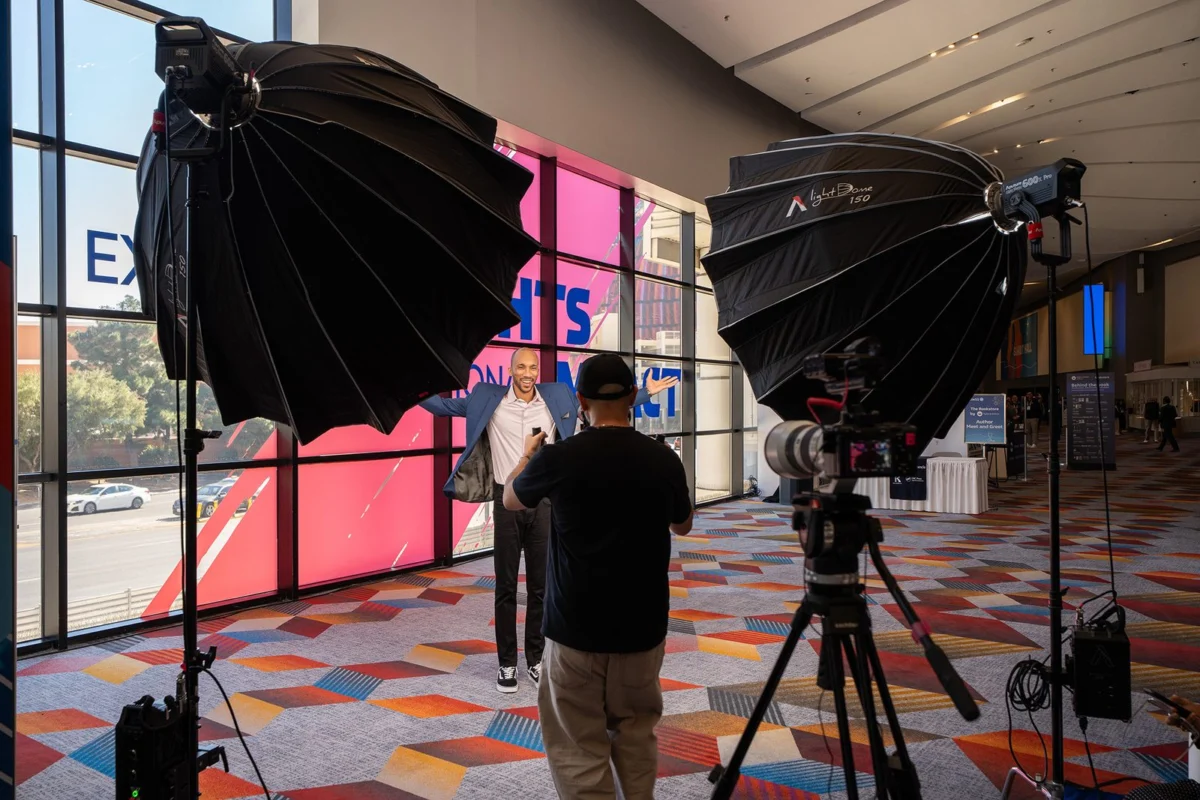
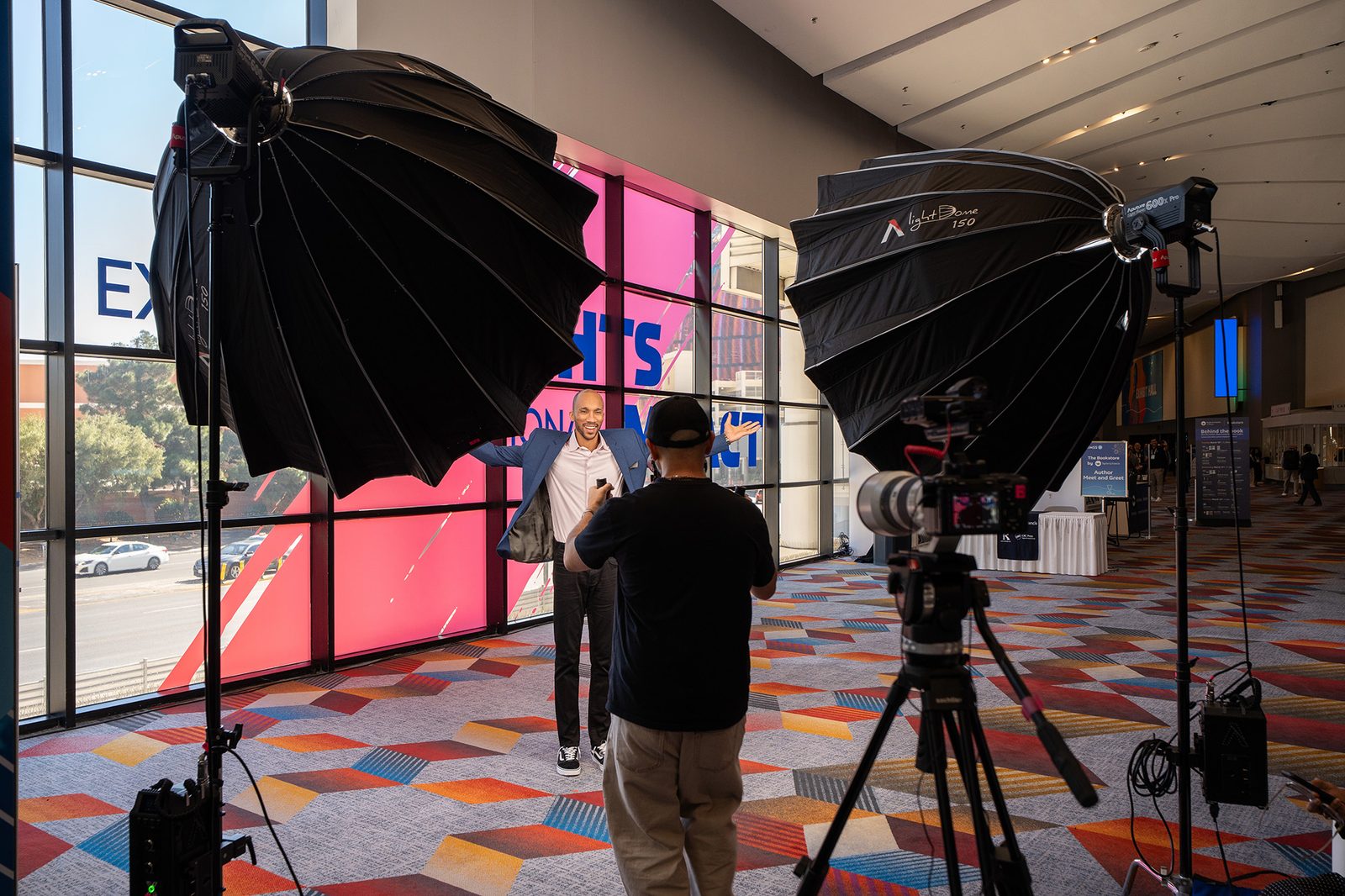
To compensate for the reduced aperture and ensure sufficient exposure for the high-speed capture, the team deployed two Aputure LS 600x Pro Bi-Color LED lights, each fitted with a 60-inch Aputure Light Dome 150 softbox. These robust lighting units, known for their significant output and versatility, provided the necessary "firepower" to illuminate the subjects brightly and evenly, allowing the camera to operate at f/8 without compromising image quality. The large softboxes ensured a soft, flattering light, crucial for the close-up, high-definition nature of the shots.
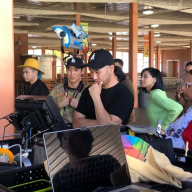
For camera movement, the Sony FX3 was mounted onto a DJI Ronin RS4 Pro gimbal, augmented with Tilta dual handles. While single-handed gimbal operation is feasible for some shots, the precise, controlled push-in motion required for the "Glambot" effect demands superior stability. The addition of dual handles provided the operator with enhanced control, enabling smoother, more deliberate movements and preventing the subtle shakes that can betray a manually operated camera. This setup, after a few practice runs to fine-tune the operator’s technique and subject positioning, yielded results that, while not identical to a robotic arm, delivered a highly compelling and visually impactful approximation of the desired aesthetic on screen.
Seamless Transition: Capturing Authenticity with Person-on-the-Street Interviews
As soon as the "Glambot-style" shots were successfully completed, the production pivoted rapidly to the second client request: person-on-the-street interviews with convention attendees. This segment required a completely different logistical and technical approach, prioritizing speed, clarity, and the comfort of interview subjects who were often unaccustomed to being on camera. The tight timeframe—approximately five minutes per attendee—demanded an exceptionally efficient workflow for both video and audio capture.
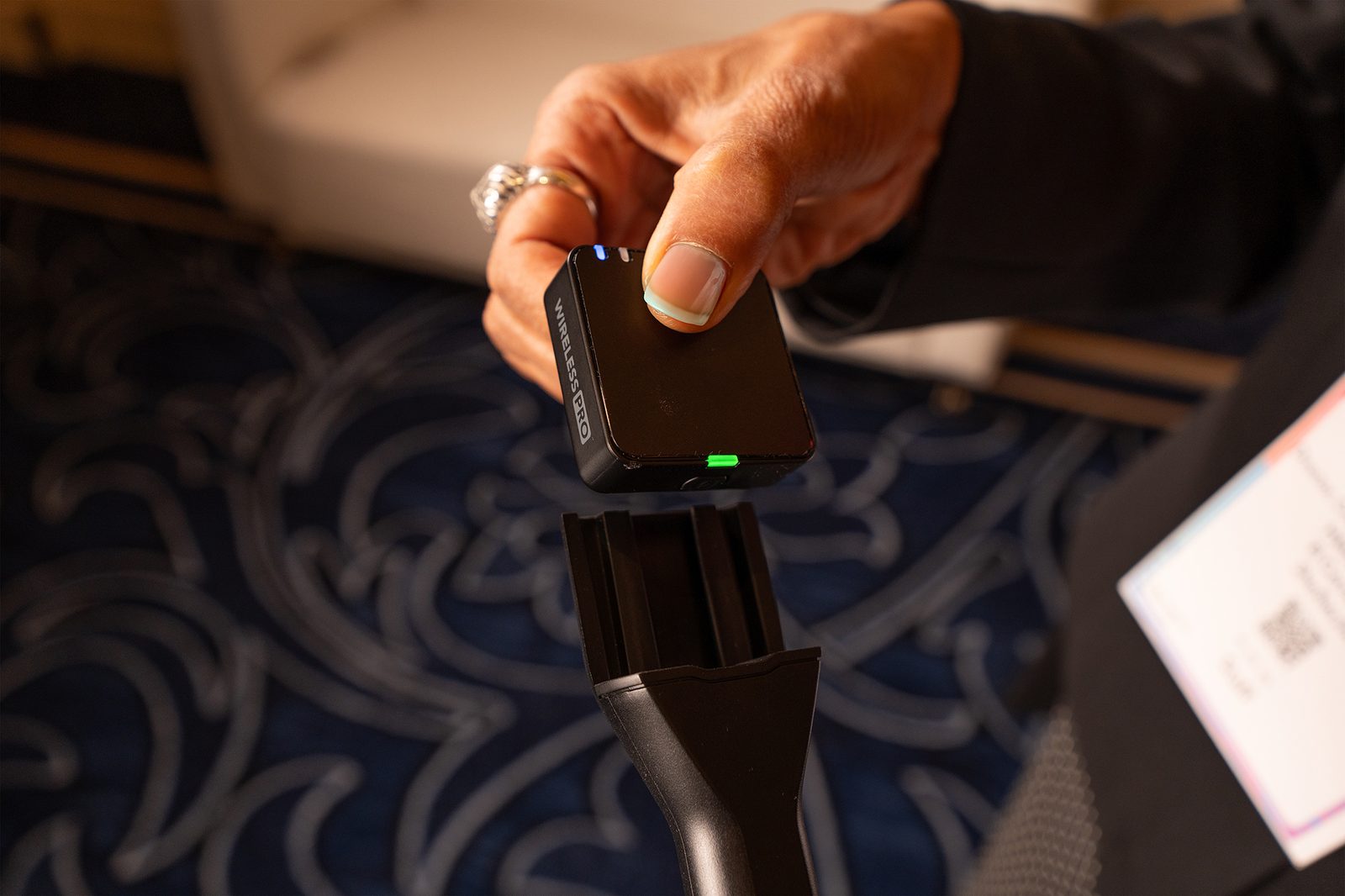
For video, a second Sony FX3 was quickly mounted on a tripod, providing a stable platform for the interviews. The audio solution was critical for capturing clean, broadcast-quality sound in a potentially noisy convention environment. The team opted for the Rode Wireless Pro 2-person lavalier microphone system. A key piece of accessory that streamlined this process was the Rode Interview GO Handheld Mic Adapter. This adapter allowed a Rode Wireless Pro transmitter to be quickly snapped onto a standard handheld microphone, transforming it into an instant, professional-grade interview microphone. This eliminated the time-consuming process of attaching lavalier microphones, routing cables, or managing multiple handheld mics, making it incredibly efficient to hand the microphone directly to an interviewee. The result was clean, fast audio acquisition without any awkward delays or technical fuss.
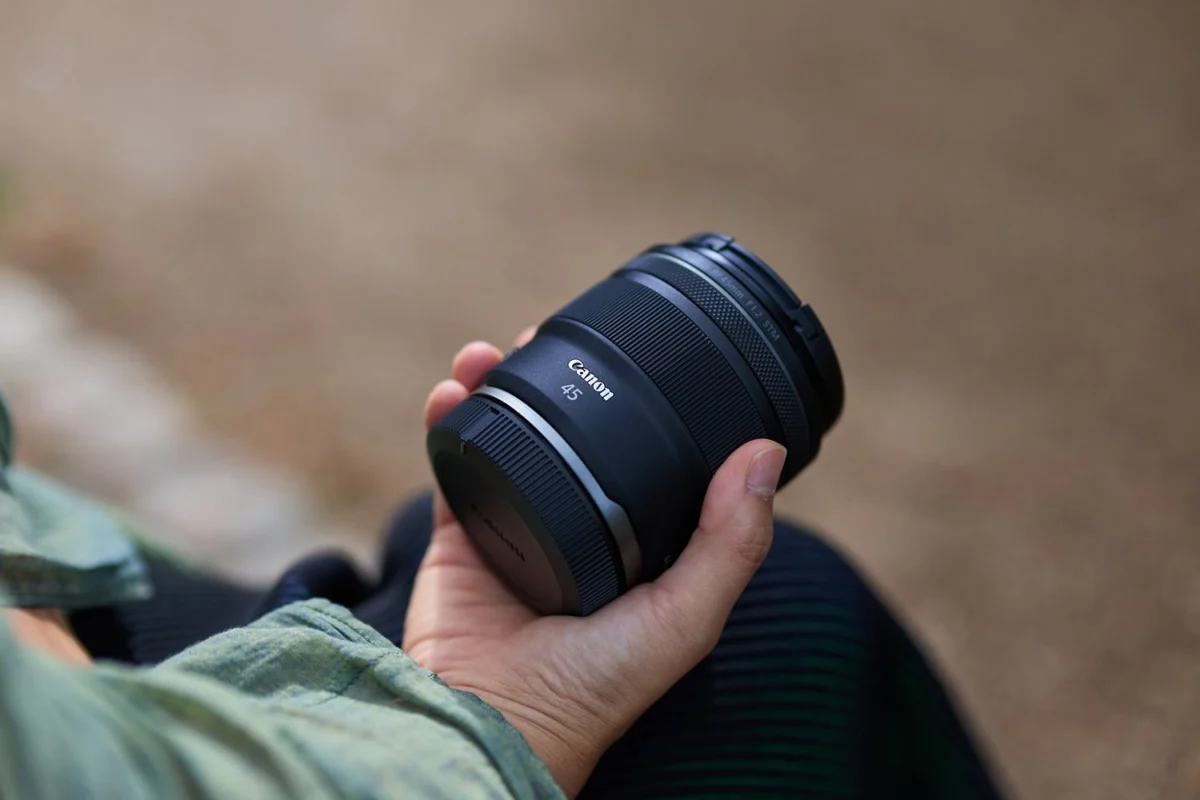
The choice of lens for the interviews was equally strategic. Instead of a wide-angle lens that might feel intrusive, the team used a Sony FE 70-200mm f/4 G OSS telephoto lens. While a longer focal length offers aesthetic benefits like background compression and subject isolation, its primary utility in this context was psychological. Many convention attendees are not professional speakers or media personalities; the sudden presence of a camera and crew can cause visible tension. By using the 70-200mm lens, the videographer could maintain a greater physical distance from the subject, making them feel less "on the spot" and more at ease. This subtle yet effective technique allowed attendees to relax, speak more naturally, and ultimately yield more engaging and authentic responses, proving that sometimes, the best technical choice is one that prioritizes human comfort.
The Ecosystem of Agility: Logistics and Partnerships
The success of this demanding dual-phase shoot was not solely dependent on the on-site team’s technical acumen but also on robust logistical support. The ability to rapidly acquire specialized equipment on demand is a cornerstone of modern, agile production. In this instance, the convenience of services like Lensrentals.com played a pivotal role. As noted by Tony Kim, the capability to order necessary gear and have it delivered directly to the hotel the day before the shoot significantly streamlined the preparation process. This eliminated the need for extensive in-house inventory, reduced capital expenditure, and provided the flexibility to access high-end, specialized tools precisely when needed. Such partnerships enable production teams to be incredibly responsive to evolving client demands, ensuring that even last-minute, complex requests can be met with the right tools without compromising quality.
This model of "just-in-time" equipment acquisition is increasingly critical in an industry characterized by tight budgets, dynamic project scopes, and the rapid evolution of technology. It allows smaller teams to punch above their weight, accessing equipment that would otherwise be out of reach for a typical project rental or purchase.
Implications for Event Production: A Blueprint for Adaptability
This convention shoot serves as a compelling case study for the evolving demands and best practices in event videography. The incident highlights several key implications for the broader industry:
- The Evolving Role of the Videographer: Modern videographers are increasingly expected to be more than just camera operators. They must function as technical consultants, creative problem-solvers, and agile project managers, capable of pivoting between vastly different aesthetic and technical requirements on short notice.
- Innovation Through Resourcefulness: The project demonstrated that high-end cinematic looks are not exclusively the domain of multi-million-dollar setups. With a deep understanding of core photographic principles (lighting, focus, frame rate) and judicious equipment choices, compelling visual results can be achieved through innovative, budget-conscious methods. This democratizes access to sophisticated aesthetics.
- The Value of Versatile Equipment: The chosen gear—the Sony FX3, DJI Ronin RS4 Pro, Aputure lights, and Rode audio solutions—are all highly versatile tools. Their ability to perform exceptionally across different scenarios (high-speed cinematic, interview, general coverage) was crucial in minimizing the equipment footprint and maximizing efficiency during rapid transitions.
- Client Expectations vs. Budgetary Realities: Clients are increasingly exposed to high-production-value content across various media and often desire similar aesthetics for their own projects, regardless of budget. Production teams must bridge this gap by offering creative alternatives that meet visual expectations without overspending.
- Strategic Partnerships are Essential: The reliance on equipment rental services underscores the importance of a robust ecosystem of support services in the production industry. These partnerships empower teams to scale their capabilities up or down as needed, fostering greater project flexibility and financial efficiency.
Ultimately, the success on this convention shoot underscores a fundamental truth in media production: true achievement stems not from possessing the most expensive gear or the largest crew, but from an unwavering commitment to adaptability and a profound understanding of how to leverage available tools to their maximum potential. The seamless shift from mimicking high-end cinema tech with a gimbal and powerful lights to executing efficient, empathetic journalistic interviews exemplifies this principle. In an industry where curveballs are an inevitable part of the game, preparedness, ingenuity, and a solution-oriented mindset remain the most valuable assets, ensuring that the results consistently speak for themselves, regardless of the challenges thrown their way. This approach not only delivers client satisfaction but also sets a new standard for resourceful and agile production in live event coverage.