The emergence of high-fidelity mobile optics has revolutionized the discipline of street photography, allowing practitioners to capture candid urban moments without the encumbrance of heavy traditional gear. While many photographers historically favored the "golden hour" or clear skies, a growing movement within the digital arts community emphasizes the creative potential found in inclement weather. Professional fine art street photographers, such as Philadelphia-based Andrew Gimblet, argue that rain, snow, and fog provide unique atmospheric conditions that transform mundane cityscapes into compelling visual narratives. By leveraging the specific hardware and software capabilities of the iPhone, photographers can navigate these challenging environments to produce professional-grade imagery.
Technical Foundations and Hardware Resilience
The viability of "bad weather" photography is largely supported by the technical evolution of the iPhone. Since the introduction of the iPhone 7, Apple has prioritized water resistance, with current models typically boasting an IP68 rating under IEC standard 60529. This rating signifies that the devices can withstand submersion in up to six meters of water for a duration of 30 minutes. For the street photographer, this hardware resilience mitigates the risk of electronic failure during heavy downpours or snowstorms, allowing for a focus on composition rather than equipment safety.
Furthermore, the integration of computational photography—specifically features like Deep Fusion and Smart HDR—enables the iPhone to manage the complex lighting often found during storms. In low-light rainy conditions or high-albedo snowy environments, the device’s processor performs millions of operations per second to balance exposure and preserve detail in both shadows and highlights.
Tactical Methodology for Rainy Environments
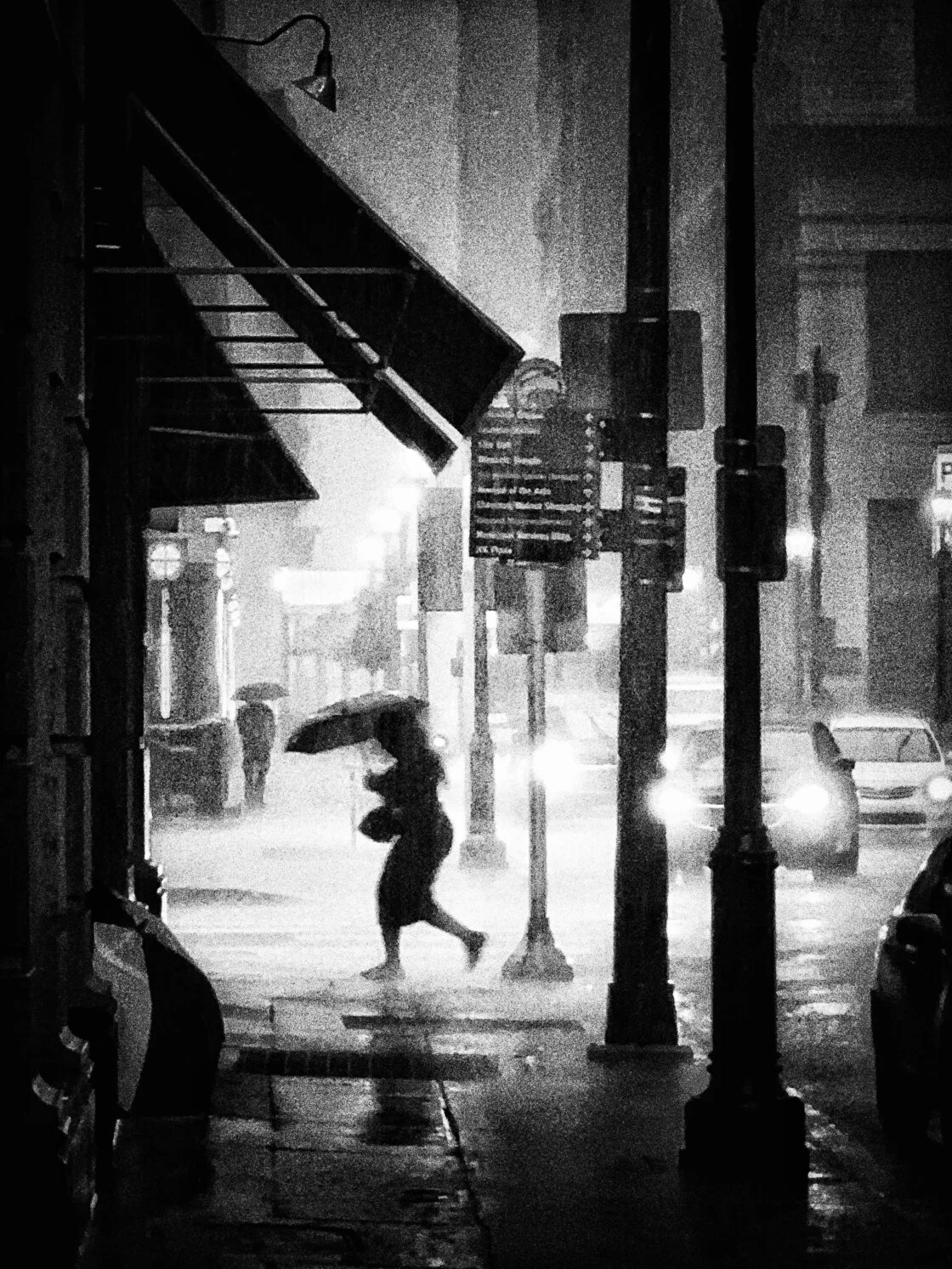
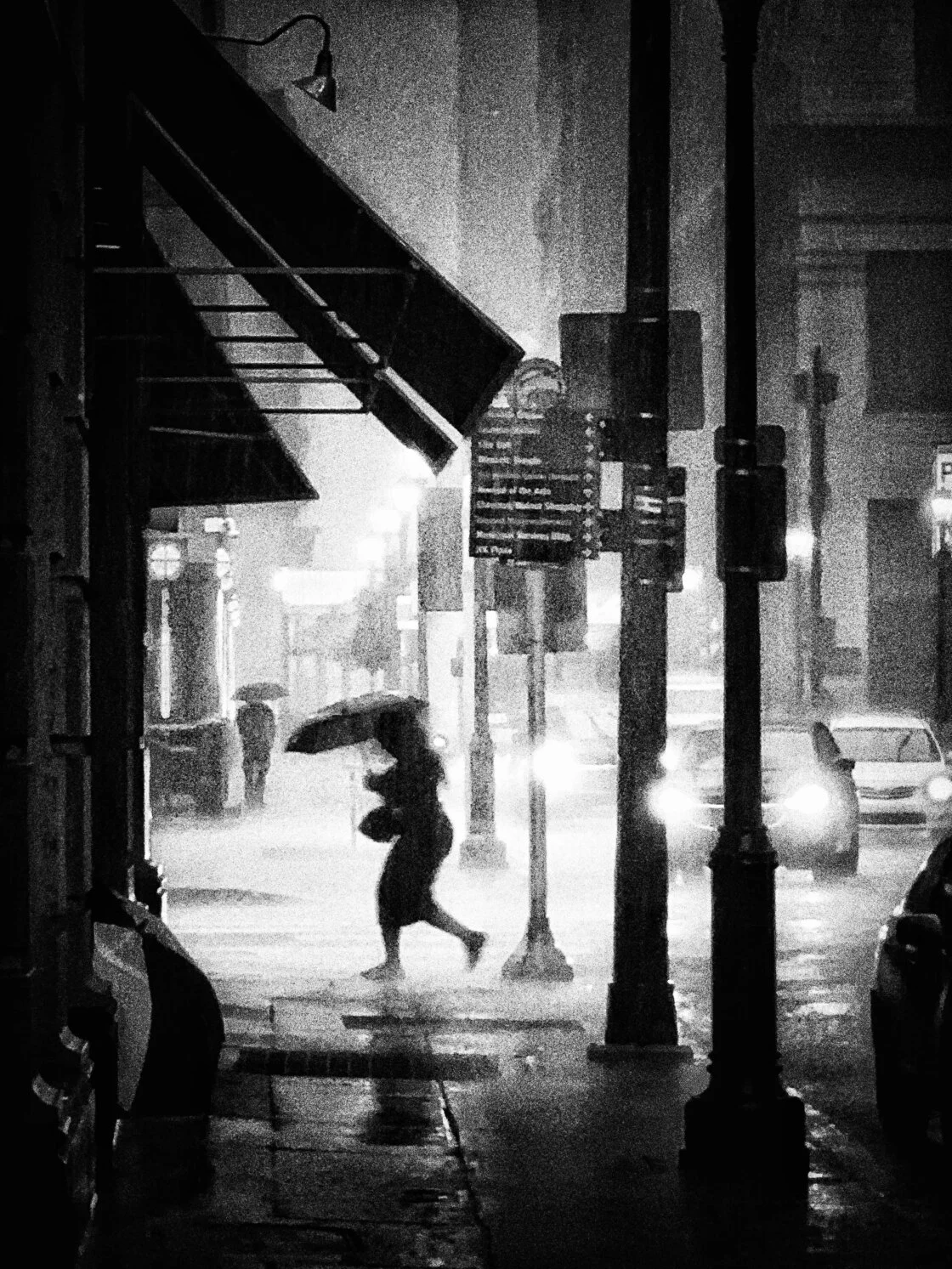
Rain presents a dual opportunity for street photographers: the introduction of new physical elements, such as umbrellas and wet surfaces, and a shift in human behavior. To maximize these opportunities while maintaining comfort, experts suggest a tactical approach to positioning.
1. Strategic Positioning and Shelter
Rather than venturing into the center of a downpour, photographers should utilize the "fishing hole" technique. This involves identifying covered areas—such as building awnings, bus stops, archways, or doorways—and waiting for subjects to enter the frame. This stationary approach allows for more deliberate composition and keeps the camera lens free from water droplets that might obscure the image.
2. Umbrellas as Narrative Focal Points
In a journalistic context, umbrellas serve as more than just utilitarian objects; they are geometric shapes that provide a strong focal point. The bold colors and repetitive circular forms of umbrellas can be used to create contrast against the often-grey backdrop of a rainy city. Andrew Gimblet notes that the use of umbrellas adds a storytelling element, signaling the subject’s interaction with their environment and adding a sense of urgency or protection to the frame.
3. Macro-Focusing Through Glass
One of the most effective creative techniques in rainy weather involves shooting through transparent barriers. By placing the iPhone lens close to a window covered in raindrops—whether in a café, a bus, or a transit shelter—photographers can create a layered composition. By tapping the screen to set the focus manually on the water droplets, the background becomes a soft, impressionistic blur. This technique utilizes the wide aperture of the iPhone’s primary lens to create a natural "bokeh" effect, drawing the viewer into a more intimate, abstract perspective of the city.
The Geometry and Physics of Reflections
Post-precipitation conditions offer a different but equally potent set of visual tools, primarily through the emergence of reflections.
4. Low-Angle Puddle Photography
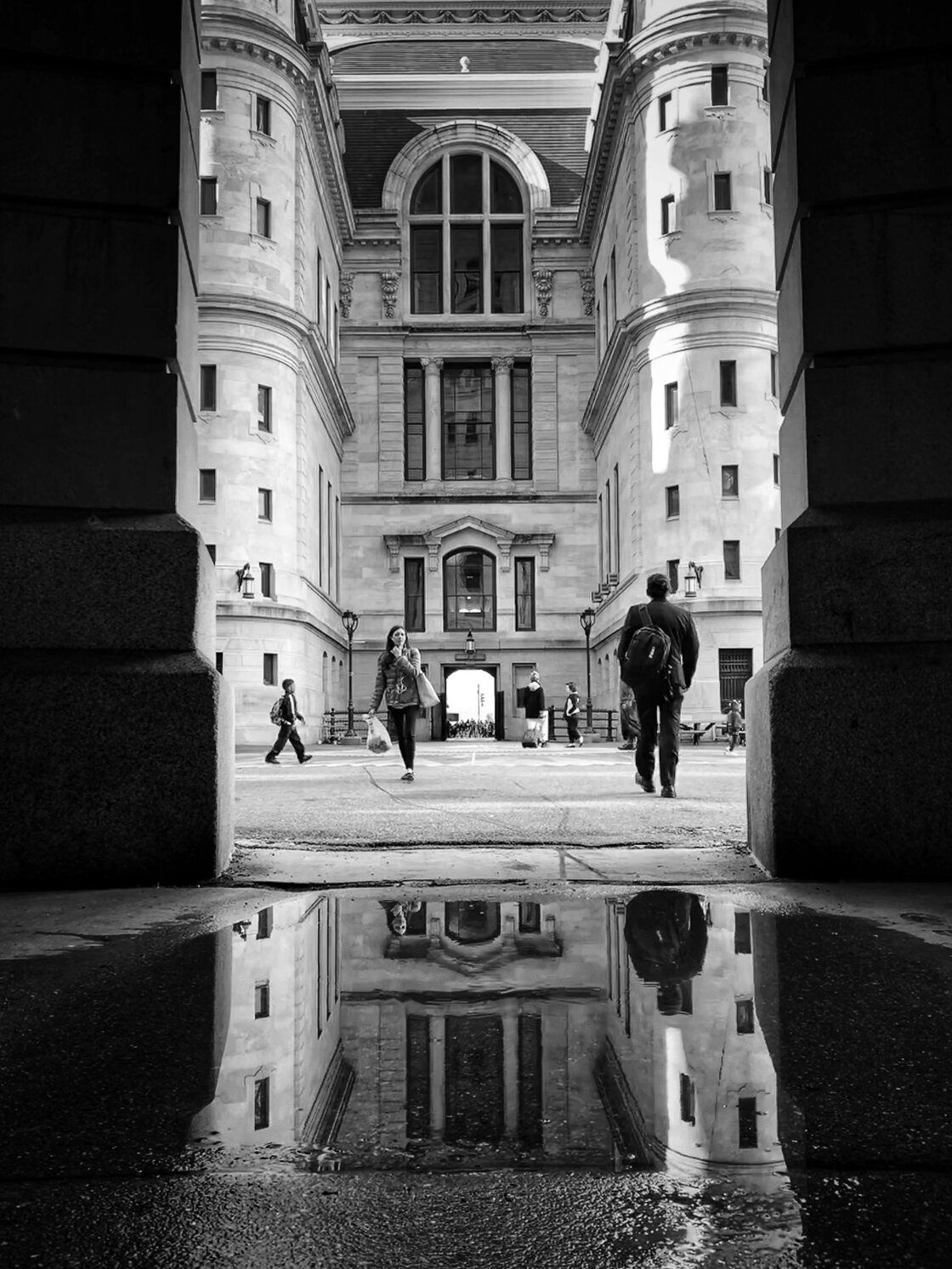
Puddles act as natural mirrors, reflecting the surrounding architecture and sky. To capture these effectively, the photographer must adjust their physical perspective. Crouching low to the ground and inverting the iPhone—placing the lens at the bottom of the device near the water’s surface—minimizes the gap between the real world and its reflection. This creates a near-seamless symmetrical image.
5. Inversion and Psychological Impact
A common post-processing technique among street photographers is the 180-degree vertical flip. By inverting a reflection photo so the "water world" is at the top of the frame, the photographer creates a sense of cognitive dissonance for the viewer. This forces a longer engagement with the image as the brain attempts to resolve the perspective. Practitioners can achieve this within the native iOS Photos app or third-party editors like Snapseed.
Navigating High-Albedo and Low-Visibility Scenes
Snow and fog represent the extremes of urban photography, requiring specific adjustments to the iPhone’s automatic settings.
6. Managing Exposure in Snowy Conditions
Snow photography is notoriously difficult for automated sensors. Because snow reflects a high percentage of ambient light, the iPhone’s light meter may incorrectly assume the scene is overexposed, resulting in "grey" snow. To counteract this, photographers must use the manual exposure slider. After tapping to set the focus on a subject, swiping up on the sun icon increases the exposure, ensuring the snow remains a crisp, brilliant white.
7. Storytelling Through Winter Elements
Snow transforms the acoustic and visual landscape of a city, often resulting in more isolated, dramatic human interactions. Experts suggest looking for subjects whose body language reflects the struggle against the elements—bent shoulders, heavy coats, or the act of clearing paths. Using urban architecture like bridges or crosswalks as frames helps ground these stories in a specific metropolitan context.
8. Fog and Atmospheric Perspective
Fog is highly prized for its ability to simplify a cluttered urban environment. It acts as a natural "depth filter," where objects in the foreground remain sharp while the background gradually fades into a grey void. This creates a strong sense of atmospheric perspective. To enhance this effect, photographers should seek out leading lines—such as roads or railings—that disappear into the mist.
9. The Silhouette Technique
Low-visibility conditions like fog are ideal for silhouette photography. By positioning a subject against the brightest part of the fog and reducing the exposure (swiping down on the screen), the photographer can render the subject as a dark, anonymous figure. This adds a layer of mystery and universality to the image, a hallmark of the fine art street style.
Post-Processing and Software Analysis
The final stage of bad-weather photography involves digital enhancement to accentuate the "mood" of the scene.
The Role of Black and White Conversion
A significant challenge of bad weather is "muddy" color palettes—low-saturation greys and browns that can make a photo feel flat. Converting these images to black and white removes the distraction of dull colors and emphasizes texture, contrast, and form. High-contrast black and white edits are particularly effective for rain and fog, as they highlight the play between light sources (like street lamps) and deep shadows.
Essential Editing Applications
While the native iOS editor is robust, professional results often require specialized tools:
- Lightroom Mobile: Offers advanced masking and tonal control.
- Snapseed: Known for its "Tune Image" and "Selective" adjustment tools.
- Blackie: A dedicated app for black and white photography that emulates various film stocks.
Broader Impact and Industry Implications
The shift toward embracing "bad weather" in mobile photography reflects a broader trend in the democratization of the arts. As smartphone technology narrows the gap between amateur and professional hardware, the differentiator becomes the photographer’s willingness to endure uncomfortable conditions for the sake of a unique shot.
Market data indicates that the "Street Photography" hashtag on platforms like Instagram has surpassed 100 million posts, with a significant sub-sector dedicated to "Moody" or "Cinematic" urban captures. This aesthetic is heavily reliant on the weather conditions discussed. Furthermore, the ability to capture, edit, and publish high-quality work during a storm directly from a single device has shortened the news and art cycle, allowing for real-time documentation of urban life during extreme weather events.
Conclusion
Andrew Gimblet’s work serves as a case study for the potential of the iPhone as a serious artistic tool. By ignoring the conventional wisdom that suggests staying indoors during storms, photographers can access a visual world that is often overlooked. The combination of hardware water resistance, computational exposure management, and creative post-processing allows the modern iPhone user to transform a rainy commute or a foggy morning into a work of fine art. As urban environments continue to evolve, the documentation of these cities through the lens of "bad" weather remains one of the most vibrant and technically interesting frontiers of mobile photography.