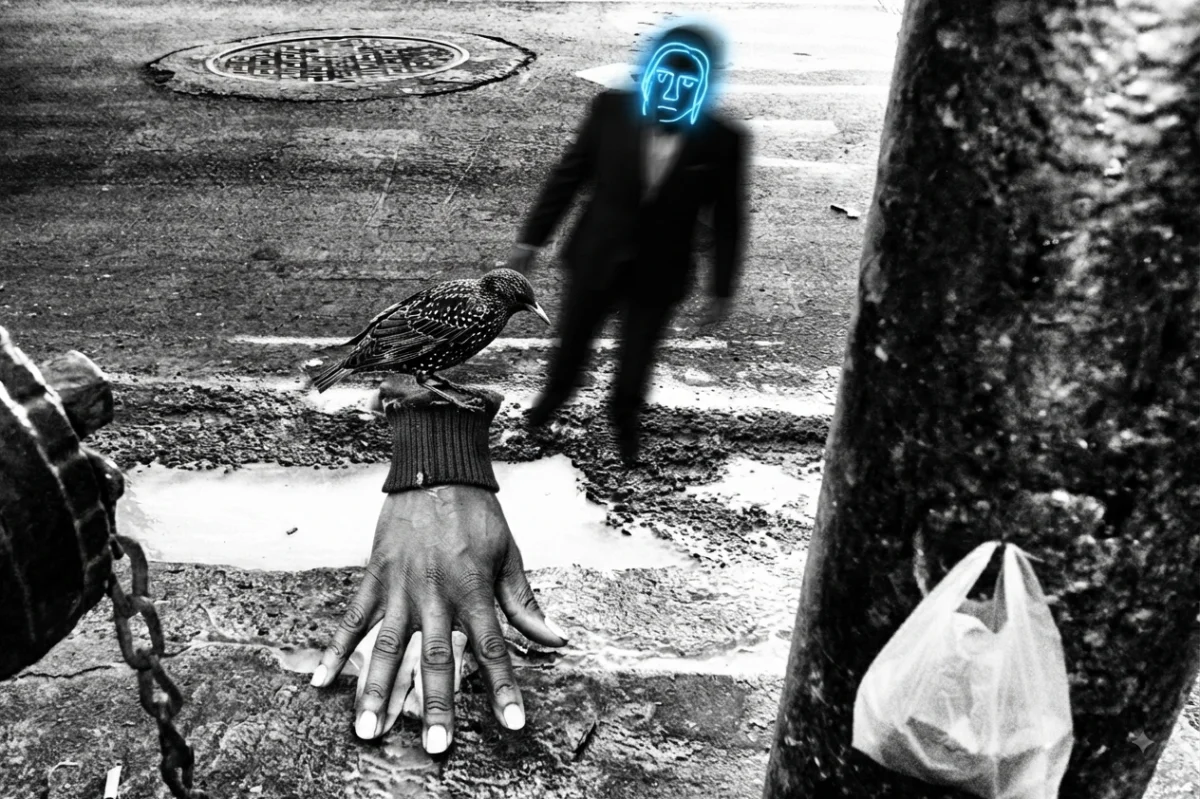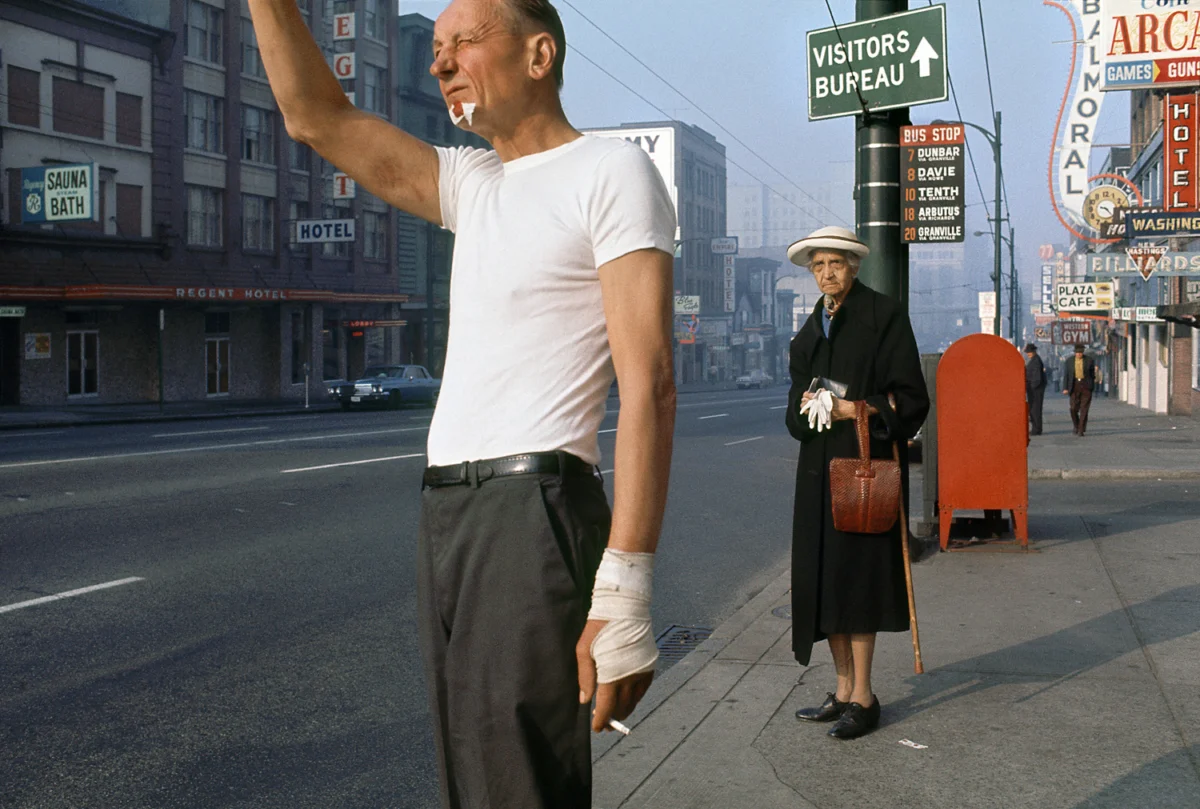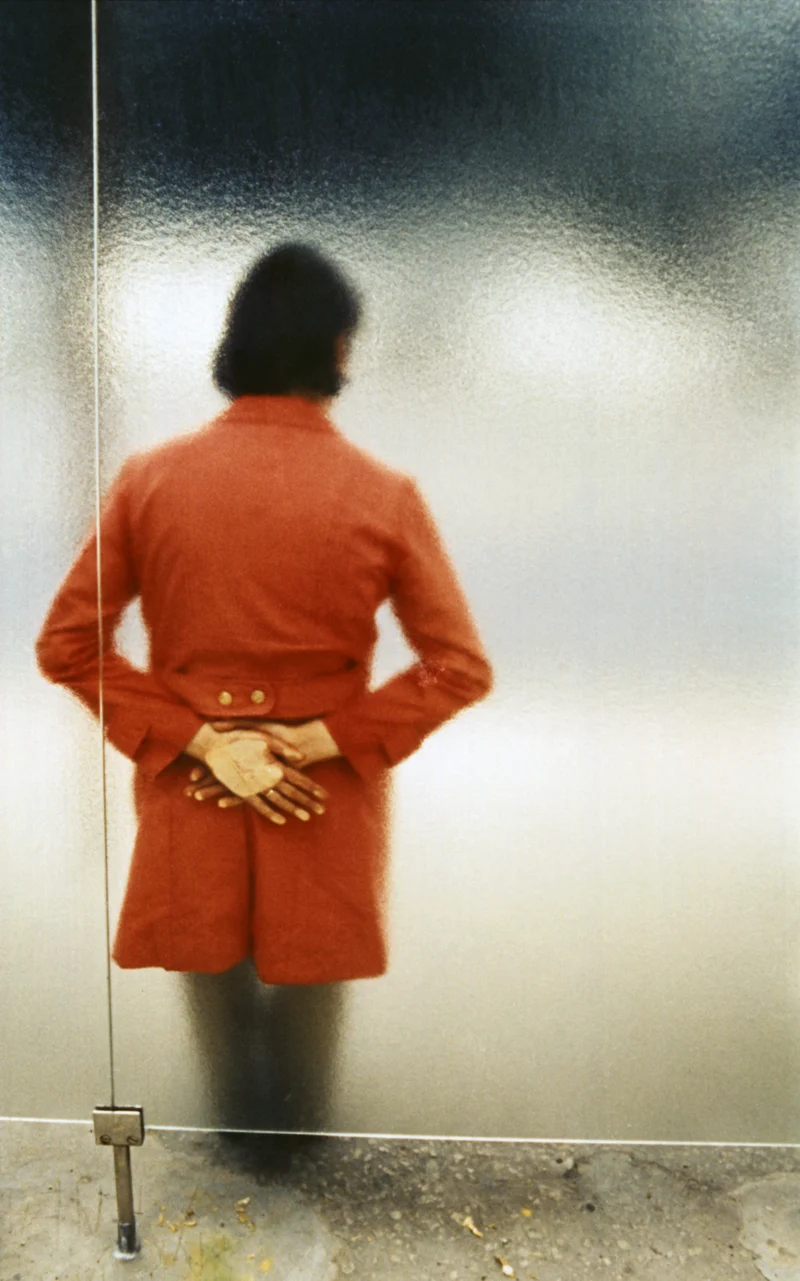
The foundational shift in artistic expression, marked by the advent of Impressionism in the late 19th century and the rise of street photography in the 20th, reveals a profound and often overlooked kinship. While separated by time and medium, these movements share a common visual language, driven by technological innovation, a departure from academic tradition, a redefinition of subject matter, and a revolutionary approach to light and color. This exploration delves into the parallel evolution of these artistic forces, drawing parallels that offer street photographers contemporary insights and a deeper understanding of their craft.
The Catalytic Power of Technology
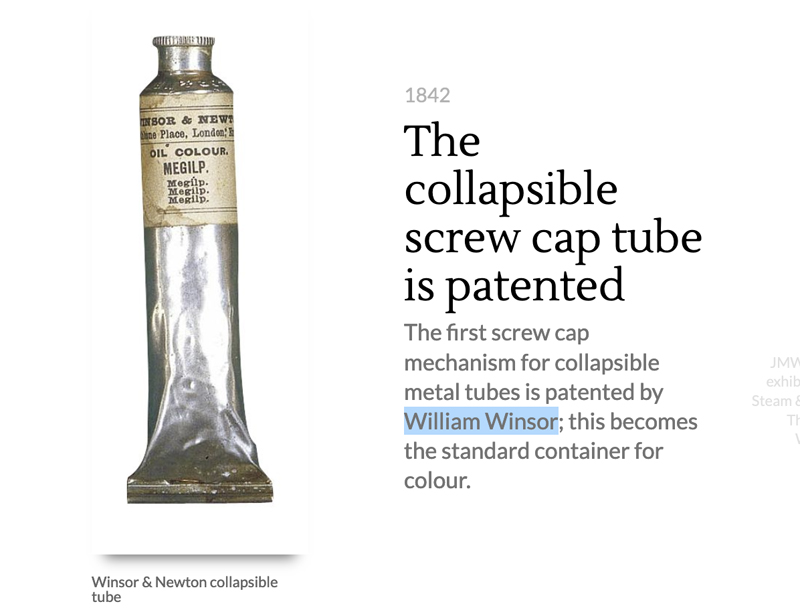
The genesis of Impressionism was intrinsically linked to technological advancements, most notably the invention of the collapsible paint tube by John Goffe Rand in 1841. Prior to this innovation, artists were tethered to their studios, meticulously grinding pigments and mixing their own oil paints – a laborious and time-consuming process that limited their palette and mobility. The ready-made paint tube, manufactured by companies like Winsor & Newton and Lefranc & Bourgeois, liberated painters from this constraint. This seemingly simple invention, coupled with the burgeoning industrial production of a wider array of pigments, democratized art-making. Artists could now venture outdoors, or "en plein air," directly engaging with the transient effects of natural light and capturing the fleeting moments of everyday life. This newfound freedom profoundly altered their perception and representation of the world.
A comparable technological revolution occurred in the realm of photography. Early photographic processes, such as the wet plate collodion method prevalent until the late 19th century, demanded photographers work in close proximity to a darkroom. The development of dry glass plates and, subsequently, flexible celluloid film, mirrored the impact of the paint tube. These innovations allowed photographers to break free from the studio, enabling greater spontaneity and accessibility. The introduction of the reloadable film cassette by Leitz in 1924, alongside the practical 35mm camera, was a watershed moment. This combination rendered photography more portable, efficient, and democratic than ever before, laying the groundwork for the spontaneous, observational style that would define street photography. The timeline of these innovations highlights a consistent pattern: technological breakthroughs consistently precede and enable significant artistic shifts.
A Departure from Academic Rigidity
Both Impressionism and street photography emerged as counter-movements to established artistic and photographic conventions. The Impressionists, including luminaries like Claude Monet, Pierre-Auguste Renoir, Edgar Degas, and Camille Pissarro, consciously distanced themselves from the rigid doctrines of academic art institutions. While many received some form of artistic instruction, their distinctive styles were largely forged outside the official academy. They prioritized subjective perception and the capture of ephemeral moments over the meticulous detail and historical narratives favored by their academic predecessors.
Similarly, the pioneers of street photography – Henri Cartier-Bresson, Helen Levitt, William Klein, Joel Meyerowitz, Garry Winogrand, Lee Friedlander, Saul Leiter, Fred Herzog, William Eggleston, and Vivian Maier – often operated independently of formal photographic education. While some attended art schools, their photographic education was largely self-directed, learned through observation, experimentation, and immersion in the visual culture of their time. This shared characteristic suggests that groundbreaking artistic movements often germinate outside traditional educational structures, driven by individual vision and a willingness to challenge accepted norms. Michiel van Mens’ own research into the "Photographic Signature of the Street Photographer" indicates that only a small fraction of influential street photographers completed formal photographic education, underscoring this trend.
Redefining Subject Matter: The Everyday Elevated
A hallmark of both Impressionism and street photography is their revolutionary approach to subject matter. The Impressionists eschewed grand historical, mythological, or religious themes in favor of scenes from everyday life: bustling city streets, intimate cafés, verdant landscapes, and portraits of ordinary people. They found artistic merit in the commonplace, transforming the mundane into the extraordinary. Their canvases became windows into the lived experience of their era.
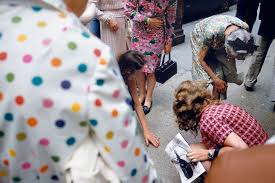
The first generation of street photographers echoed this sentiment with remarkable fidelity. They turned their lenses towards the anonymous passerby, the fleeting gesture, the ordinary street corner, and the rhythms of daily existence. Photographers like Helen Levitt, Ernst Haas, Fred Herzog, and Luigi Ghirri elevated street life to a primary artistic subject. Their images captured the poetry in the ordinary – children at play, parked cars, shop windows, and neon signs. Stephen Shore, in particular, expanded this concept to its extreme, finding artistic potential in hotel rooms, bathrooms, and even meals. This shared embrace of the quotidian signifies a profound shift in artistic perception, asserting that profound beauty and meaning reside not only in grand spectacles but also in the quiet, often overlooked moments of daily life.
The Dance of Light and Shadow
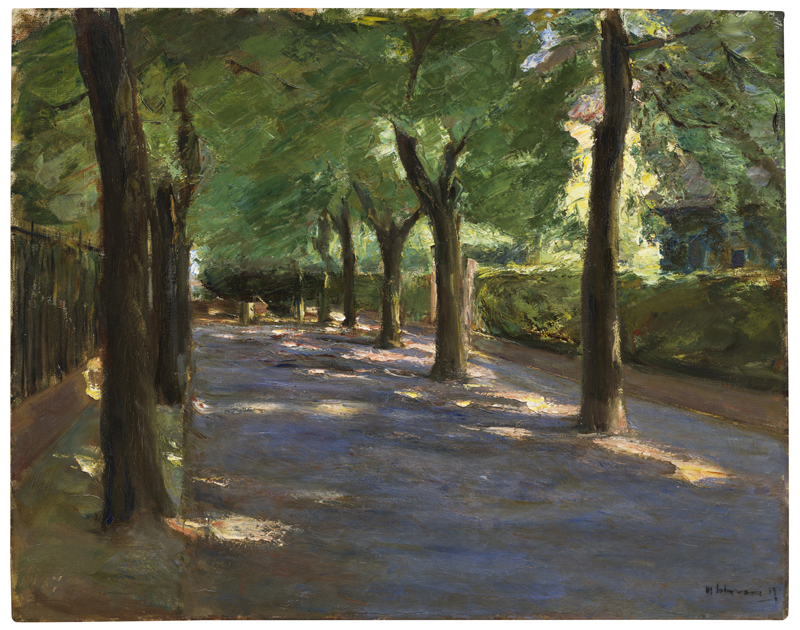
Perhaps the most compelling parallel between Impressionism and street photography lies in their shared fascination with light and its interplay with shadow. The Impressionists made light itself a subject. Max Liebermann’s "Die Colomierstraße in Wannsee" (1917), for instance, transcends a mere depiction of a country road; it is an ode to the dappled sunlight filtering through leaves, transforming an ordinary scene into something poetic. This approach underscores a fundamental paradox: light’s visibility is amplified by the presence of shadow. The more darkness an artist embraces, the more intensely the viewer experiences the luminosity.

This same principle is evident in the work of street photographers such as William Eggleston, Helen Levitt, Fred Herzog, and Saul Leiter. They understood that light was not merely a tool for illumination but a powerful element capable of shaping mood, guiding the viewer’s eye, and imbuing scenes with emotional resonance. The quality of light on an ordinary street corner could, in their hands, transform it into a compelling visual experience. The dynamic interplay of light and shadow, the very essence of visual perception, became a deliberate artistic choice, adding depth, atmosphere, and a palpable sense of presence to their images. This fascination with light as a subject, rather than merely a descriptive tool, is a direct inheritance from the Impressionist ethos.
The Embrace of Color and its Reception
The advent of readily available pigments and the exploration of color theory profoundly impacted Impressionist painting. They moved beyond the earthy tones of earlier periods, embracing a broader and more vibrant palette. The Impressionists understood that color was not merely for accurate representation but for interpretation, used to convey mood, sensation, and the artist’s subjective experience. The Impressionist use of violet, for example, was not solely descriptive but employed to depict light, atmosphere, and shadow with nuanced luminosity.
A parallel narrative unfolds in the history of color photography. At a time when black-and-white photography was considered the artistic standard, photographers like Helen Levitt, Saul Leiter, Mitch Epstein, William Eggleston, and Fred Herzog deliberately embraced color. William Eggleston’s pioneering work with the dye-transfer process, yielding photographs with exceptionally rich and saturated colors, was instrumental in this shift. Despite initial skepticism and criticism, which often dismissed their work as mere "snapshots" or commercially oriented, these photographers, like their Impressionist predecessors, challenged conventions. They demonstrated that color, far from being a superficial addition, could be a powerful expressive tool, capable of shaping mood and transforming ordinary scenes into compelling visual narratives. The resistance to color photography mirrors the initial dismissiveness of Impressionist works, highlighting a recurring pattern of established institutions struggling to accept radical artistic departures.
Criticism and Acceptance: A Shared Trajectory
The reception of both Impressionism and street photography followed a remarkably similar arc, from initial ridicule to eventual acclaim. The term "Impressionist" was coined by critic Louis Leroy as a derogatory label, suggesting the paintings were unfinished and merely fleeting impressions. The artists, however, embraced the term, transforming a dismissive insult into the banner of a revolutionary movement.
Similarly, early street photographers faced significant criticism. William Eggleston’s 1976 exhibition at the Museum of Modern Art (MoMA) was met with disbelief, with many critics labeling his photographs as casual "snapshots" devoid of artistic intent. Photographers working in color, in particular, often struggled for recognition, with black-and-white being the perceived bastion of artistic legitimacy. However, as history has demonstrated, what was once dismissed as amateurish or incomplete is now celebrated as groundbreaking. The very elements that drew criticism – the focus on everyday life, the subjective use of color, and the emphasis on fleeting moments – are now recognized as the defining characteristics of a significant artistic genre. This historical parallel offers a valuable lesson: perceived flaws can often be the seeds of innovation, and criticism can, in hindsight, be a testament to the radical nature of artistic progress.
The Enduring Legacy for Contemporary Photographers
The lessons learned from the Impressionist movement offer contemporary street photographers a robust framework for artistic development. The understanding of light as a subject, rather than a mere tool, is paramount. The deliberate use of contrast, the interplay of light and shadow, can elevate a photograph from a simple record to an evocative statement. As Michiel van Mens emphasizes, "Light becomes visible through shadow. Large dark areas can strengthen an image and draw attention to the light within it."
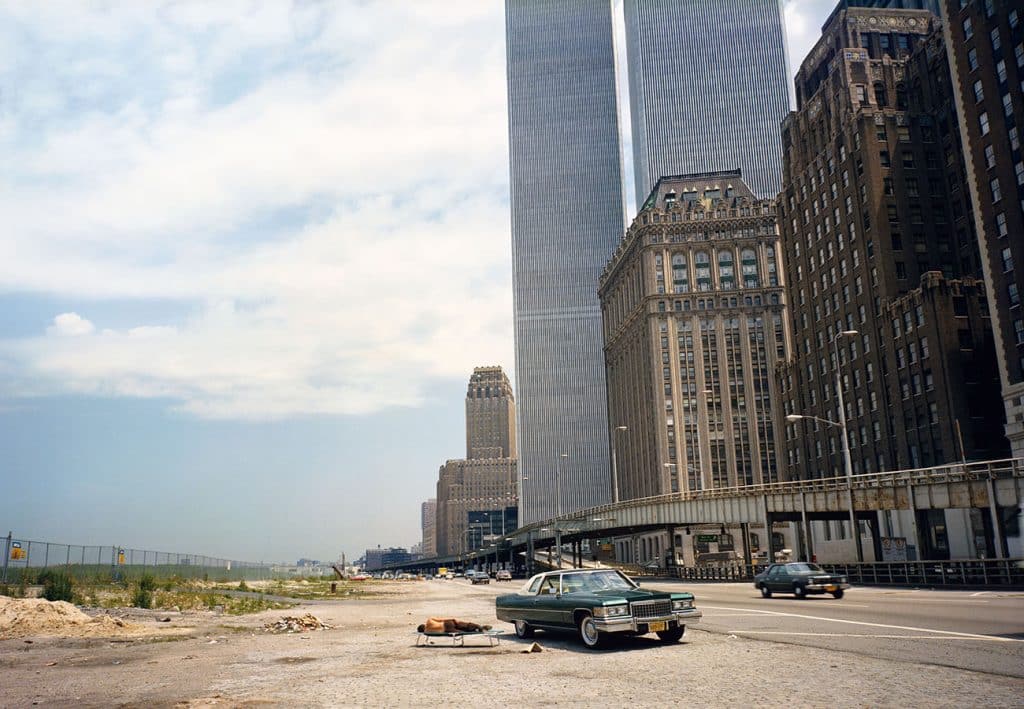
Furthermore, the exploration of color, much like the Impressionists’ embrace of new pigments, provides a rich avenue for expression. Contemporary photographers, armed with digital tools for post-processing, color grading, and filters, can enhance the expressive power of their images, shaping mood and guiding viewer perception. The distinct color palettes of technologies like Polaroid in the 1970s serve as a reminder that our perception of "realism" in color is inherently tied to the technological and cultural context of an era. Today’s smartphone images will likely evoke similar nostalgic and context-specific associations for future generations.
The historical precedent set by both movements underscores the transformative power of embracing new technologies. The paint tube, the camera, digital editing software, and emerging AI tools all represent opportunities for artistic evolution. As Van Mens notes, "Artists who embrace new technologies are often criticized by the established authorities of their time. Perhaps this is because expertise is easier to maintain when nothing changes." The history of art is replete with examples of innovators who were initially met with resistance, only to become revered figures whose work reshaped artistic landscapes. The contemporary street photographer is therefore encouraged to engage with these new possibilities, understanding that artistic progress often blossoms at the intersection of curiosity and technological advancement. Projects like Phil Toledano’s "Edward Trevor: Never Seen the Light" suggest potential future directions for street photography, demonstrating that innovation continues to push the boundaries of the genre.
The profound connections between Impressionism and street photography serve as a powerful reminder that artistic evolution is a continuous dialogue. By studying the masters of the past, contemporary artists can gain invaluable insights, refine their vision, and contribute to the ongoing narrative of visual expression. The shared journey of these two movements—from technological innovation and academic defiance to the elevation of the everyday and the masterful manipulation of light and color—offers a timeless blueprint for understanding and creating compelling art.