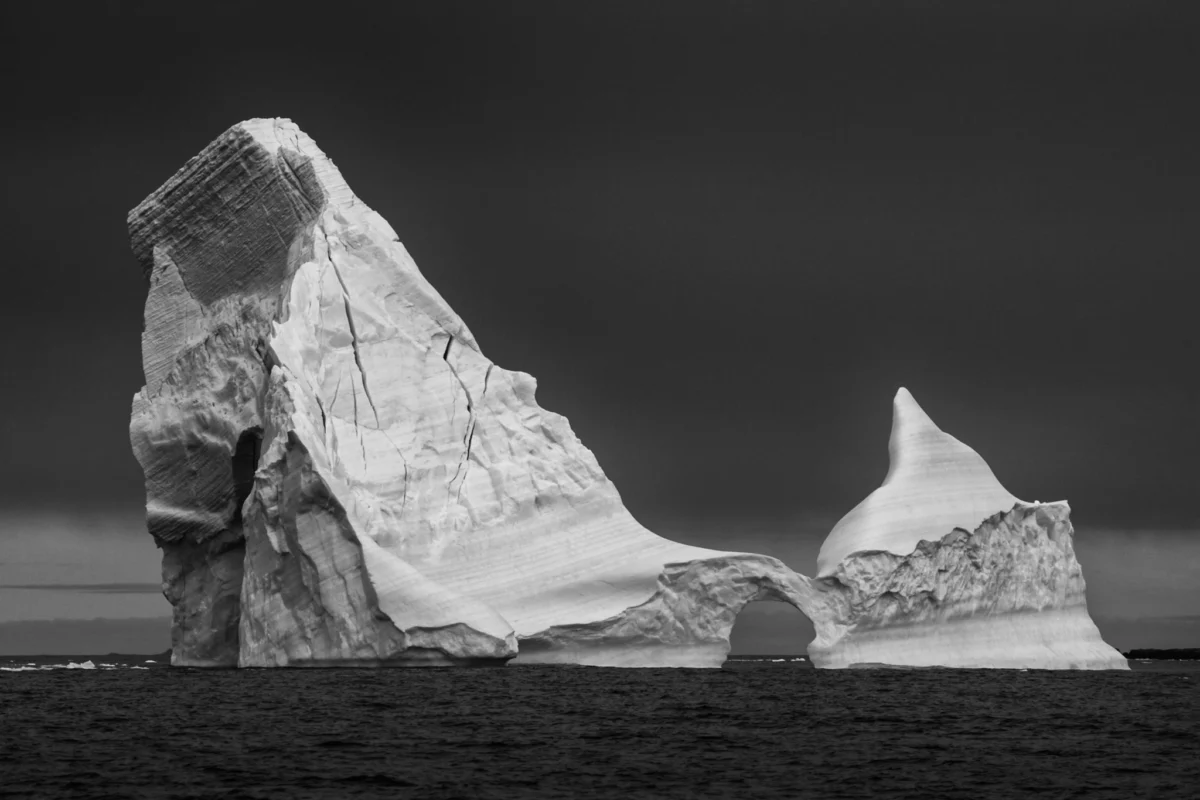
When my parents chose to move our small family from Saskatchewan to the remote Arctic and undertake the biggest adventure of our lives, we had to let go of certain comforts. Both my mother and father came from farming families and inherited the unyielding work ethic that serves as the backbone of Canada’s heartland. Still, we found joy in the simple pleasures afforded by society—easy access to family, mild summer evenings, and the predictable cycles of the seasons. Uprooting to the Arctic meant trading the familiar for the unknown, but I quickly found that the benefits of living closer to nature far exceeded what we left behind.
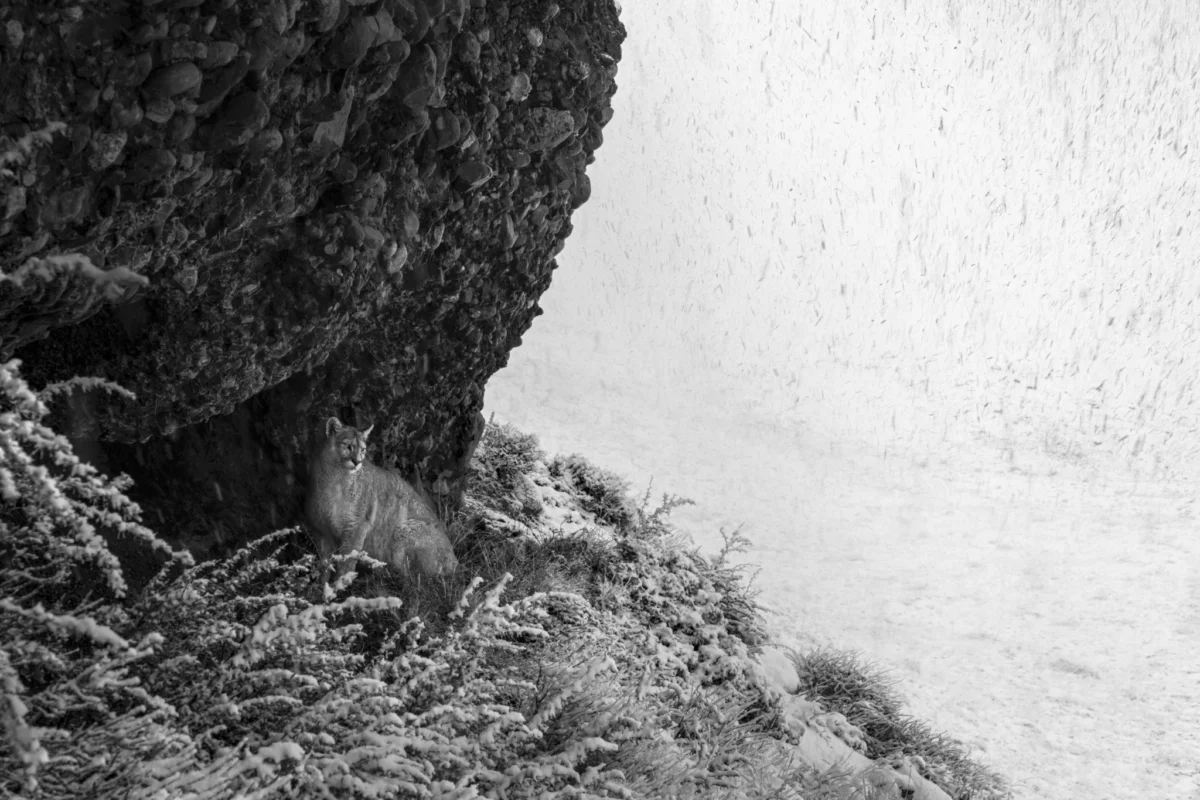
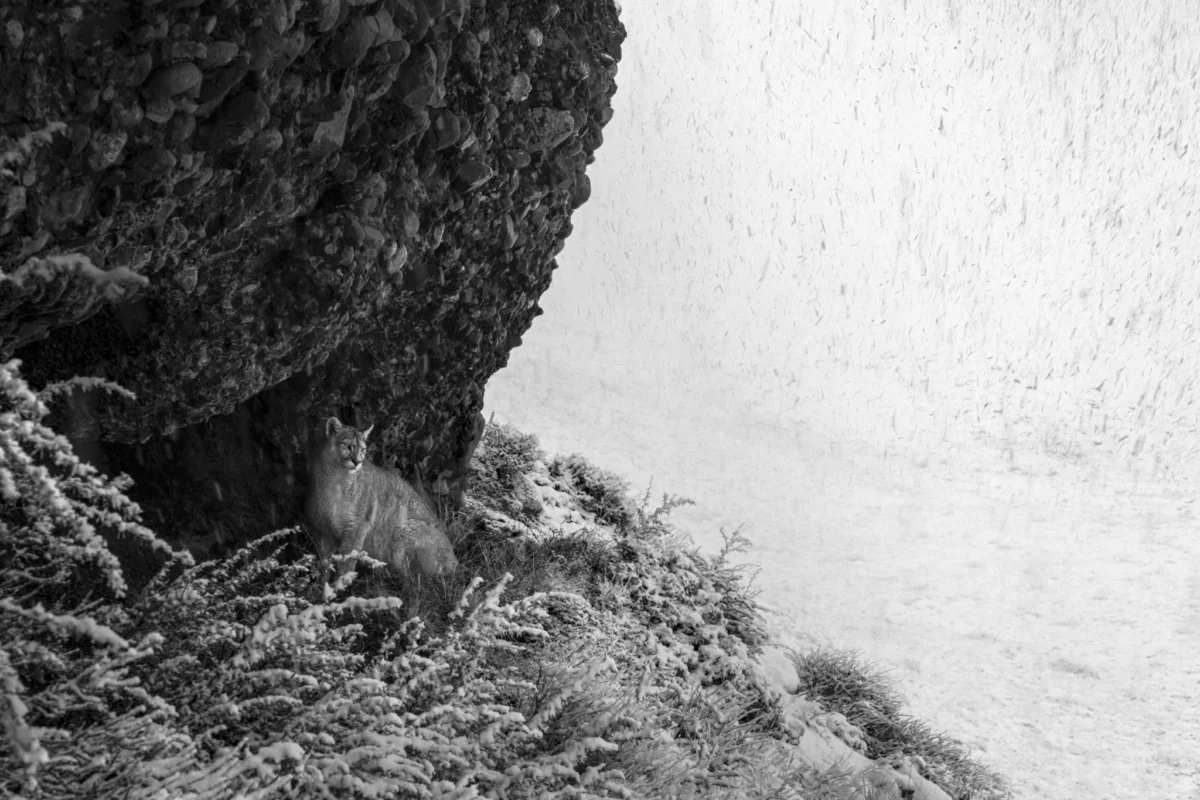
Since those early years, the best gifts in my life have always come from nature. After becoming a photographer, I used my camera to get closer to our wild kin. Wolves, penguins, lynx, sharks, and even the more elusive animals like spirit bears all became subjects of my lens. In my eyes, there is no greater privilege than living each day on a planet overflowing with more species and beauty than we could ever fully grasp. Of all the encounters I have shared with wildlife around the world, my experiences with whales, the true giants of Earth, have been some of the greatest gifts.
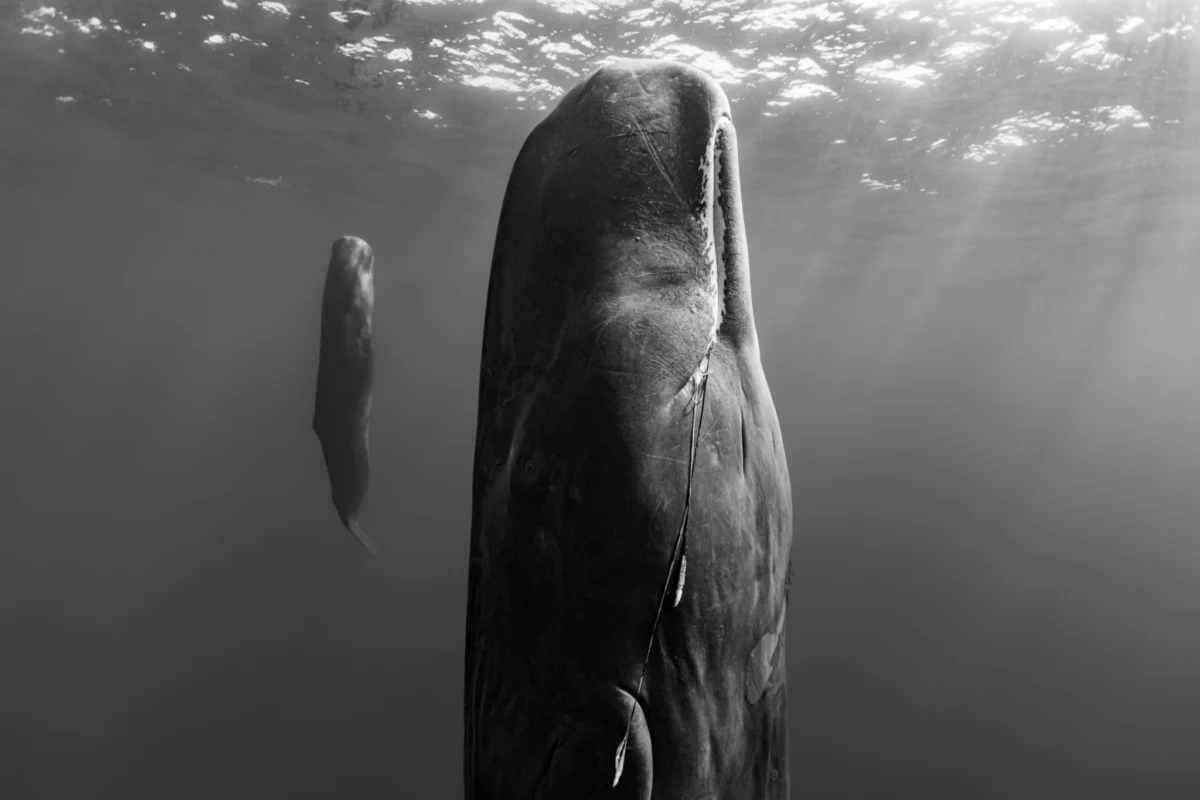
Like the Arctic wildlife I grew up with, such as wolves and polar bears, creatures like orcas and sperm whales inspire a mix of fear and awe in people. Despite their size and status as some of the ocean’s greatest hunters, there is no definitive record of orcas or sperm whales ever killing anyone. In fact, my own experiences have revealed their gentle nature and deep intelligence—a side that often goes unnoticed beneath the myths and misconceptions. Sperm whales, in particular, have garnered a reputation fueled in part by works of fiction, stories, and legends. Of all my encounters with whales, however, swimming with a pod off the coast of Dominica proved to be one of the most wholesome and eye-opening experiences of my life. Free-diving with a snorkel, I was able to get fairly close to a group dozing vertically in the water column. Sperm whales spend most of their time deep below the surface until they finally come up to breathe and rest, suspended with their heads pointed skyward.
A Young Whale’s Unexpected Encounter
The photographic expedition off the coast of Dominica, a Caribbean island renowned for its rich marine biodiversity, was intended to capture the majestic and often misunderstood nature of sperm whales. These colossal marine mammals, Physeter macrocephalus, are the largest toothed whales, with males capable of reaching lengths of up to 60 feet and weighing over 40 tons. Their deep dives, often exceeding 2,000 meters in search of giant squid, contribute to their enigmatic aura.
During this particular excursion, the photographer, Paul Nicklen, was observing a pod of sperm whales that had surfaced for a period of rest and respiration. This behavior, known as "logging," is characterized by the whales resting in a vertical or horizontal position at the surface, allowing them to conserve energy. The presence of a matriarch and her extended family group indicated a stable social structure, a common characteristic of sperm whale societies.
The photographic session was proceeding as planned, with the whales exhibiting a remarkable level of tolerance towards Nicklen’s presence. This calm demeanor, often observed in well-habited whale populations that have had limited negative interactions with humans, allowed for intimate observation and documentation. However, the routine nature of the encounter was unexpectedly disrupted by the curiosity of a juvenile whale.
This young sperm whale, affectionately nicknamed "Ariel" by the local guides and researchers, broke away from its mother and approached Nicklen. The calf, estimated to be approximately 20 feet in length, exhibited a characteristic playful demeanor often seen in young cetaceans. Instead of the perceived predatory behavior suggested by the species’ formidable size and hunting prowess, Ariel displayed an inquisitive and gentle approach.
The encounter culminated in Ariel nudging Nicklen’s camera housing with its mouth, a behavior akin to a young mammal exploring its environment. This act, while potentially startling given the whale’s size, was ultimately harmless. Nicklen, drawing upon years of experience working with large wildlife, remained composed and managed the situation without distress to himself or the animal. The interaction provided a stark contrast to the mythical portrayals of these creatures, such as the vengeful Moby Dick, highlighting their capacity for curiosity and gentleness.
The Significance of Close Encounters with Marine Giants
The interaction with Ariel underscores a crucial aspect of marine conservation: the importance of fostering understanding and dispelling myths surrounding large marine predators. Sperm whales, despite their fearsome reputation, are vital components of oceanic ecosystems. Their presence signifies a healthy food web, and their deep-sea foraging habits play a role in nutrient cycling within the ocean.

According to the International Union for Conservation of Nature (IUCN) Red List, sperm whales are classified as "Endangered." Their populations have faced significant threats throughout history, including commercial whaling, which drastically reduced their numbers in the 19th and 20th centuries. While international moratoriums on whaling have allowed for some recovery, threats persist, including entanglement in fishing gear, ship strikes, and pollution, particularly plastic debris which can be ingested.
The experience with Ariel, documented in accompanying photographic evidence, serves as a powerful testament to the potential for peaceful coexistence between humans and these magnificent creatures. Such encounters can have a profound impact on human perception, shifting fear to respect and awe. This emotional connection is a critical driver for conservation efforts, as individuals are more likely to support initiatives aimed at protecting species they feel connected to.
A Life Dedicated to Nature’s Wonders
The narrative of Paul Nicklen’s photographic journey is deeply rooted in a lifelong immersion in the natural world. His childhood in the Arctic, a starkly beautiful and challenging environment, instilled a profound appreciation for the resilience and wonder of wildlife. This early exposure to the raw power and intricate beauty of nature laid the foundation for his career as a National Geographic photographer and conservation advocate.
His portfolio, featuring a diverse array of species from the icy expanses of the poles to the vibrant coral reefs, consistently emphasizes the interconnectedness of life on Earth. The photographic evidence of the encounter with Ariel, published and shared through his platform, aims to educate and inspire a global audience. The image depicts Ariel emitting a playful stream of bubbles, a visual representation of its youthful exuberance and innocent interaction.
Broader Implications for Conservation and Human Connection
The story of Ariel and the photographer’s encounter with the sperm whale pod carries significant implications beyond a single, captivating moment. It highlights the critical role of firsthand experience and visual storytelling in shaping public perception of wildlife. In an era where much of our understanding of the natural world is mediated through screens, authentic encounters, whether direct or through powerful imagery, are essential for fostering empathy and driving conservation action.
The data on sperm whale populations, though showing signs of recovery in some regions, still indicates their vulnerable status. Therefore, encounters like this serve as a crucial reminder of what is at stake. The potential loss of such species due to human-induced pressures would not only represent an ecological tragedy but also a diminishment of the profound beauty and wonder that enriches the human experience.
Furthermore, the narrative emphasizes a fundamental truth articulated by Rachel Carson: "Those who contemplate the beauty of the earth find reserves of strength that will endure as long as life lasts." This sentiment resonates deeply with the idea that direct engagement with nature provides not just aesthetic pleasure but also a source of resilience and perspective. In a world often characterized by rapid change and societal pressures, the enduring cycles of the natural world and the quiet majesty of its inhabitants offer a grounding and restorative influence.
The photographer’s journey from the Canadian heartland to the remote Arctic and then to the ocean depths of Dominica illustrates a personal quest for connection. This quest, driven by a desire to understand and document the planet’s biodiversity, ultimately leads to the profound realization that true richness lies not in material possessions or societal comforts, but in the deep, authentic relationships forged with the natural world. The gifts of nature, as he describes them, are not tangible commodities but rather the profound experiences and connections that shape our understanding of ourselves and our place within the grand tapestry of life.
The implications of this perspective extend to policy and public engagement. Increased awareness and appreciation for species like sperm whales can translate into greater support for marine protected areas, stricter regulations on fishing practices, and a more concerted global effort to combat pollution. The gentle giant of the ocean, once feared and hunted, now serves as an ambassador for a more harmonious human-nature relationship.
In conclusion, the encounter with Ariel, the young sperm whale, is more than just a remarkable anecdote; it is a powerful illustration of the beauty, intelligence, and gentleness that can be found in creatures often misunderstood. It serves as a compelling argument for continued exploration, conservation, and a deeper appreciation of the natural world, reminding us that the greatest gifts often come from the wild, untamed heart of our planet. The enduring strength found in nature is a testament to its resilience and a call to action for its preservation.