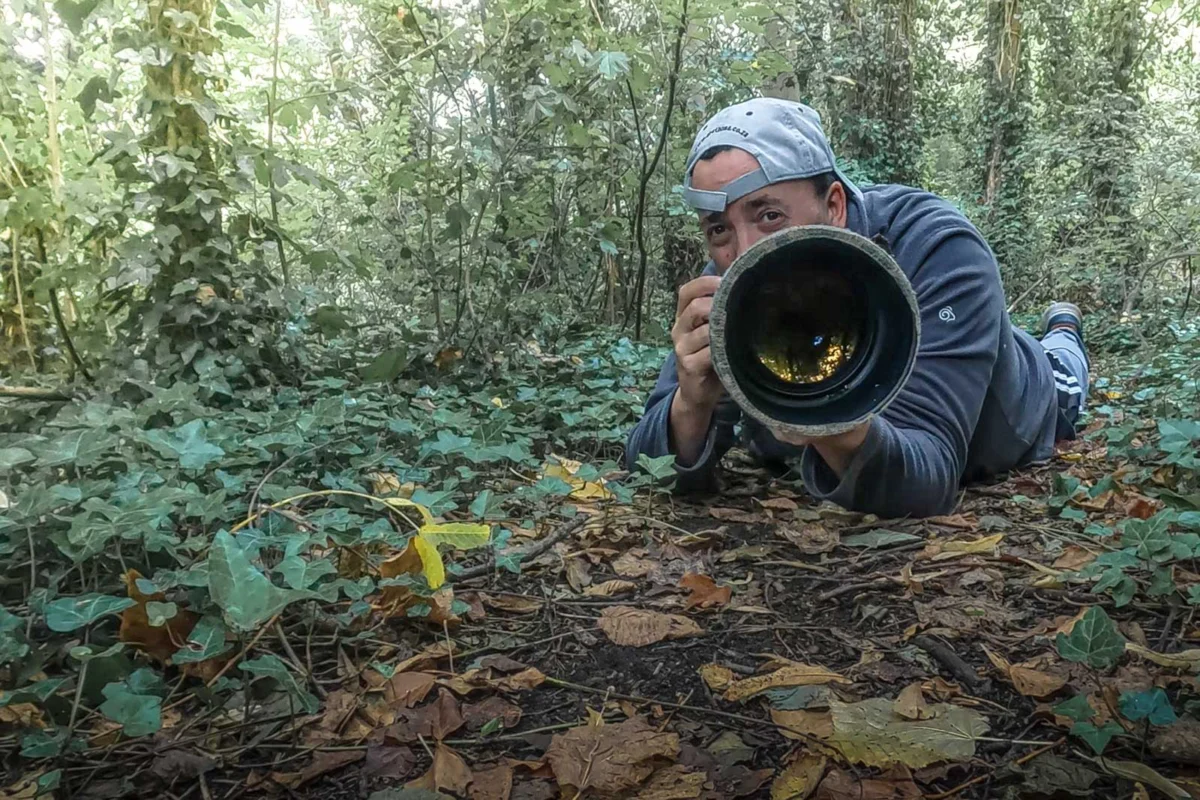
Victor Soares, a distinguished South African-born wildlife photographer now based in the UK, exemplifies a profound transition from enthusiastic amateur to celebrated professional. His nearly two-decade-long dedication to capturing the raw beauty of the natural world is a testament to perseverance, evolving skill, and an unwavering passion for wildlife. Through the "From Amateur to Professional" interview series, Soares offers invaluable insights into the development of his photographic practice, charting a course that resonates with aspiring artists and seasoned veterans alike. His journey, marked by both personal discovery and professional milestones, highlights the dedication required to excel in the highly competitive field of nature photography.
Early Beginnings and the Genesis of a Passion
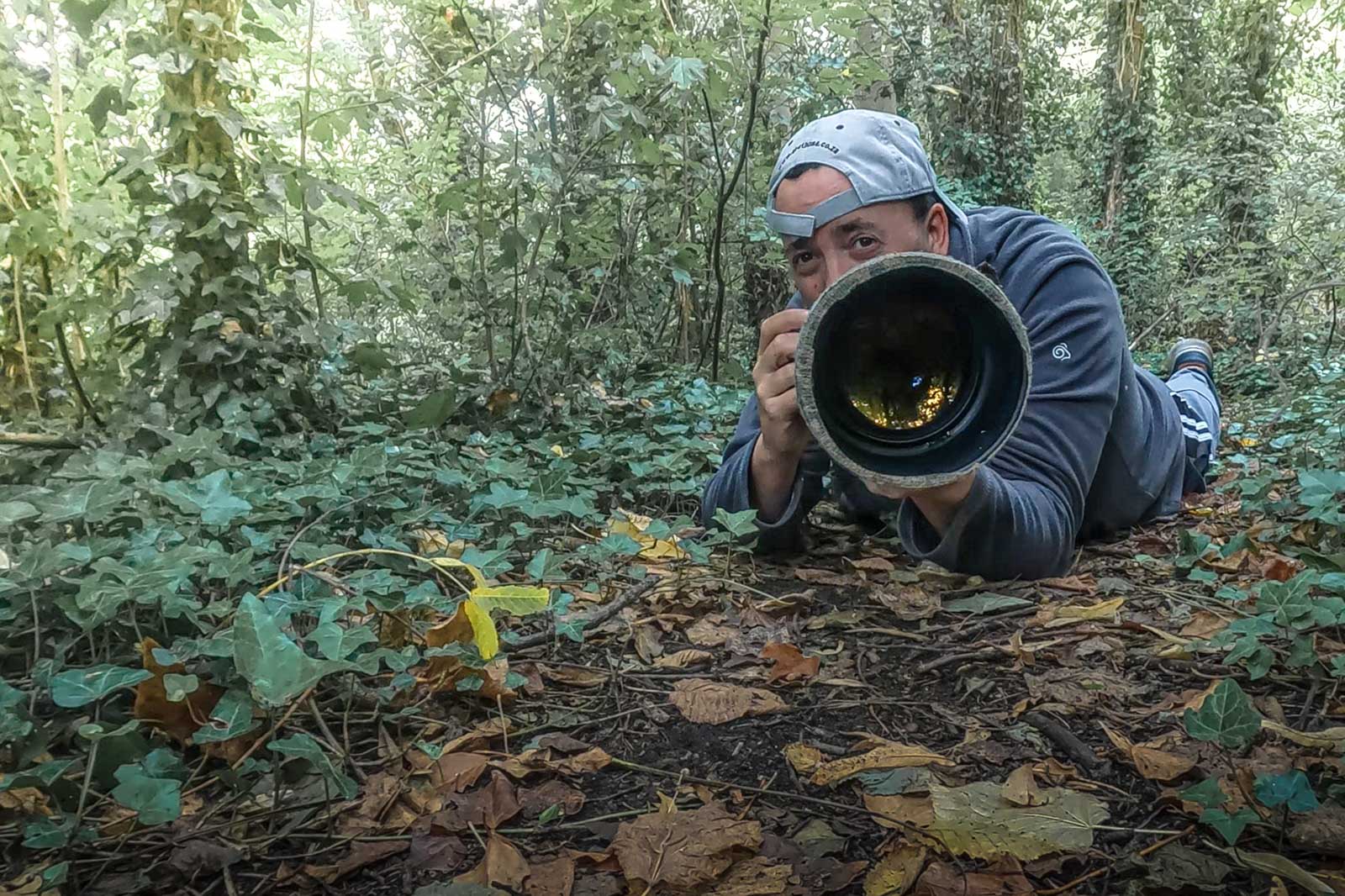
Soares’ deep connection to nature was forged in the vibrant landscapes of South Africa, where wildlife was an intrinsic part of his upbringing. From a young age, he found solace and fascination in the natural world, particularly drawn to the diverse avian species that populated his surroundings. This early immersion fostered a profound appreciation for biodiversity, with countless hours spent observing birds through binoculars, seeking closer encounters with the myriad species. This period, characterized by a burgeoning love for nature, laid the emotional groundwork for his future photographic pursuits, establishing wildlife as a cherished escape from a "dramatic world."
The Digital Revolution and a Serendipitous Start in 2004
Soares’ foray into digital photography began almost by chance in 2004, coinciding with the widespread adoption of digital single-lens reflex (DSLR) cameras that democratized high-quality image capture. His initial acquisition, a Canon 300D (marketed as the Digital Rebel in North America), was primarily intended to document holiday memories. This camera, representing a significant leap in affordable, technically advanced photography for consumers, marked a pivotal moment. The Canon 300D, with its 6.3-megapixel sensor and accessible interface, was instrumental in bringing professional-grade imaging capabilities to a broader audience, fueling a new generation of photographers like Soares.

The transformative moment occurred after a trip to Kruger National Park. While at a photo lab to develop prints, Soares encountered Johan Combrink, the owner, whose shop displayed captivating wildlife photographs. Inspired by a striking image of a Cattle Egret, Soares impulsively expressed his desire to capture similar shots. Combrink’s immediate and generous offer to mentor him, starting the very next day, proved to be a turning point. This act of altruistic guidance from Combrink, who shared his expertise in camera techniques and post-processing without charge, became the bedrock of Soares’ early development. This mentorship underscores the enduring value of human connection and shared passion in fostering talent, a stark contrast to today’s often self-taught, online-driven learning paths. Soares acknowledges Combrink as the indispensable catalyst for his career, providing not only technical instruction but also crucial motivational support during challenging phases.
The Evolution of a Photographer’s Eye: From Amateur to Artistry
Soares’ photographic journey is a compelling narrative of continuous improvement. His earliest attempts, such as a "blurry, distant, and shot in terrible light" image of a Cormorant in flight, reflect the common struggles of a novice. This early work, indicative of the limitations of nascent skills and equipment, contrasts sharply with his later, refined images. Following the acquisition of a new Canon Rebel XT in 2007—a Christmas gift that prompted a "fresh start" by deleting all previous images—Soares began to capture photographs he genuinely appreciated. His Steenbok image from Kruger Park, taken with this new camera, while liked at the time, reveals the technical shortcomings of his early practice. He candidly notes issues such as cropped feet, an inappropriate aperture (f/8), and reliance on Aperture Priority (Av) mode, rather than the Manual mode he predominantly uses today. Furthermore, the technological constraints of the era meant higher ISO settings (beyond 400) were avoided due to concerns about image noise, a limitation largely mitigated by modern camera sensors.

This self-assessment highlights a critical aspect of photographic growth: the ability to critically evaluate one’s own work and identify areas for improvement. Soares’ early images, while imperfect by his current standards, served as crucial motivational stepping stones, propelling him to learn and refine his craft.
A Portfolio of Passion: Iconic Images and Their Stories
Among Soares’ most cherished photographs is a captivating image of a yawning fox, captured in a small park in Sutton, London. This photograph encapsulates his artistic evolution and personal connection to wildlife. Having moved to the UK in 2016 and London in 2018, Soares developed a profound fascination with foxes, animals that were previously relegated to "fairytales" during his South African childhood. The opportunity to photograph these urban dwellers was a dream realized.

The image itself is a masterclass in capturing fleeting moments and conveying emotion. As the fox, notably friendly and accustomed to human presence, jumped over a hedge and settled in a bed of autumn leaves, it delivered a dramatic yawn just as Soares positioned himself. The resulting photograph reveals exquisite detail: the visible vapor of the fox’s cold breath, the rich tapestry of autumn foliage, and the intricate structure of its teeth. The shallow depth of field effectively isolates the subject, blurring the background into a painterly wash of color and texture. For Soares, this image transcends mere documentation; it represents the tangible manifestation of a childhood fantasy, skillfully brought to life through precise timing and refined technique. It speaks to the power of photography to transform the mundane into the magical, turning an ordinary animal encounter into an iconic portrait.
Revisiting Wilderness: A Refined Perspective
Soares’ connection to his South African roots remains strong, particularly his experiences in the country’s iconic game parks. While his relocation to the UK has reduced the frequency of these safaris, each return visit is imbued with a deeper sense of appreciation and a more evolved photographic approach. His initial learning in these parks revolved around fundamental skills: shooting from a vehicle, identifying key subjects, and anticipating animal movements. However, with professional experience, his methodology has become far more nuanced.

He now approaches safaris with heightened awareness, meticulously considering factors such as the sun’s direction, the quality of light, potential background distractions, and optimal shooting angles. His understanding of animal behavior has deepened, enabling him to interpret actions and predict interactions between species, which is crucial for capturing dynamic and meaningful images. This emphasis on anticipation and technical precision, refined over years, underscores a core tenet of wildlife photography: success often hinges on an intimate understanding of both subject and environment.
Beyond the African wilderness, Soares actively engages with the UK’s native wildlife, particularly the annual deer rut. Initially, his enjoyment stemmed from the sheer spectacle of the bellowing stags and occasional clashes. However, his evolving vision now drives him to seek more evocative and unique moments. This might involve capturing the "bellow steam" on cold mornings, the interplay of autumn light filtering through trees, or subtle interactions between females. He also champions the less-favored fallow deer, recognizing the intensity of their fights as prime photographic opportunities. This continuous quest for novel perspectives and deeper narratives exemplifies his commitment to artistic growth, transforming familiar subjects into fresh, compelling imagery.
The Leap to Professionalism: A Career Redefined in 2024

The decision to transition from a stable engineering career to the demanding world of professional photography had long simmered in Soares’ subconscious. The financial realities of photography, often cited as a challenge for many practitioners, meant that engineering provided a more secure livelihood. Despite varying successes in competitions and a growing portfolio, the confidence to "make the jump" remained elusive.
The catalyst for this significant career shift arrived unexpectedly in early 2024 when Soares faced redundancy from his engineering position. What initially seemed like a setback quickly transformed into an unparalleled opportunity to fully dedicate himself to wildlife photography. This pivotal moment was bolstered by the unwavering support of his wife, who, as his "biggest fan and strongest supporter," was instrumental in validating this ambitious career change.
Soares’ transition reflects a broader trend seen in various creative industries, where economic shifts or personal circumstances can act as accelerators for pursuing long-held passions. While the path of a professional nature photographer is often fraught with financial uncertainty, requiring diverse income streams from tours, prints, publications, and educational workshops, the allure of pursuing one’s true calling can outweigh these challenges. Soares’ move highlights the courage and conviction necessary to forge a new professional identity, leveraging years of accumulated skill and passion.

Milestones and Motivation: The NHM Recognition in 2012
A significant turning point in Soares’ photographic career came in 2012 when one of his images advanced to the final round of the Natural History Museum’s Photography Awards, then known as the Veolia Environmental Awards. This competition, globally recognized as one of the most prestigious wildlife photography accolades, attracts tens of thousands of entries annually from across the world. Reaching the final round, from over 48,000 submissions, was an immense validation of his talent and dedication.
This achievement provided a much-needed psychological boost, leading Soares to ponder, "Maybe I am good enough… maybe." While the image did not ultimately progress to be displayed at the NHM, the recognition itself was an "enormous feather in his cap." It served as a powerful affirmation of his abilities, a moment he recalls with deep fondness and pride. Such external validation can be crucial for artists, providing the motivation to push through periods of self-doubt and reaffirming their artistic trajectory. The sheer scale and prestige of the NHM awards mean that even reaching the final stages is a testament to exceptional skill and vision within the global photography community.

Evolving Craft: Technique and Artistic Philosophy
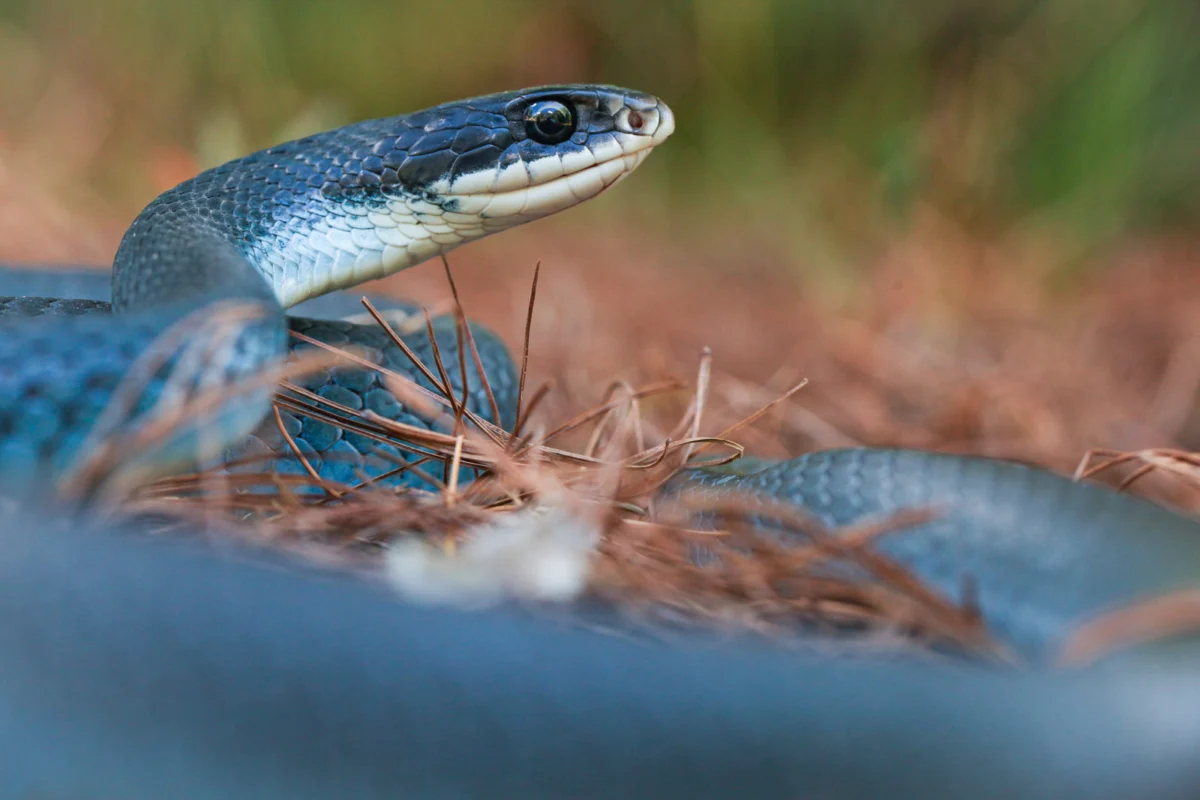
Soares’ photographic process has undergone continuous refinement, characterized by a willingness to experiment and adapt. He draws inspiration from the work of others, integrating modern techniques and diverse styles into his practice. A key development in his approach has been his preference for "low-down photography" – getting as close to ground level as possible – combined with a very shallow depth of field. This technique, often requiring substantial investment in high-quality "fast glass" (lenses with wide apertures like his favored 300mm f/2.8), allows him to create striking images where the subject is sharply defined against a beautifully blurred background. The 300mm f/2.8 lens is renowned among wildlife photographers for its exceptional optical quality, speed, and ability to produce stunning bokeh, perfectly aligning with Soares’ aesthetic goals.
Beyond technical precision, Soares emphasizes the portrayal of emotion in his subjects. He strives to capture images that convey a creature’s inner state—be it calm, anger, fear, cunning, eagerness, desperation, or resolve. While easier to achieve with mammals due to their expressive features, he finds immense satisfaction in infusing his avian photographs with a similar emotional resonance. This artistic philosophy transcends mere documentation, aiming to add a layer of "reality" and relatability to the animal, fostering a deeper connection between the viewer and the subject. This focus on emotional narrative distinguishes his work, moving beyond purely aesthetic appeal to create images that resonate on a profound level.

Navigating Challenges: Perseverance in a Competitive Field
The biggest challenge Soares faced, particularly in his formative years, was maintaining motivation amidst the overwhelming talent of established photographers. The constant exposure to "impressive work from others" often led to feelings of inadequacy and the belief that he could never measure up to his heroes and role models. This sentiment is common among aspiring creatives in any field, where the perceived distance to mastery can feel insurmountable.
However, Soares has learned to reframe this challenge. He understands that role models occupy a pedestal precisely because they inspire, and the pursuit of their perceived excellence becomes a driving force, rather than a source of discouragement. His advice is clear: "Keep going. Persevere." He advocates for embracing criticism, both positive and negative, as invaluable opportunities for growth and learning. In a world saturated with imagery and the pressures of social media, cultivating resilience and an open mind to feedback is paramount for sustained development. This mindset, prioritizing the journey of learning over an elusive destination, is central to his enduring success.

The Timeless Advice: Patience and Fundamentals
Reflecting on his journey, Soares’ most profound piece of advice, if he could travel back in time, would be "be patient." He observes that in contemporary society, there’s an inherent demand for immediate results and a tendency to prioritize technological advancements over fundamental skills. Early in his career, he admits to measuring progress by new camera features—a higher frames-per-second rate equating to quicker reactions, more focus points implying better focus. However, he now recognizes that these features are only advantageous if the underlying photographic skills (speed, accurate focusing) are already mastered.
Soares champions the enduring value of immersing oneself in the basics and essentials of photography. He argues that foundational knowledge of light, composition, and exposure will outlast any fleeting camera innovation. Patience, he stresses, is not just about mastering technical skills but is also a critical virtue in wildlife photography itself. Many of the most impactful images are born from hours of patient observation, waiting for the perfect moment or a specific animal behavior. This deliberate, unhurried approach allows for deeper engagement with the subject and the environment, often yielding extraordinary results that hurried efforts miss. In an age of instant gratification, Soares’ emphasis on patience serves as a powerful reminder of the artistic and practical wisdom embedded in a slower, more mindful practice.

A Journey of Continuous Learning and Engagement
Even after nearly two decades in the field and achieving professional status, Victor Soares remains a fervent advocate for continuous learning. He actively participates in camera clubs, valuing the diverse perspectives and techniques shared by other members. His dedication extends to regularly consuming photography articles and magazines, which serve as ongoing sources of inspiration, news, tips, and technical insights. Furthermore, he frequently collaborates with other photographers, enjoying their company while benefiting from exposure to their unique approaches and creative processes. This commitment to lifelong learning underscores the dynamic nature of photography and the importance of staying connected within the broader creative community.
Soares’ ultimate advice for aspiring photographers is to "put yourself out there." He encourages sharing one’s work and actively seeking criticism, viewing both positive and negative feedback as indispensable tools for reflection and development. In an increasingly interconnected world, engaging with an audience and peers is not just about showcasing talent but also about fostering growth and refining one’s artistic voice. By embracing openness and humility, photographers can transform external input into internal advancement, continually honing their craft on an unending journey of artistic exploration.