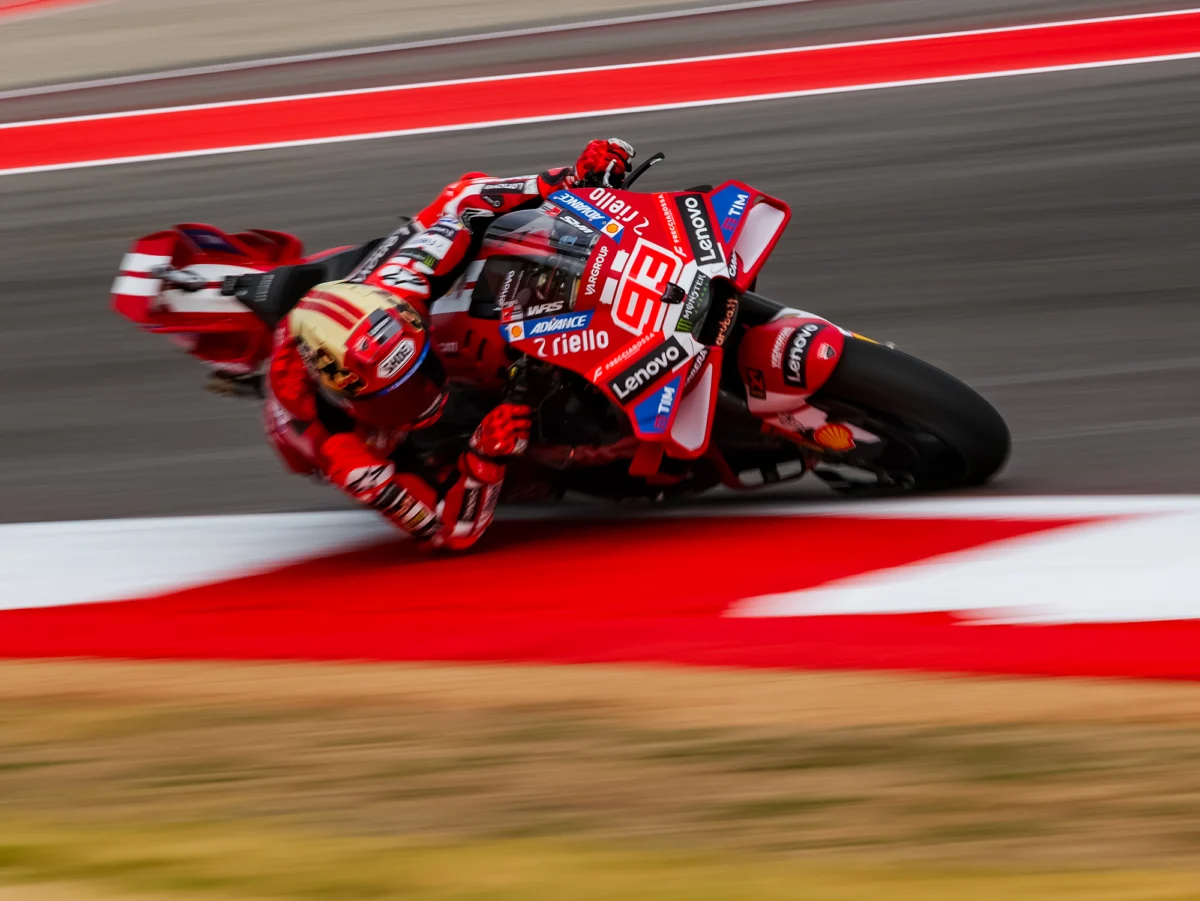
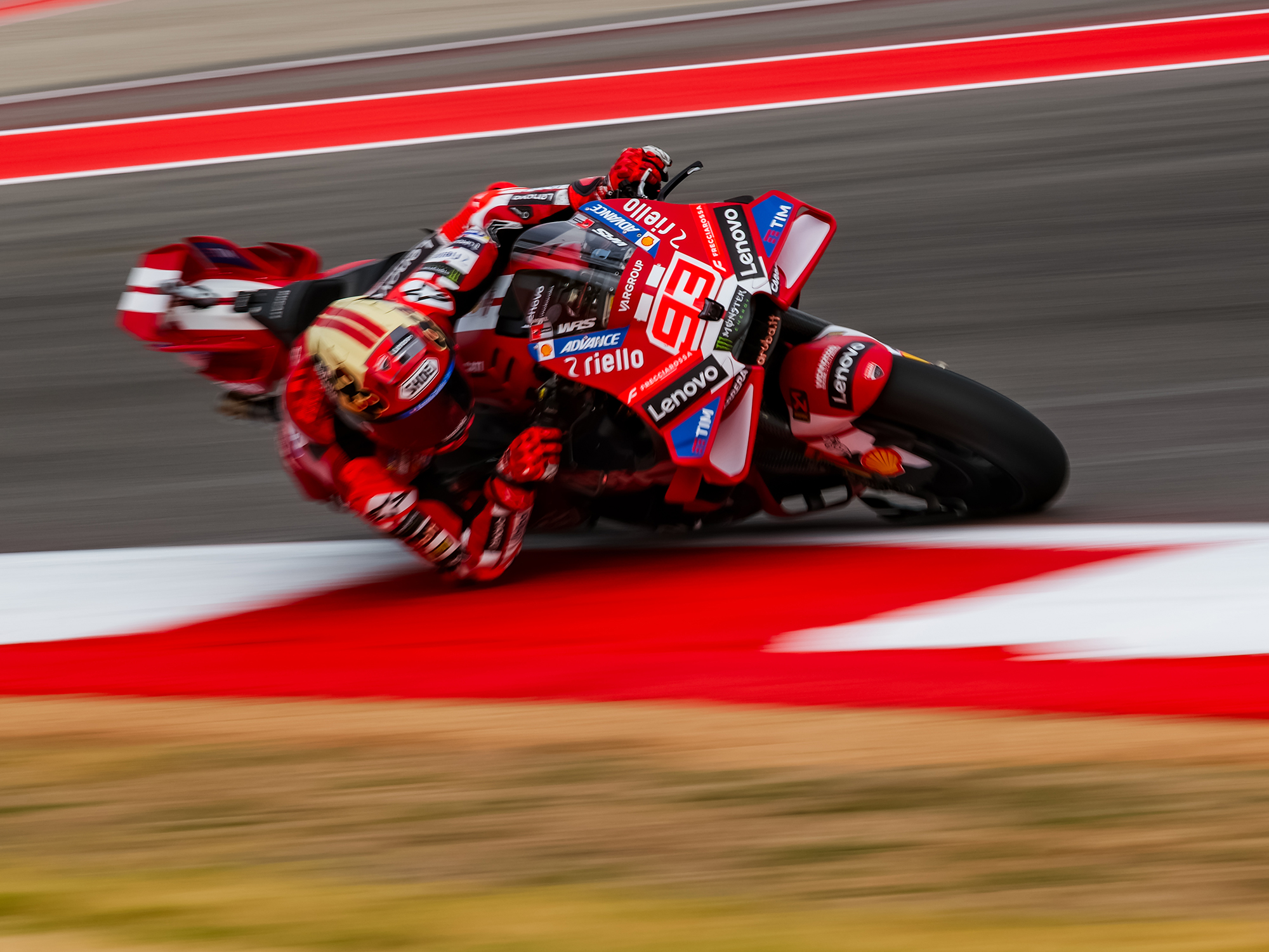
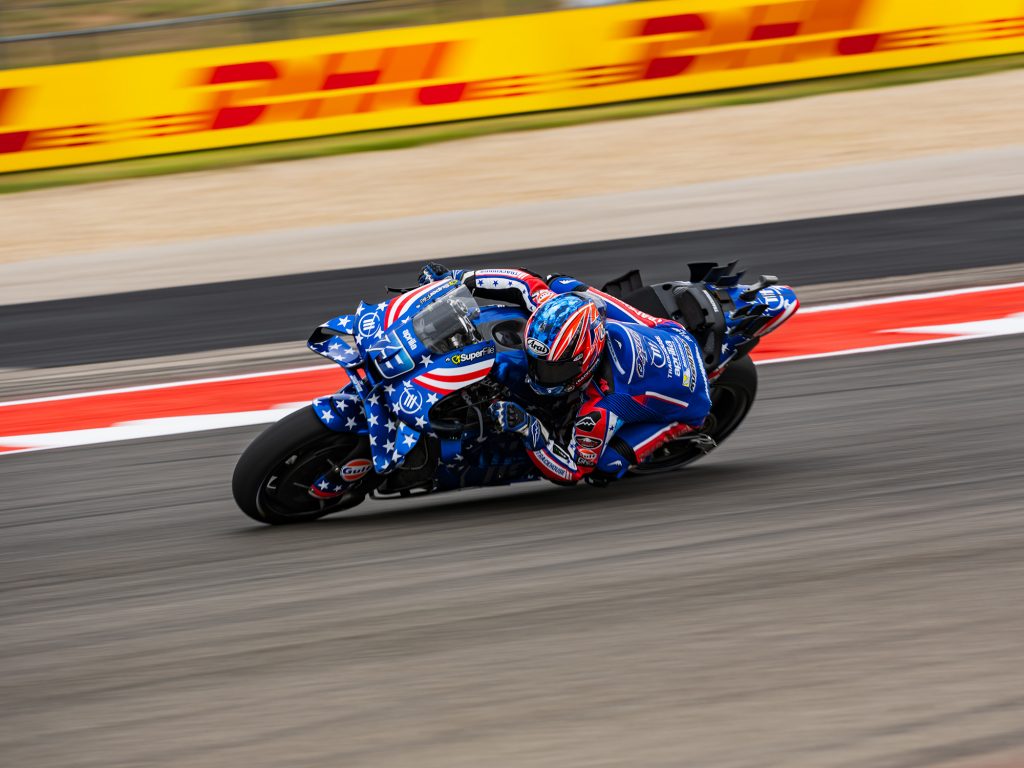
The high-octane world of MotoGP, characterized by blistering speeds and split-second decisions, has long been the exclusive domain of high-speed, fast-burst camera systems. Yet, a recent experiment at the Circuit of the Americas (COTA) challenged this conventional wisdom, deploying the Fujifilm GFX100S II – a medium-format camera celebrated for its unparalleled image fidelity rather than its rapid-fire capabilities – to capture the essence of premier motorcycle racing. This ambitious undertaking sought to determine if precision and immense resolution could carve a niche in an environment traditionally dominated by speed, offering a unique perspective on a sport where every fraction of a second, both on track and in capture, matters.
The Unconventional Choice: Medium Format at Motorsport’s Apex
MotoGP stands as the pinnacle of two-wheeled motorsport, featuring the world’s most elite riders pushing technologically advanced machines to their absolute limits. Events are a whirlwind of motion, color, and raw power, demanding photographic equipment that can keep pace with subjects often exceeding 350 km/h (217 mph) and navigating complex cornering sequences with extreme lean angles. Traditionally, this environment calls for cameras optimized for speed: high frames per second, tenacious autofocus tracking, and robust buffer capacities. The Fujifilm GFX100S II, with its 102-megapixel medium-format sensor, falls outside this conventional profile. Its design ethos prioritizes maximum image fidelity, dynamic range, and tonal gradation, making it a staple in studio, landscape, and portrait photography, where deliberate composition and supreme detail are paramount.
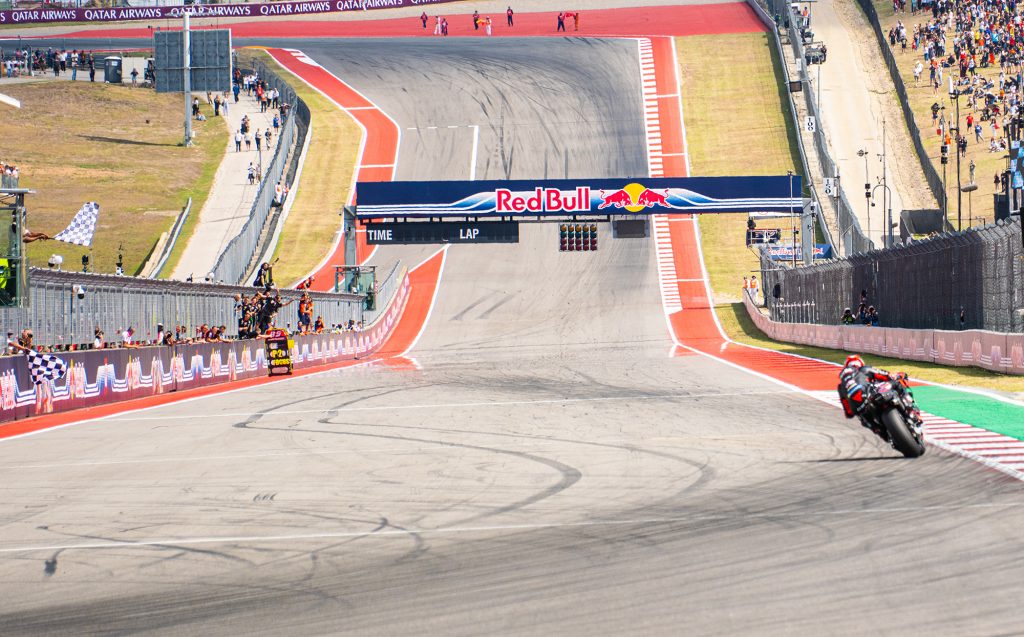
The Circuit of the Americas in Austin, Texas, served as the crucible for this test. COTA is a globally renowned motorsports facility, distinguished by its challenging layout, including a dramatic uphill Turn 1, a series of high-speed esses, and tight hairpins. Its varied topography and multiple elevation changes provide a dynamic backdrop for racing, but also present complex photographic challenges, from managing rapidly changing light conditions to anticipating rider lines across diverse vantage points. For the photographer intimately familiar with COTA’s intricacies – knowing every corner, marshal post, and optimal shooting angle – this "home court advantage" provided a crucial foundation for executing a strategy demanding deliberate, considered shots, a necessity when operating a camera not inherently built for rapid-fire action. The event itself, a full MotoGP race weekend, encompassed practice sessions, qualifying rounds, and the main Grand Prix race, offering a comprehensive spectrum of conditions to test the GFX100S II’s capabilities.
Technical Arsenal and Strategic Preparation
To contextualize the GFX100S II’s performance, it was benchmarked against Fujifilm’s flagship X-series camera, the X-H2S. The X-H2S is purpose-built for speed, featuring a 26.1-megapixel APS-C stacked BSI CMOS sensor and the powerful X-Processor 5, enabling burst shooting up to 40 frames per second (fps) with its electronic shutter and 15 fps with the mechanical shutter. Its subject-detection autofocus, powered by deep-learning AI, is specifically engineered to lock onto and track fast-moving subjects like motorcycles and riders with impressive tenacity. This established a clear and demanding standard for the medium-format system to contend with.
The Fujifilm GFX100S II, at the heart of this experiment, boasts a significantly larger 102-megapixel, 43.8×32.9mm large-format sensor, also driven by the advanced X-Processor 5. The choice of lens for this challenging assignment was the Fujifilm GF 100-200mm F5.6 R LM OIS WR. Given the GFX system’s 0.79x crop factor relative to a 35mm full-frame sensor, this lens provided an effective field of view approximately equivalent to 79-158mm. This focal range proved remarkably versatile, akin to the Fujifilm XF 50-140mm F2.8 on an X-H2S body, allowing for coverage from wide-angle track compositions to tighter shots in the paddock.
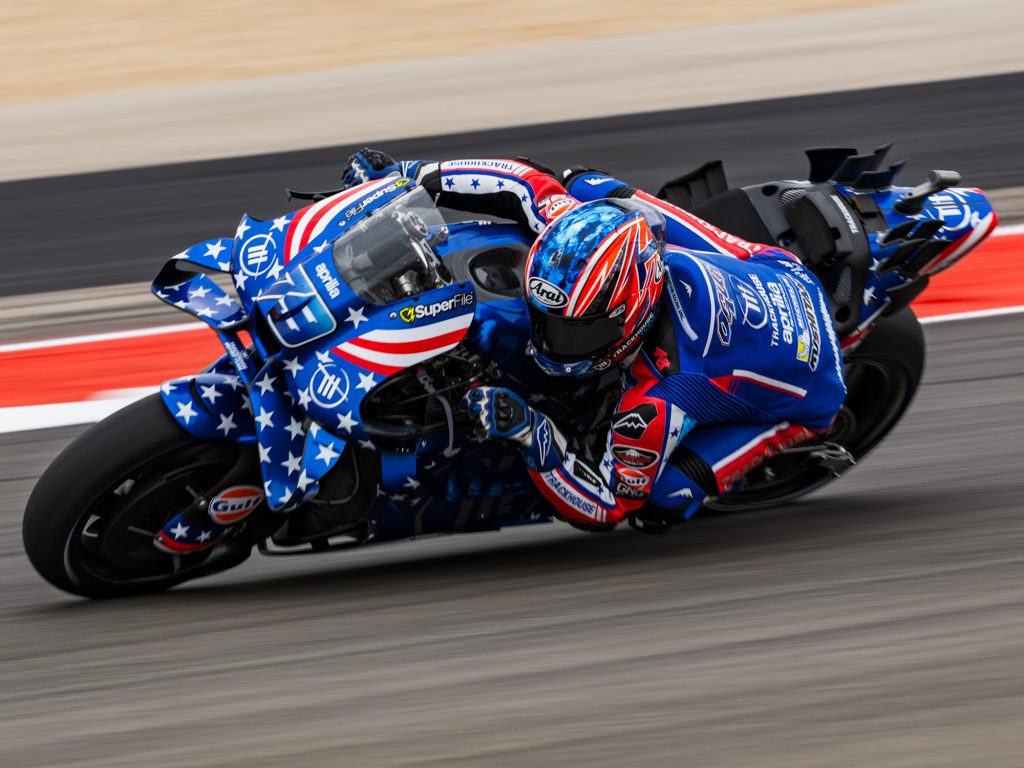
A notable advantage for the photographer was the shared menu logic and ergonomic philosophy across Fujifilm’s X and GFX systems. This consistency streamlined the setup process for the GFX100S II, enabling it to mirror the X-H2S configuration effectively. Custom settings C1 and C2 were dedicated to shutter priority for trackside action, with a function (FN) button mapped for instant recall to switch between sharp freeze-frame and motion panning techniques. C3 was designated for aperture priority, suitable for the more static environments of the paddock and grid, while C4 and C5 held video presets (though video capabilities were not tested during this specific assignment). The GFX100S II’s mode dial accommodates six custom positions, facilitating a clean and intuitive workflow, despite a slight difference in FN button layout compared to the X-H2S, which typically offers an additional body-side button often mapped for subject-detection AF. This meticulous preparation, combined with profound track knowledge, underscored the deliberate approach required to leverage the GFX system in such a demanding context.
On-Track Performance: Navigating Speed and Precision
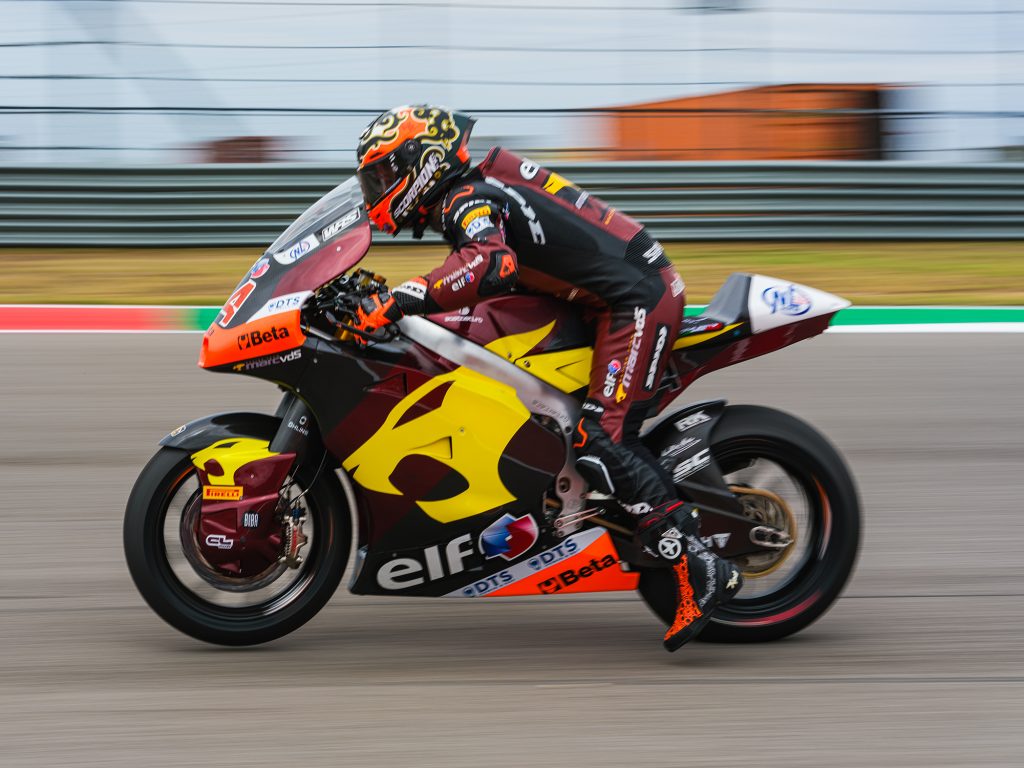
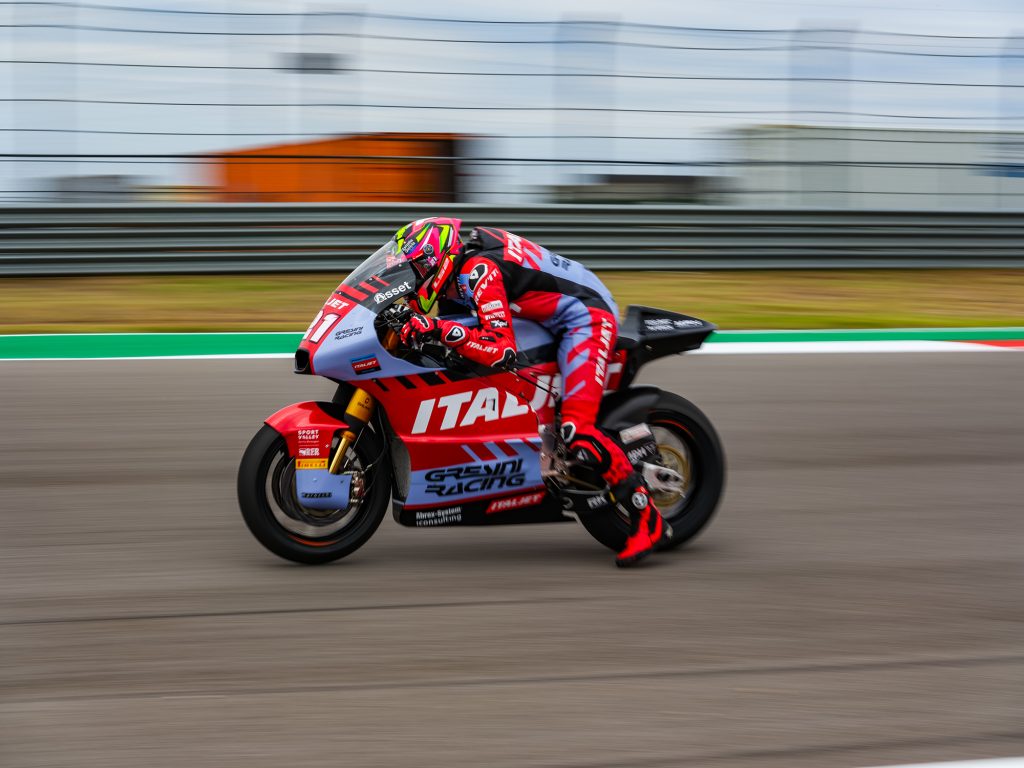
The most critical area of concern for deploying a medium-format camera in motorsport was autofocus performance under dynamic race conditions. The Fujifilm GFX100S II incorporates a significantly improved AF algorithm over its predecessor, benefiting from deep-learning AI that officially supports the detection and tracking of motorcycles and bikes. In practical application at COTA, the system demonstrated better performance than anticipated, proving reasonably reliable in tracking riders through corners and across complex, changing backgrounds. This enhancement represents a significant stride for medium format systems in their capability to handle traditionally challenging subjects.
However, despite these advancements, the GFX100S II’s autofocus was not as tenacious or "sticky" as that of the X-H2S, even with identical AF-C settings configured on both cameras. Hit rates were discernibly lower in the most demanding sequences, such as high-speed braking zones where bikes decelerate rapidly, or when riders entered the frame laterally at high velocity. While both cameras share the powerful X-Processor 5 engine, the GFX system exhibited a slight but critical lag in response time and subject retention. This gap, while not disqualifying for all applications, is a tangible operational constraint in a high-volume, high-speed environment where milliseconds can determine the difference between a perfectly sharp image and a missed opportunity. Professional photographers operating under tight deadlines for action sports typically prioritize speed and consistency above all else, making this distinction a crucial factor in gear selection.
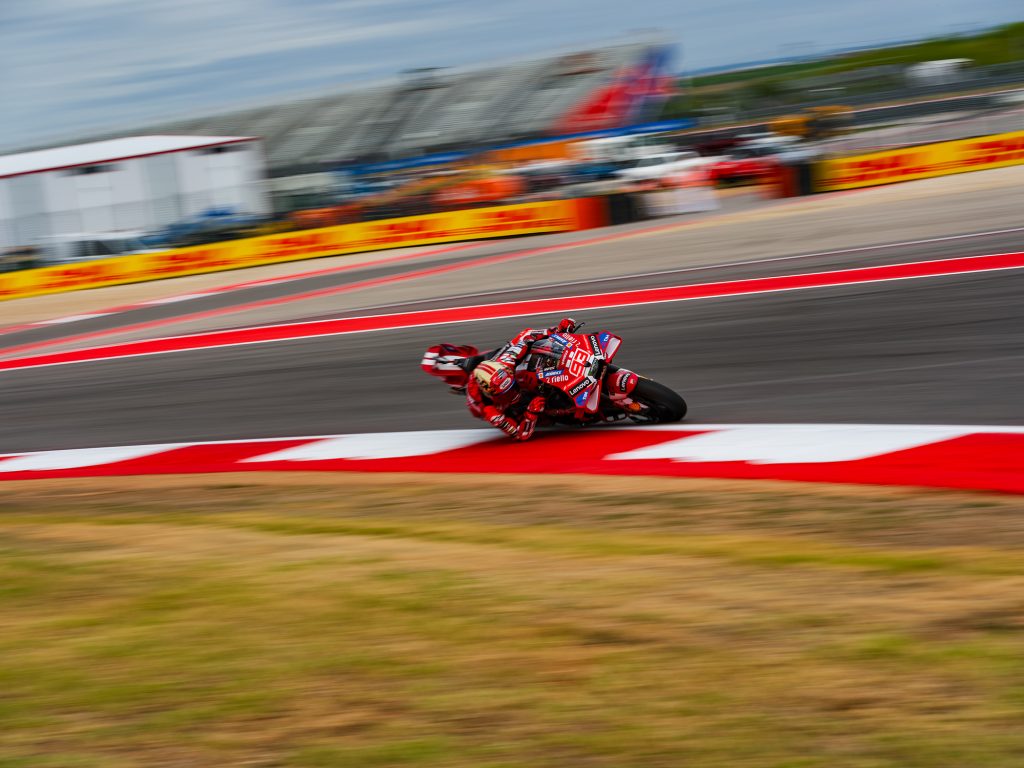
Another practical limitation emerged in the form of the camera’s buffer capacity. Operating at its maximum mechanical shutter speed of 7 fps, the GFX100S II generates enormous RAW files, either 14-bit or 16-bit, from its 102-megapixel sensor. Even when utilizing fast UHS-II media, the buffer fills rapidly. Shooting lossless-compressed RAW files yielded approximately 19 frames before a noticeable slowdown in burst rate. For uncompressed RAW, this figure dropped to around 16 frames. While compressed RAW offered a more generous buffer of roughly 30 frames, this still translates to under five seconds of sustained burst shooting before the camera requires time to write data to the card.
This buffer limitation fundamentally alters the photographic approach. Unlike the "spray and pray" methodology often employed with high-speed cameras to maximize the chances of capturing a peak moment, the GFX100S II demands a more disciplined, anticipatory style. The photographer must meticulously "read the race," predict the precise moment of action, and commit to the shot with intent. This constraint, while challenging, fosters a greater sense of purpose and precision in composition and timing. It transforms the act of photography into a more considered craft, though it undeniably imposes a real operational constraint in an environment where a rider’s perfect apex moment can last a mere fraction of a second, and opportunities are fleeting.
The Unrivaled Image Quality: Where Medium Format Shines
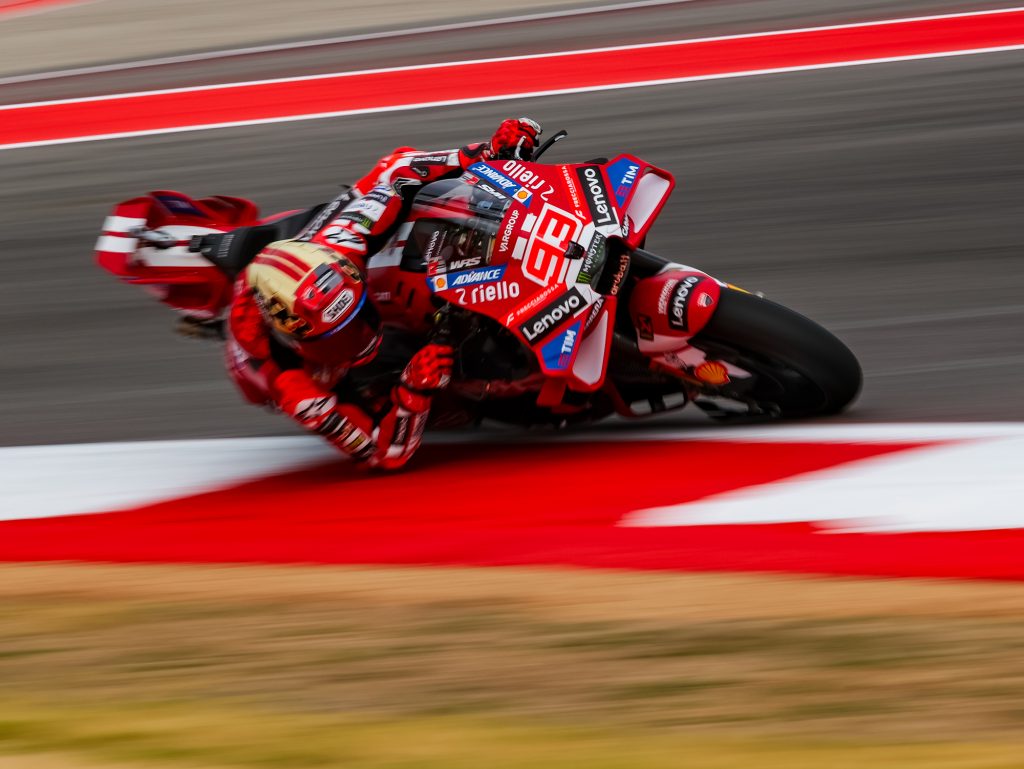
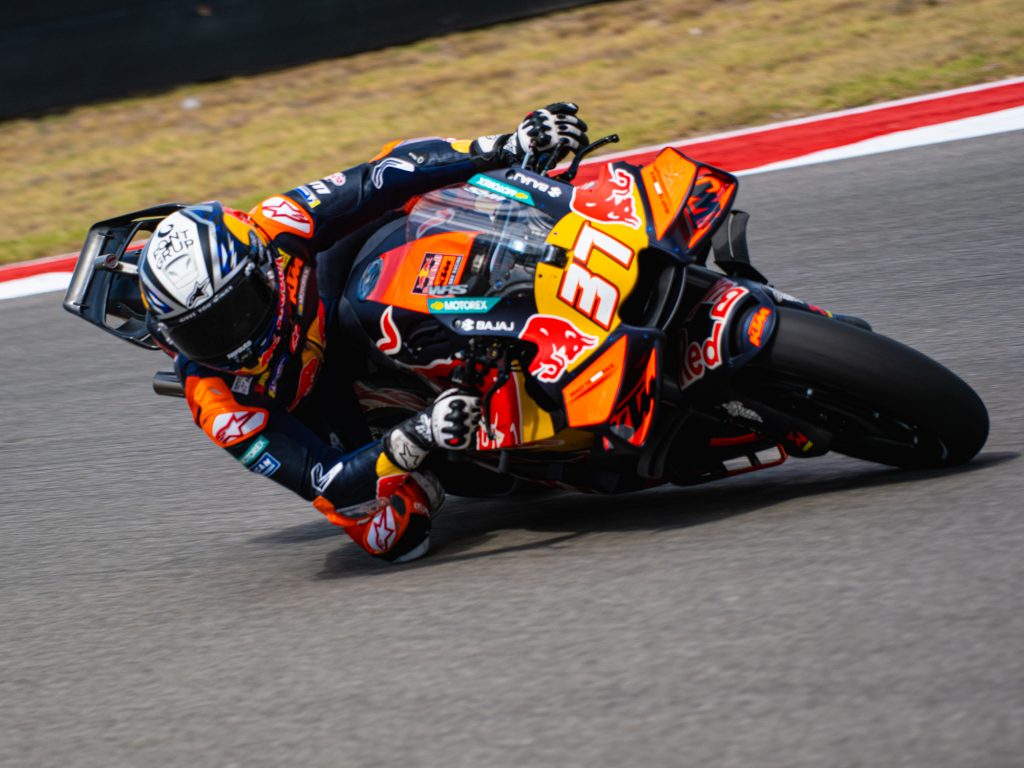
Despite the operational constraints on the track, the image quality delivered by the Fujifilm GFX100S II truly belongs in a different category. The 102-megapixel sensor, featuring redesigned microlenses, produces files that exhibit an extraordinary depth of tone, remarkable tridimensionality in color gradation, and a resolving power that transcends that of any full-frame or APS-C system. The sheer physical size of the sensor, measuring 55mm diagonally, is a fundamental factor, allowing for larger photosites and consequently superior light-gathering capabilities, which manifest in a tonality and subtle nuances that smaller formats simply cannot replicate.
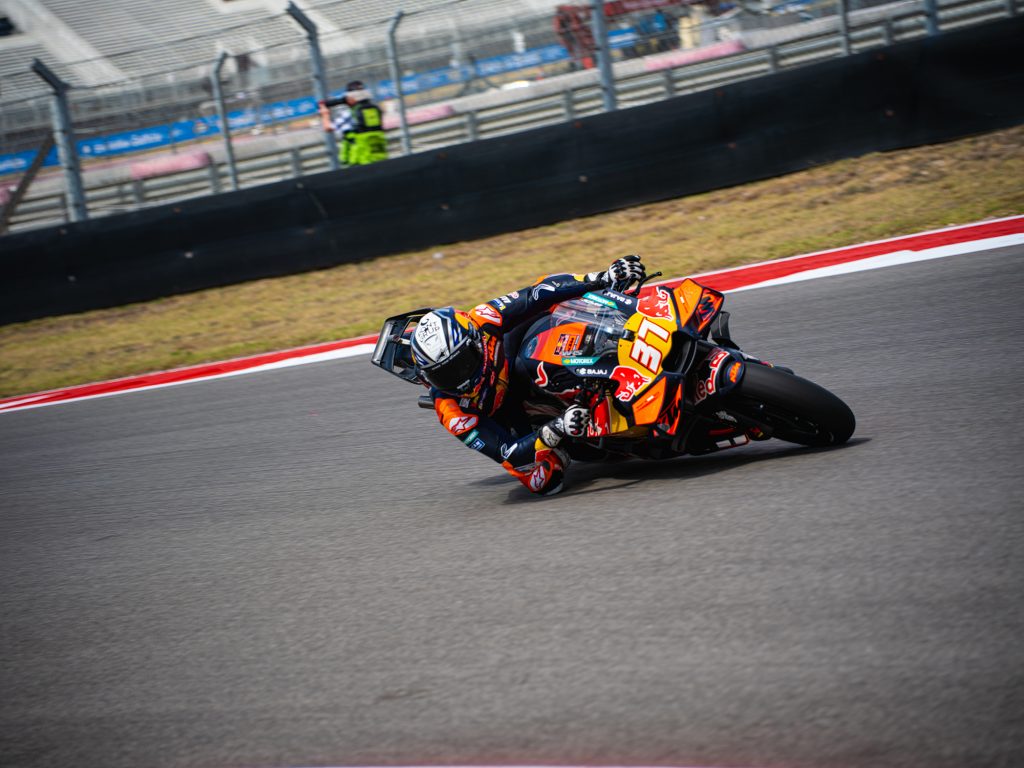
The initial review of a captured image on the camera’s rear screen often appears "fine," but the true magic of the GFX100S II reveals itself upon loading the files into professional editing software and viewing them on a high-resolution display. Images "open up entirely," revealing an astounding level of detail: intricate textures in rider leathers, the shimmering heat emanating from exhaust pipes, and even individual crowd members rendered with surprising sharpness in backgrounds previously assumed to be indistinct. This level of micro-detail and fidelity is unmatched. Furthermore, the sensor supports ISO 80 as its standard minimum sensitivity, facilitating the capture of 16-bit images with a remarkably wide dynamic range, even in the high-contrast lighting conditions often encountered at a bright race circuit. This capability allows for greater flexibility in post-processing, enabling photographers to recover detail from both shadows and highlights without introducing excessive noise or banding.
Adding to its versatility, the GFX100S II incorporates 5-axis in-body image stabilization (IBIS) rated at up to an impressive 8.0 stops. This is the most powerful IBIS Fujifilm has integrated into a GFX body to date, providing exceptional stability for handheld shooting. This feature proved invaluable for maintaining sharpness, particularly when utilizing the longer end of the GF100-200mm lens in the paddock or other less action-intensive areas, ensuring critical detail even at slower shutter speeds.
Beyond the Track: Paddock, Grid, and Podiums
While trackside action presented a demanding challenge requiring a highly disciplined approach, the Fujifilm GFX100S II truly excelled away from the high-speed drama. In the paddock, on the starting grid, and during the post-race podium celebrations – environments characterized by static or slow-moving subjects and opportunities for deliberate composition – the GFX100S II was an absolute joy to operate. In these settings, the photographer could frame shots meticulously, trust the autofocus system to reliably acquire and maintain focus on subjects, and confidently know that every captured image possessed an immense capacity for post-production manipulation.

The unparalleled resolution of the 102-megapixel sensor translated into extraordinary cropping flexibility. A wider shot of a rider on the grid could be dramatically cropped to isolate a tight portrait, focusing on subtle expressions or intricate details like their eyes above the visor, without any perceptible loss of resolution or image quality. This level of post-production freedom is genuinely empowering, allowing photographers to refine compositions, extract multiple compelling images from a single frame, and adapt to diverse editorial needs without sacrificing the inherent quality of the medium format capture. This versatility makes the GFX100S II an ideal tool for capturing the nuanced human element and intricate machinery that define the behind-the-scenes narratives of MotoGP.
Broader Implications and Final Assessment
The experiment at COTA with the Fujifilm GFX100S II demonstrates a compelling narrative: while the camera is not a direct competitor for high-speed action photography against purpose-built sports cameras, it carves out a distinct and invaluable role. It serves not as a replacement for high-speed bodies like the X-H2S, but as a deliberate and powerful complement. For photographic disciplines where ultimate image quality and meticulous detail are paramount – such as landscape, portraiture, studio, fashion, and editorial work – it would be challenging to find a more capable tool in a comparable form factor. At 883g (with battery and card), it also stands as Fujifilm’s lightest 102-megapixel body, a significant ergonomic advantage for professionals who carry gear for extended periods.
In the specific context of motorsport, the GFX100S II emerges as a "secret weapon" third body. It is deployed for those specific moments where pure speed is secondary to the pursuit of unparalleled image quality: the intimate atmosphere of the grid walk, the triumphant expressions on the podium, or the carefully anticipated, singular perfect shot in a quiet corner of the track. For these instances, the depth of tone, color fidelity, and staggering resolution delivered by the GFX100S II’s large-format sensor are simply unmatched within the Fujifilm ecosystem, and indeed, by most other camera systems.

This evaluation underscores a critical distinction in professional photography: the right tool for the right job. When the starting lights extinguish and the thunderous field accelerates through Turn 1, the rapid-fire capabilities and relentless autofocus of the Fujifilm X-H2S remain the indispensable choice for capturing peak action. However, for those iconic, high-resolution images that define a moment with breathtaking detail and artistic depth, the Fujifilm GFX100S II offers an unparalleled photographic experience, proving that even in the fastest environments, there remains a place for deliberate, high-fidelity capture. This experiment contributes valuable insights to the evolving discourse on camera technology, pushing the boundaries of what is achievable with different sensor formats in diverse photographic disciplines.
Author: Sam Bendall

Sam Bendall has dedicated the majority of his life to photography, both as a professional and a passionate enthusiast, and has served as an unofficial Fujifilm X-Photographer for the past 12 years. Over the last decade, his primary professional focus has been within the motorcycle and automotive industries, specializing in marketing and content production. He resides in Austin, TX, with his wife and their beloved cats.