The global automotive landscape is witnessing a significant shift toward "whole-vehicle intelligence," a movement led by BYD, the world’s largest manufacturer of new energy vehicles (NEVs). In a landmark collaboration with DJI, the global leader in civilian drones and aerial imaging technology, BYD has officially launched an integrated smart drone system designed specifically for its high-end electric vehicle lineup. This innovation represents the first mass-produced vehicle-mounted Unmanned Aerial System (UAS) in the world, signaling a new era where automotive technology and aerial robotics converge to redefine the driving experience.
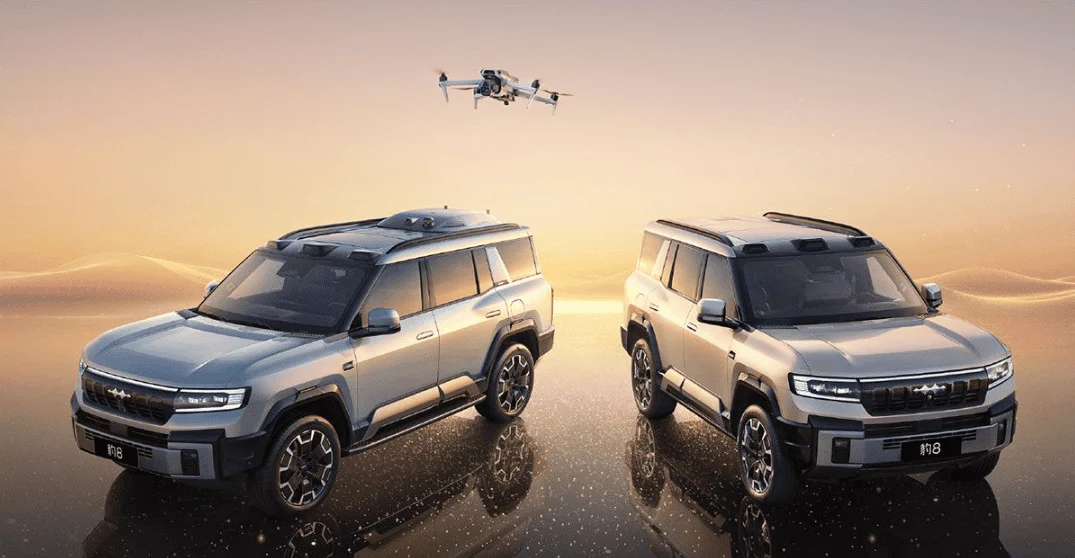
The partnership, which was first teased during the BYD Dream Day event earlier this year, integrates a specialized DJI drone into a custom-designed housing on the vehicle’s roof. This system is not merely an accessory but a deeply integrated component of the vehicle’s "Xuanji" architecture—a smart AI-driven platform that coordinates the car’s mechanical, electronic, and software systems. By combining BYD’s expertise in battery technology and vehicle integration with DJI’s dominance in flight stabilization and imaging, the two Chinese tech giants aim to provide a seamless "air-to-ground" perspective for modern travelers.
Technical Architecture and Integration
At the heart of this innovation is the "Vehicle-Integrated UAS" bay, a sophisticated hardware enclosure mounted on the roof of the vehicle. This bay is designed to withstand extreme weather conditions and high-speed travel, featuring an automated mechanism that opens to allow the drone to take off and land. One of the most technologically advanced aspects of the system is its autonomous battery-swapping and charging capability. When the drone returns to its cradle, the system can automatically swap depleted batteries for fully charged ones stored within the vehicle, ensuring the drone is always ready for flight without manual intervention from the driver.
The drone itself is a customized version of DJI’s high-performance models, optimized for the unique challenges of launching from a moving or stationary vehicle. It features high-definition 4K video capabilities, advanced gimbal stabilization, and a suite of sensors for obstacle avoidance. The integration extends to the vehicle’s internal infotainment system. Drivers and passengers can control the drone through the car’s large central touchscreen or via physical buttons on the steering wheel. The live feed from the drone’s camera is streamed directly to the vehicle’s cockpit, allowing for real-time aerial monitoring of the surrounding environment.
Chronology of Development and Market Entry
The development of the BYD-DJI drone system follows a multi-year trend of Chinese automakers seeking to differentiate themselves through "intelligent" features rather than just performance metrics. The timeline of this integration reflects BYD’s rapid expansion into the luxury segment:
- Early 2023: BYD launched its premium brand, Yangwang, aimed at competing with legacy luxury marques like Land Rover and Mercedes-Benz. The flagship U8 SUV was introduced with advanced features like tank turns and emergency flotation.
- Mid 2023: Rumors began to circulate within the tech industry regarding a secret collaboration between DJI’s automotive wing (DJI Automotive) and BYD’s research and development department.
- January 2024: At the "BYD Dream Day" event, Chairman Wang Chuanfu officially introduced the "Xuanji" architecture and demonstrated the vehicle-mounted drone system on a Yangwang U8.
- Early 2025: The system moved from the concept and testing phase to full-scale production readiness, with the drone bay becoming an optional or standard feature on specific high-end trims of the Yangwang and Fangchengbao brands.
Supporting Data and Market Context
The move to integrate drones into vehicles is backed by significant market data indicating a shift in consumer preferences. According to data from the China Association of Automobile Manufacturers (CAAM), sales of NEVs priced above 500,000 RMB (approximately $70,000 USD) have grown by over 25% year-on-year, with buyers in this segment prioritizing "smart" features and outdoor lifestyle capabilities.
Furthermore, DJI’s involvement is a strategic masterstroke for BYD. DJI currently holds over 70% of the global consumer drone market. By leveraging DJI’s established ecosystem, BYD avoids the pitfalls of developing proprietary flight software from scratch. For DJI, this partnership provides a high-profile entry point into the automotive sector, a market they have been eyeing through their "DJI Automotive" division, which also develops Level 2 and Level 3 autonomous driving solutions.
The drone system is part of a broader $14 billion USD investment BYD has pledged toward smart vehicle technologies. This investment aims to close the gap with competitors like Tesla and Huawei-backed automotive projects in the realm of software-defined vehicles.
Functionality and User Experience
The BYD smart drone is designed for three primary use cases: documentation, navigation, and security.

In the realm of documentation, the drone features an "intelligent follow" mode. When traveling through scenic routes, the driver can deploy the drone to follow the car at a set altitude and distance, capturing cinematic 4K footage of the journey. The AI software automatically identifies the vehicle and maintains framing even as the car changes speed or direction. Once the flight is complete, the drone returns to the roof bay, and the system automatically generates a short, edited travelogue video that can be shared instantly on social media via the car’s 5G connection.
For navigation and safety, the drone acts as a "scout." In off-road scenarios—a key market for the Yangwang U8—the drone can fly ahead to survey terrain, identify obstacles, or find the best path through difficult environments. It can also be used in traffic jams to provide the driver with an aerial view of the congestion ahead, allowing for more informed rerouting decisions.
From a security perspective, the drone can be deployed while the vehicle is parked. If the car’s external sensors detect suspicious activity, the drone can be launched to provide a 360-degree aerial view of the perimeter, sending alerts and live footage to the owner’s smartphone.
Strategic Implications for the Automotive Industry
Industry analysts suggest that the BYD-DJI partnership is a defensive and offensive move in an increasingly crowded market. "The hardware race in EVs is reaching a point of diminishing returns," notes a lead analyst at a Beijing-based tech consultancy. "Battery ranges and acceleration times are becoming standardized. To win, OEMs must offer a unique lifestyle ecosystem. A vehicle-mounted drone is a highly visible ‘halo’ feature that defines the car as a high-tech tool for adventure."
This move also places pressure on other manufacturers. Xpeng, another Chinese EV rival, has been investing heavily in "Aeroht," its flying car division. However, while flying cars face immense regulatory hurdles and infrastructure challenges, BYD’s approach of a vehicle-integrated drone is practical, legal under current UAS frameworks, and ready for immediate consumer use.
Official Responses and Industry Reactions
While BYD has been vocal about the technical prowess of the system, DJI has remained focused on the reliability of the integration. In a statement following the initial demonstration, a DJI spokesperson emphasized that the collaboration was about "extending the boundaries of human vision" and ensuring that aerial technology could be as intuitive to use as a car’s backup camera.
Regulatory bodies in China, such as the Civil Aviation Administration of China (CAAC), have been progressively updating drone laws to accommodate such innovations. However, the global rollout of this feature may face challenges. In the United States and Europe, strict "Line of Sight" (LOS) regulations and restrictions on drone flights near roadways could limit the functionality of the "follow-me" modes. Analysts expect BYD to tailor the software capabilities of the drone system to comply with the specific legal frameworks of each export market.
Broader Impact and Future Outlook
The launch of the BYD smart drone system is likely the beginning of a broader trend of "multimodal" transportation. As autonomous driving technology matures, the vehicle will increasingly become a mobile command center. Future iterations of this technology could include smaller drones for automated package delivery to the vehicle or thermal-imaging drones for enhanced night-vision safety.
Moreover, the integration of DJI’s imaging technology into the BYD ecosystem hints at future collaborations in autonomous driving sensors. DJI’s expertise in LiDAR and computer vision—honed through years of drone development—is directly applicable to the challenges of self-driving cars.
In conclusion, BYD’s launch of the smart drone system in partnership with DJI is a bold statement of intent. It moves the conversation beyond simple electrification and into the realm of integrated robotics. By successfully merging the automotive and aerospace sectors at the consumer level, BYD is not just selling a car; it is selling an advanced technological platform that expands the capabilities of the driver far beyond the confines of the road. As the first units equipped with this technology hit the market, the industry will be watching closely to see if the "flying eye" becomes a standard feature for the next generation of intelligent vehicles.