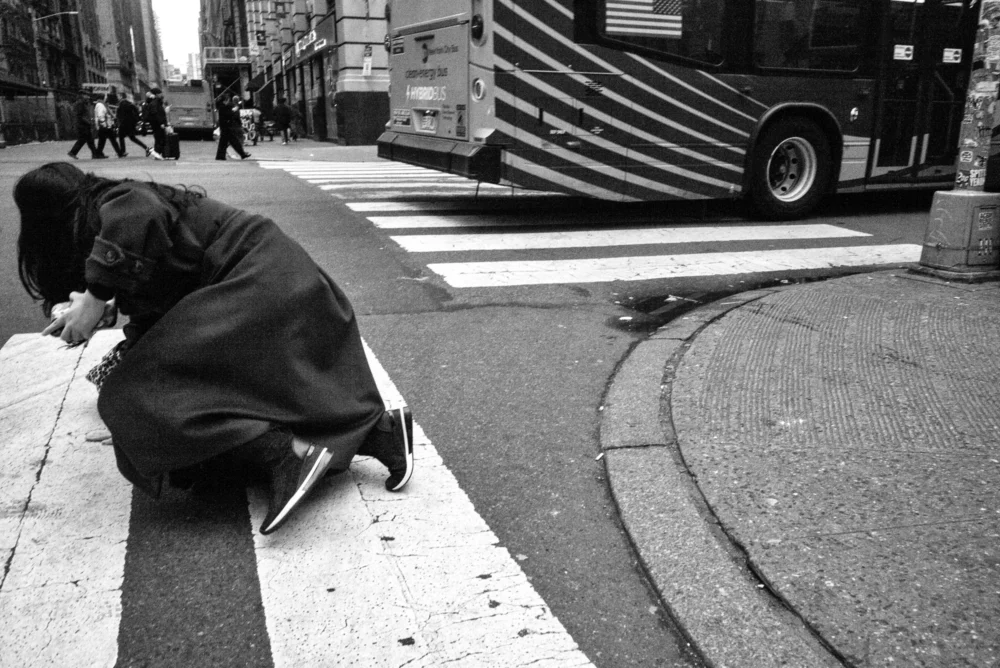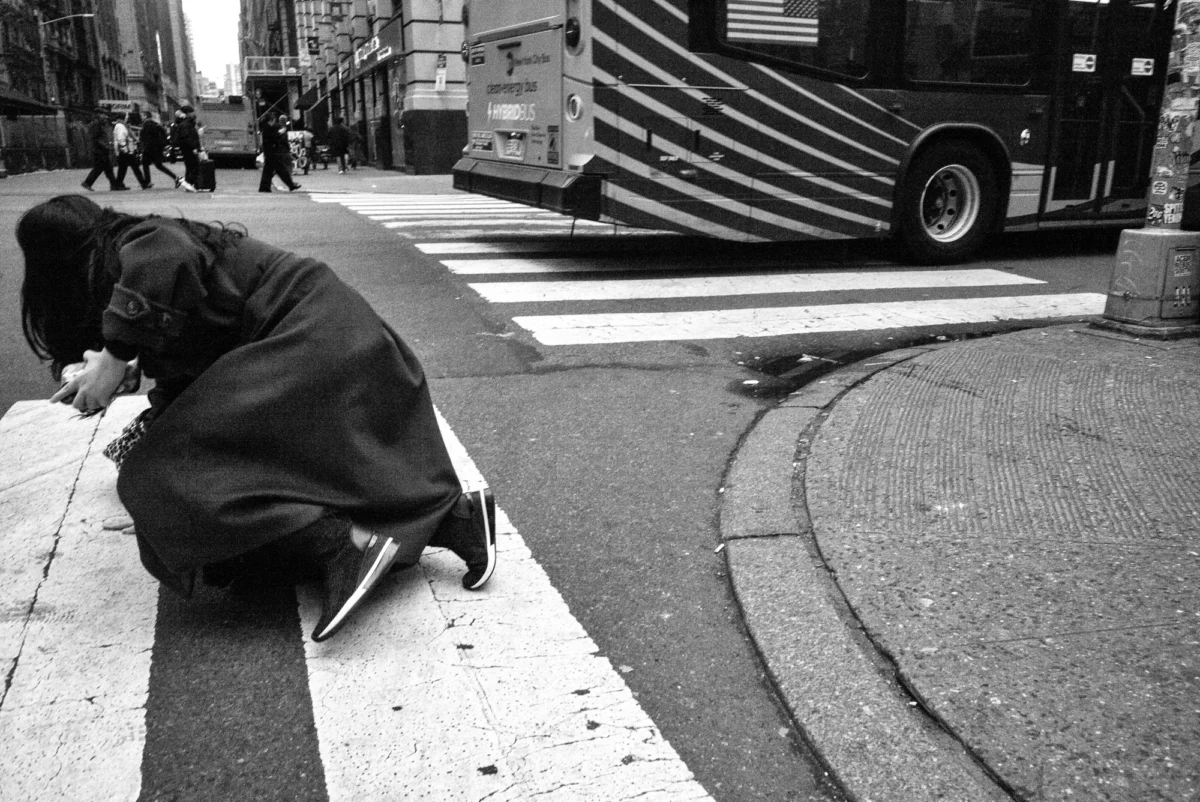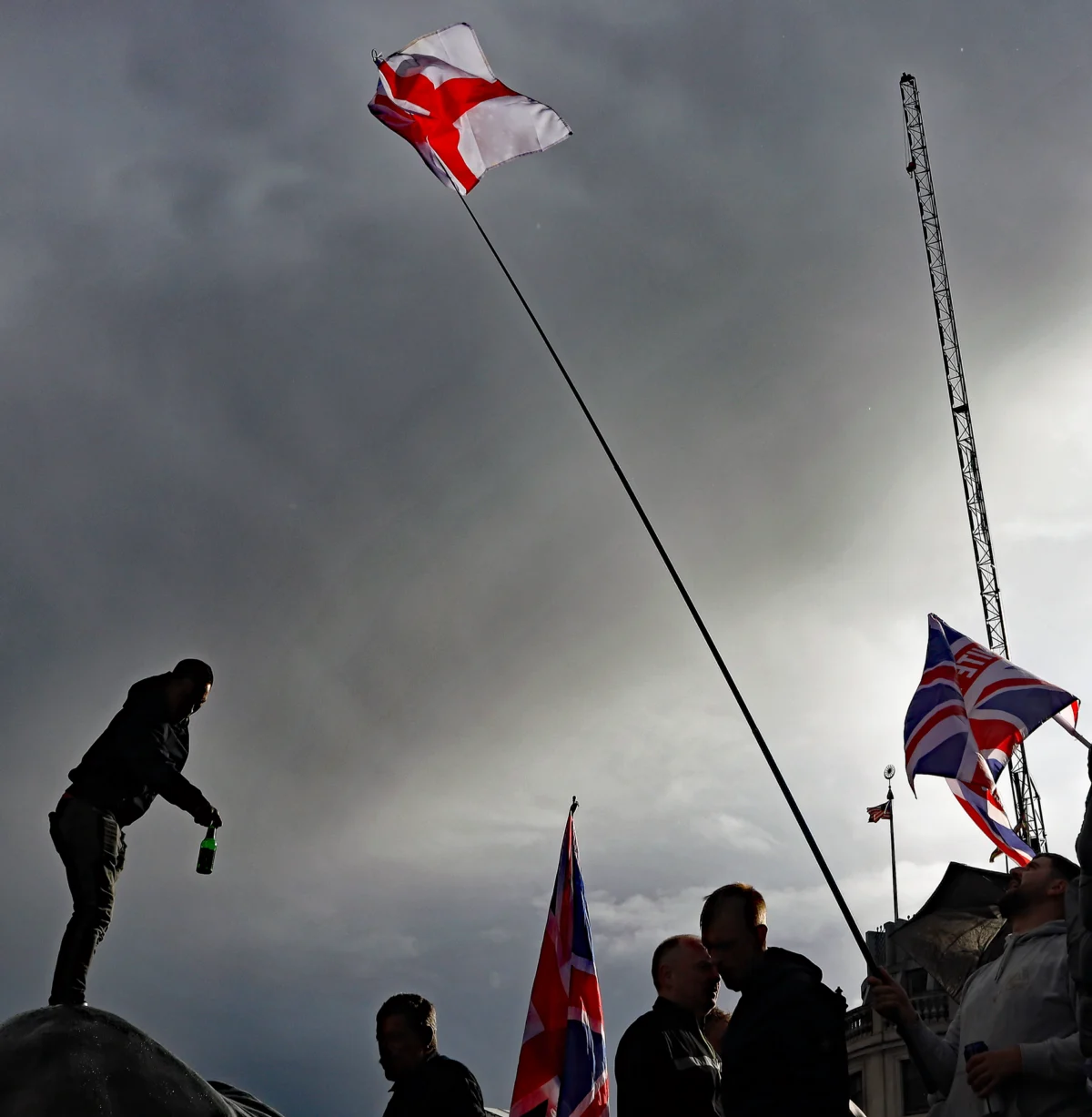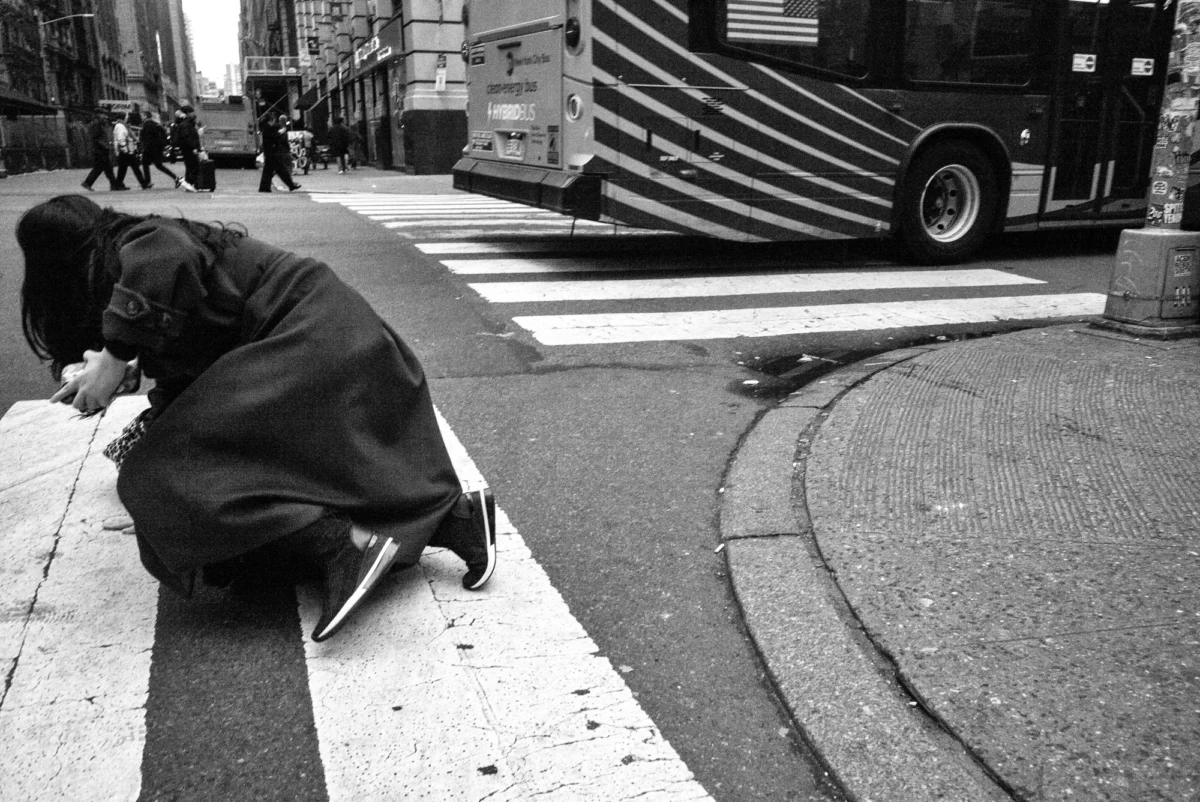
Brooklyn-based photographer, writer, and musician Reuben Radding is redefining the boundaries of street photography, challenging long-held orthodoxies and encouraging a deeper, more introspective engagement with the medium. His recent monograph, Heavenly Arms, published by Red Hook Editions, not only garnered a 2nd Place Prize in the International Photography Awards (IPA) 2025 Book Category but also serves as a potent testament to his evolving artistic vision. This collection of 63 black-and-white images, culled from a decade of work in and around New York City, is described by Radding as a "meditation on human interconnectedness, conflict, and the musicality of American life," pushing the genre beyond mere documentation into a realm of profound personal and philosophical inquiry.
Radding, who holds an MFA in Interdisciplinary Arts from Goddard Community College (2019) and has been a photography educator since 2013, including stints at the New York Institute of Photography and the International Center of Photography, views his practice as an extension of the human experience itself. He describes his work as an improvisation guided by "energy, emotions, interactions, and all that is human." Crucially, Radding resists strict categorization, preferring to identify simply as a photographer dedicated to the artist’s essential work rather than limiting himself to the constraints of any single genre. This deliberate approach, a blend of street photography and personal documentary informed by a stream-of-consciousness methodology, allows him to forge a profound connection with his environment and its inhabitants, fostering a sense of belonging – "being a part" rather than "being apart."

The Evolution of Street Photography and Radding’s Place Within It
Street photography, a genre with roots tracing back to the pioneering work of Eugene Atget in the 1890s, has undergone a significant transformation. Initially focused on the candid documentation of everyday life, it has evolved to embrace more creative and interpretive depictions of mundane moments. Radding’s oeuvre, recognized with awards, exhibitions, and publications since the early 2010s, navigates this evolution by skillfully blending candid observation with a deeply personal artistic voice. His work has been lauded for its ability to capture both a "celebration of life" and a "window to the everyday."
However, Radding’s perspective challenges the conventional understanding of the genre. "I have little to no control over this," he states regarding audience perception. "I don’t mind if people call me a street photographer, but when I used to think of myself this way I risked unconsciously limiting my practice to what I thought that meant. This is contrary to my values and inhibits my growth, so I prefer to just think of myself as a photographer. Categories are just marketing." This sentiment underscores a broader shift in contemporary art photography, where the emphasis is increasingly on the artist’s conceptual framework and expressive intent rather than adherence to established stylistic norms.
Heavenly Arms: A Decade of Interconnectedness
The publication of Heavenly Arms in 2024 marks a pivotal moment in Radding’s career, consolidating a decade of artistic exploration into a tangible body of work. The book’s title and its accompanying Afterword offer profound insights into Radding’s artistic philosophy. He writes of navigating "long stretches of not knowing" during the creation of the images, guided by the belief that "something that you feel will find its own form." This reflects a commitment to an intuitive and process-oriented approach, echoing the improvisational spirit he brings to both photography and his musical endeavors.

The core theme of Heavenly Arms is the exploration of human connection, its complexities, yearnings, and absences. Radding identifies the "lie that says we’re separate" as the fundamental problem facing the world. His photography, he explains, offers a way to transcend this perceived separation, fostering a sense of being enveloped by the "heavenly arms of the earthly human spirit." This metaphor encapsulates a surrender to life’s wildness, a vulnerability that leads to a profound sense of belonging and acceptance, even in the face of mortality. The book’s selection of 63 black-and-white images is a curated journey through the multifaceted realities of American urban life, emphasizing shared human experiences over individual isolation.
Challenging the Black and White vs. Color Dichotomy
A recurring theme in Radding’s discourse is his critique of rigid artistic orthodoxies, particularly the long-standing debate surrounding black-and-white versus color photography. While acknowledging that "we do see life in color," Radding argues that photographs are inherently a reduction of reality. For him, black and white photography is not about denying color but about further distilling the photographic medium to its essential elements.
"I discovered early on that when my photos looked too much like reality they annoyed me. They felt less magical and alive," Radding explains. "Reality is not where I wish to live. Reality is disappointing. I want to live in that magical space that activates possibility, imagination and memory." This preference for a heightened, almost dreamlike aesthetic, achieved through monochrome, sets his work apart from purely documentary approaches.

Radding also points to the historical irony of the color debate. "Until the early 1970s, no one dared show color photographs as art. Black & white was considered the palate of serious photography and color was associated with either commercial work, or amateur snapshots… Now it’s more than 50 years later and artists like myself are continually asked why we shoot black and white. What seems to have happened is that we have collectively traded in one stupid orthodoxy for another. I have no use for orthodoxies." He advocates for moving beyond such stylistic debates to focus on the emotional resonance and deeper thematic concerns within images. "It’s time we looked past palate and asked ourselves about the feelings and forms within the images, and what they have to say about deeper human concerns."
The Role of Education and Overcoming Artistic Stagnation
As an educator, Radding encounters numerous hurdles that students face in their artistic development. He identifies a lack of sustained effort as a primary obstacle, stating, "a lot of people just don’t work hard enough." He emphasizes that true growth in photography, especially in a discipline as demanding as street photography, requires significant dedication and a willingness to produce a large volume of work, including numerous "bad pictures," to uncover one’s unique visual language.
Beyond sheer volume, Radding addresses the stifling effects of imitation, the desire to conform, and limiting beliefs. He encourages students to move away from terms like "capturing," which he feels perpetuates a focus on objective description rather than the transformative potential of the medium. "The best pictures aren’t about that, but about activating powers of the medium to create questions, or problems, or impossibilities that are only visible in a picture: transformations of reality."

A particularly potent critique is leveled at the overemphasis on "storytelling" in photography. Radding argues that this concept is often a "cop-out," a metaphorical shortcut that distracts from the true power of images. He likens great photographs to poems, prioritizing "musicality of language" and emotional impact over factual reporting. "If the words don’t make you feel a taste in your mouth or feel a lightning in your mind, it doesn’t matter what facts or beliefs they describe. Pictures are like that." His pedagogical approach therefore centers on guiding students toward experiences that bypass their conscious control, encouraging them to work from "first thought" and to confront their fears, uncertainties, and intense emotions.
Rethinking Photography’s Core Inquiries
Radding urges photographers to abandon outdated binary debates—color vs. black and white, analog vs. digital, documentary vs. fine art—and instead engage with more profound questions about the human condition. He contends that "great pictures throughout the history of street photography have demonstrated myriad insights into the problem of living, the miracle of existence, and limitless ways to connect. Why don’t we talk about those instead of style?"
He suggests exploring themes prevalent in classic literature, such as "vanity, jealousy, sacrifice, virtue, or dishonesty," as fertile ground for contemporary photographic inquiry. The "material of life is full of fascinating problems and disappointments, unlikely heroics and bravery, foolishness and folly and always the spectre of our own mortality." By shifting focus from stylistic concerns to these fundamental aspects of human existence, photographers, Radding believes, can create work that is more "lasting and relevant." He echoes Garry Winogrand’s sentiment about the challenge of avoiding repetition, posing the question: "how do you keep from making the same pictures over and over?" as a more generative inquiry than technical comparisons.

The Significance of Luck and Risk in the Creative Process
Radding acknowledges the undeniable role of luck in street photography, particularly in capturing moments that transcend pre-visualization. He describes some of his images, including those in Heavenly Arms, as products of "rehearsed luck"—situations where the confluence of elements at the precise moment of capture could not have been planned. This "rehearsed luck" often involves an inherent sense of risk.
"I used to play music that was totally improvised and for the audiences that loved it the appeal wasn’t that it all worked or made sense, but that there was always the sense that it could fall apart any second," Radding reflects. He contrasts this with photographers who seek to minimize risk, advocating instead for "discoveries through taking chances." The analogy of a tightrope walker, where the degree of elevation directly correlates to audience engagement, effectively illustrates how embracing risk amplifies the impact and significance of artistic endeavor.
Navigating the Iconic Landscape of New York City
The challenge of creating novel work in a city as extensively photographed as New York is a persistent concern for many photographers. However, Radding finds that this is not a primary constraint for him or many of his New York-based peers. "New York is a place that is constantly changing, is incredibly varied, full of surprises, and small differences in how you point a camera can seem to present totally different worlds." The enduring challenge, he asserts, is simply the fundamental difficulty of "getting a great picture, period," regardless of location.

The Evolving Standards of Editorial Photography
Regarding the impact of digital technology and social media on editorial photography, Radding expresses a lack of direct engagement with the field. His interactions with editors have generally revealed a lack of imagination and risk-aversion, a sentiment he suggests has remained consistent. While acknowledging the existence of exceptional editors, his personal focus remains firmly rooted in his artistic practice rather than the demands of editorial assignments.
Composition and Intuition in Street Photography
Radding views composition as a critical element of both form and content in photography. While he believes that an intuitive approach to composition can emerge organically on the streets, he stresses the importance of conscious evaluation during the post-shooting stage. "Photos that don’t capitalize on possibilities of form or ‘composition’ aren’t worth as much to me as ones that do." However, he cautions against an overreliance on formalistic techniques, noting that even with sophisticated compositional strategies like "layering," a forgettable image can still result if the underlying content or emotional resonance is absent.
Radding’s Legacy in Street Photography
When asked to place himself within the history of street photography, Radding deflects definitive categorization. "That’s not something I get to decide. It’s for other people to say." He acknowledges a kinship with both past and present artists but emphasizes his commitment to internal artistic dialogue. "I only compare myself to myself and my own desires." His intention is to continue exploring his artistic path, acknowledging his influences while remaining open to the unknown trajectory of his future impact.

Reuben Radding’s work, epitomized by Heavenly Arms, represents a vital contribution to contemporary photography. By challenging genre conventions, embracing vulnerability, and encouraging a deeper engagement with the human experience, he is not only enriching the discourse around street photography but also pushing the boundaries of artistic expression for a new generation of image-makers. His dedication to authenticity and his relentless pursuit of meaningful connection solidify his position as a significant voice in the evolving landscape of visual art.
Further engagement with Reuben Radding’s work can be found on his website, his Instagram, and through his critically acclaimed book, Heavenly Arms.