The Evolution of the Visual Economy: From 2003 to 2026
The trajectory of Shutterstock mirrors the broader evolution of the internet’s visual language. Founded in 2003 by Jon Oringer with a starting library of 30,000 of his own photographs, the company pioneered the subscription model for stock photography. Over the subsequent two decades, the platform transitioned from a static repository for print media into a dynamic, AI-integrated creative suite designed specifically for the fast-paced requirements of social media managers and content creators.
By 2026, the "Visual Economy" has shifted focus from mere quantity to high-fidelity relevance. The rise of short-form video content and augmented reality (AR) ads has necessitated a shift in how stock agencies operate. Shutterstock’s acquisition of various tech and creative entities—including the 2021 acquisition of PicMonkey and the later integration of advanced generative AI tools—has positioned it as a comprehensive ecosystem. This evolution reflects a broader industry trend where creators no longer seek just an image, but a workflow solution that handles everything from sourcing to editing and compliance.

Core Facts: The Scale and Scope of Modern Premium Assets
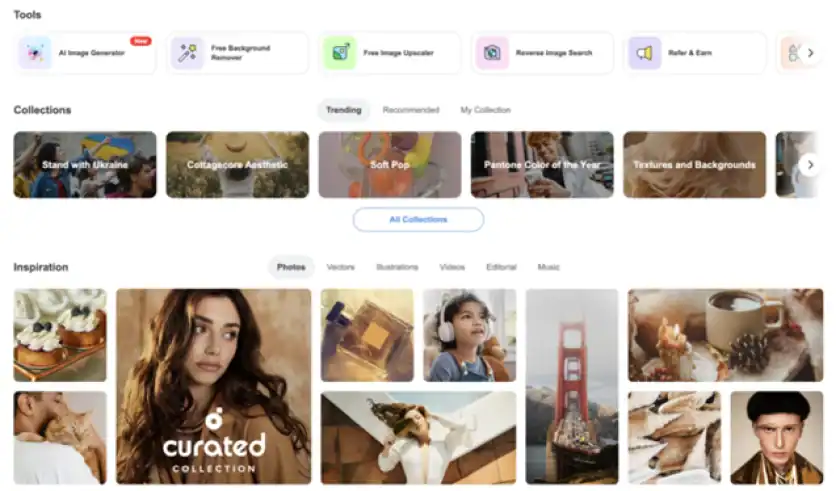
To understand whether the investment is justified, one must examine the raw data of the platform’s current offerings. As of early 2026, Shutterstock’s library exceeds 450 million images, with over 200,000 new assets added daily. This scale is critical for social media marketing because it minimizes the "visual fatigue" associated with overused free imagery.
Beyond static photos, the platform has expanded into several high-growth categories:
- Vertical Video Content: With the dominance of TikTok and YouTube Shorts, the demand for 4K vertical-optimized b-roll has increased by an estimated 300% since 2023.
- Music and Sound Effects: Social media algorithms prioritize "original audio" and high-quality soundscapes. Shutterstock’s library now includes thousands of tracks curated for social trends.
- 3D and Metaverse Assets: As brands experiment with immersive social experiences, the availability of 3D models has become a differentiating factor for premium subscribers.
- Editorial and News: Real-time social media commentary requires access to current events imagery, a feature largely absent from free stock websites.
Chronology of Digital Asset Trends and Shutterstock’s Response
The necessity of premium stock services can be traced through a specific timeline of social media shifts:

- 2012–2016: The Rise of the Aesthetic. Instagram’s early growth focused on high-contrast, stylized photography. During this era, stock photography was often criticized for being "too staged," leading to a demand for more candid, "authentic" imagery.
- 2017–2021: The Video Pivot. Platforms began prioritizing video content. Shutterstock responded by aggressively expanding its footage library and introducing flexible licensing for social media ads.
- 2022–2024: The AI Disruption. The emergence of generative AI created a legal gray area for many creators. Shutterstock distinguished itself by launching a "contributor fund" to compensate artists whose work trained their AI, providing brands with "commercially safe" AI-generated content.
- 2025–2026: The Integrated Workflow Era. The current period is defined by the "Creative Flow" suite, which allows users to edit assets within the browser, removing the need for expensive third-party software like the Adobe Creative Cloud for basic social posts.
Supporting Data: The ROI of Premium Imagery in Social Advertising
Data from digital marketing firms suggests a direct correlation between asset quality and campaign performance. In a 2025 study of 1,200 small-to-medium enterprises (SMEs), campaigns utilizing premium, licensed imagery saw a 14.2% higher click-through rate (CTR) compared to those using common free-site assets.
Furthermore, the "cost of litigation" has become a significant factor in the valuation of premium services. While free sites offer images under Creative Commons or similar licenses, these often lack verified model releases or property releases. Legal experts note that copyright infringement claims against social media influencers and small businesses have risen by 22% year-over-year. Shutterstock’s "Standard" and "Enhanced" licenses provide a layer of indemnification—typically up to $10,000 or more depending on the plan—offering a level of legal security that free platforms cannot match.
Official Responses and Industry Perspectives
Industry leaders have increasingly voiced the importance of asset "originality" in a world of automated content. In a recent digital marketing summit, several Chief Marketing Officers (CMOs) noted that the "uncanny valley" of low-quality or over-indexed free stock photos can actually damage brand trust.

"The modern consumer is visually literate," stated a representative from a leading global ad agency. "When a user sees the same ‘happy office worker’ photo on three different brand feeds, the perceived value of those brands drops. Premium libraries like Shutterstock allow for a level of visual curation that suggests a higher level of professional investment."
Similarly, Shutterstock’s own corporate communications emphasize their shift toward "ethical AI" and "commercially viable" assets. By providing metadata-rich files and verified licenses, the company positions itself as the "safe" choice for corporate entities that cannot afford the reputational risk of copyright disputes.
Technical Analysis: The Creative Flow Suite and Efficiency
One of the strongest arguments for the "worth" of Shutterstock in 2026 is the efficiency gain provided by its "Creative Flow" suite. This integrated toolkit includes:

- AI Image Generator: Allows users to create specific visuals that may not exist in the library, with the guarantee that the output is legally cleared for commercial use.
- Background Remover: A one-click tool essential for creating transparent PNGs for social media "stickers" or complex layouts.
- Smart Resizer: Automatically adjusts a single design into the specific dimensions required for an Instagram Story, a LinkedIn header, and a Facebook post simultaneously.
For a social media manager, these tools can reduce the content creation cycle from hours to minutes. When calculated against an average hourly wage for a marketing professional, the subscription cost of Shutterstock is often offset by the time saved in the production phase.
Broader Impact and Market Implications
The continued dominance of premium stock agencies has broader implications for the creative economy. As AI continues to democratize content creation, the value of "human-vetted" and "legally-insured" content increases. For social media marketing, this means that the "barrier to entry" for looking like a professional brand has been lowered for those willing to pay for a subscription, while the "penalty" for using generic, low-quality assets has increased.
Moreover, the shift toward 4K and 8K video as the standard for social media means that the file sizes and hosting requirements have grown. Premium services provide the infrastructure to search, preview, and download these massive files quickly, which is a significant technical advantage over fragmented free repositories.

Conclusion: The Verdict on Investment
In the final analysis, determining if Shutterstock is "worth it" depends on the scale of the operation. For a casual hobbyist or a brand with a purely local, non-competitive footprint, free tools may suffice. However, for any entity utilizing social media as a primary driver of lead generation, brand equity, or e-commerce, the data points toward a clear "yes."
The combination of a 450-million-plus asset library, integrated AI editing tools, and robust legal protection creates a value proposition that transcends the cost of the subscription. In an era where the "scroll-stop" is the most valuable currency in marketing, the ability to deploy unique, high-definition, and legally-cleared visuals is not just a luxury—it is a foundational component of modern digital strategy. As social media continues to evolve toward more immersive and high-fidelity formats, the gap between brands using premium assets and those relying on free alternatives is expected to widen further, making early adoption of premium workflows a prudent long-term investment.