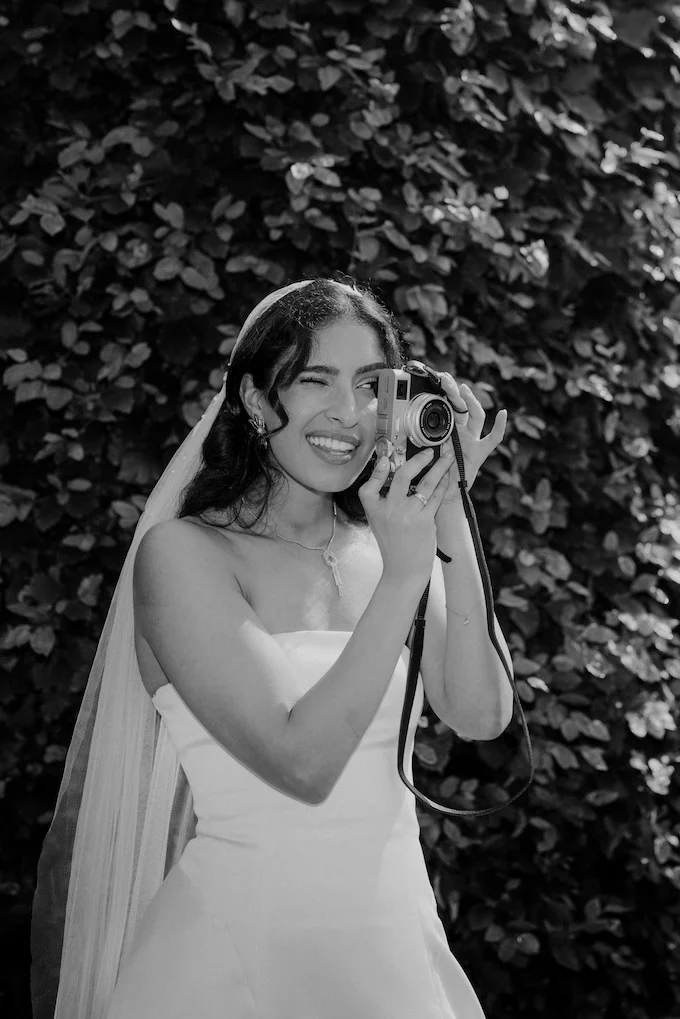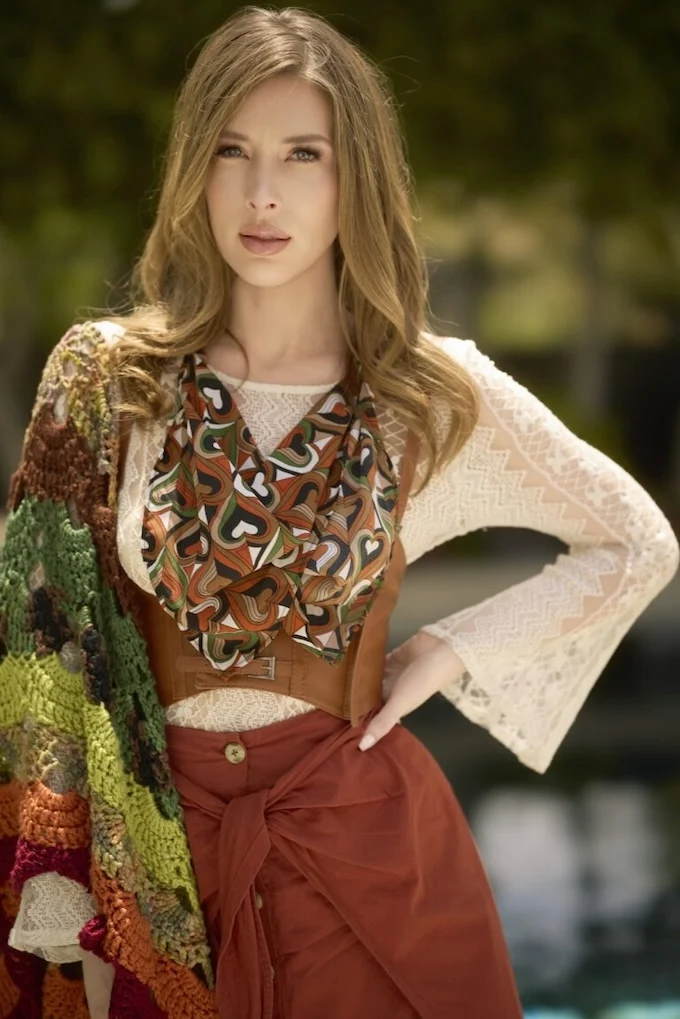
When it comes to lighting in photography, a prevailing instinct often guides practitioners toward the embrace of soft, diffused light. This preference is rooted in a desire for flattering illumination, leading many to employ diffusion techniques for flashes, utilize umbrellas, and actively seek out the gentle, even light of cloudy days. However, a paradigm shift in understanding photographic lighting is being championed by renowned photographer Roberto Valenzuela, who posits that some of the most compelling and striking portraits emerge not from softness, but from the deliberate and masterful application of hard light. This transformative approach is now accessible through his groundbreaking "Dynamic Lighting Masterclass," available on the WPPI On Demand platform. This comprehensive course promises to revolutionize how photographers perceive and utilize light, particularly in the realm of portraiture.
The Underrated Power of Hard Light in Portraiture
Valenzuela’s philosophy challenges the conventional wisdom that hard light is inherently difficult or undesirable. He asserts, "Hard light gets a bad reputation because it’s more difficult to use. But it’s not really difficult. If you have some control over your subjects, hard light is going to look ten times more dynamic, ten times more amazing." This assertion is not merely anecdotal; it is grounded in the visual impact that hard light can impart.
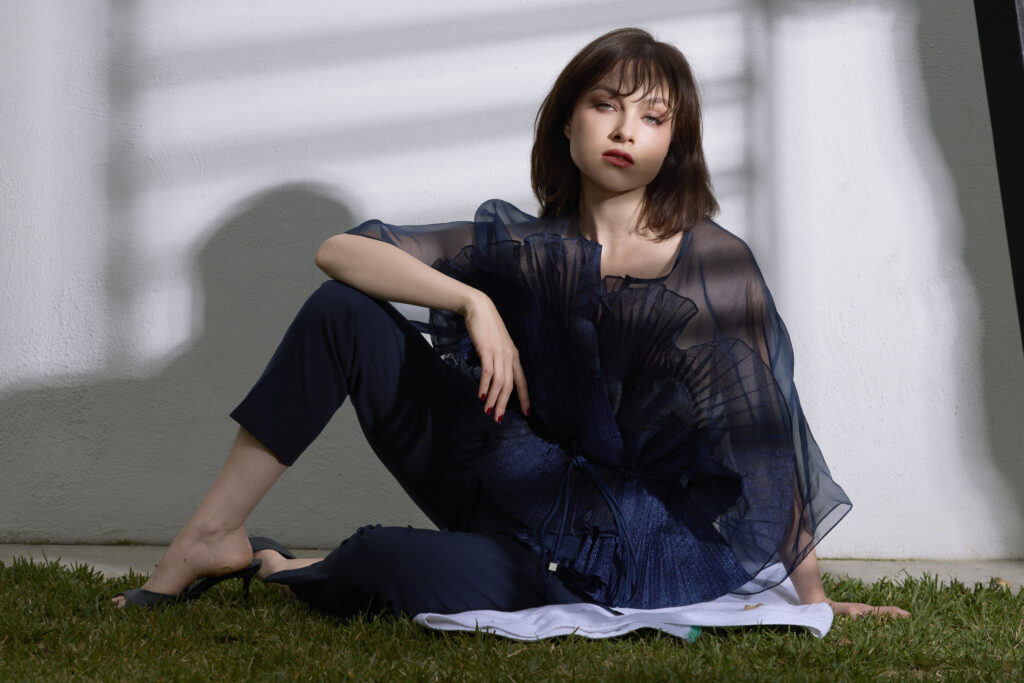
The essence of hard light’s potency lies in its ability to create images characterized by:
- Intense Contrast: The stark difference between highlights and shadows generated by hard light lends a dramatic and sculpted quality to the subject. This dramatic contrast can accentuate facial features, add depth, and create a sense of three-dimensionality that softer light might otherwise diminish.
- Defined Textures and Details: Hard light excels at revealing and emphasizing the intricate textures of skin, fabric, and the environment. This can lead to a more visceral and tactile representation of the subject, conveying a sense of realism and presence.
- Striking Visual Impact: The inherent drama of hard light often commands attention. As Valenzuela observes, "People are going to look at the photo, and they can’t stop looking at it. There’s something beautiful about it because it’s not normal to see lighting like that." This deviation from the norm can create a memorable and impactful image that lingers in the viewer’s mind.
- Emotional Resonance: The dramatic interplay of light and shadow can evoke a wide range of emotions. Hard light can be used to convey intensity, introspection, mystery, or even a sense of ruggedness, depending on its application and the subject’s portrayal.
- Artistic Control and Intent: While perceived as challenging, mastering hard light offers a high degree of artistic control. Photographers can precisely sculpt the subject’s form, direct the viewer’s eye, and establish a specific mood or narrative through the strategic placement and intensity of hard light sources.
This potential for heightened visual impact and artistic expression is a core tenet of Valenzuela’s teaching. By moving beyond the comfort zone of diffused light, photographers can unlock a new dimension of creative possibilities, producing portraits that are not only aesthetically pleasing but also artistically significant and emotionally resonant.
Essential Gear Considerations: The Indispensable Grid
A critical piece of advice from Valenzuela for photographers venturing into the realm of hard light photography centers on essential gear. He strongly advocates for a fundamental principle regarding hard light modifiers: "Never buy a hard light modifier without also purchasing its grid." This is not a suggestion but a near imperative, as Valenzuela emphasizes, "Hard modifiers without a grid is like a car without a steering wheel. If you can’t afford the grid, then don’t buy the modifier at all because it’s a waste of your money."

The rationale behind this stark warning is rooted in the functional necessity of the grid. Hard light modifiers, such as snoots, beauty dishes, or bare bulbs, produce a focused beam of light. Without a grid, this light can easily spill in uncontrolled directions, illuminating unwanted areas of the background and diluting the intended effect on the subject. This spill can negate the desired separation between the subject and their environment, a crucial element for creating impactful portraits.
A grid, often referred to as a honeycomb, attaches to the front of the light modifier and acts as a directional control. It essentially narrows the beam of light, preventing it from spreading outwards and ensuring that it precisely illuminates the intended subject. This precise control is vital for:
- Subject Isolation: By restricting light spill, grids allow photographers to keep the background dark or underexposed, making the subject pop and drawing the viewer’s attention directly to them. This is fundamental for creating a strong subject-background separation, a hallmark of professional portraiture.
- Defining Light Patterns: Grids enable the creation of specific light patterns on the subject’s face and body. This can be used to sculpt features, create dramatic shadows, and add a level of artistic intentionality to the lighting setup.
- Maintaining Control in Busy Environments: When shooting in locations with distracting backgrounds, a grid becomes an invaluable tool for maintaining focus on the subject. It allows photographers to use hard light effectively even in challenging environments where soft light might simply illuminate everything indiscriminately.
The financial implication of Valenzuela’s advice is also significant. Investing in a hard light modifier without the accompanying grid is, in his view, a premature and ultimately wasteful expenditure. The true utility and creative potential of the modifier are only unlocked with the addition of the grid, making it a non-negotiable component for photographers serious about mastering hard light techniques.

The "Batman and Robin" Technique: A Strategic Blend of Light
Beyond the fundamental use of hard light, Valenzuela introduces a sophisticated and highly effective lighting strategy he terms the "Batman and Robin" technique. This approach masterfully blends the dramatic impact of hard light with the nuanced control offered by softer or medium light sources. The analogy itself is instructive: Batman, representing the primary, powerful, and dramatic element, and Robin, the supportive, guiding, and balancing force.
The core of this technique involves using two distinct light sources:
- The "Batman" Light (Hard Light): This is the dominant light source, typically a hard, directional light. It is employed to create the dramatic shadows, define features, and establish the overall mood and intensity of the portrait. This light might be positioned to create strong side lighting, backlighting for rim effects, or even a dramatic top-down illumination. Its primary role is to provide impact and visual intrigue.
- The "Robin" Light (Medium or Soft Light): This secondary light acts as a fill light. It is used to subtly lift the shadows created by the hard light, preventing them from becoming too deep and losing all detail. This light is often softer and less intense than the primary hard light. Its purpose is not to overpower the drama of the hard light but to ensure that crucial details within the shadow areas are still visible, maintaining a balanced and pleasing aesthetic. This could be a larger diffused source, a reflector, or even a strategically placed secondary flash with diffusion.
Valenzuela acknowledges that this technique can be executed with a single light source and careful subject posing, but he notes its enhanced effectiveness with two lights: "You don’t have to, but it works quite well to do it with two sources of light, a hard one and a medium or soft one."

The strategic interplay between these two light sources yields portraits that possess both:
- Dramatic Flair: The hard light injects a sense of dynamism, shaping the subject’s form and adding a compelling visual narrative through its contrast.
- Controlled Detail: The fill light ensures that the image remains technically sound, with sufficient detail in the shadow areas to avoid a completely underexposed or muddy appearance. This balance is crucial for a professional and aesthetically pleasing result.
- Subject-Centricity: By carefully controlling the direction and intensity of both lights, the photographer can ensure that the subject remains the undisputed focal point, even with the inherent drama of hard light.
- Versatility: This technique is adaptable to a wide range of photographic styles and subject matter, from high-fashion editorial to intimate environmental portraits.
The "Batman and Robin" approach exemplifies Valenzuela’s holistic view of lighting as a tool for storytelling and artistic expression, where control and impact are not mutually exclusive but can be harmoniously integrated.
Expanding the Horizons: Beyond the Basics
The "Batman and Robin" technique and the emphasis on grids represent just a fraction of the comprehensive knowledge shared within Roberto Valenzuela’s "Dynamic Lighting Masterclass." The course delves into a much broader spectrum of lighting principles and practical applications, aiming to equip photographers with a complete toolkit for manipulating light.

Beyond the foundational concepts, the masterclass explores:
- The Physics of Light: A deeper understanding of how light behaves – its directionality, quality, and intensity – is crucial for effective manipulation. The course likely delves into the scientific principles that underpin these visual effects.
- Light Shaping Tools and Techniques: Beyond standard modifiers, Valenzuela likely covers advanced techniques for shaping light, such as using flags, gobos, and specialized cutters to create precise shadows and highlights.
- Color Theory and Lighting: The interplay of light and color is a significant aspect of visual art. The masterclass may explore how different light temperatures and colors can influence the mood and perception of a portrait.
- Environmental Lighting: Applying dynamic lighting principles not just in a controlled studio setting but also within diverse and often challenging natural environments. This includes understanding how to work with existing light and supplement it effectively.
- Creative Applications of Light: Exploring avant-garde and unconventional uses of light to achieve unique artistic visions, pushing the boundaries of traditional portraiture.
- Post-Processing Integration: Understanding how lighting choices in-camera can be enhanced and refined during the post-processing stage, creating a seamless workflow from capture to final image.
The "Dynamic Lighting Masterclass" is positioned as a comprehensive educational resource, designed to transform a photographer’s understanding and execution of lighting. It moves beyond rote memorization of techniques to foster a deep, intuitive grasp of light as a creative medium.
Transforming Your Photographic Vision
The insights shared by Roberto Valenzuela, particularly his advocacy for the powerful yet often overlooked potential of hard light, offer a compelling path for photographers seeking to elevate their work. The "Batman and Robin" technique, coupled with the critical importance of grids for controlling hard light, provides actionable strategies that can immediately impact the quality and artistic merit of portrait photography.

The availability of the "Dynamic Lighting Masterclass" through WPPI On Demand signifies a commitment to making this advanced knowledge accessible to a global audience. For photographers who are ready to move beyond conventional approaches and experiment with techniques that can yield truly remarkable results, this course presents an invaluable opportunity.
As Valenzuela demonstrates, mastery of light involves not just understanding its fundamental properties but also learning to shape, control, and creatively bend it to one’s artistic will. The most striking images often arise from a willingness to explore and embrace techniques that others might find intimidating or unconventional. By challenging established norms and revealing the profound artistic potential of hard light, Roberto Valenzuela is not just teaching a lighting technique; he is empowering photographers to see the world, and their subjects, through a new and dynamic lens.
For those eager to embark on this journey of photographic enlightenment, the "Dynamic Lighting Masterclass" at the WPPI On Demand Store offers a comprehensive curriculum designed to unlock new levels of creativity and technical proficiency. The investment in such knowledge promises to yield not just better photographs, but a fundamentally transformed approach to the art of photography itself.

Roberto Valenzuela’s work can be further explored at RobertoValenzuela.com and his Instagram handle @roberto_photo. His contributions to the field of photography are increasingly recognized for their innovative and impactful approach to lighting.
This article was inspired by the insights shared in the "Dynamic Lighting Masterclass," now available on WPPI On Demand, and touches upon broader themes explored in related articles such as "Create Spicy Photos that Enliven the Senses with Roberto Valenzuela."