New York City has long been a canvas for artists, a vibrant tapestry woven from countless stories, and for decades, its bustling streets have beckoned photographers to capture its essence. Among the legion of visual storytellers drawn to this urban mecca is Xiomaro, an artist whose unexpected journey into street photography is as compelling as the images he creates. His unique perspective, honed by a diverse career path and a profound personal experience, offers a fresh lens through which to view the multifaceted identity of the Big Apple.
Born and raised in Brooklyn, Xiomaro’s early artistic inclinations were broad, encompassing music, painting, and writing. His academic pursuits mirrored this eclectic passion, leading him to study these arts alongside philosophy, with a pragmatic eye toward a future in law. Following college, he embarked on a career as a corporate litigation attorney, a path that eventually transitioned into entertainment law. In this capacity, he represented influential figures in the music industry, including pioneering groups like the Village People and artists such as Lisa Lisa and MC Shan. Even amidst the high-stakes world of legal practice and the dynamism of the entertainment scene, Xiomaro harbored a persistent fascination with documenting the captivating places, faces, and unfolding narratives he encountered. He often reflects that had modern smartphone technology been readily available during those years, his personal archives would be rich with "really compelling photographs."

However, it was a personal battle with cancer that served as a catalyst, prompting Xiomaro to fully embrace photography as a creative outlet and a means of processing his life. This period of reevaluation led him to discover the profound visual poetry inherent in everyday urban existence, finding it as captivating as the narratives of the music industry he once navigated. Gradually, he began to extricate himself from the legal profession, dedicating his time and energy to his burgeoning passion. For several years, Xiomaro committed five days a week to immersing himself in the streets of New York City, meticulously documenting whatever details and interactions caught his artistic eye.
The Art of Observation: Navigating the Urban Landscape
Xiomaro’s methodical approach involved intentionally varying his routes, a strategy that ensured exposure to a diverse array of people and scenarios. He observed distinct demographic and behavioral patterns across different avenues; for instance, Sixth Avenue often presented a more business-oriented clientele, while Eighth Avenue tended to showcase a more local populace. Times Square, as expected, served as a hub for tourists from across the globe. "Now that I’ve left the legal profession, I photograph on the street as often as I can in between other projects such as exhibitions, National Park Service commissions, and books," Xiomaro explains, underscoring the integrated nature of his artistic endeavors.
From Historic Sites to City Streets: A Divergent Yet Unified Vision
His work also extends to significant commissions for the National Park Service, a chapter in his career that offers a striking contrast to his urban street photography. In this capacity, he has documented historically vital structures, including George Washington’s headquarters and Theodore Roosevelt’s ancestral home. "These are essentially museums, so I concentrated on capturing things that are difficult to see or appreciate during a tour," he recalls of these assignments. Despite temporal and access limitations, he succeeded in capturing rare perspectives and intimate details of unique artifacts, some of which have never been publicly displayed, as well as documenting remote, ecologically sensitive locales.
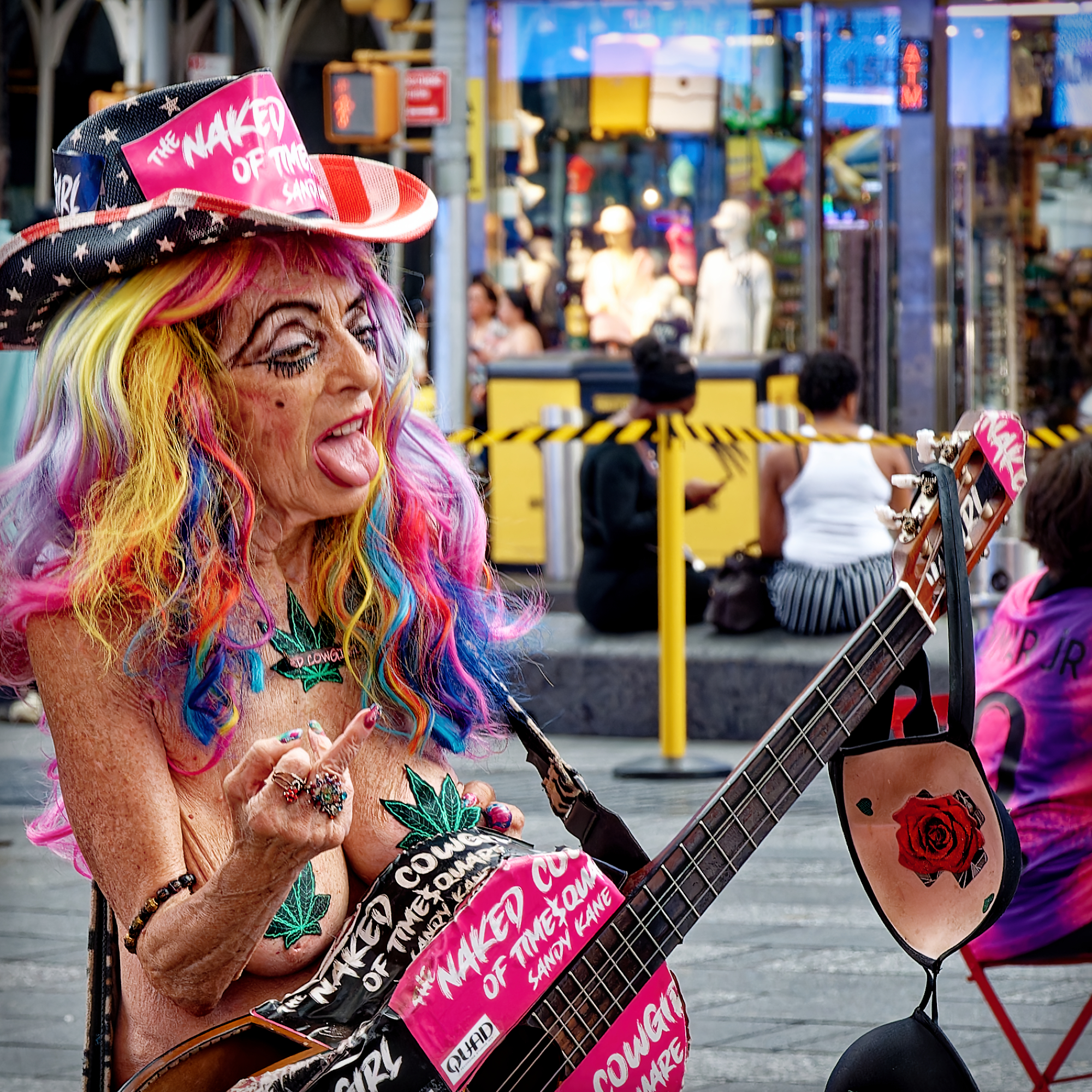
The apparent disparity in subject matter and environment between the serene National Parks and the frenetic energy of New York City’s streets might suggest a disconnect in his artistic focus. Even his influences for these two distinct areas of his work are divergent. While the classical masters like Goya, Rembrandt, and Vermeer informed his National Park photography, his street photography is deeply influenced by luminaries such as Saul Leiter, Garry Winogrand, and Joel Meyerowitz.
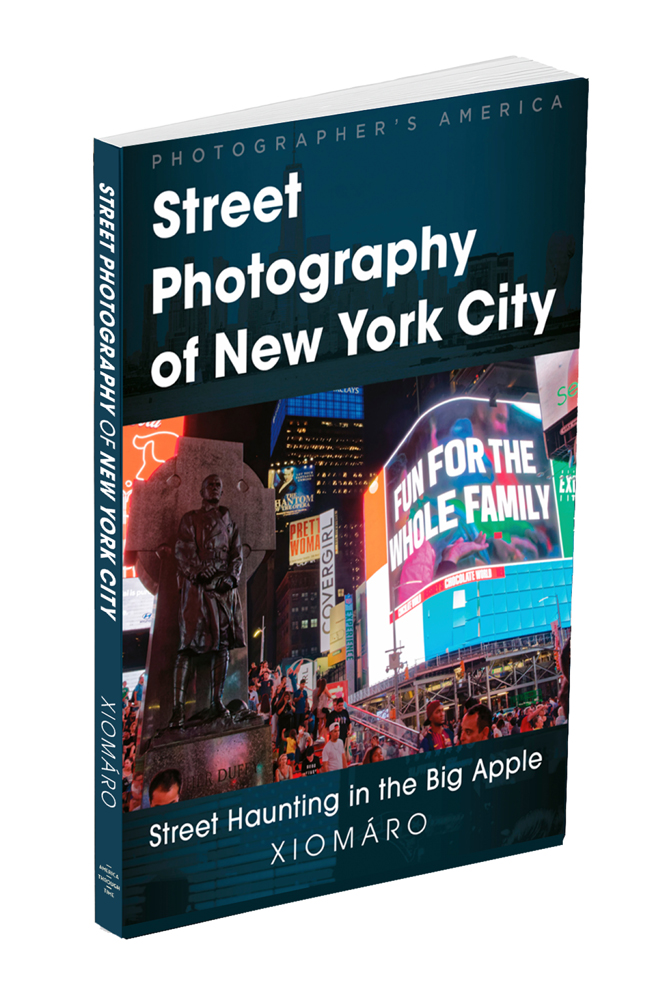
Yet, for Xiomaro, whose artistic output is frequently lauded for its "unorthodox look" and "focus on striking details," the underlying principle remains consistent: the relentless pursuit of the hidden and the overlooked. This approach is a cornerstone of his latest publication, Street Photography of New York City: Street Haunting in the Big Apple.
Unveiling the Unseen: The Power of Detail in Xiomaro’s Work
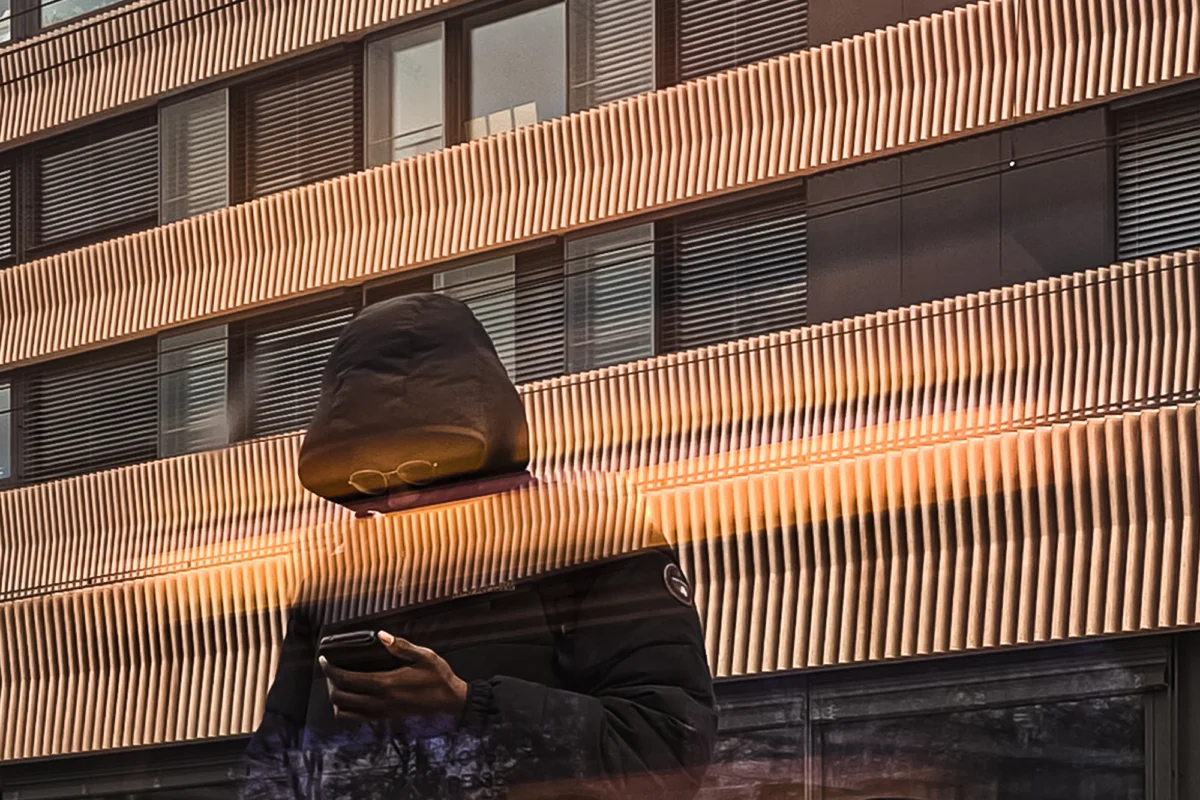
His new book delves into the minutiae of urban architecture, capturing subtle details on even the most recognizable facades, such as those of Radio City. Some of his compositions are so abstract and kaleidoscopic that they have, on occasion, triggered warnings on social media platforms regarding the submission of AI-generated imagery.

A Creative Evolution: From Legal Practice to Photographic Artistry
When Xiomaro initially began documenting the everyday life of New York City, his primary objective was to maintain his photographic skills and expand his creative horizons beyond his National Park Service assignments. He sought to challenge himself by moving away from the deliberate, tripod-mounted style of shooting stationary scenes with a large DSLR camera. This transition required him to master handheld shooting with smaller cameras, emphasizing speed and decisive action to keep pace with the dynamic and ever-shifting urban environment.
"I never expected these ‘exercises’ to amount to anything," he admits. "But in 2023, a publisher contacted me out of the blue requesting that I submit a book proposal on street photography. They said they found me on Google, so I’m guessing they must have come across news reports about my work. It was surprising because, in 2017, it took months of persistence to secure a deal for a book on my National Park photography."
This serendipitous opportunity allowed his street photography to coalesce into a significant body of work, representing his artistic journey and personal evolution. It provided him with the means to explore the multifaceted layers of New York City in profound ways.

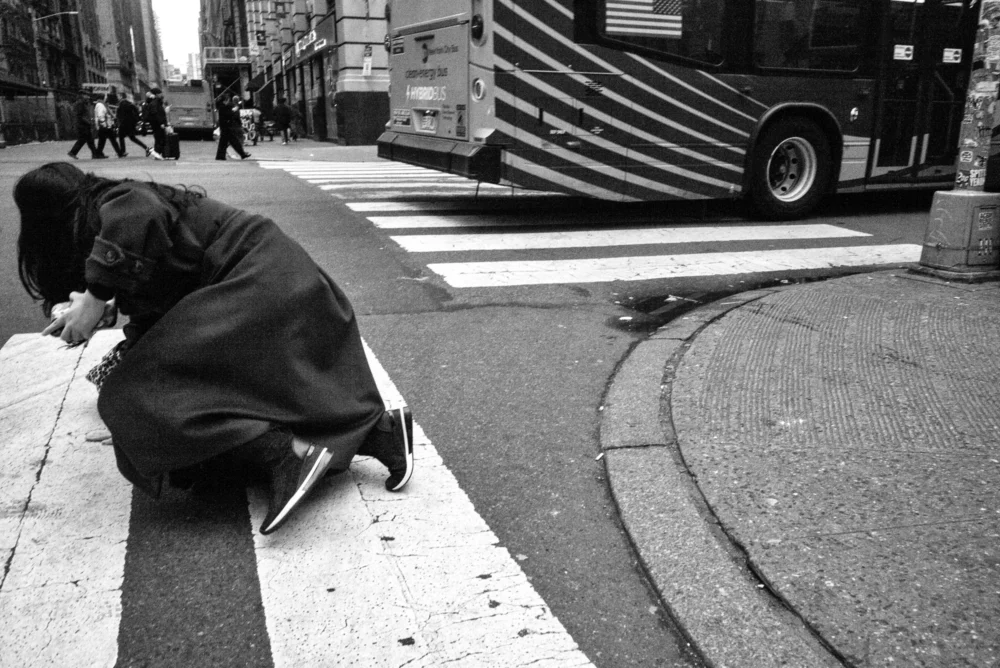
While his commissioned work for the National Park Service predominantly utilized color, street photography afforded him the liberty to experiment with black and white. He gradually developed an aesthetic sensibility well-suited to the urban environment. However, he acknowledges that some compositions are intrinsically tied to color. When he opts for black and white, it is often to convey the dark, gritty undercurrents of the city, an aspect of New York that he, as a creative who grew up there, is intimately familiar with.
"In other images, I chose black and white to impart a starkness, grit, and intensity that, for me, connects contemporary New York with the tough, dangerous, and dirty city I grew up in," Xiomaro elaborates. He draws parallels to cinematic approaches, citing Steven Spielberg’s Schindler’s List and Martin Scorsese’s Raging Bull, where directors employed black and white for artistic effect, reserving color for specific, impactful scenes.
Reflecting Societal Nuances: DEI and the Evolving Narrative of New York
Xiomaro’s new book contributes to the ongoing discourse surrounding New York City, offering a contemporary perspective that resonates with the current sociopolitical climate. Through its collection of images, the book engages with themes such as Diversity, Equity, and Inclusion (DEI) initiatives and how societal responses to these principles either embody or diverge from the ideals of diversity, equity, and inclusion in the United States.
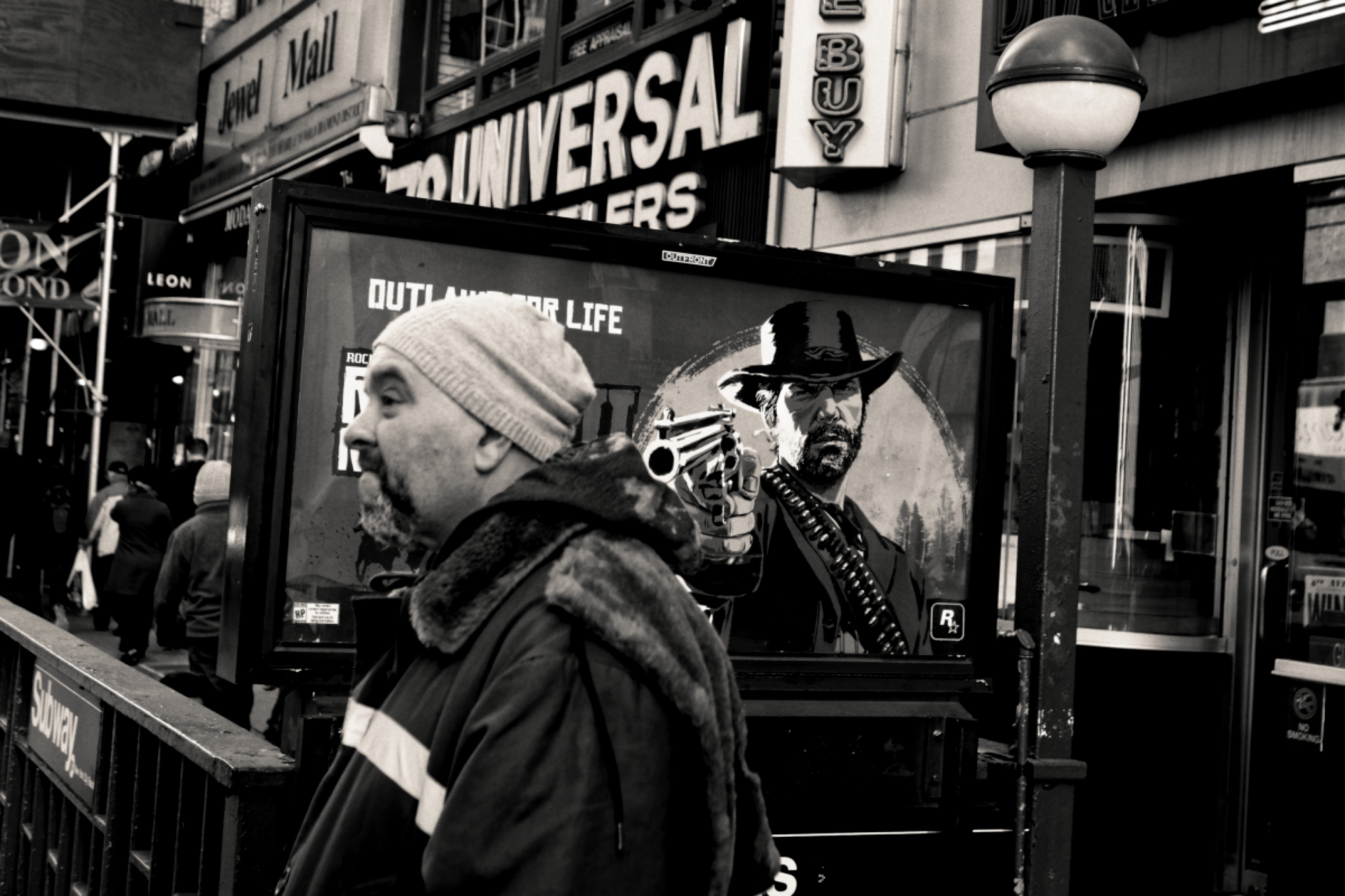
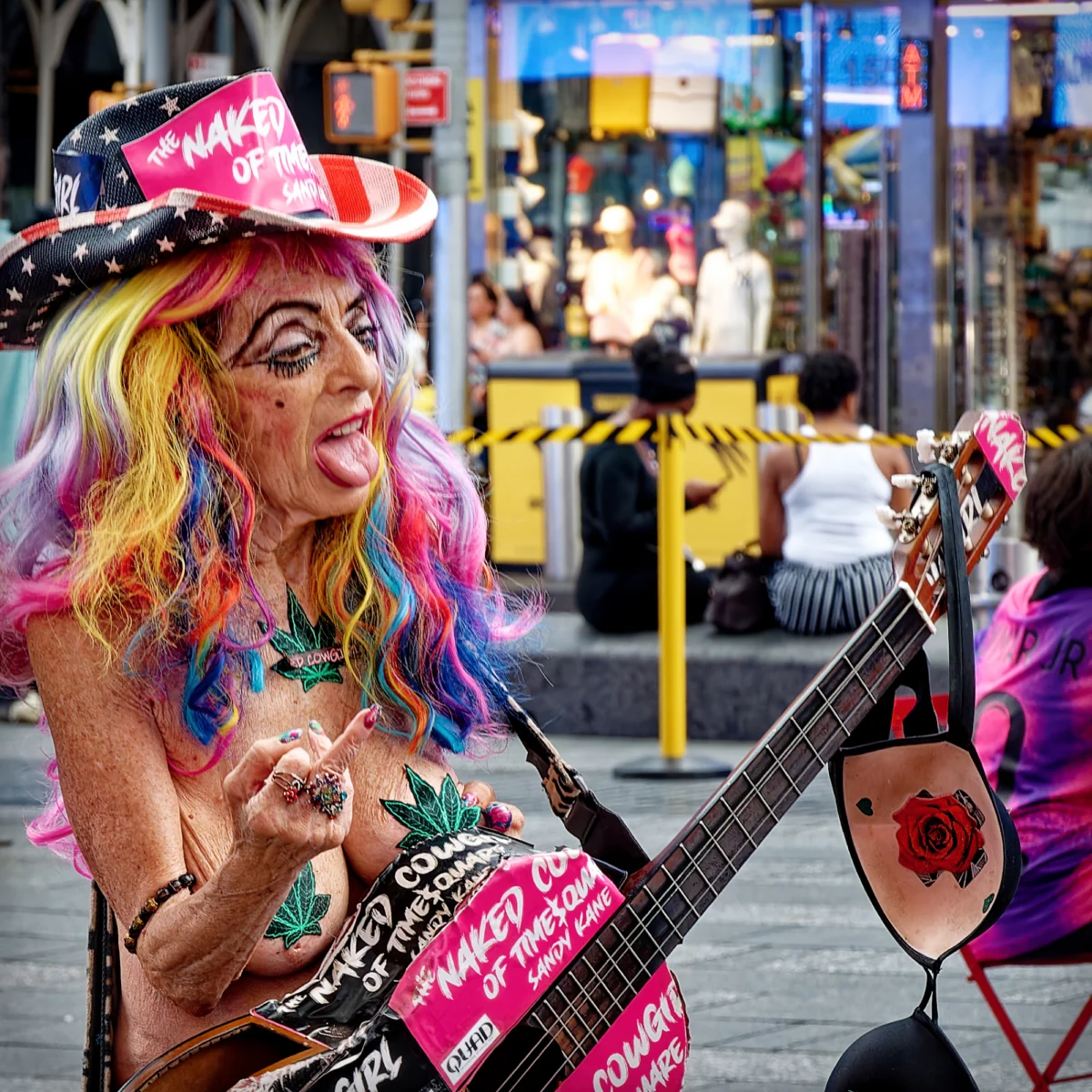
"My book examines diversity—the ethnicities, stations in life, jobs, styles of dress, and so much more. It’s part of what makes New York unlike any other city I have visited and what draws visitors from around the world," Xiomaro states.
He shares a particularly poignant photograph from the book, illustrating his intention to capture the essence of the city’s diverse fabric. The image, taken in a fleeting moment as he hurried past, depicts three men on the fringes of society, individuals often overlooked by the urban throng. Despite their marginalized status, their determined expression and the humorously defiant message on their protest sign—a clever tactic to solicit donations—speak to their inherent dignity and their desire for free expression. "It was just one shot, and I was happy that it captured their expressions," Xiomaro remarks.
Reflecting on his photographic journey, Xiomaro acknowledges his lack of formal photography education. Instead, he draws significant inspiration from music and painting, embracing spontaneity and prioritizing emotional connection. He approaches each moment with an improvisational spirit, allowing the visual cues and colors to guide his eye toward those fleeting instances worthy of capture.
"As a musician, I divide my mind between an awareness of the song’s structure, key, time signature, and lyrics while simultaneously playing in an improvisational and inspired way—going with the emotion of the moment without thinking too much," Xiomaro explains. "I approach street photography in a similar way. I’m aware of my camera settings and the street environment while instinctively shooting whatever connects with me emotionally. As a result, the photographs that interest me most are candid rather than posed, ambiguous rather than obvious, and serendipitous rather than produced. They are images that can be interpreted and enjoyed in many different ways."
Visit Xiomaro’s website at xiomaro.com to explore his extensive body of work and to learn more about his latest book, Street Photography of New York City: Street Haunting in the Big Apple, available at xiomaro.com/books.