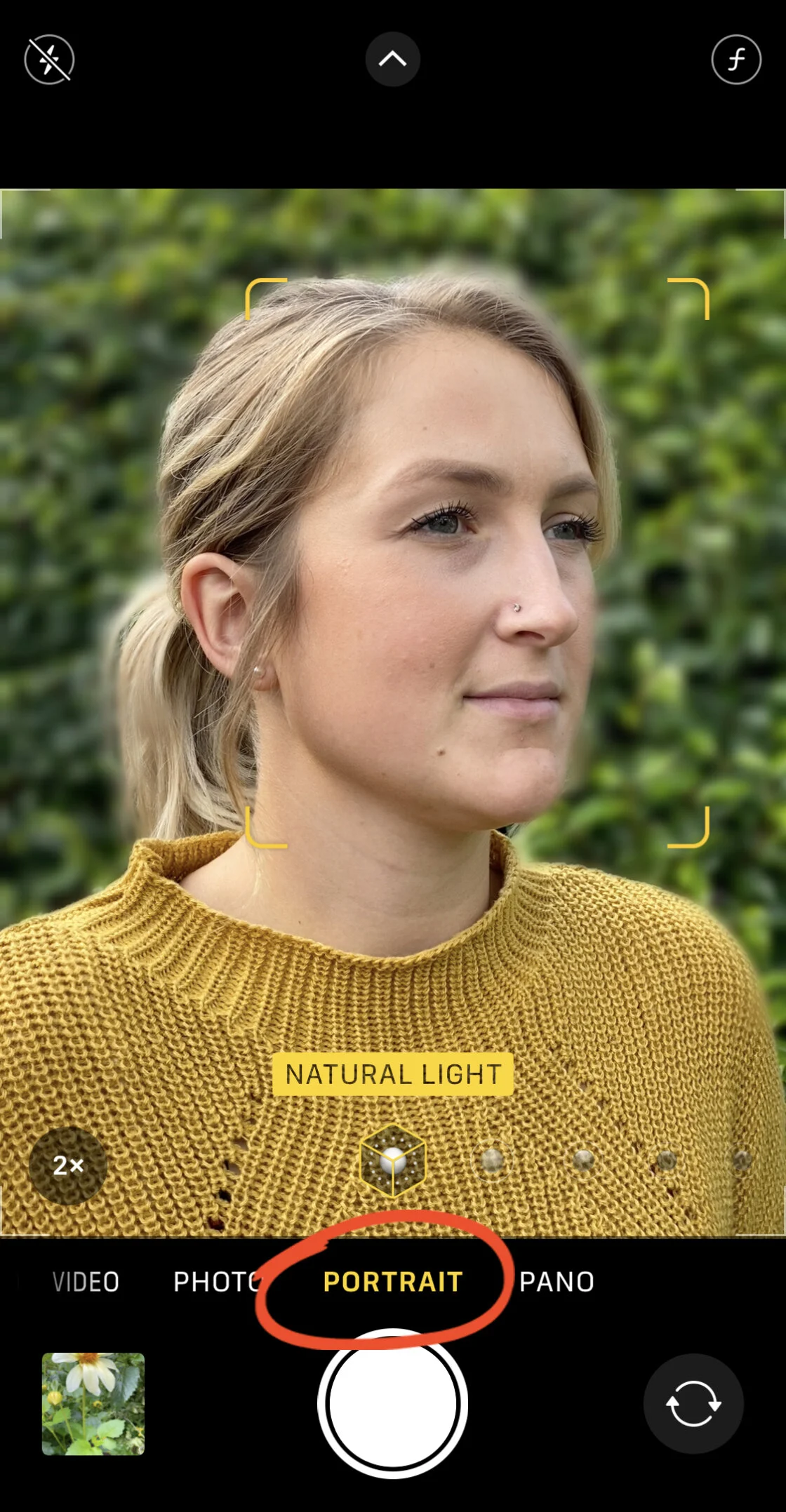
The evolution of mobile telephony has reached a critical juncture where the hardware capabilities of smartphones, specifically the Apple iPhone, frequently intersect with the performance standards of dedicated digital single-lens reflex (DSLR) and mirrorless cameras. As the hardware architecture of these devices becomes increasingly complex, the necessity for a technical understanding of multi-lens arrays has become paramount for both amateur enthusiasts and professional content creators. The transition from a single-lens system to the sophisticated triple-lens configurations found in contemporary Pro models represents not merely an incremental upgrade in resolution, but a fundamental shift in how digital images are composed, processed, and delivered. Understanding the optical characteristics of the Wide, Ultra Wide, and Telephoto lenses is no longer an optional skill for the modern photographer; it is a technical requirement for high-quality visual storytelling.
The Technological Trajectory of iPhone Imaging Systems
The journey of the iPhone camera system from a rudimentary 2-megapixel fixed-focus sensor in 2007 to the current high-resolution, multi-focal length arrays reflects the broader trend of "computational photography." For nearly a decade, Apple adhered to a single-lens strategy, focusing on software optimization and sensor size. The first major shift occurred in 2016 with the introduction of the iPhone 7 Plus, which featured a dual-lens system designed to facilitate optical zoom and "Portrait Mode" through depth mapping.
By 2019, with the release of the iPhone 11 Pro, Apple formalized the triple-lens architecture that has since become the industry standard for high-end mobile devices. This configuration typically includes an Ultra Wide lens, a Wide lens, and a Telephoto lens. Each of these components serves a distinct optical purpose, dictated by their respective focal lengths and aperture ratings. The integration of these lenses allows the device to cover a range of perspectives that previously required a bag full of interchangeable glass. In recent iterations, such as the iPhone 15 and 16 Pro series, these systems have been further augmented by 48-megapixel sensors and "tetraprism" designs for extended optical zoom, pushing the boundaries of what is possible within a chassis less than 8mm thick.
Technical Specifications and Lens Characteristics
To effectively utilize an iPhone’s camera system, one must understand the specific physics governing each lens. The "Wide" lens is the primary sensor for most users. It typically features the largest sensor and the widest aperture (often f/1.5 to f/1.8), allowing for superior low-light performance and a natural shallow depth of field. In 35mm equivalent terms, this lens usually sits at approximately 24mm to 26mm, making it a versatile tool for general photography, street scenes, and environmental portraits.
The "Ultra Wide" lens, generally equivalent to 13mm, provides a 120-degree field of view. This lens is essential for architectural photography, expansive landscapes, and tight interior spaces where the photographer cannot physically move back far enough to capture the entire scene. However, the Ultra Wide lens introduces significant perspective distortion, particularly at the edges of the frame. Modern iOS software utilizes lens correction algorithms to mitigate this effect, but the inherent "stretching" of the image remains a creative tool that must be managed carefully to avoid unflattering results in portraiture.
The "Telephoto" lens serves the opposite function, narrowing the field of view to bring distant subjects closer. Depending on the model, this lens may offer 2x, 3x, or 5x optical zoom. Beyond simply "magnifying" the subject, the Telephoto lens provides "lens compression." This optical phenomenon makes the background appear closer to the subject, creating a more professional, cinematic look that is highly sought after in headshot photography and sports journalism.
The Role of Computational Photography and the Photonic Engine
The hardware of the iPhone lenses is only half of the equation; the other half resides in the silicon. Apple’s A-series chips utilize an Image Signal Processor (ISP) and a "Photonic Engine" to perform trillions of operations per second. When a user selects a lens, the software is not merely capturing a single frame. Through a process known as "Deep Fusion," the camera captures multiple images at various exposures and merges them pixel-by-pixel to maximize detail and minimize noise.
Furthermore, the introduction of Apple ProRAW has bridged the gap between mobile convenience and professional post-processing. ProRAW provides the information of a standard RAW format along with iPhone image processing, giving photographers the creative flexibility to adjust white balance, exposure, and color dynamic range without the destructive compression found in standard HEIF or JPEG files. Data from industry analysts suggests that the adoption of RAW workflows on mobile devices has increased by over 40% among social media influencers and digital marketers in the last two years, highlighting the shift toward professional-grade mobile production.
Chronology of Multi-Lens Innovation
The development of the iPhone’s multi-lens system can be categorized into several key phases:
- 2007–2015: The Single-Lens Era. Focus remained on sensor quality and the introduction of "Focus Pixels" for faster autofocus.
- 2016: The Dual-Lens Breakthrough. The iPhone 7 Plus introduced the first Telephoto lens, enabling 2x optical zoom and the initial version of Portrait Mode.
- 2019: The Pro Era Begins. The iPhone 11 Pro introduced the Ultra Wide lens, completing the "Trinity" of focal lengths (13mm, 26mm, 52mm).
- 2020–2022: Sensor and Stabilization Refinements. The introduction of LiDAR for faster low-light autofocus and Sensor-Shift Optical Image Stabilization (OIS) provided gimbal-like stability for handheld shots.
- 2023–Present: High-Resolution and Periscope Optics. The shift to 48MP main sensors and the introduction of 5x optical zoom via tetraprism technology allowed mobile devices to compete with dedicated telephoto lenses used in wildlife and event photography.
Market Analysis and the Professional Shift
The proliferation of advanced lens systems has had a measurable impact on the camera industry. According to data from the Camera & Imaging Products Association (CIPA), global shipments of digital cameras dropped by approximately 93% between 2010 and 2022. This decline correlates directly with the rising sophistication of smartphone optics. Professional photographers who previously relied on heavy equipment for scouting or secondary "B-roll" content are increasingly turning to the iPhone as a primary tool.
Educational platforms, such as the iPhone Photography School, have emerged to fill the knowledge gap created by this hardware surge. These institutions report a significant increase in enrollment for courses specifically focused on "lens theory" for mobile devices. The consensus among digital media experts is that the hardware has outpaced the average user’s technical knowledge, necessitating a new era of mobile-centric photography education.
Official Perspectives and Industry Reactions
While Apple remains notoriously guarded about its specific optical engineering secrets, the company’s marketing strategy consistently emphasizes the "Pro" nature of its camera systems. During the keynote for the iPhone 15 Pro, Greg Joswiak, Apple’s Senior Vice President of Worldwide Marketing, stated that the new lens system was equivalent to having "seven pro lenses in your pocket." This refers to the various "digital focal lengths" (24mm, 28mm, 35mm, etc.) that the software can derive from the high-resolution 48MP sensor.
Tech analysts have noted that the competitive landscape—featuring rivals like Samsung and Google—has pushed Apple to focus more on optical purity. "The battle is no longer about megapixels," noted one lead analyst at a major Silicon Valley firm. "It is about the quality of the glass and the intelligence of the software that interprets the light passing through it."
Broader Impact and Future Implications
The implications of mastering the iPhone’s multi-lens system extend beyond personal photography. In the realm of journalism, "Mobile Journalism" (MoJo) has become a standard practice. Reporters are now expected to capture high-quality video and stills using only their mobile devices. The ability to switch from an Ultra Wide lens for a crowd scene to a Telephoto lens for a speaker’s podium within seconds provides a level of agility that traditional broadcast equipment cannot match.
Looking forward, the integration of Artificial Intelligence (AI) is expected to further blur the lines between optical reality and digital enhancement. Future iterations of the iPhone camera system are rumored to include even larger sensors and variable aperture lenses, which would provide greater control over light and depth of field. Additionally, the rise of "Spatial Video" for the Apple Vision Pro highlights how these lenses are being used to capture three-dimensional data, moving the medium of photography into the realm of immersive computing.
In conclusion, the iPhone camera is no longer a simple point-and-shoot device; it is a sophisticated optical instrument. By understanding the specific strengths and limitations of the Wide, Ultra Wide, and Telephoto lenses, users can transcend the limitations of "snapshots" and begin to produce professional-grade imagery. As the technology continues to evolve, the distinction between "mobile photographer" and "photographer" will likely disappear, leaving only the artist and their choice of lens.