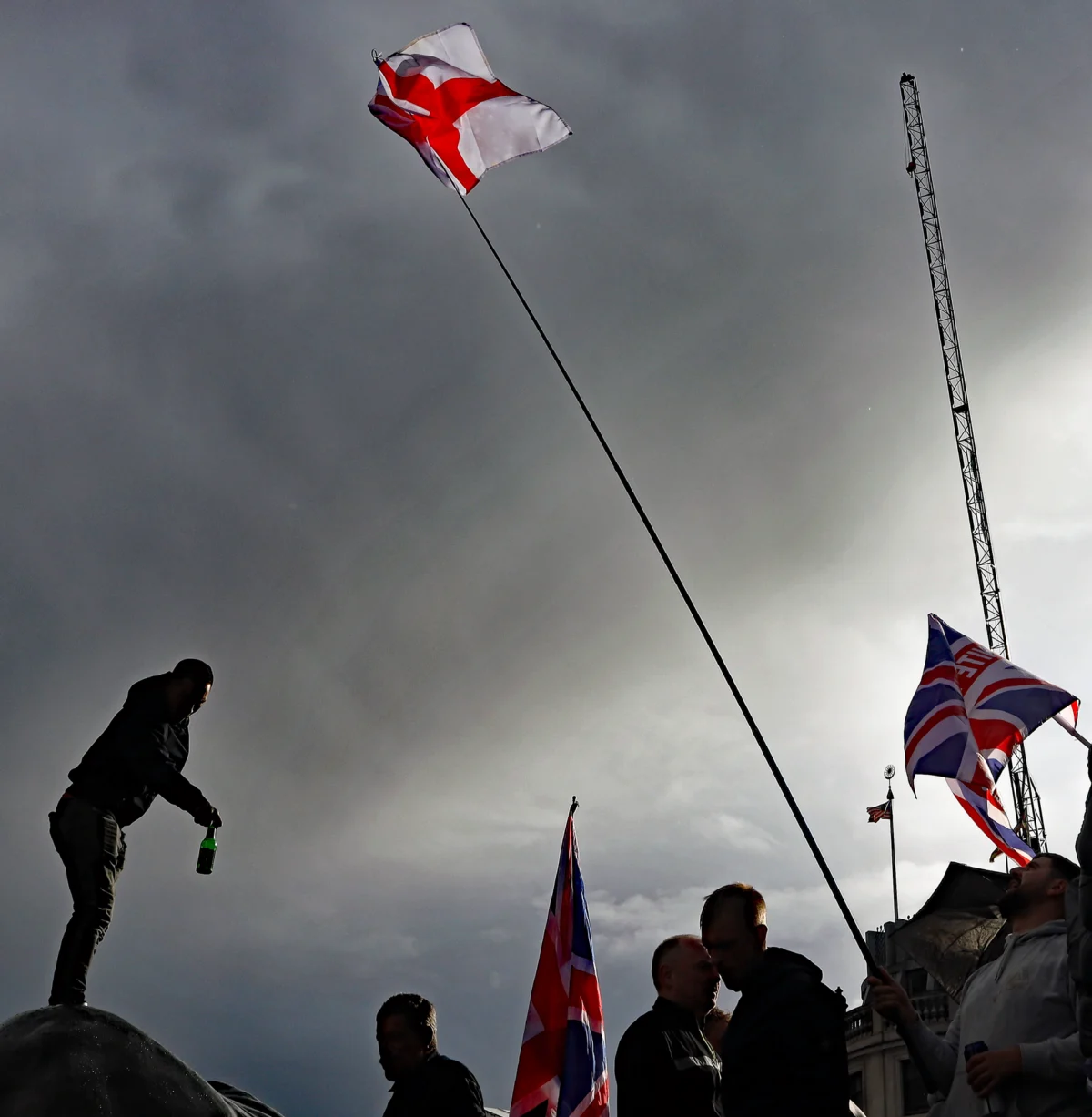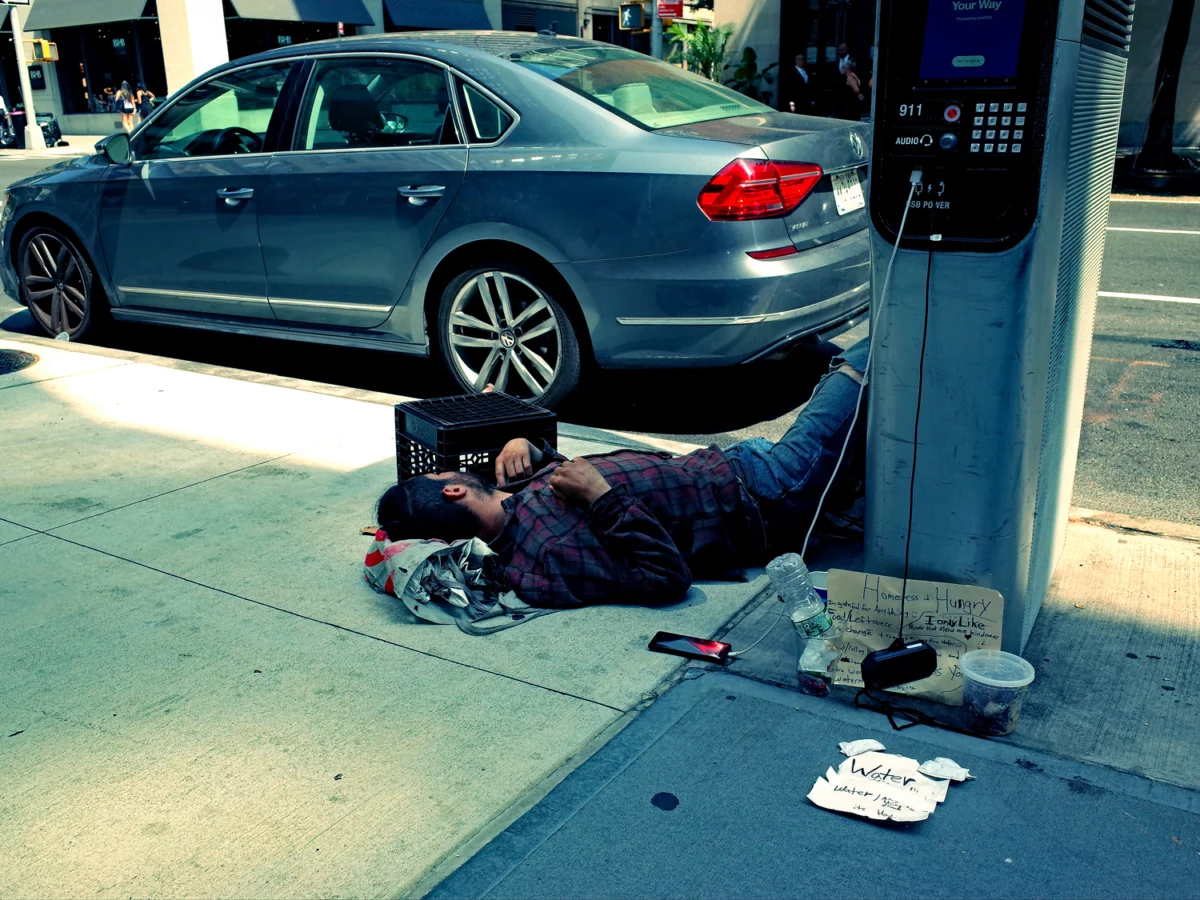
The question of "conceptual continuity" in a body of work, famously posed in Frank Zappa’s 1974 album Apostrophe, reverberates beyond the realm of music and into the visual arts, particularly within the dynamic and often fleeting domain of street photography. This exploration delves into the essence of conceptual continuity for street photographers, examining its prevalence, necessity, and significance in shaping a photographer’s oeuvre.
Defining Conceptual Continuity in Photography
At its core, conceptual continuity refers to the logical and thematic consistency that binds a collection of works together. It is not merely a stylistic adherence but a deep-seated coherence in ideas, themes, or a specific way of seeing the world. This thread ensures that each piece, while potentially distinct in its subject matter, location, or execution, contributes to a larger, unified narrative or perspective. In essence, conceptual continuity means that the underlying principles and thematic concerns remain consistent across a body of work, even as the specific manifestations evolve. This coherence allows a viewer to perceive a unified vision, a consistent thought process, and an unbroken connection between individual images, fostering a sense of familiarity and recognition that transcends the specifics of any single photograph.
The Prevalence and Necessity of Conceptual Continuity in Street Photography
The inquiry into whether all street photographers possess conceptual continuity, and whether it is a mandatory element, prompts a nuanced examination. While it is tempting to suggest that every photographer inherently possesses some form of conceptual continuity, the degree to which it is consciously developed and overtly expressed can vary significantly. For some, it may be an intuitive, subconscious driving force, an intrinsic way of filtering reality through their lens. For others, it is a deliberate pursuit, a guiding principle that informs their photographic practice and shapes their portfolio over time.
The debate often centers on the perceived necessity of conceptual continuity in street photography. Does a photographer need to cultivate this thematic coherence for their work to be considered valid or impactful? The answer is not absolute. Many photographers achieve recognition and acclaim through a diverse range of subjects and styles, where the unifying element might be more about raw talent and individual moments of brilliance. However, for those seeking to build a lasting legacy, to communicate a profound and enduring perspective, or to establish a recognizable artistic voice, conceptual continuity becomes an invaluable asset. It transforms a collection of individual images into a cohesive narrative, a sustained dialogue with the world, and a testament to the photographer’s evolving understanding and engagement with their chosen medium.
The Visual Language of Conceptual Continuity
Conceptual continuity in street photography manifests not through repetition of identical scenes or techniques, but through a shared photographic intent. This intent can be sensed and observed by the viewer, creating an intuitive connection to the photographer’s mind. It is the invisible thread that links disparate images, revealing a consistent approach to composition, a recurring interest in specific themes, or a unique way of framing human experience.

Visually, this continuity often surfaces through several key elements:
- A Recurring Aesthetic or Visual Grammar: This might involve a consistent use of light and shadow, a preference for certain color palettes or black and white, a distinctive compositional style (e.g., centered subjects, diagonal lines, expansive backgrounds), or a particular way of capturing motion or stillness.
- A Shared Thematic Exploration: Photographers may consistently focus on themes such as urban isolation, the fleeting nature of human interaction, the beauty in the mundane, the juxtaposition of man-made structures and natural elements, or the nuances of social class.
- A Distinctive Emotional Tone or Mood: The body of work might consistently evoke a particular feeling, whether it be melancholic, joyful, satirical, or contemplative. This emotional resonance acts as a powerful unifying force.
- A Consistent "Eye" or Perspective: This is perhaps the most intangible yet potent aspect. It is the photographer’s unique way of seeing and interpreting the world, a singular viewpoint that imbues all their images with a recognizable signature.
For instance, a street photographer might consistently explore the theme of "solitude in the urban landscape." One image could capture a lone figure silhouetted against a bustling city street, another a deserted park bench on a foggy morning, and a third a solitary individual gazing out a rain-streaked window. While the specific subjects and settings differ, the underlying concept of isolation within a dense environment creates a clear conceptual thread. The viewer recognizes the recurring idea, even if the literal scenes are entirely distinct.
What Conceptual Continuity is NOT
It is crucial to distinguish conceptual continuity from mere stylistic repetition. Conceptual continuity is not about:
- Photographing the Same Subject Repeatedly: While a photographer might have a favored subject, the conceptual continuity lies in the way they approach and interpret that subject across different instances, not in the mere act of photographing it multiple times.
- Using the Same Camera or Lens: Equipment is a tool, and while it can influence aesthetics, it does not inherently guarantee conceptual continuity. The vision behind the lens is paramount.
- Adhering to a Rigid Set of Rules: Conceptual continuity is about a guiding principle, not a restrictive dogma. Photographers are free to experiment and evolve, as long as their core ideas remain discernible.
- Producing Identical-Looking Images: The power of continuity lies in its ability to connect diverse images. If all photographs look the same, it may indicate a lack of exploration rather than a robust conceptual framework.
The Significance and Impact of Conceptual Continuity
The importance of conceptual continuity in street photography extends beyond artistic merit; it plays a critical role in how a photographer’s work is perceived and remembered.
Building a Recognizable Voice
In a crowded visual landscape, conceptual continuity allows a photographer to carve out a distinct niche and develop a recognizable artistic voice. This distinctiveness makes their work memorable and allows viewers to anticipate and connect with their future creations. It moves beyond individual snapshots to establish a signature style and a consistent worldview.
Fostering Deeper Engagement
When a body of work exhibits conceptual continuity, it invites viewers to engage on a deeper intellectual and emotional level. The recurring themes and ideas prompt reflection, encourage interpretation, and foster a more profound connection with the photographer’s vision. The viewer becomes an active participant in unraveling the layers of meaning.
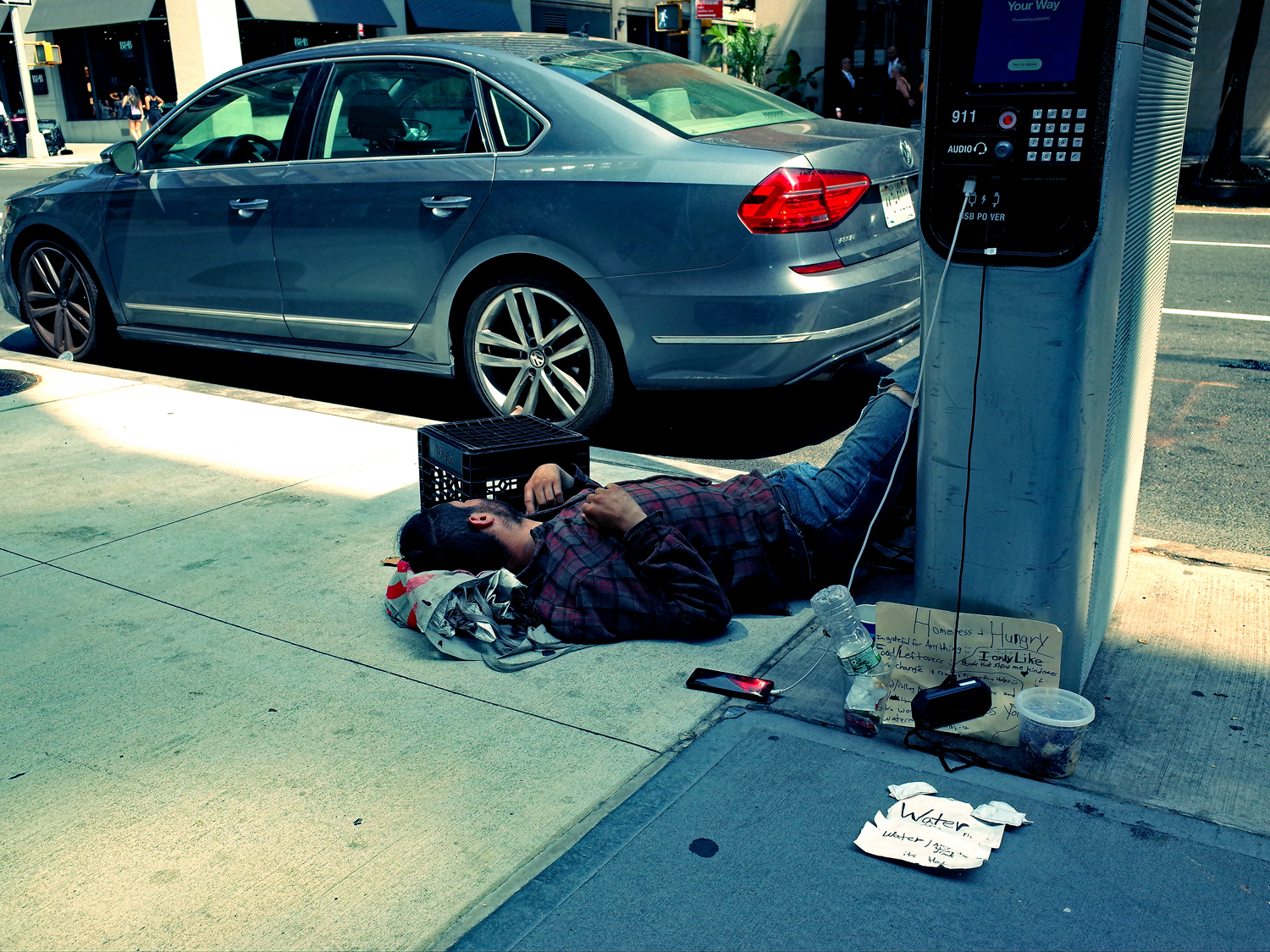
Creating Lasting Legacies
For photographers aiming to leave a lasting impact, conceptual continuity is a cornerstone of their legacy. It provides a framework for understanding their entire oeuvre, demonstrating a sustained commitment to certain ideas or perspectives. This coherence helps to solidify their place in photographic history and ensures their work continues to resonate with future generations. As the adage goes, "conceptual continuity = ideas that hang together logically and consistently over time."
Conceptual Continuity as a Mirror of Character and Experience
A committed street photographer, venturing out daily with the intention of capturing the "harmonious moment of chaos," embarks on a journey of discovery. Over time, seemingly unrelated shots coalesce into a narrative, each image a link in a chain of continuity. This process allows for the emergence of distinct story lines within a larger, overarching conceptual framework. The body of work, viewed over years, reveals not just a collection of images but a chronicle of the photographer’s evolving perspective, their encounters with the world, and their personal growth.
Ultimately, the conceptual continuity of a street photographer is more than just a curated selection of images; it is a profound reflection of their character, personality, and the prevailing mindset of different periods in their life. It acts as a guiding signal, an intuitive clue that allows us to recognize the artist behind the work. Just as we can often identify a painting as a Picasso or a musical piece as a Zappa, a well-developed conceptual continuity allows us to intuitively grasp the authorship and inherent style of a street photographer. This intuitive recognition—"I bet it’s Elliot Erwitt’s"—is the hallmark of a photographer whose vision has achieved a powerful and enduring coherence.
The journey of street photography, therefore, is not merely about documenting the ephemeral present but about weaving a continuous narrative, a visual autobiography that speaks volumes about the photographer’s inner landscape and their enduring dialogue with the ever-changing world.