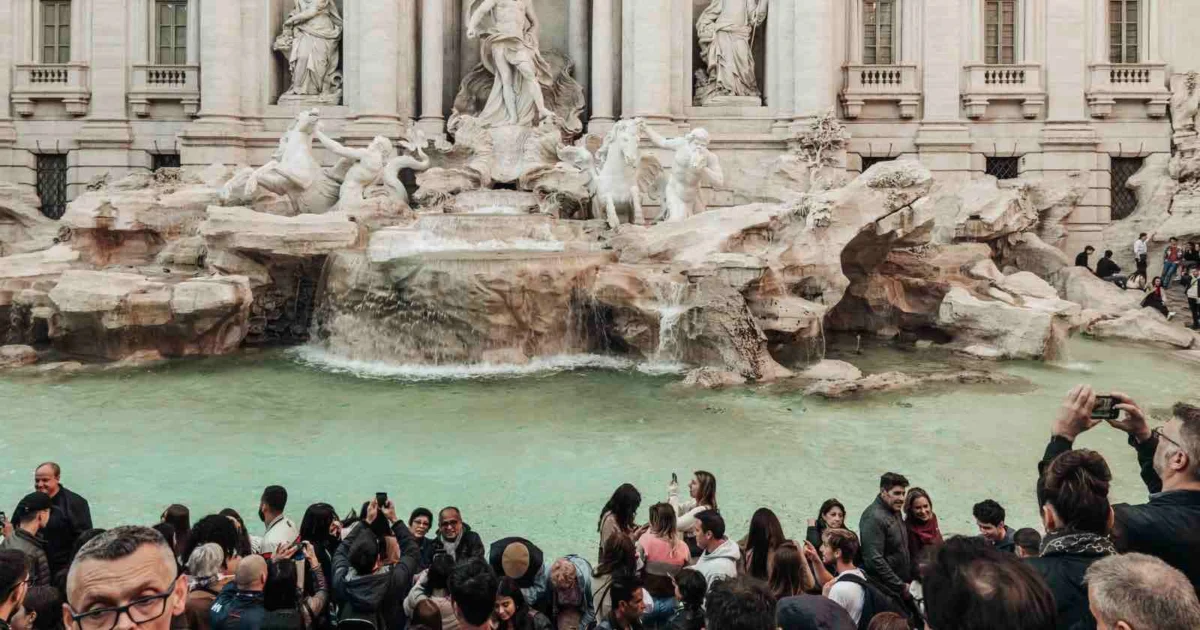
Rome has officially introduced a new €2 fee for tourists seeking close-up access to the iconic Trevi Fountain, a measure designed to mitigate the escalating challenges of overtourism and manage the significant crowds drawn to the historic landmark. The policy, which came into effect on February 1, 2026, allows visitors to view the magnificent Baroque fountain from a distance free of charge, but requires a paid ticket for entry into the lower basin area, where individuals typically gather to take photographs and participate in the traditional coin toss. This strategic intervention marks a pivotal moment in the Eternal City’s ongoing efforts to balance its immense popularity with the preservation of its cultural heritage and the quality of life for its residents.
The Genesis of a Policy: Addressing Overtourism at a Global Icon
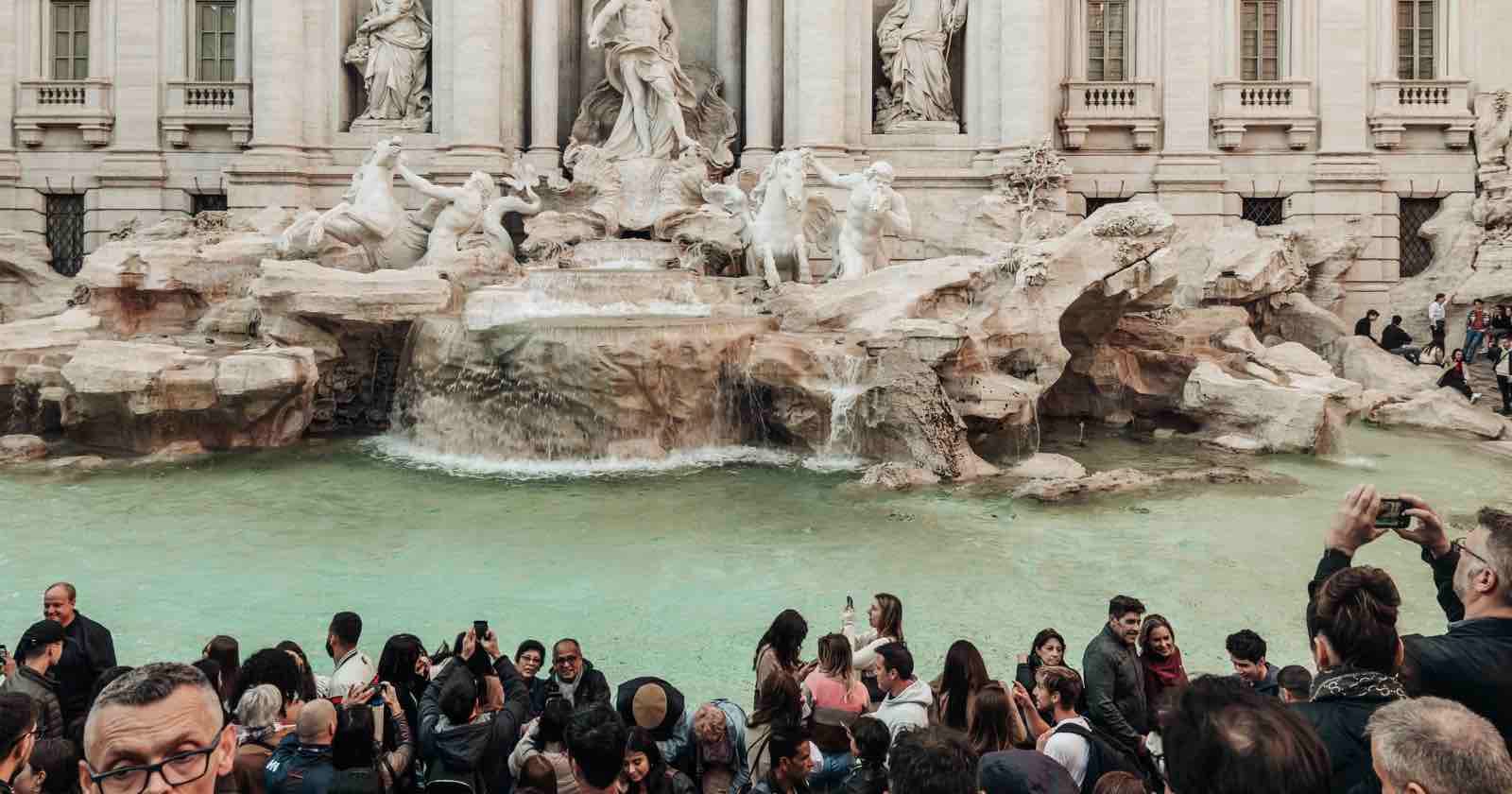
The decision to implement a controlled access system at the Trevi Fountain is a direct response to the mounting pressures of mass tourism that have increasingly impacted Rome and many other historic European cities. For years, the Trevi Fountain, an 18th-century masterpiece designed by Nicola Salvi, has been a focal point of this phenomenon. Its breathtaking grandeur, intricate sculptures depicting Oceanus, and its cinematic fame, particularly from Federico Fellini’s 1960 classic La Dolce Vita, have cemented its status as a must-see attraction, drawing millions annually. However, this immense popularity has led to chronic overcrowding in the relatively confined Piazza di Trevi, creating a chaotic and often uncomfortable experience for visitors, while also posing logistical and preservation challenges for city authorities.
Mayor Roberto Gualtieri of Rome has been a vocal proponent of the new measure, emphasizing its necessity for restoring order to one of the city’s busiest public spaces. "€2 isn’t very much… and it will lead to less chaotic tourist flows," Gualtieri stated in December, underscoring the policy’s dual objectives of crowd management and resource generation. The policy applies during specific hours, from 11:30 a.m. to 10 p.m. on weekdays and an earlier start of 9 a.m. to 10 p.m. on weekends, ensuring that the monument remains accessible, albeit with a controlled flow, during peak visiting times. Notably, residents of Rome and its surrounding metropolitan area are exempt from the fee, a provision designed to protect local access to their cultural patrimony.
Detailed Mechanics of the New Access System
The implementation of the €2 fee (approximately $2.34 USD at the time of introduction) creates a distinct two-tiered access system. Tourists can still admire the Trevi Fountain from various vantage points around the piazza without incurring a charge. However, those wishing to descend into the immediate vicinity of the fountain’s basin, an area historically prone to significant congestion, must purchase a ticket. This designated zone is where visitors typically stand at the water’s edge to capture close-up photographs, throw coins into the fountain (a tradition said to guarantee a return trip to Rome), and experience the monument’s intricate details more intimately.
The controlled access system involves designated entry and exit points, likely staffed by personnel or automated gates, to monitor and regulate the flow of ticket holders. This operational setup aims to prevent the spontaneous surges of people that previously characterized the fountain’s busiest periods. The shift from unrestricted public access to a managed entry system for close-up viewing represents a significant departure from traditional urban tourism models, reflecting a growing global trend towards more regulated access at overstressed heritage sites.
A Timeline of Implementation and Initial Outcomes
Discussions around managing the Trevi Fountain’s crowds have been ongoing for several years, intensifying as global tourism rebounded and surpassed pre-pandemic levels. The formal proposal for the access fee gained momentum throughout 2025, culminating in Mayor Gualtieri’s public announcement in December of that year. The policy was then swiftly enacted, with February 1, 2026, set as the official launch date for the new controlled access system.
The initial results of the first month of operation provide valuable insight into the policy’s immediate impact. According to official city statements, a total of 229,896 people entered the restricted lower basin area during February 2026. Of these, 217,597 paid the requisite €2 fee, generating a substantial €435,194 in revenue within the inaugural month alone. This figure aligns with preliminary projections and underscores the sheer volume of visitors willing to pay for the privileged close-up experience. The remaining visitors were likely Rome residents who are exempt from the fee, or potentially individuals under specific exemptions not detailed in the initial report.
Financial Projections and Allocation of Revenue
The initial monthly revenue of over €435,000 provides a strong indication of the potential financial benefits of this new system. Rome officials estimate that the fee could generate between €6.5 million and €20 million annually (approximately $7.7 million to $23 million USD), depending on visitor numbers throughout the year and the effectiveness of the collection system. This wide range accounts for seasonal variations in tourism and potential adjustments in policy or enforcement.
A critical aspect of the policy is the explicit commitment regarding the allocation of these funds. The revenue generated from the Trevi Fountain access fee is earmarked for several vital purposes:
- Upkeep and Preservation: A significant portion of the funds will be dedicated to the ongoing maintenance, restoration, and preservation of the Trevi Fountain itself. Historic monuments, especially those exposed to millions of visitors and the elements, require continuous care to prevent degradation. This proactive funding model aims to ensure the fountain’s structural integrity and aesthetic beauty for future generations.
- Support for Municipal Museums: A portion of the revenue will also be channeled towards supporting free access to municipal museums for Rome residents. This provision serves as a compensatory measure, offering a tangible benefit to locals who, while exempt from the fountain fee, might otherwise perceive the commodification of a public space as a drawback. It reinforces the city’s commitment to ensuring cultural access for its citizens.
This dual allocation strategy positions the fee not merely as a revenue-generating tool but as a sustainable funding mechanism for cultural heritage, addressing both the immediate needs of the Trevi Fountain and the broader cultural landscape of Rome.
The Broader Context of Overtourism and UNESCO’s Warnings
The Trevi Fountain initiative is not an isolated event but rather a localized manifestation of a global struggle against overtourism. Cities like Venice, Florence, Barcelona, and Amsterdam have grappled with similar issues, implementing various strategies ranging from tourist taxes and restricted cruise ship access to daily visitor caps and designated tourist routes. Venice, for instance, has famously experimented with a day-tripper fee, while other destinations have limited short-term rental properties or restricted vehicle access to historic centers.
The challenges posed by overtourism extend beyond mere congestion. As highlighted by research from UNESCO, the United Nations Educational, Scientific and Cultural Organization, historical landmarks worldwide are at risk of being irrevocably damaged by what has been termed "selfie-tourism." This phenomenon encompasses not only the sheer volume of visitors but also certain behaviors, such as leaning on ancient structures for photographs, inadvertently eroding surfaces, or creating waste, all of which contribute to the accelerated degradation of fragile cultural sites. UNESCO’s warnings underscore the urgency for proactive management strategies to protect these irreplaceable treasures. The Trevi Fountain’s initiative can be viewed as a direct response to these global concerns, positioning Rome at the forefront of innovative solutions for sustainable urban tourism.
Reactions and Public Discourse
The introduction of the Trevi Fountain fee has inevitably sparked a range of reactions from various stakeholders.
- City Officials and Cultural Heritage Advocates: Generally, city officials and cultural heritage organizations have welcomed the measure, viewing it as a necessary step towards sustainable tourism. They emphasize the long-term benefits for preservation and the improved visitor experience through reduced chaos.
- Local Businesses: Reactions from local businesses around Piazza di Trevi might be mixed. While reduced congestion could make the area more pleasant for those who do visit, some businesses relying on high foot traffic and impulse purchases might express concerns about any measure that could potentially deter a segment of visitors, even if marginal. However, a more organized and pleasant environment could also encourage longer stays and higher spending from those who do enter.
- Tour Operators: Tour operators might face logistical adjustments, needing to incorporate the fee into their packages or advise clients on how to purchase tickets. Some might view it as an additional hurdle, while others might see it as an opportunity to offer a more exclusive or managed experience.
- Tourists: Initial reactions from tourists have likely been varied. Many might understand the rationale behind the fee, particularly if it leads to a less crowded and more enjoyable experience. Others, especially budget travelers or those accustomed to free access to public monuments, might express frustration at the additional cost, viewing it as a "tax on culture." However, the initial month’s data suggests a strong willingness among visitors to pay for close-up access.
The discourse surrounding such fees often revolves around the balance between accessibility, preservation, and the commercialization of public spaces. While some argue that cultural heritage should remain freely accessible to all, proponents counter that sustainable access often requires financial investment, which can be partially borne by the users, especially tourists who benefit directly from the experience.
Looking Ahead: The Future of Urban Tourism in Rome
The Trevi Fountain’s new access fee represents more than just a ticketing system; it signifies a broader shift in Rome’s approach to managing its immense cultural wealth in the face of ever-increasing tourism. As visitor numbers continue to grow, particularly with global travel rebounding post-pandemic, cities like Rome are compelled to innovate in their tourism management strategies. This initiative could serve as a blueprint for other popular sites within the city or even inspire similar measures in other major European capitals.
The success of the Trevi Fountain model will likely be gauged not only by the revenue generated but also by its effectiveness in reducing congestion, enhancing the visitor experience, and ensuring the long-term preservation of the monument. It underscores a global movement towards more responsible and sustainable tourism, where the economic benefits are carefully weighed against the environmental, social, and cultural impacts. Rome, a city built on layers of history, is now adding another layer to its legacy: that of a pioneer in navigating the complex challenges of urban tourism in the 21st century. The €2 fee for close-up access to the Trevi Fountain is a small price to pay, perhaps, for the promise of a more sustainable and enjoyable future for one of the world’s most beloved landmarks.