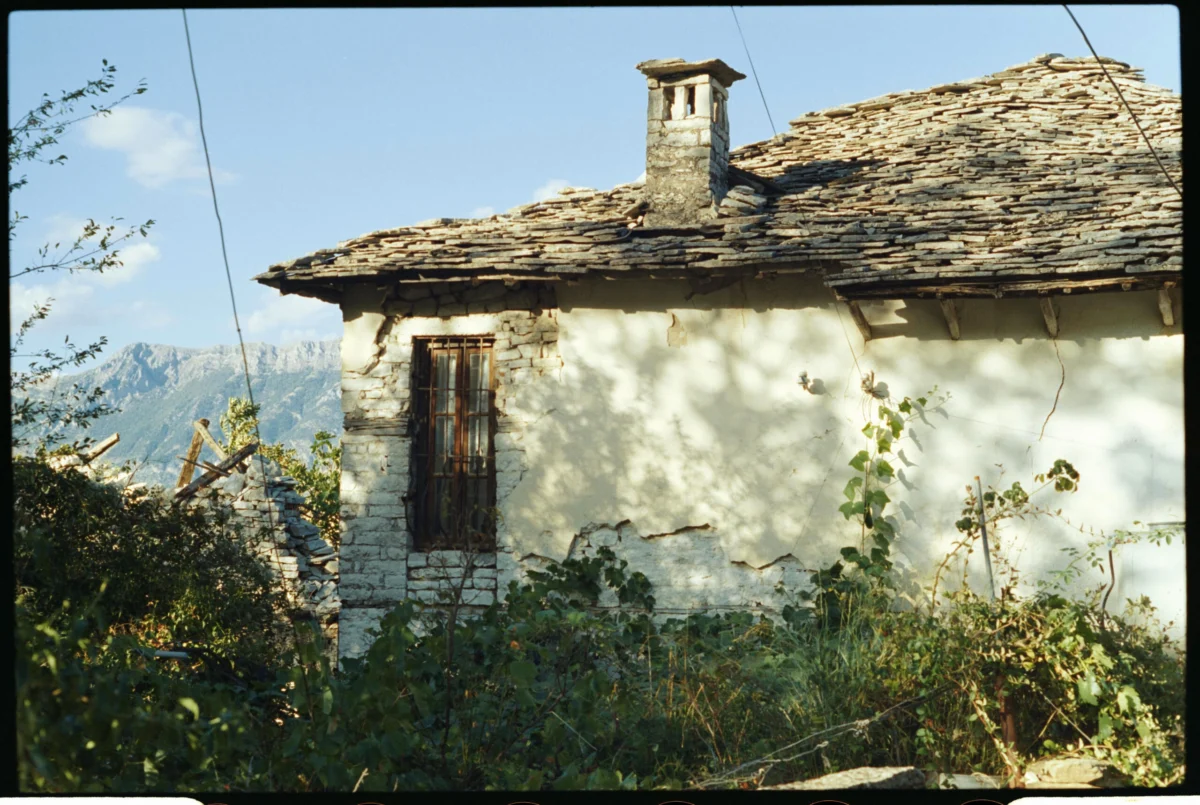
The documentation of Albania’s cultural and geographical evolution reached a significant milestone in late 2025 as a comprehensive photographic survey, utilizing traditional analog mediums, captured the delicate balance between the nation’s historical preservation and its burgeoning tourism sector. This initiative, focusing on the southern interior and the Ionian coastline, provides a nuanced look at the UNESCO World Heritage site of Gjirokastra and the rugged terrain of the Albanian Riviera. By employing a Minolta SRT-101 camera paired with Silbersalz35 (250D) film—a motion picture stock repurposed for still photography—the project aimed to archive the "authentic" textures of a country currently experiencing a rapid socio-economic transition.
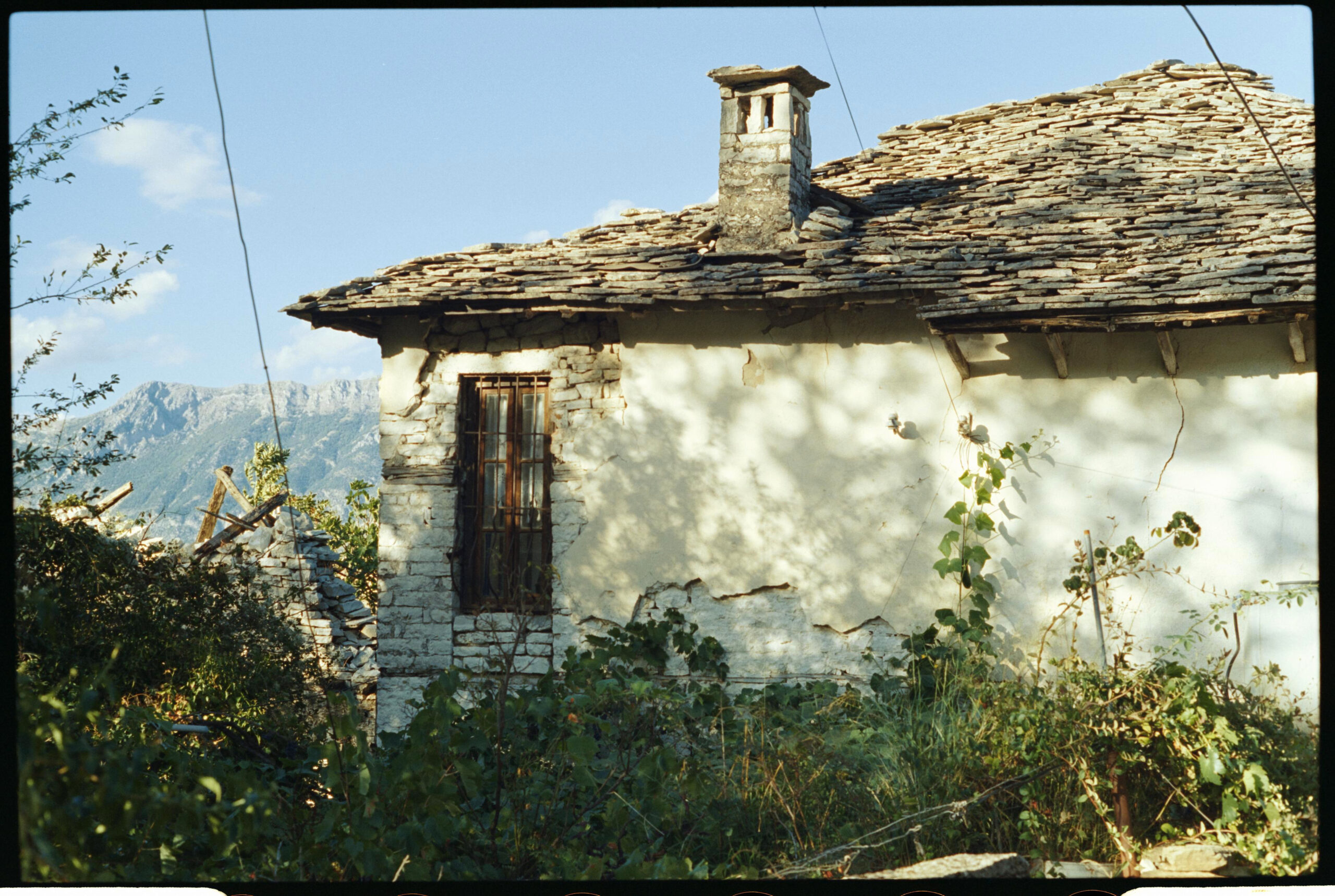
As Albania positions itself as a primary destination within the Mediterranean basin, the visual evidence collected during August and September 2025 highlights a landscape at a crossroads. The findings underscore the persistence of Ottoman-era architectural legacies and traditional agrarian lifestyles, even as modern infrastructure and international visitor influxes begin to reshape the domestic environment.
The Preservation of Gjirokastra: A Case Study in Stone
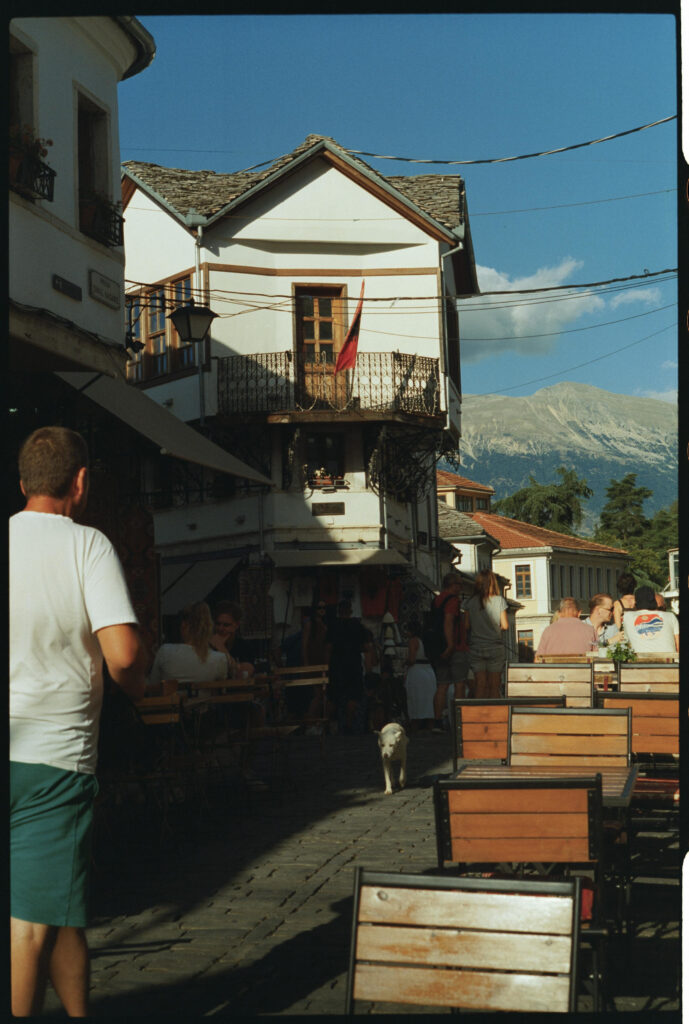
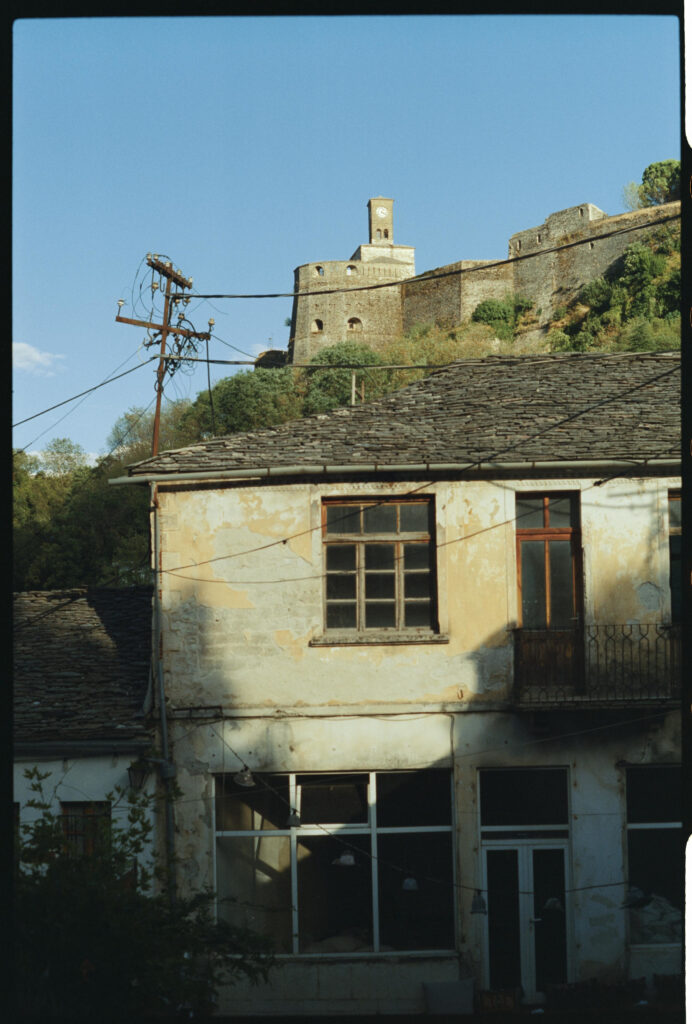
Gjirokastra, often referred to as the "City of Stone," serves as the focal point for understanding Albania’s urban heritage. Inhabited since the Bronze Age, the city gained international recognition in 2005 when it was inscribed as a UNESCO World Heritage site. The 2025 documentation focused heavily on the "Old Town," characterized by its unique fortified houses, or kulle, which represent the pinnacle of 17th and 18th-century Ottoman residential architecture.
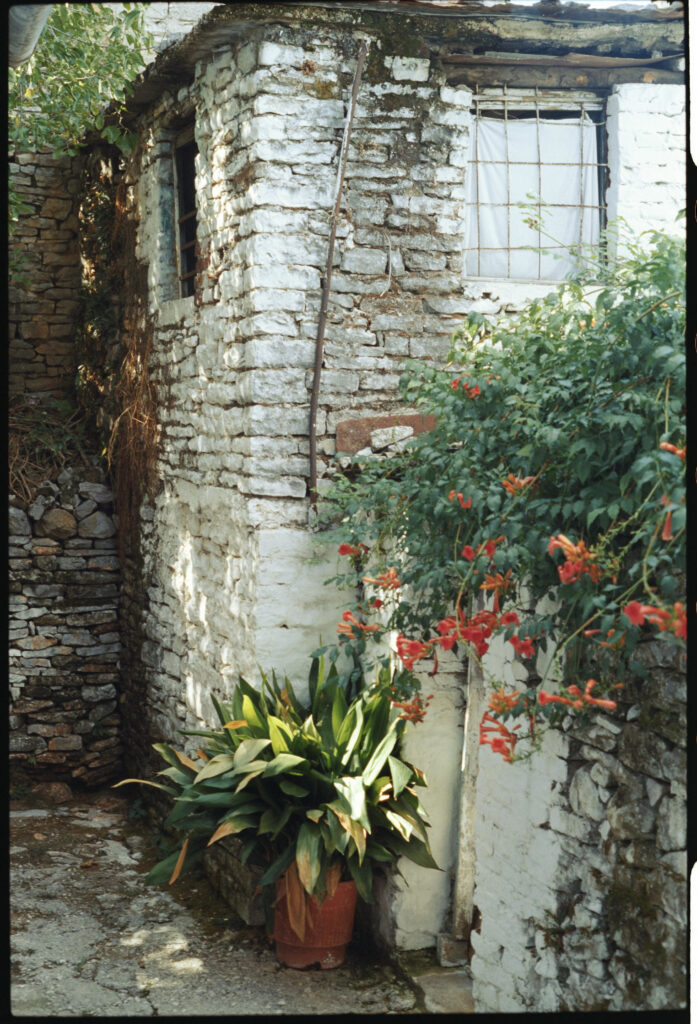
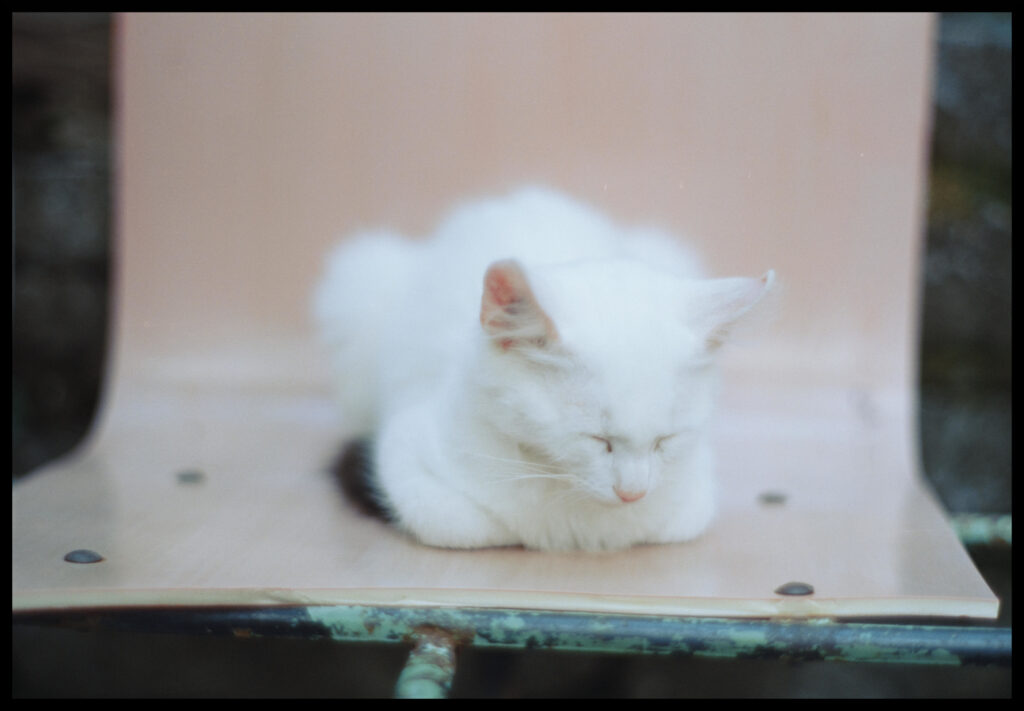
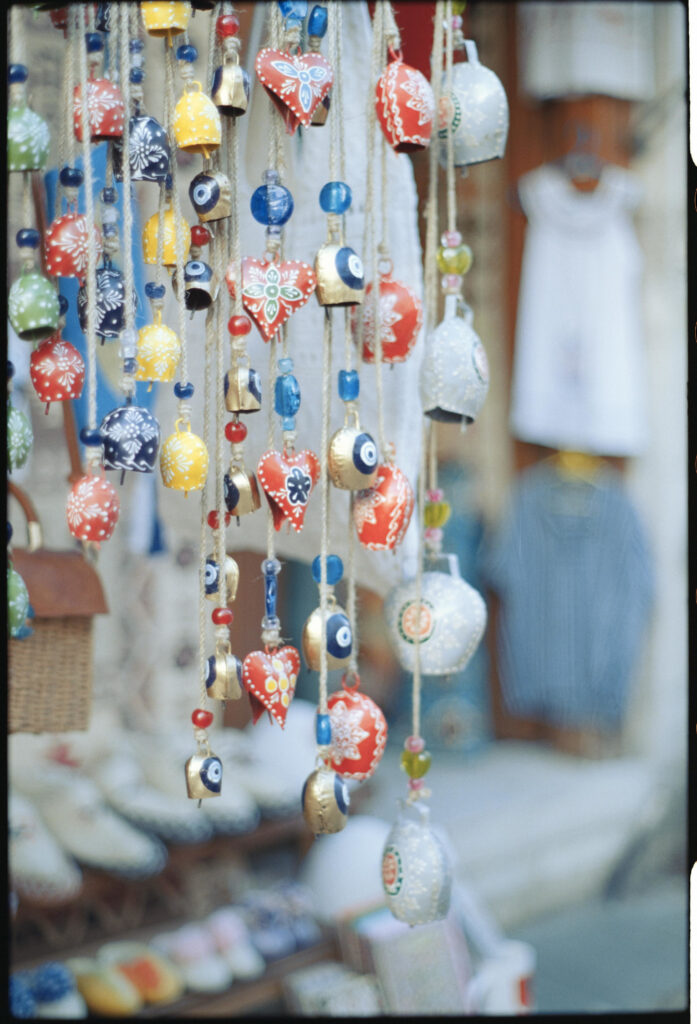
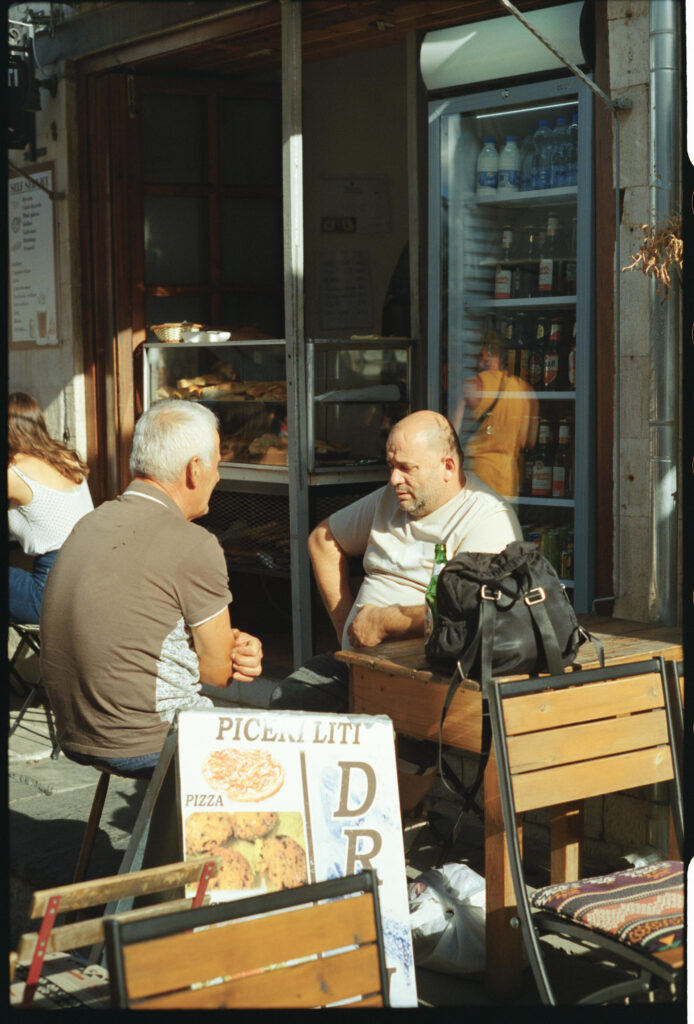
The photographic survey highlighted the Old Bazaar, a district that has undergone significant revitalization to accommodate the 2025 summer season. While the bazaar remains a hub for local crafts and traditional gastronomy, researchers noted an increasing prevalence of mass-produced commercial goods, a common byproduct of globalized tourism. Despite this, the side streets and steep inclines of the city continue to harbor "authentic" elements of Albanian daily life, including the ubiquitous presence of stray animals and the use of traditional building materials.
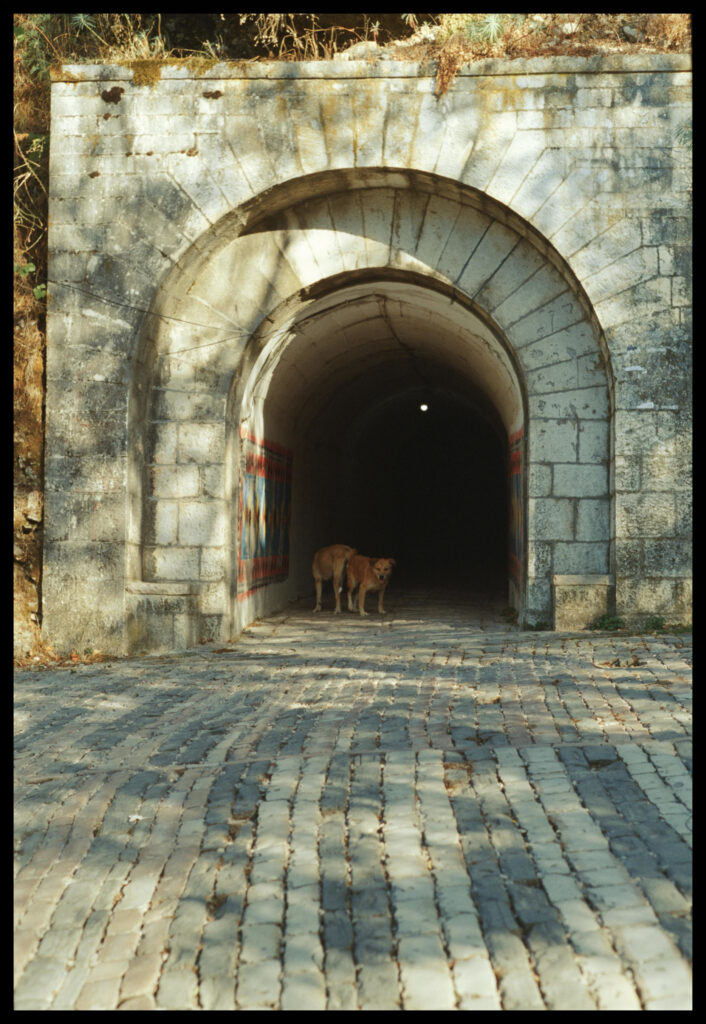
One of the most significant landmarks documented was the Gjirokastra Fortress, one of the largest in the Balkans. The site remains a multi-layered historical archive, containing structures that span from the medieval period to the Cold War. Of particular interest to the 2025 survey were the subterranean bunker tunnels located beneath the fortress. These structures, remnants of the Enver Hoxha era—during which over 170,000 bunkers were constructed across the country—now serve as unintended shelters for local fauna, symbolizing the reclamation of military history by the natural and urban environment.
Chronology of the 2025 Southern Expedition
The documentation followed a precise timeline to capture the seasonal shift from the peak of summer to the early transition into autumn:
- August 15–20, 2025: Initial arrival in the southern highlands. Documentation of Gjirokastra’s central architectural nodes, focusing on the Zekate and Skenduli houses.
- August 21–25, 2025: Survey of the Gjirokastra Bazaar and the fortress perimeter. Observations were recorded regarding the "street photography" potential of the area, noting the interaction between local residents and the international tourist demographic.
- August 26–31, 2025: Transition to the Ionian coast, specifically the village of Qeparo Fshat. This period focused on the "Albanian Riviera," a stretch of coastline known for its steep mountain-to-sea descents.
- September 1–5, 2025: Final documentation of the coastal hinterlands, including the olive groves of Lukovë and the historical ruins associated with the era of Ali Pasha Tepelena.
Technical Specifications and Documentation Methodology
The choice of equipment for this project was deliberate, aimed at achieving a specific aesthetic and archival quality that digital sensors often fail to replicate. The Minolta SRT-101, a mechanical SLR introduced in the late 1960s, was selected for its reliability in varied environmental conditions, ranging from the humid coastal air to the dusty interior highlands.
The use of Silbersalz35 250D film provided a unique technical advantage. As a daylight-balanced film based on Kodak Vision3 cinema stock, it offers a wide dynamic range and a refined grain structure. This allowed the documentation to capture the high-contrast lighting of the Mediterranean sun without losing detail in the deep shadows of the Ottoman alleyways or the bright highlights of the Ionian Sea. The lenses utilized—specifically the MC-Rokkor-PF 1.4/58mm and the MD W.Rokkor 3.5/28mm—offered a combination of "vintage softness" and wide-angle clarity, essential for portraying both intimate street scenes and expansive landscapes.
The Socio-Economic Context of the Albanian Riviera
The "Albanian Riviera" has become the centerpiece of the nation’s economic strategy. In 2025, tourism accounted for an estimated 20% of Albania’s GDP, with the southern coast seeing a 15% year-on-year increase in visitor arrivals. However, the documentation of Qeparo Fshat reveals a different side of this growth. While the coastal "Lower Qeparo" has seen significant development, the "Old Village" (Qeparo Fshat) remains partially abandoned, perched on a ridge overlooking the sea.
This duality is a recurring theme in contemporary Albania. The old village represents a preservation of the past, with stone houses and narrow paths that are inaccessible to modern vehicular traffic. In contrast, the surrounding hillsides are dominated by vast olive groves, some centuries old, which remain a primary agricultural output for the region. The survey also noted the presence of free-roaming livestock, such as cows and sheep, which continue to navigate the public roads and beaches, highlighting the persistent overlap between traditional pastoralism and modern tourism.
Historical Analysis: The Legacy of Ali Pasha
A significant portion of the coastal survey was dedicated to the Tower of Ali Pasha, located near Qeparo. Ali Pasha Tepelena, who ruled the Pashalik of Yanina in the early 19th century, remains a polarizing figure in Balkan history. Known as the "Lion of Yannina," he maintained a degree of autonomy from the Ottoman Empire and engaged in complex diplomatic relations with European powers, including Napoleonic France and the British Empire.
The 2025 documentation raised questions regarding the contemporary romanticization of Ali Pasha as a proto-nationalist hero. The ruins of his fortifications, strategically placed to overlook the Ionian Sea and the nearby Greek island of Corfu, serve as a reminder of the region’s long history of geopolitical maneuvering. The panoramic views from these sites underscore why the coastline was as valuable to 19th-century governors as it is to 21st-century developers.
Supporting Data and Tourism Statistics
Recent data from the Albanian Institute of Statistics (INSTAT) and the Ministry of Tourism and Environment provide context for the observations made during the photographic survey:
- Visitor Demographics: In 2025, approximately 45% of tourists in the southern region were of Albanian descent (including the diaspora), while the remaining 55% were international visitors, primarily from Italy, Germany, and the Nordic countries.
- Infrastructure Growth: The completion of the Llogara Tunnel in 2024 significantly reduced travel time to the Riviera, leading to the "crowding" observed in the 2025 survey during the peak month of August.
- Environmental Impact: Local NGOs have expressed concern over the "packed beaches" in areas like Lukovë and Ksamil, citing the need for sustainable waste management and the protection of hidden coves from illegal construction.
Broader Implications and Future Outlook
The 2025 documentation of Albania through analog photography serves as more than a nostalgic exercise; it is a critical record of a nation in flux. The "street photography" attempts in Gjirokastra, which captured the accidental intersections of locals, tourists, and animals, reflect the chaotic but vibrant reality of Albanian society today.
The project concludes that while Albania is modernizing at a rapid pace, it retains a "photogenic" quality rooted in its refusal to fully shed its past. The makeshift bridges, socialist-era industrial ruins, and the traditional shepherds encountered during the expedition represent a visual wealth that is at risk of being sanitized by the requirements of the international travel industry.
Preservationists and urban planners suggest that the next five years will be crucial for Albania. The challenge lies in developing the infrastructure necessary for economic growth without destroying the "authentic" character that makes the country unique. As noted by the project’s participants, there is a sense of urgency to document these landscapes "before everything has changed." The intention to return with medium-format equipment suggests a continuing commitment to high-fidelity historical archiving, ensuring that the Albania of 2025 is preserved for future analysis.