The close of the previous year was marked by comprehensive introspection within the photography and videography sectors, as evidenced by analyses of rental and purchase trends throughout 2025. This period of reflection naturally transitions into an forward-looking perspective as the industry enters January, with a focus on emerging technologies and market shifts anticipated in the year ahead. Drawing from recent advancements and established trajectories in gear development, industry analysts are projecting five significant areas of evolution for the photo and video fields in 2026. These projections are rooted in observed market dynamics, technological breakthroughs, and evolving professional and consumer demands.
The Resurgence and Expansion of Third-Party Lenses
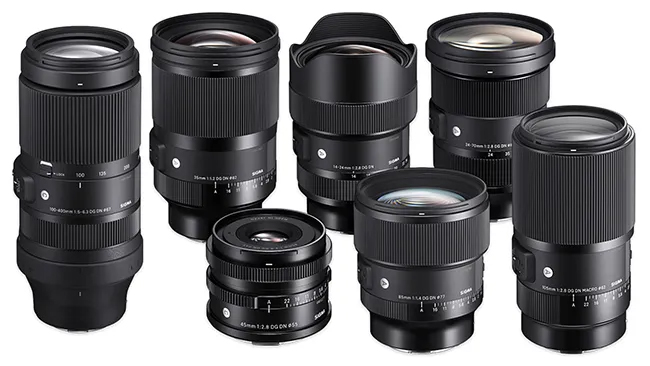
For professionals and enthusiasts with a decade or more of experience in the imaging industry, the pre-mirrorless era often evokes a sense of nostalgia, particularly concerning the breadth of lens options available. During the peak of DSLR dominance, photographers using Canon, Sony, or Nikon systems benefited from an extensive ecosystem of third-party lenses. Manufacturers such as Sigma, Tamron, and Tokina offered a diverse array of high-quality, often more affordable, alternatives to first-party optics, spanning various focal lengths and apertures. These lenses frequently delivered exceptional performance, democratizing access to specialized capabilities.
The industry’s pivot to mirrorless camera systems, characterized by entirely new lens mounts (e.g., Canon RF, Nikon Z, Sony E), presented a substantial hurdle for third-party manufacturers. Developing lenses for these proprietary mounts required significant R&D investment, often necessitating complex reverse-engineering or formal licensing agreements with camera brands. Consequently, the initial years of the mirrorless transition saw a diminished presence of third-party options, with first-party manufacturers largely dominating the new lens ecosystems. Sony’s E-mount was an early exception, benefiting from a relatively open approach that allowed companies like Sigma and Tamron to establish a strong foothold.
However, recent trends indicate a significant shift. Following years of concentrated effort, major third-party players like Sigma and Tamron are now making substantial commitments to expand their offerings for the Canon RF and Nikon Z mounts. This strategic expansion is driven by several factors: the increasing maturity and market penetration of mirrorless systems, growing demand from photographers for more affordable and diverse lens choices, and potentially more accommodating stances from camera manufacturers as their respective ecosystems stabilize.
Background and Context: The mirrorless transition began in earnest in the early 2010s, with Sony leading the full-frame mirrorless charge. Canon and Nikon, traditionally dominant in the DSLR market, made their full commitment later in the decade, introducing their RF and Z mounts, respectively. The technical specifications of these new mounts, particularly their wider diameters and shorter flange distances, allowed for innovative optical designs but also created a barrier to entry for third-party developers. Over time, the economic imperative for third-party manufacturers to serve these growing markets has become undeniable.

Supporting Data and Market Trends: While precise market share data for specific mounts is proprietary, industry reports consistently show the increasing market dominance of mirrorless cameras, particularly in the professional and advanced amateur segments. The success of third-party lenses on the Sony E-mount, which now boasts a wide selection from Sigma, Tamron, Samyang, Viltrox, and others, serves as a compelling case study for the potential on RF and Z mounts. For example, some analysts estimate that third-party lenses account for a significant portion of lens sales in established mirrorless ecosystems, often exceeding 30-40% for specific focal lengths or price points. The anticipated expansion into RF and Z mounts is expected to inject significant competition, potentially leading to more aggressive pricing and a wider variety of specialized optics.
Implications: The projected influx of third-party lenses in 2026 carries profound implications for the industry. For photographers and videographers, it translates to increased choice, competitive pricing, and potentially more innovative designs that cater to specific creative needs. This expanded competition could also pressure first-party manufacturers to refine their own lens roadmaps, potentially leading to more diverse offerings or adjustments in pricing strategies. From an economic perspective, this trend supports a healthier, more dynamic market, benefiting consumers and fostering innovation across the entire imaging supply chain.
The Rise of Fast, Affordable Prime Lenses
A notable development in recent memory was Canon’s release of an exceptionally fast f/1.2 lens, the Canon RF 45mm f/1.2 STM, priced significantly below the conventional threshold for such optics—under $500. This move represented a remarkable departure from historical pricing models, where lenses with apertures of f/1.2 or even f/1.4 typically commanded premium prices, often exceeding $1,000, and frequently much more. The industry anticipates that 2026 will usher in a new era where such high-speed, yet accessible, prime lenses become more commonplace across all major camera brands.
Background and Context: The concept of extremely fast prime lenses is far from new. Canon itself produced fast f/1.2 lenses for its FD mount in the early 1980s, and luxury brands like Leica have been crafting incredibly fast optics, such as their 50mm f/1.2 Noctilux-M, since the 1960s. Historically, the manufacturing of lenses with such wide apertures presented significant technical challenges, requiring large, precisely ground glass elements and complex optical formulas to manage aberrations like spherical aberration, coma, and chromatic aberration. These complexities directly contributed to their high production costs and, consequently, their premium market prices.
However, advancements in optical design software, glass manufacturing techniques, and automated assembly processes have gradually reduced these cost barriers. The transition to mirrorless mounts, with their wider diameters and shorter flange distances, has also provided optical engineers with greater freedom to design lenses that are both faster and potentially more compact, while maintaining or even improving image quality. The Canon RF 45mm f/1.2 STM, for example, likely leverages a combination of these advancements, alongside the use of stepping motor (STM) autofocus, which is typically more cost-effective than ultrasonic motor (USM) technology, to achieve its aggressive price point.
Supporting Data and Market Trends: While specific historical pricing data can vary, a typical f/1.2 or f/1.4 prime lens from a major manufacturer has historically retailed for upwards of $1,500 to $2,500, with some specialty lenses exceeding $5,000. The sub-$500 pricing of the Canon RF 45mm f/1.2 STM demonstrates a clear inflection point, indicating that the cost-performance ratio for fast primes is undergoing a significant re-evaluation. Market research indicates a strong consumer appetite for lenses that can deliver shallow depth of field and excellent low-light performance, characteristics intrinsically linked to wide apertures. This demand, coupled with evolving manufacturing efficiencies, creates a fertile ground for more affordable fast primes.
Implications: The widespread availability of fast, affordable prime lenses in 2026 would significantly democratize high-end photographic aesthetics. Creators working with tighter budgets could access tools previously reserved for high-budget productions, enabling more pronounced background separation, superior low-light capability, and a distinctive visual style. This trend could also fuel greater creative experimentation and potentially redefine entry-level expectations for professional-grade optics. For manufacturers, it represents an opportunity to capture a broader market segment, but also poses a challenge to balance performance, cost, and brand perception in a more competitive landscape.
A Strategic Pivot: From Generative AI to Workflow AI
The past few years have undeniably placed Artificial Intelligence (AI) at the forefront of technological discourse, and the photography and videography industries have been no exception. While generative AI, capable of creating art, corporate headshots, or entire video clips from text prompts, has garnered significant attention, the industry is poised for a strategic pivot in 2026. The focus is expected to shift away from purely generative applications towards AI solutions that streamline and enhance the professional workflow.
Background and Context: The rapid proliferation of generative AI tools between 2022 and 2024 sparked both excitement and apprehension within creative communities. While these tools demonstrated astonishing capabilities in synthesizing novel images and videos, their direct application often raised questions about originality, copyright, and the displacement of human creative roles. For many working professionals, the immediate utility of creating entirely new content via AI has been less impactful than the potential for AI to assist with the mundane, time-consuming, or repetitive aspects of their existing production pipelines. This sentiment reflects a broader industry desire for AI to act as an assistant, not a replacement, for human creativity.
The Need for Workflow Enhancement: Professional photographers and videographers spend a considerable portion of their time on tasks that, while essential, detract from their core creative work. These include client communication, invoicing, image culling, basic retouching, asset management, and project organization. Studies have indicated that administrative and non-creative tasks can consume 30-50% of a creative professional’s working hours. This inefficiency represents a significant opportunity for AI to deliver tangible value.
Supporting Data and Anticipated Developments: While concrete data on the future adoption of specific workflow AI tools for 2026 is predictive, current trends in software development offer strong indicators. Existing AI features in photo editing software, such as intelligent object selection, sky replacement, noise reduction, and upscaling, demonstrate the power of AI to automate complex tasks. The anticipated advancements include:
- Enhanced Studio Management Software: AI-powered systems that not only send invoice reminders but also predict client needs, optimize scheduling, and personalize communication based on client history.
- Intelligent Image Manipulation: Tools that can, with a single click, identify and remove distracting elements like trash bins, telephone poles, or lens flares, far beyond current content-aware fill capabilities. This moves towards a more "intelligent cleanup" rather than just a patch.
- Creative Asset Organization and Curation: AI systems that can analyze a creative’s body of work, identify thematic connections, automatically tag assets with relevant keywords, and even generate curated mood boards or concept sheets for client presentations based on textual descriptions or image inputs.
- Automated Metadata and Archiving: AI that can intelligently add comprehensive metadata to images and videos, making asset retrieval faster and more accurate, and facilitating better long-term archiving strategies.
Implications: A stronger emphasis on workflow AI in 2026 promises a significant boost in productivity and efficiency for creative professionals. By offloading repetitive or administrative tasks to intelligent systems, photographers and videographers can allocate more time and mental energy to the artistic and strategic aspects of their work. This shift could lead to reduced burnout, faster project turnaround times, and ultimately, higher quality creative output. For software developers, it signifies a move towards more integrated, practical, and user-centric AI solutions that genuinely empower, rather than potentially overshadow, human creativity. The goal is to make the creative process more accessible and less encumbered by logistical burdens.

The Imperative for Improved Camera App Support
The advent of mirrorless camera systems was accompanied by a compelling promise: seamless integration with smartphones through dedicated manufacturer applications. The vision was clear—users would be able to review, edit, and publish their high-quality camera images and videos directly from their mobile devices, leveraging the speed and connectivity of modern smartphones. However, the reality for many users has fallen short of this initial promise. Despite years of development, camera manufacturer apps have largely been plagued by connectivity issues, frequent freezes, app crashes, and an overall lack of responsiveness, leading to widespread user frustration.
Background and Context: Early camera apps, dating back to the mid-2010s, primarily offered basic remote control and rudimentary image transfer capabilities via Wi-Fi or Bluetooth. As smartphone capabilities rapidly advanced, so did user expectations for mobile workflows. The ability to quickly share high-quality images and video directly from a camera to social media platforms or client proofs became a critical demand, particularly for content creators and photojournalists. Despite this clear need, many manufacturer-provided apps have struggled to keep pace with the user experience standards set by other mobile applications. Even relatively robust apps, such as Fujifilm’s, have faced criticism for inconsistent performance and limited functionality compared to their potential.
Current State and User Experience Challenges: A common refrain among users of camera apps from major manufacturers (e.g., Canon Camera Connect, Nikon SnapBridge, Sony Imaging Edge Mobile, Fujifilm Camera Remote) revolves around a few core issues:
- Inconsistent Connectivity: Frequent drops in Wi-Fi or Bluetooth connections, making file transfer unreliable.
- Slow Transfer Speeds: Even when connected, transferring large RAW files or 4K video clips can be prohibitively slow, negating the benefit of mobile workflow.
- Limited Functionality: Often, apps only offer basic image browsing and transfer, lacking advanced editing capabilities, robust remote camera control options, or seamless integration with cloud services.
- Stability Issues: Frequent crashes or unresponsive interfaces, leading to a frustrating user experience.
- Steep Learning Curves: Non-intuitive interfaces that complicate what should be simple tasks.
Supporting Data and Market Trends: While precise market share data for camera app usage is not publicly available, anecdotal evidence from user forums, app store reviews (where many camera apps receive mediocre ratings), and industry surveys consistently highlight dissatisfaction with current offerings. The broader trend in content creation emphasizes mobile-first workflows and instant sharing. The rise of platforms like Instagram, TikTok, and YouTube, where visual content is paramount, means that the ability to quickly get high-quality camera footage onto a phone for editing and sharing is no longer a luxury but a necessity. Companies like Apple and Google have set high benchmarks for seamless device integration, creating a stark contrast with the often clunky camera app experience.
Implications: In 2026, improved app support is anticipated to become a crucial differentiator for camera manufacturers. A truly robust and reliable app would not only enhance the user experience but also extend the functionality and value proposition of the camera itself. This could include:
- Streamlined Image Review and Culling: Fast browsing of high-resolution images, intelligent culling tools, and immediate metadata access.
- Advanced Remote Control: Comprehensive control over camera settings, focus, and video recording, akin to a professional monitor.
- Integrated Cloud Workflows: Seamless uploading to cloud storage services directly from the camera via the phone, bypassing desktop transfers.
- On-the-Go Editing and Sharing: Basic but powerful editing tools tailored for mobile use, and direct sharing to social media platforms with optimized formats.
The demand for these capabilities is high, and manufacturers that successfully bridge the gap between camera and smartphone with intuitive, stable, and feature-rich applications will likely gain a significant competitive advantage, empowering creators with unprecedented flexibility and efficiency in their workflows.

The Accelerating Adoption of Electronic Global Shutters
The final, and potentially most transformative, technological advancement anticipated to gain significant traction in 2026 is the wider incorporation of electronic global shutters in mainstream camera systems. Sony’s introduction of this feature in its acclaimed a9 III camera marked a significant milestone, bringing a technology previously confined to high-end cinema cameras or specialized industrial applications into the hands of professional photographers and videographers. The industry is now keenly watching for this innovation to propagate across a broader range of models and brands.
Background and Context: To understand the significance of the global shutter, it’s essential to differentiate it from the more common rolling shutter. Most digital camera sensors employ a rolling shutter mechanism, where the image is captured by scanning the scene line by line, from top to bottom. While cost-effective, this sequential capture can lead to distortions—often referred to as the "jello effect"—when the camera or subject moves rapidly. This is particularly problematic in videography, where fast pans or moving subjects can result in skewed lines and unnatural motion artifacts. In photography, it can manifest as distortion when photographing fast-moving objects with electronic shutters.
A global shutter, by contrast, captures the entire image frame simultaneously. Every pixel on the sensor is exposed and read out at precisely the same instant. This fundamental difference eliminates the temporal discrepancies inherent in rolling shutters, resulting in distortion-free images and videos, even under extreme motion. While global shutters have existed for some time in specialized applications (e.g., machine vision, high-speed industrial cameras), integrating them into consumer-grade photographic and videographic sensors without significant compromises in dynamic range, noise performance, or cost has been a formidable engineering challenge. Sony’s a9 III represents a breakthrough in this regard.
Technical Advantages and Implications: The benefits of a fully electronic global shutter are multi-faceted and profound, impacting both videography and still photography:
- Elimination of Rolling Shutter Artifacts: In video, this is perhaps the most immediate and visible advantage. Fast camera movements, whip pans, or footage captured from moving vehicles will be devoid of the "jello effect," skew, or wobble, leading to cleaner, more professional-looking footage. This is particularly critical for sports, action, and documentary videography.
- Unrestricted Flash Sync Speed: For still photography, this is a game-changer. Traditional mechanical shutters have a maximum flash sync speed (e.g., 1/250s for crop sensors, 1/200s for full-frame sensors), dictated by how quickly the shutter blades can open and close to expose the entire sensor to the flash burst. To shoot with flash at faster shutter speeds, photographers often resort to techniques like High-Speed Sync (HSS) or using leaf shutters, both of which come with limitations (e.g., reduced flash power, more expensive lenses). An electronic global shutter, theoretically, removes this mechanical constraint, allowing off-camera flash users to shoot at extremely fast shutter speeds (e.g., 1/8000s or faster) with full flash power. This capability opens up new creative possibilities for overpowering ambient light, freezing fast action with flash, and achieving wider apertures in bright conditions.
- No Mechanical Shutter Wear: As a fully electronic solution, a global shutter eliminates the need for a physical mechanical shutter, reducing potential points of failure and extending the camera’s lifespan. This also enables completely silent shooting at all shutter speeds without any risk of banding from artificial lighting, a common issue with electronic rolling shutters.
- Faster Burst Rates and Predictive AF: While the a9 III already boasts impressive speed, wider global shutter adoption could pave the way for even faster burst rates without compromising image integrity, further enhancing capabilities for sports and wildlife photography.
Timeline and Future Projections: The commercialization of the electronic global shutter in a high-performance, full-frame camera like the Sony a9 III in late 2023/early 2024 has set a new benchmark. Industry analysts predict that as sensor manufacturing processes mature and economies of scale are achieved, other camera manufacturers and sensor developers will accelerate their research and development in this area. It is highly probable that by 2026, several more camera models across different brands and price points will begin to incorporate electronic global shutter technology, initially perhaps in high-end professional models and gradually trickling down to enthusiast-level cameras. This technology holds the potential to redefine fundamental aspects of image capture, offering unprecedented flexibility and image integrity to creators.
Conclusion
As the photography and videography industries look toward 2026, the landscape appears poised for significant evolution. The anticipated resurgence of diverse third-party lens options, the democratization of fast prime lenses, a strategic shift towards workflow-centric AI, and the critical improvement of camera application support all point to a market increasingly attuned to the practical needs and creative aspirations of its users. Perhaps most profoundly, the wider adoption of electronic global shutter technology promises to eliminate long-standing technical limitations, opening up entirely new creative avenues for both still and motion capture. These projected advancements collectively signal a future where photographic and videographic tools are not only more powerful but also more accessible, intuitive, and seamlessly integrated into the creative process, empowering professionals and enthusiasts alike to push the boundaries of visual storytelling.