The 2025 Rolleiflex Experiment: A Case Study in Constraint
In January 2025, a dedicated project was initiated to explore the limitations and strengths of the Rolleiflex 2.8F, a storied medium-format camera. The project, framed as a New Year’s resolution, mandated the exclusive use of the 6×6 square format for the duration of the year. Historically, the Rolleiflex has been a staple in professional portraiture and street photography, utilized by luminaries such as Diane Arbus and Richard Avedon. However, the rigidity of the square format presents unique challenges that differ significantly from the more common rectangular frames of 35mm and digital sensors.
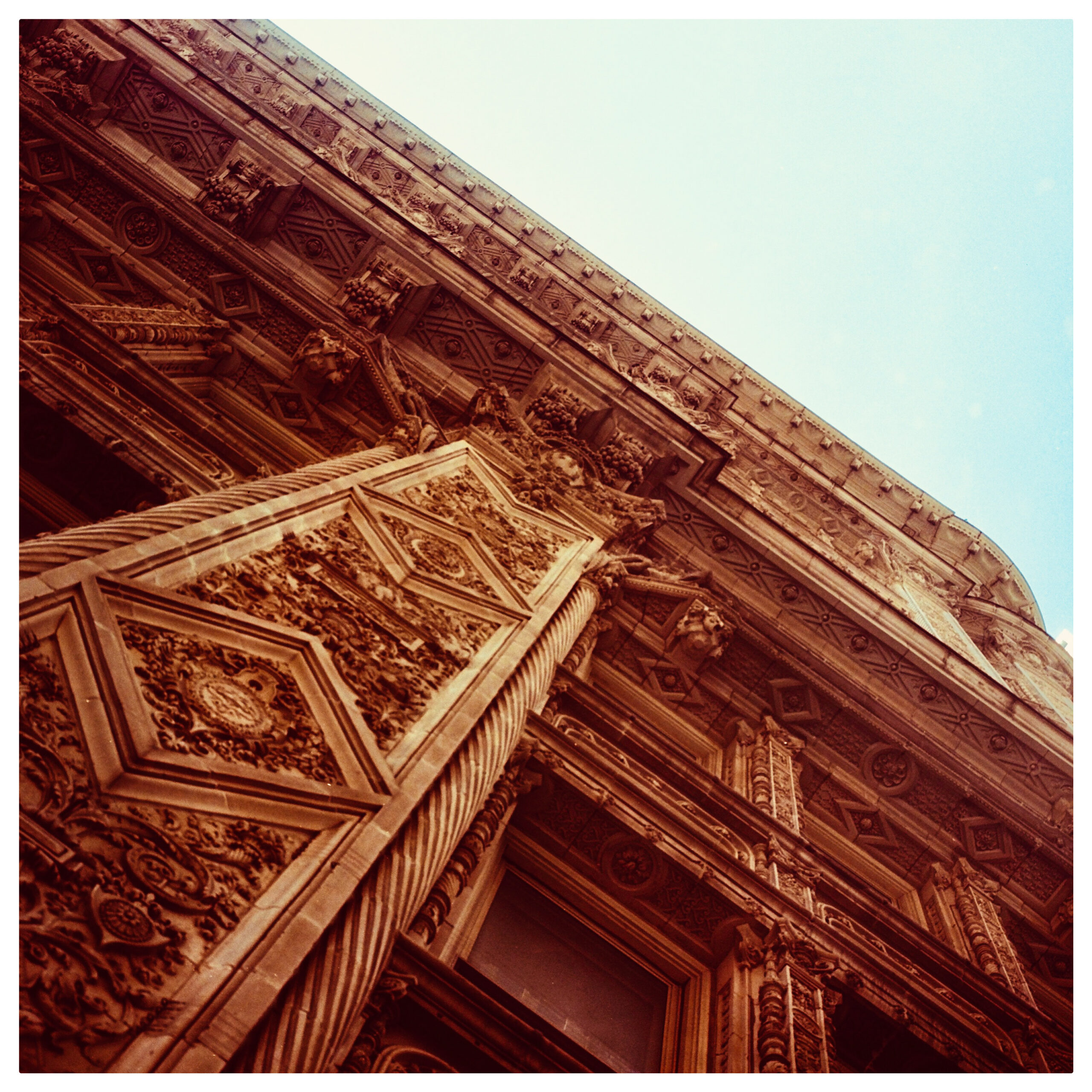
By March 2025, the experiment revealed a critical friction point in the practitioner’s workflow. While the Rolleiflex offers superior negative size—roughly 3.6 times the surface area of a 35mm frame—the aesthetic "formality" of the square began to conflict with the need for kinetic, spontaneous documentation. This led to a reintroduction of 35mm systems into the rotation, highlighting a fundamental truth in photojournalism: the shape of the negative often dictates the "speed" of the visual narrative.
The Coney Island Polar Bear Plunge: Compositional Analysis
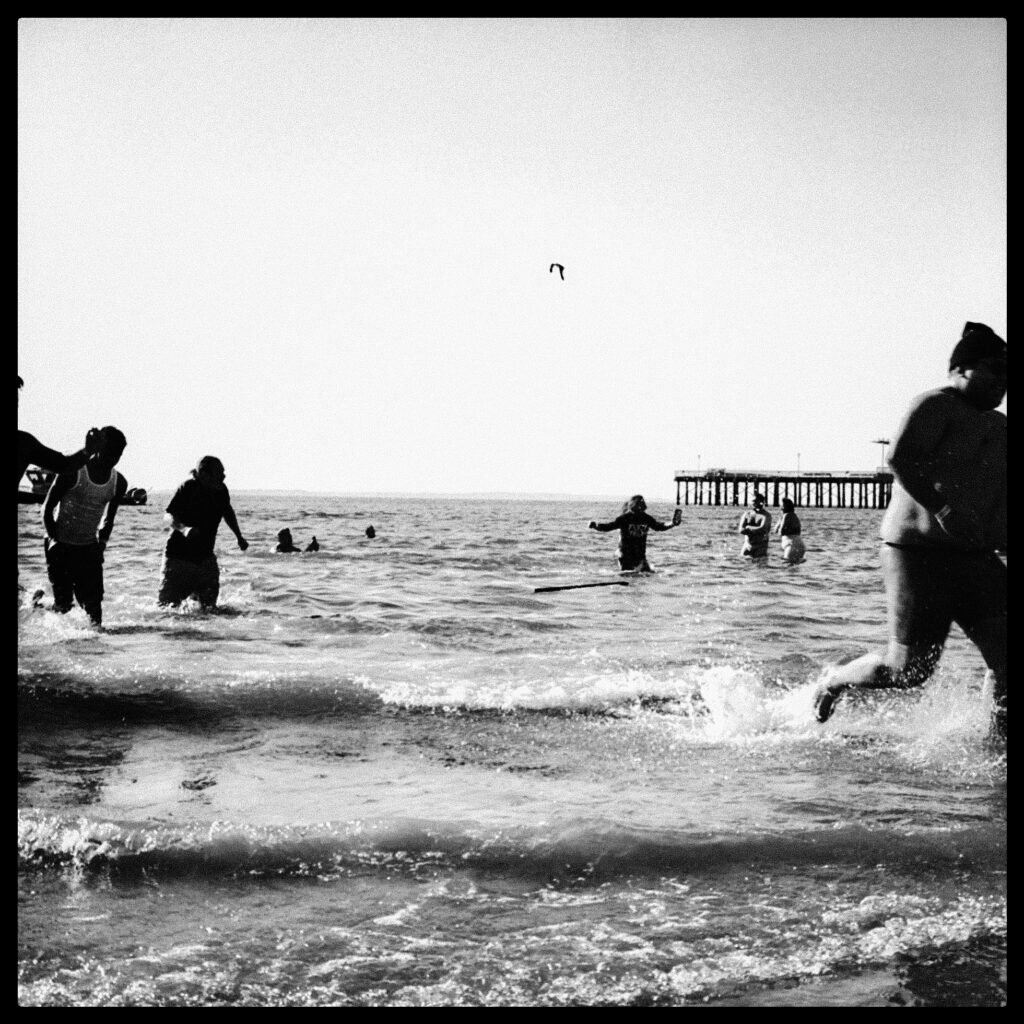
On January 1, 2026, the annual Polar Bear Plunge at Coney Island, New York, served as a primary testing ground for these format theories. The event, characterized by rapid movement, extreme weather conditions, and high-contrast environments, provided a backdrop to evaluate how square versus rectangular framing captures chaotic scenes.
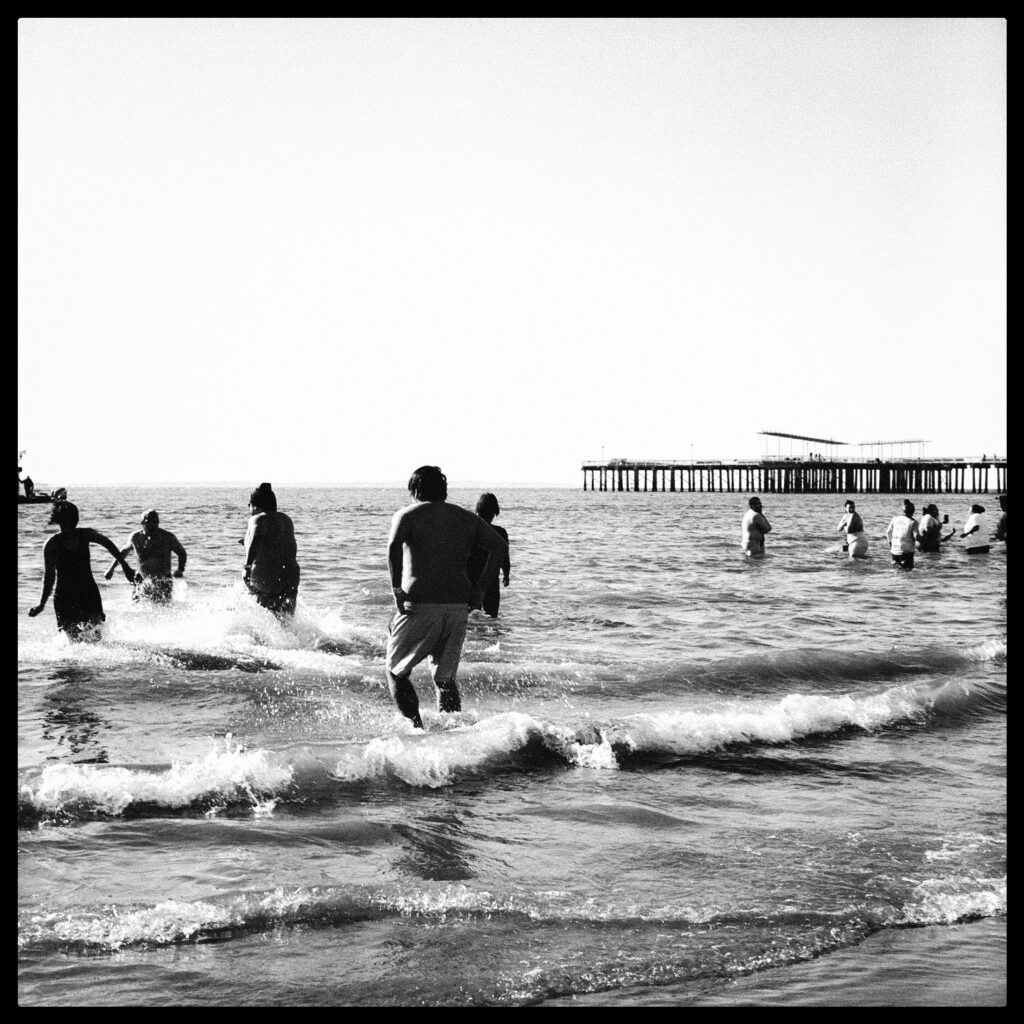
In one instance, a backlit, monochrome image of figures in the water, captured on Kodak Tri-X 400 film with a Rolleiflex 2.8F, demonstrated the potential pitfalls of the square format. The 1:1 ratio, when applied to a vast horizon, often forces a central symmetry that can result in a static, "boring" composition. Without the horizontal expansion of a landscape orientation or the vertical tension of a portrait orientation, the square frame can fail to provide a "visual floor" for the viewer, leading to a sense of cerebral distance rather than immersion.
Conversely, a second frame from the same event, titled "Hurrying Out of the Waves," showcased the successful subversion of square constraints. By placing the subject—a runner moving diagonally—away from the center, the photographer utilized the square’s inherent stillness to emphasize the subject’s escape from the frame. This kinetic energy earns the format’s use by creating tension against the expected central focus of a TLR camera.
Technical Specifications: 6×6 vs. 35mm
The technical disparity between these formats is rooted in the physics of the film and the mechanics of the cameras used.
The Rolleiflex 2.8F (Medium Format)
- Film Type: 120 Roll Film.
- Negative Size: 56mm x 56mm (approx. 3,136 mm²).
- Viewing System: Waist-level finder, providing a laterally reversed image.
- Optics: Usually equipped with an 80mm Carl Zeiss Planar or Schneider Xenotar lens.
- Compositional Bias: Encourages a slower, more deliberate approach due to the waist-level perspective and the need to manual-focus on a ground glass screen.
The 35mm System (Leica III/Summarit)
- Film Type: 135 Filmed.
- Negative Size: 24mm x 36mm (approx. 864 mm²).
- Viewing System: Eye-level rangefinder.
- Optics: 50mm f/1.5 Summarit (as used in the 2026 study).
- Compositional Bias: Favors rapid orientation changes (horizontal vs. vertical) and eye-level engagement, which often translates to a more intimate or "messy" proximity to the action.
Data suggests that while the medium format provides significantly higher resolution and tonal gradation, the 35mm format aligns more closely with human binocular vision, which is horizontally biased. This biological alignment makes rectangular photos feel more "natural" to the average observer.

Historical Comparison: The V-J Day Documentation
The most poignant historical example of the square versus rectangle debate occurred on August 14, 1945, in Times Square. Two photographers captured the same iconic moment—a sailor kissing a nurse—using different formats.
- Alfred Eisenstadt (Life Magazine): Using a 35mm Leica, Eisenstadt opted for a vertical rectangular orientation. This choice allowed him to capture the full bodies of the subjects while simultaneously providing the urban context of Times Square. The verticality emphasized the "surging" nature of the crowd and the metropolitan scale of the event.
- Victor Jorgensen (U.S. Navy): Capturing the scene at nearly the same instant, likely with a Rolleiflex, Jorgensen produced a square-format image. His perspective was tighter, focusing almost exclusively on the upper bodies of the couple. While the image is technically excellent and was published by the New York Times, it lacks the environmental narrative found in Eisenstadt’s rectangular frame.
The historical longevity of Eisenstadt’s version over Jorgensen’s is often attributed to this compositional choice. The rectangular frame provided a "stage" for the event, whereas the square frame treated the moment as an isolated portrait, stripping it of its historical "bigness."
Economic and Logistic Implications in the Darkroom
The preference for rectangles is not merely aesthetic; it is reinforced by the global supply chain of photographic materials. Since the mid-20th century, the infrastructure of photography has been built around rectangular standards.
- Paper Dimensions: Photographic paper is manufactured in rectangular sizes (8×10, 11×14, 16×20, 20×24 inches). Printing a square image necessitates significant waste. For instance, creating an 18×18-inch square print requires a 20×24-inch sheet of paper, resulting in nearly 40% material waste.
- Cost Analysis: As of 2026, high-quality fiber-based silver gelatin paper can cost upwards of $15 to $20 per sheet for large formats. For professional labs and independent artists, the cumulative cost of "wasted" paper when adhering to a square format is a significant financial consideration.
- International Trends: In certain markets, such as India, the square format remained a standard for wedding photography well into the late 1970s. However, the global shift toward 35mm and eventually digital sensors effectively phased out the 1:1 ratio in commercial sectors due to the logistical efficiency of rectangular printing and framing.
The Digital Paradox and Future Outlook
In the contemporary digital landscape, the square format has seen a revival through social media platforms like Instagram, which originally mandated a 1:1 aspect ratio. However, this is an artificial constraint imposed by software. To date, no major camera manufacturer has produced a dedicated square-format digital sensor for the mass market. Digital photographers who desire a square crop must discard a portion of their sensor’s data, effectively reducing the resolution of the final image.
The 2025-2026 study concludes that while the square format offers a unique, formal, and often cerebral window into the world, it remains an "alien" perspective compared to the rectangular bias of human perception and industrial standards. The transition back to 35mm by the practitioner in the study reflects a broader industry trend: the rectangle remains the dominant tool for storytelling due to its versatility and its ability to ground the viewer in a recognizable environment.
As analog photography continues its niche revival, the choice of format remains one of the most powerful interpretive tools at a photographer’s disposal. Whether choosing the "stillness" of a Rolleiflex square or the "urgency" of a Leica rectangle, the geometry of the negative continues to define the boundaries of visual history.