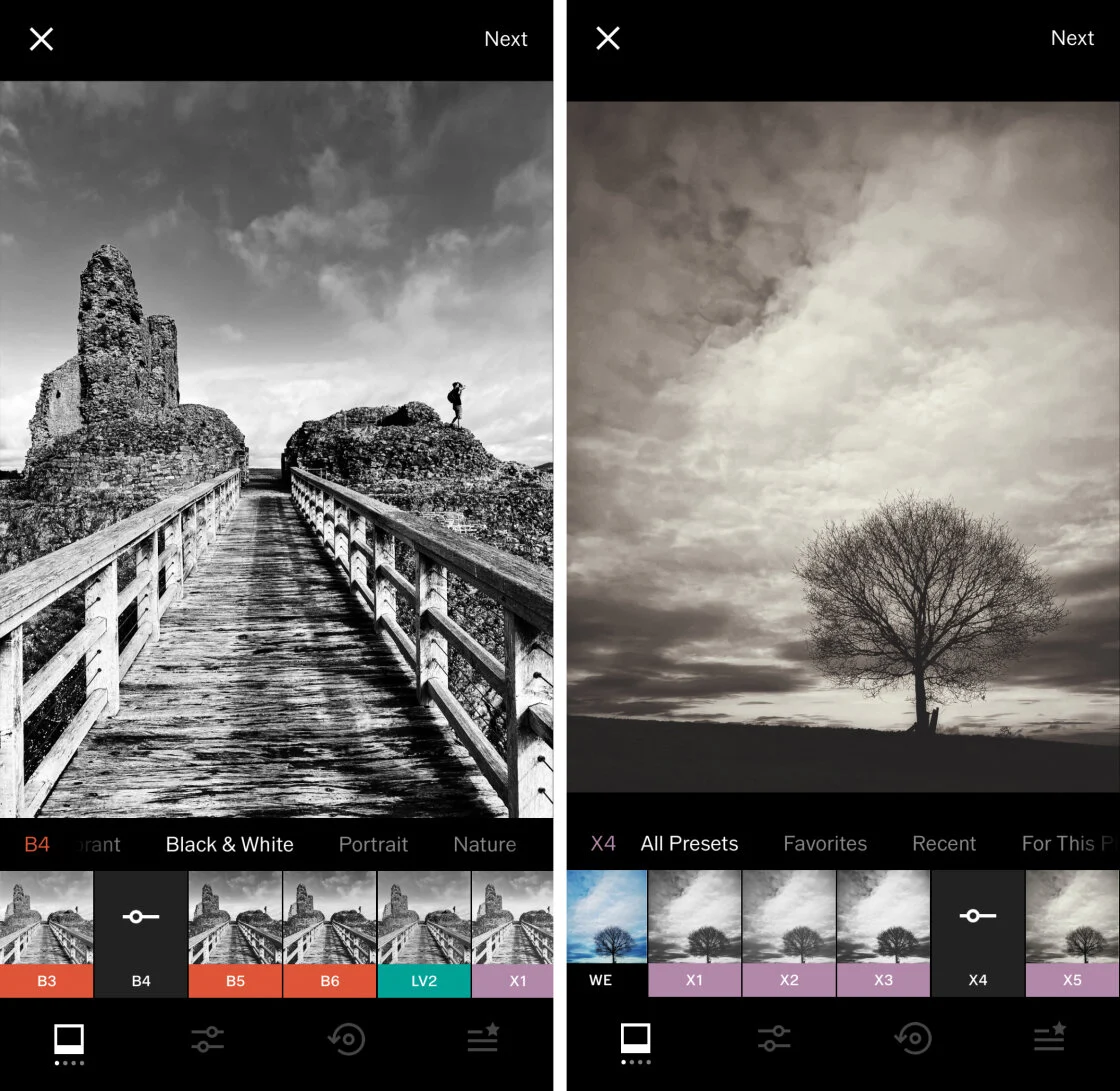
The landscape of contemporary photography has undergone a radical transformation over the past decade, driven largely by the rapid technological advancement of smartphone optics. Among these devices, the iPhone has emerged as a primary tool for both enthusiasts and professionals, facilitating a movement known as "iPhoneography." Street photography, a genre traditionally defined by the use of discreet 35mm film cameras, has found a new medium in mobile technology. The shift toward black and white street photography on the iPhone represents a convergence of classical aesthetic values and modern digital convenience. By stripping away the distraction of color, photographers are able to focus on the fundamental elements of visual storytelling: light, shadow, texture, and form.
The Technological Evolution of Mobile Monochrome
The transition from traditional digital photography to mobile-centric workflows is evidenced by the experiences of industry veterans like Maksim Kyshtymov. Kyshtymov, a design professional who began his journey with high-end DSLRs and mirrorless systems in 2009, eventually pivoted to the iPhone as his primary capture device. This shift highlights a broader industry trend where portability and "the camera that is always with you" outweigh the marginal technical advantages of larger sensor formats in spontaneous environments.
Modern iPhone hardware utilizes sophisticated Image Signal Processors (ISP) and computational photography to simulate effects that once required expensive darkroom setups or complex post-processing. The integration of high-dynamic-range (HDR) processing and ProRAW capabilities allows for a level of tonal control that was previously unavailable in mobile devices. When shooting in monochrome, these technical assets become crucial for preserving detail in high-contrast urban environments.
Technical Foundations: The Noir Methodology
A fundamental principle in modern mobile street photography is the transition from post-capture conversion to real-time visualization. While many novice photographers capture images in color and apply filters later, experts advocate for shooting directly in black and white using the iPhone’s native "Noir" filter.
This methodology serves a critical cognitive function. By viewing the world through a monochrome viewfinder—accessible via the Camera app’s filter icon (represented by three overlapping circles)—the photographer can instantly identify how light interacts with structural elements. Removing color allows the eye to prioritize shapes, lines, and patterns that might otherwise be obscured by vibrant hues. Because iPhone filters are non-destructive, the underlying color data is retained in the HEIC or RAW file, allowing for total flexibility in post-production while still providing the immediate benefit of monochromatic "pre-visualization."
Structural Composition: Minimalism and Negative Space
In the dense, often chaotic environment of a modern city, the most effective compositions are frequently the most minimalist. High-impact street photography relies on the strategic use of negative space to direct the viewer’s attention toward a singular subject.
Data from visual perception studies suggest that the human eye is drawn to contrast and isolated forms. In an urban context, this is achieved by seeking out open areas such as public squares, parks, or modern cultural sites. Urban planners and architectural historians note that these "voids" in the city grid are designed to offer psychological relief from the surrounding density; for the photographer, they provide a clean canvas. By utilizing Google Maps and Street View to scout locations with large expanses of pavement or sky, photographers can plan for "minimalist" encounters where a single human subject stands in stark relief against a vast, neutral background.
The Geometry of the City: Leading Lines and Patterns
The urban landscape is a repository of geometric perfection. Journalistic analysis of award-winning street photography often reveals a heavy reliance on "leading lines"—visual paths such as roads, bridges, tunnels, and railings that guide the viewer’s eye toward a focal point.
Leading lines do more than provide direction; they create an illusion of depth on a two-dimensional screen. In black and white photography, these lines become the "skeleton" of the image. To maximize visual impact, photographers are encouraged to align these lines with the corners of the frame, creating a sense of structural integrity.
Beyond linear perspective, repetitive patterns found in modern architecture—such as rows of windows, pillars, or facade textures—offer a rhythmic quality to the image. When a human subject is introduced into these repetitive environments, the resulting "break" in the pattern creates an immediate and compelling focal point. This technique, often used in brutalist and modernist architectural photography, emphasizes the scale of the individual within the industrial machine of the city.
Dynamic Lighting: Silhouettes and Shadow Play
Street photography is, at its core, the study of light. Two of the most dramatic techniques in the monochrome arsenal are the capture of silhouettes and the utilization of long shadows. These techniques are highly dependent on the "Golden Hour"—the period shortly after sunrise or before sunset when the sun is low on the horizon.
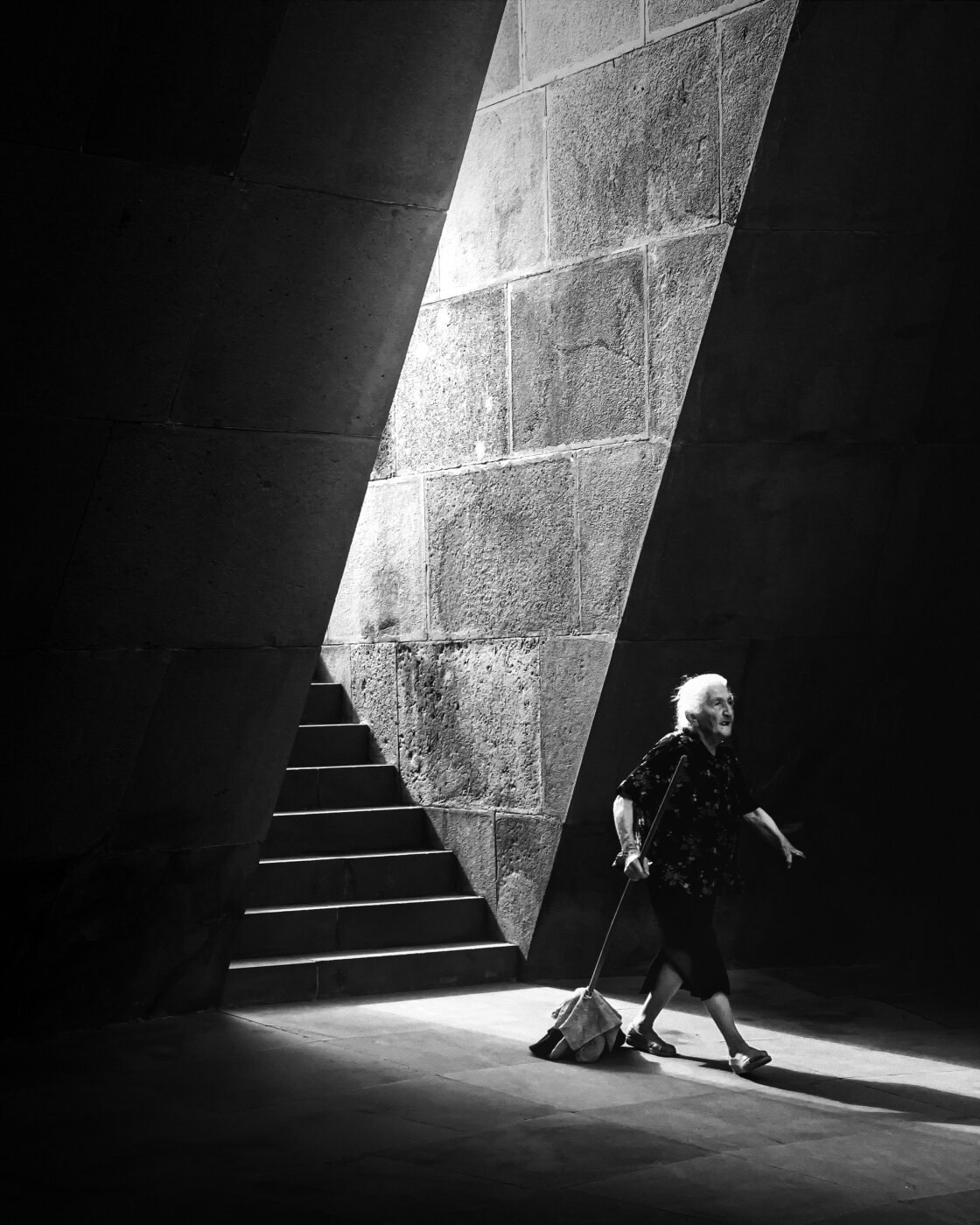
To capture a successful silhouette, the photographer must position the subject between the lens and a bright light source, such as the sky or an illuminated shop window. By manually reducing the iPhone’s Exposure Value (EV)—achieved by swiping up in the camera app and adjusting the +/- slider—the subject is rendered as a dark, anonymous outline. This lack of detail fosters a sense of mystery and allows the viewer to project their own narrative onto the scene.
Similarly, shadows can be treated as subjects in their own right. Long, distorted shadows cast by the low evening sun add a layer of drama and surrealism to urban scenes. In these instances, the shadow often carries more visual weight than the physical object casting it, a concept popularized by early 20th-century street photographers who sought to capture the "unseen" city.
Advanced Capture Techniques: Framing and Burst Mode
Architectural elements such as archways, doorways, and tunnels serve as natural frames within the camera’s frame. This "sub-framing" technique adds layers to the composition and isolates the subject within a specific context.
Executing these shots requires patience and technical precision. The use of "Burst Mode"—activated by dragging the shutter button to the left—is essential for capturing the "decisive moment." As a subject walks through a frame, the iPhone can capture dozens of frames per second, allowing the photographer to select the exact micro-second where the subject’s stride and posture are most aesthetically pleasing.
Furthermore, when shooting from dark interiors toward bright exteriors, the iPhone’s exposure compensation must be handled with care. Experts suggest reducing exposure by one or two stops to ensure that highlights in the background are not "blown out," even if it means sacrificing detail in the darkest shadows. This high-contrast look is a hallmark of the "film noir" aesthetic currently trending in mobile photography circles.
Digital Refinement and the Post-Processing Ecosystem
The capture of the image is only the first stage of the modern photographic workflow. The rise of sophisticated mobile editing suites has brought professional-grade tools to the palm of the hand. While the built-in iOS Photos app offers robust basic adjustments, third-party applications like Adobe Lightroom Mobile and TouchRetouch have become industry standards.
Post-processing in black and white photography typically focuses on the "Zone System" principles—ensuring a full range of tones from pure black to pure white. Increasing contrast and adjusting highlights can add the "grit" and "punch" associated with traditional tri-X film.
One of the most significant advantages of digital editing is the ability to "clean" the frame. Street photography is often plagued by "visual noise"—distracting elements like trash cans, street signs, or unwanted bystanders. Modern AI-powered "healing" tools allow photographers to seamlessly remove these distractions, maintaining the minimalist integrity of the original vision. This process of "subtractive editing" is crucial for achieving a professional, gallery-ready finish.
Broader Impact and the Future of Urban Documentation
The democratization of high-quality black and white photography through the iPhone has significant implications for how we document urban life. Social media platforms, particularly Instagram, have seen a resurgence of monochrome imagery, as users seek to differentiate their content from the oversaturated color palettes of standard mobile snaps.
From a sociological perspective, these photographs serve as a historical record of the changing urban landscape. They capture the intersection of human behavior and architectural design in a way that feels timeless. As iPhone technology continues to evolve—with rumors of larger sensors and even more advanced periscope lenses—the gap between mobile photography and traditional cinematography continues to shrink.
In conclusion, mastering black and white street photography on the iPhone is not merely about learning a set of tips; it is about adopting a new way of seeing. By leveraging the device’s technical capabilities—from Noir filters to AI-driven editing—and applying classical compositional theories, photographers can transform the mundane reality of the city into a series of compelling, monochromatic narratives. As Maksim Kyshtymov’s journey suggests, the freedom of the mobile format allows for a more intimate, spontaneous connection with the environment, proving that in the world of modern art, the best camera is indeed the one that remains at the ready in your pocket.