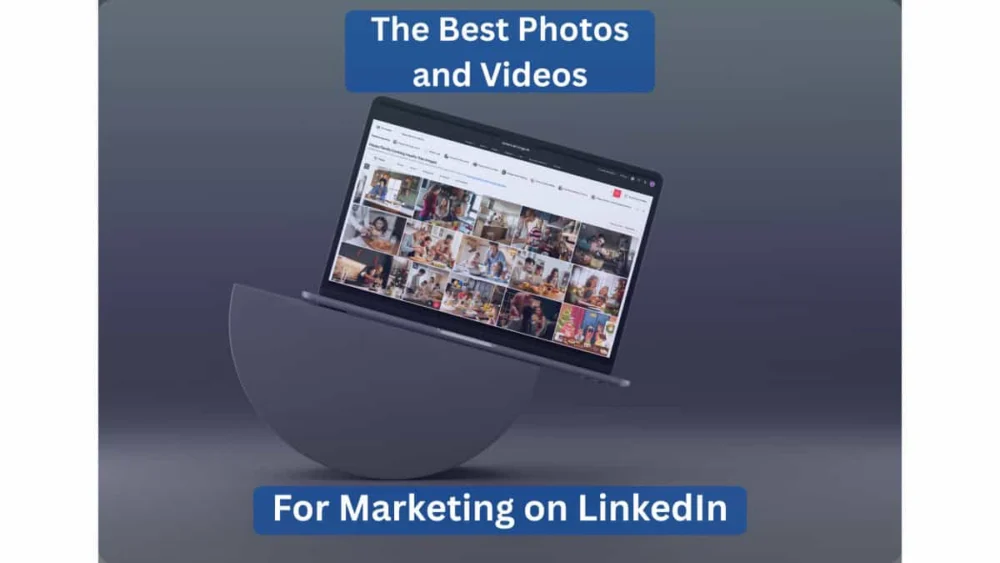
The digital landscape of 2026 has witnessed the final stage of LinkedIn’s transformation from a traditional professional networking directory into a comprehensive B2B marketplace and visual content powerhouse. As corporate communication becomes increasingly decentralized, the visual assets deployed by brands and individual thought leaders now serve as the primary "handshake" in the digital realm. This evolution has necessitated a radical shift in how imagery and video are produced, curated, and shared. The prevailing aesthetic of 2026 is defined by a departure from the "uncanny valley" of over-polished, AI-generated perfection in favor of a new standard: human-centric realism and tactile authenticity.

The Paradigm Shift: From Corporate Polish to Radical Authenticity
In the early 2020s, LinkedIn visuals were often characterized by a specific "corporate blue" aesthetic—staged office environments, stiff handshakes, and sterile boardrooms. However, by 2026, audience fatigue regarding generic stock photography and the proliferation of indistinguishable AI-generated visuals has reached a breaking point. Industry analysts report that B2B buyers are now 40% more likely to engage with content that features "imperfect" realism over high-gloss production.
This shift has given rise to "Radical Authenticity," a trend where the "anti-stock" aesthetic becomes the gold standard. This involves capturing professionals in mid-motion: a team laughing during a spontaneous brainstorming session, an architect working in a cluttered, sun-lit studio, or a remote worker in a casual, hybrid-work setting. The goal is no longer to present a perfect image of a business, but to provide a transparent window into its culture. Market research indicates that posts utilizing this realistic approach see a 22% higher conversion rate in lead generation campaigns compared to traditional corporate imagery.

A Chronology of Visual Evolution on LinkedIn (2021–2026)
The journey to the current visual standard has been marked by several key technological and behavioral milestones:
- 2021–2022: The Carousel Era. LinkedIn introduced and refined document-sharing features, leading to the rise of the "educational carousel." This shifted the focus from single images to narrative-driven visual storytelling.
- 2023–2024: The AI Saturation Point. The mass adoption of generative AI led to a flood of hyper-realistic but soulless imagery. While initially popular for its low cost, engagement rates began to plummet as users developed an intuitive "AI-detector" reflex, seeking out content with human flaws and textures.
- 2025: The Video Integration Surge. LinkedIn overhauled its mobile interface to prioritize vertical video, mirroring the consumption habits seen on consumer platforms but tailored for professional development and industry news.
- 2026: The Great Re-Humanization. The current era is defined by "Tactile Realism." There is a renewed demand for high-resolution photography that highlights physical textures—wood grain, recycled paper, fabric weaves—and natural, uncorrected lighting.
The Rise of Tactile Realism and Organic Minimalism
One of the most significant design trends in 2026 is Tactile Realism. As digital interfaces become more streamlined, users crave a sense of physical grounding. This trend manifests in the use of "feelable" images. Backgrounds featuring linen fabrics, organic stone textures, or sustainable materials like bamboo and cork have replaced the flat, neon gradients of the previous decade.

Designers are utilizing these textures to create "Organic Minimalism." This style uses high-contrast, textured backgrounds as a canvas for text overlays, particularly in carousels and infographic posts. By grounding abstract business concepts in organic, real-world textures, brands are able to build a sense of stability and trust. Leading stock media providers, such as Shutterstock, have responded to this demand by curating massive libraries of "sensory-first" assets, allowing marketers to find specific textures—such as "weathered oak" or "brushed concrete"—that align with their brand’s physical identity.
Supporting Data: The Video Revolution in B2B Networking
Data from the first half of 2026 confirms that video is no longer an optional component of a LinkedIn strategy; it is the primary driver of platform authority. Video consumption on LinkedIn has spiked by 36% year-over-year, with vertical video formats leading the charge.

The 2026 algorithm specifically rewards "Human-First B-Roll." This refers to short, high-quality clips of modern office life that serve as the background for educational shorts. Unlike the looped corporate videos of the past, these clips focus on quiet, deep-work moments or collaborative interactions in natural light. Statistics show that vertical videos featuring a "human element" in the first three seconds have a 50% higher retention rate than those starting with text or logos.
Furthermore, long-form video has experienced a "quality renaissance." As thought leaders seek to differentiate themselves, the production value of industry deep-dives has increased. Marketers are now interspersing "talking head" footage with cinematic 4K drone shots or extreme technical close-ups to maintain viewer engagement over three-to-five-minute durations.

Accessibility and the "Sound-Off" Consumption Model
A critical factor in 2026 LinkedIn visual strategy is the "Sound-Off" model. Internal LinkedIn data suggests that nearly 85% of users scroll through their professional feeds with the sound muted, often because they are in offices, commuting, or multitasking. This has made "burned-in" captions and high-contrast visual cues a necessity rather than a courtesy.
To accommodate this, the demand for stock footage with "negative space" has surged. Marketers specifically seek out clips with plain walls or blurred backgrounds that provide a clear area for large, legible captions. This ensures that the message is communicated effectively even in total silence. Visual accessibility has also expanded to include color-blind-friendly palettes and high-legibility typography, which are now standard requirements for high-performing B2B content.

Official Responses and Industry Analysis
Marketing executives from top-tier B2B firms have noted that the "visual barrier to entry" has never been higher. "In 2026, if your visual assets look like they were pulled from a 2015 archive, your brand is immediately perceived as obsolete," says Marcus Thorne, Chief Brand Officer at a leading global consultancy. "The audience is sophisticated; they can tell the difference between a generic loop and a curated piece of cinematic B-roll that actually reflects their working reality."
Financial analysts covering the creative economy point to the efficiency of modern stock media platforms as a key driver of this trend. By utilizing services like Shutterstock, which offers over 40 million high-resolution clips and advanced filtering for diverse aesthetics, businesses can achieve high production value without the prohibitive costs of custom film crews for every post. This "democratization of quality" has allowed small-to-medium enterprises (SMEs) to compete visually with multinational corporations.

Best Practices for Visual Implementation in 2026
To succeed in the current LinkedIn environment, brands must adhere to a strict set of visual best practices:
- Prioritize Intentional Diversity: Visuals must reflect a global, inclusive workforce. This goes beyond simple representation; it requires showing diverse individuals in positions of leadership and specialized expertise.
- Optimize for the Carousel Format: Carousels remain the highest-engaging post type. Using vector-format deck sets for clean, professional data visualization is essential for maintaining a cohesive look across multiple slides.
- Leverage Cinematic Gravitas: For thought leadership content, use 4K drone footage or high-tech macro shots to add "weight" to expert predictions.
- Adopt the Anti-Stock Aesthetic: Choose images that feature natural lighting, mid-motion poses, and realistic environments. Avoid images where subjects are looking directly at the camera with a "forced" smile.
- Utilize Exclusive Discounts: Smart marketers are leveraging partnerships and coupon codes from major stock agencies to maintain a high volume of fresh content while managing budgets effectively.
Broader Impact and Future Implications
The shift toward authentic, high-quality visuals on LinkedIn has broader implications for the B2B sales cycle. As visual storytelling becomes the primary method of brand building, the "trust-building" phase of the sales funnel is happening earlier and more autonomously. Prospective clients are forming opinions based on a brand’s visual consistency and "realness" long before the first sales call.

Looking toward the late 2020s, the integration of augmented reality (AR) previews within LinkedIn posts is expected to be the next frontier. However, the foundational requirement will remain the same: high-quality, realistic visual assets that ground the digital experience in human reality. By embracing tactile realism, radical authenticity, and sophisticated video content today, brands are not just following a trend—they are future-proofing their professional identity in an increasingly visual global economy.
Ultimately, the visual strategy of 2026 is about more than just aesthetics; it is about the strategic use of media to foster genuine human connection in a digital-first world. As the platform continues to evolve, the brands that prioritize purposeful, creative, and high-quality visuals will be the ones that turn casual scrollers into high-value, long-term partners.