The pursuit of photographing the elusive puma, often referred to as the ghost of the Andes, in the rugged terrain of Chilean Patagonia presented a profound challenge and an extraordinary reward for wildlife photographer Paul Nicklen. His recent expedition, detailed in his personal account, offers a compelling narrative of patience, respect for nature, and the remarkable adaptability of wildlife in the face of increasing human presence. For three decades, Nicklen has observed the world’s highest density of cougars on Vancouver Island, yet has only managed fleeting glimpses, a testament to the felines’ mastery of camouflage and their ability to remain unseen. This experience fueled a long-held dream to document these powerful predators in their natural habitat, a dream that found its fulfillment in the windswept landscapes of Patagonia.
The Journey to the Andes: From Lost Passport to Patagonian Estancia
Nicklen’s journey to Chilean Patagonia was not without its initial hurdles. A lost passport and an unexpected detour to a Brazilian embassy set a challenging tone for the expedition. However, upon arrival, the photographer found himself immersed in the unique environment of a converted estancia, a traditional Patagonian ranch, located on the periphery of Torres del Paine National Park. This region, characterized by its breathtaking granite peaks, glacial lakes, and vast grasslands, has become a burgeoning ecotourism destination. The pristine beauty of the park draws an increasing number of visitors, fostering a growing ecotourism industry.
The estancia itself provided a fascinating glimpse into the evolving relationship between humans and wildlife in the region. The owners, who once may have viewed pumas as threats to their livestock, now operate in a manner that coexists with these apex predators. This shift reflects a broader trend in ecotourism where conservation and economic viability are increasingly intertwined. The staff, steeped in the rich traditions of gaucho culture, embodied values of honesty, hard work, and generosity, adding a human dimension to the wild landscape. This cultural backdrop underscored the deep connection between the people and the land, a connection that extends to the respect for its wild inhabitants.
The Maestro of the Pampas: Encountering Petaka and Her Kittens
Central to Nicklen’s photographic quest was the guidance of Rodrigo, a local guide and renowned puma expert. Rodrigo’s intimate knowledge of the pumas’ territories and habits was instrumental in navigating the vast and often unforgiving terrain. The expedition ventured deep into the heart of puma country, leaving behind the cultivated lands of the estancia for a realm of dramatic rock formations, shimmering snow-fed lakes, and endless expanses of pampas. As they trekked deeper, the towering granite spires of the Andes rose majestically, framing the dramatic landscape.
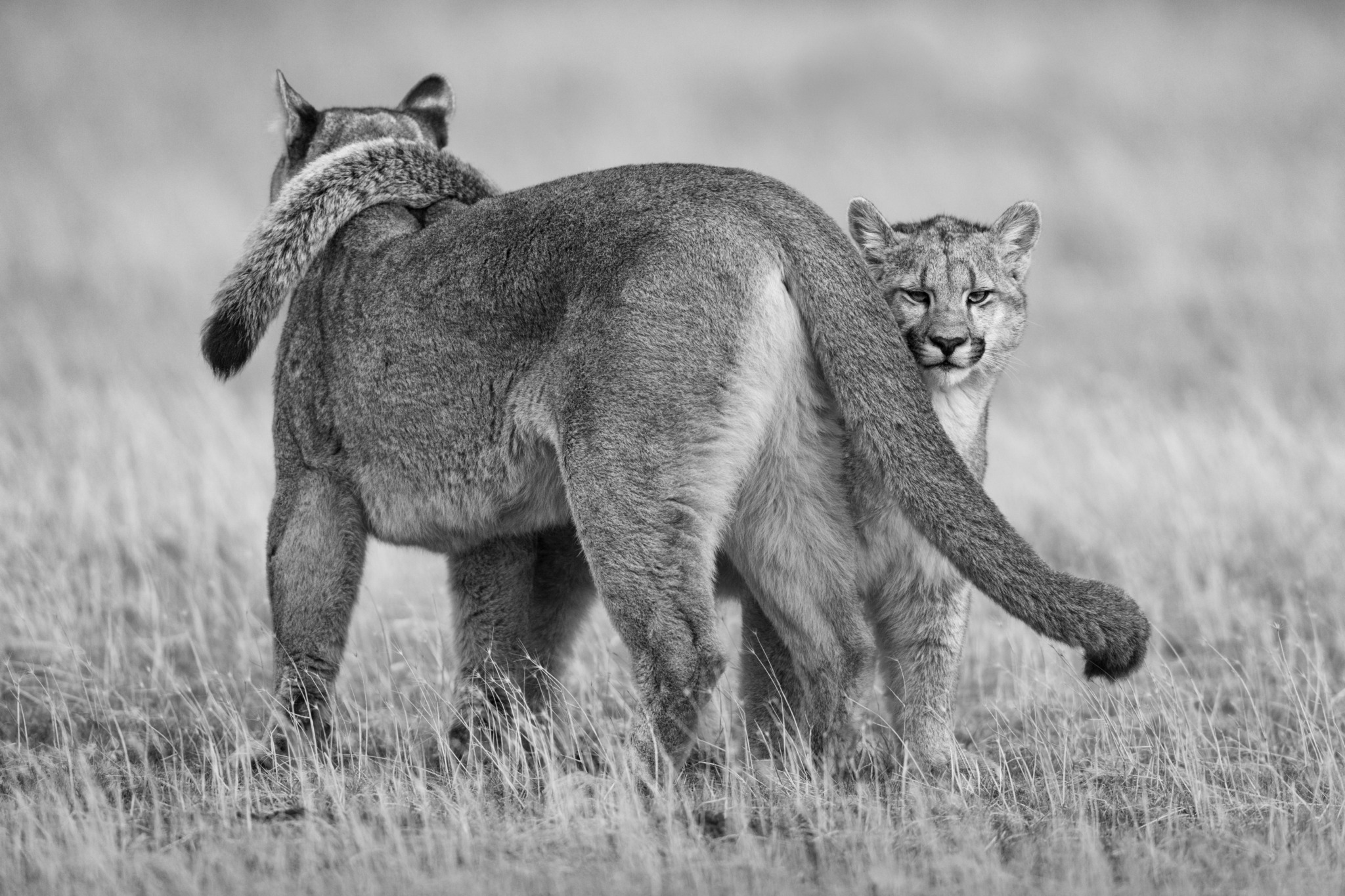
It was in this awe-inspiring setting that Nicklen first encountered his subjects: a female puma, affectionately known as Petaka, and her two young kittens. Petaka had achieved a near-celebrity status among those familiar with the Torres del Paine region. Her remarkable composure and apparent indifference to human observers were attributed to the protective status afforded to pumas in Chile. Unlike in some neighboring countries, where hunting pressures can be significant, pumas in this area are largely protected, and hunting is heavily restricted. This conservation effort has allowed some of the local puma population to habituate to the presence of humans, enabling them to go about their lives with a degree of nonchalance. This observation by Nicklen highlights a critical aspect of wildlife photography and conservation: creating environments where animals can exist undisturbed.
Nicklen expressed profound satisfaction in observing Petaka as she nurtured her kittens. The scene, where the playful cubs tumbled and engaged with their mother amidst the tall grasses, evoked a deep emotional response. "I had the privilege of watching Petaka care for her kittens while I sat nearby, silently overcome with emotion as the little family tumbled in the grass together," he recounted. This moment of quiet observation, devoid of intrusion, underscored the ethical considerations paramount in wildlife photography. The ability to witness such intimate family moments without causing distress to the animals is the ultimate aim for many nature photographers.
The Unexpected Sanctuary: A Blizzard and a Silent Companion
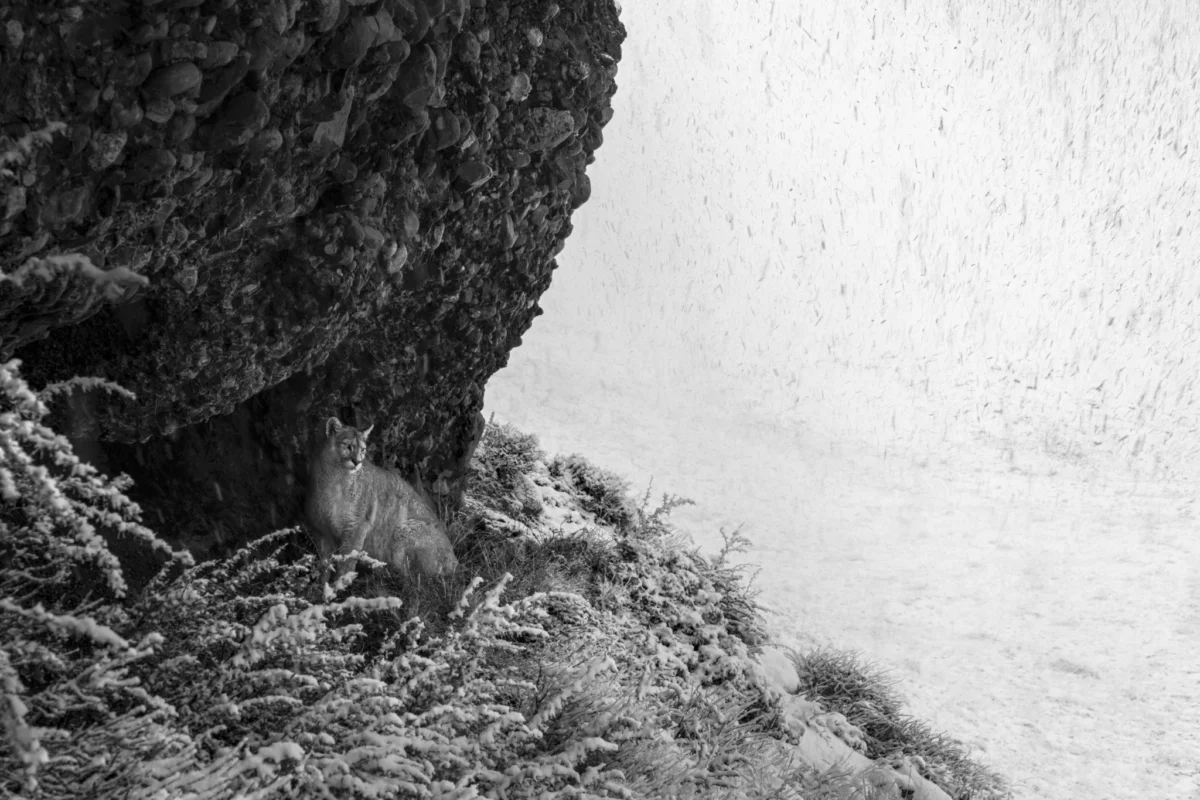
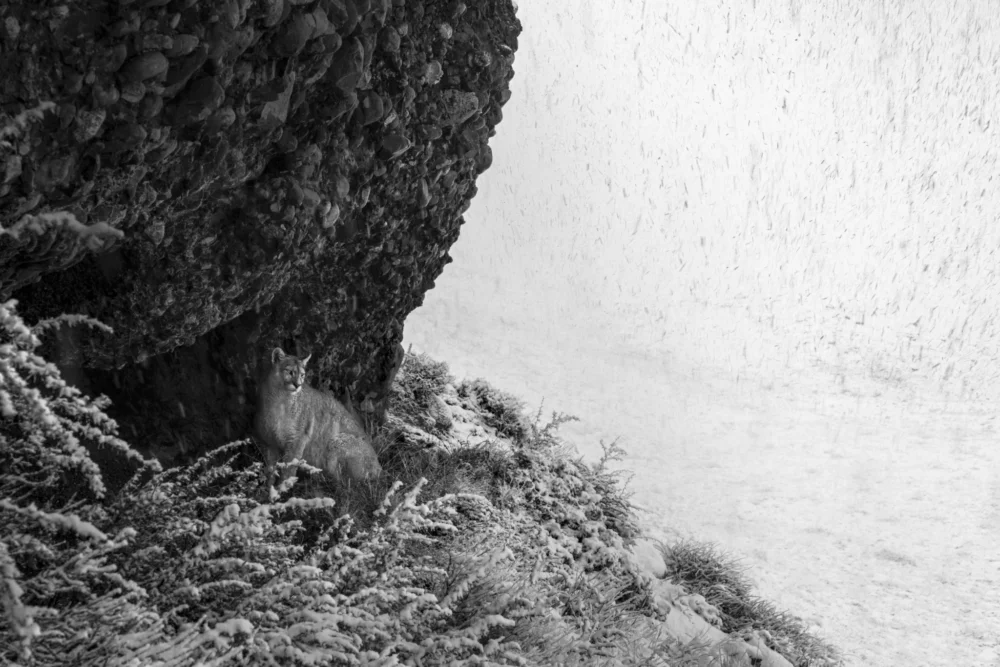
The unpredictable Patagonian weather soon took a dramatic turn. As is characteristic of the region, the winds intensified, bringing with them the first signs of a brewing snowstorm. The landscape was rapidly transformed as snow began to fall, blanketing the terrain and muffling all sounds, creating an almost surreal atmosphere. Seeking refuge from the intensifying blizzard, Nicklen found shelter within a mountainside cave. It was in this unexpected sanctuary that a remarkable encounter unfolded.
A large puma emerged from the swirling snow, drawn to the same refuge. The cat settled just a few feet away, seeking warmth and protection from the storm. Nicklen, instinctively, held his breath, his excitement palpable but carefully controlled. "Instinctively, I held my breath, trying to keep my lens still against the excitement rising in my chest," he wrote. For a significant period, the two unlikely companions shared the cave in profound silence, the falling snow creating a serene, isolated world around them. The puma, demonstrating its innate wildness, paid no attention to Nicklen, its focus entirely on its surroundings, a constant vigilance that is the hallmark of its existence.
This shared moment of stillness, with the snowdrifts accumulating around the willow thickets below, represented a peak experience for Nicklen. It was a profound demonstration of nature’s capacity to bring different species into proximity under extreme conditions. The cat’s complete disinterest in his presence was, for the photographer, the highest form of acknowledgment – a sign of true wildness and an indication that he was not perceived as a threat or a disruption. This encounter underscored the philosophy that when nature is given the space to thrive, its true essence is revealed: wild, raw, and beyond human imagination.
Broader Implications: Conservation, Ecotourism, and the Future of Wildlife Photography
The experiences of Paul Nicklen in Patagonia offer more than just a compelling personal narrative; they carry significant implications for the fields of wildlife conservation, ecotourism, and the practice of nature photography. The protection afforded to pumas in Chile has demonstrably contributed to their ability to coexist with human activities, including the burgeoning ecotourism sector. This approach, which prioritizes species protection and habitat preservation, serves as a model for other regions grappling with human-wildlife conflict.
Supporting Data and Context:
- Puma Population Dynamics: While precise, up-to-the-minute population figures for pumas in Torres del Paine National Park are subject to ongoing research, studies have indicated a relatively stable population, attributed in part to conservation efforts. For instance, research by organizations like the Wildlife Conservation Society (WCS) has highlighted the importance of landscape connectivity and reduced human persecution in maintaining healthy puma populations in South America.
- Ecotourism Growth: Patagonia, as a whole, has experienced a significant surge in ecotourism. According to data from Chile’s National Tourism Service (SERNATUR), national parks like Torres del Paine consistently rank among the top destinations for international and domestic tourists. This growth necessitates careful management to mitigate environmental impacts and ensure that tourism benefits local communities and conservation initiatives.
- Conservation Success Stories: The case of pumas in Torres del Paine is often cited as a success story in conservation, demonstrating that with robust legal protections and community engagement, apex predators can thrive alongside human interests. This contrasts with historical narratives of predator eradication.
Chronology of the Expedition (Inferred):
- Pre-Expedition: Long-standing desire to photograph Patagonian pumas, based on decades of experience with elusive felines.
- Initial Travel Difficulties: Lost passport and embassy visit delay arrival in Chile.
- Arrival and Acclimatization: Settling into the converted estancia near Torres del Paine National Park, experiencing the local culture and the growing ecotourism landscape.
- Introduction to Local Expertise: Meeting guide Rodrigo, a puma expert, and learning about the local feline population.
- First Puma Encounters: Venturing into puma territory and observing Petaka and her kittens.
- Intimate Observation: Witnessing the mother-kitten interactions, experiencing profound emotional connection.
- Sudden Weather Change: The onset of a severe snowstorm in the mountains.
- Seeking Shelter: Finding refuge in a mountainside cave.
- Unexpected Proximity: A large puma seeking shelter in the same cave, leading to a period of silent coexistence.
- Storm Clears: The puma departs, leaving Nicklen with a profound sense of awe and gratitude.
- Post-Expedition Reflection: Articulating the significance of the experience for conservation and the future of wildlife appreciation.
Analysis of Implications:
The successful and respectful observation of pumas in their natural habitat, as described by Nicklen, underscores the vital role of protected areas and effective conservation strategies. The relative indifference of some pumas to human presence in Torres del Paine is a direct result of a deliberate conservation policy that has reduced the threat of hunting. This allows photographers like Nicklen to document these animals in ways that are minimally disruptive, fostering a deeper understanding and appreciation for their ecological importance.
Furthermore, the growth of ecotourism in the region, when managed responsibly, can provide economic incentives for local communities to support conservation efforts. The estancia owners’ shift towards living in harmony with wildlife exemplifies this potential. However, the increasing number of visitors also presents challenges, including potential habitat disturbance and increased human-wildlife interactions. Therefore, continued vigilance in monitoring visitor impact and enforcing park regulations is crucial.
The ethical considerations in wildlife photography are brought to the forefront by Nicklen’s narrative. His emphasis on patience, quiet observation, and allowing the animals to dictate the terms of the encounter highlights a growing awareness within the photography community regarding responsible practices. The goal is not to capture a dramatic shot at any cost, but to bear witness to the natural world with respect and humility. The "fleeting moment of camaraderie" with a wild animal, as described by Nicklen, is a powerful testament to the profound connection that can be forged when humans approach nature with reverence. This experience serves as a potent reminder of the value of preserving wild spaces and the irreplaceable lessons they offer about resilience, adaptability, and the intricate balance of life on Earth. The future of wildlife photography, therefore, lies not just in capturing stunning images, but in conveying the urgent need for conservation and fostering a global sense of stewardship for our planet’s wild heritage.