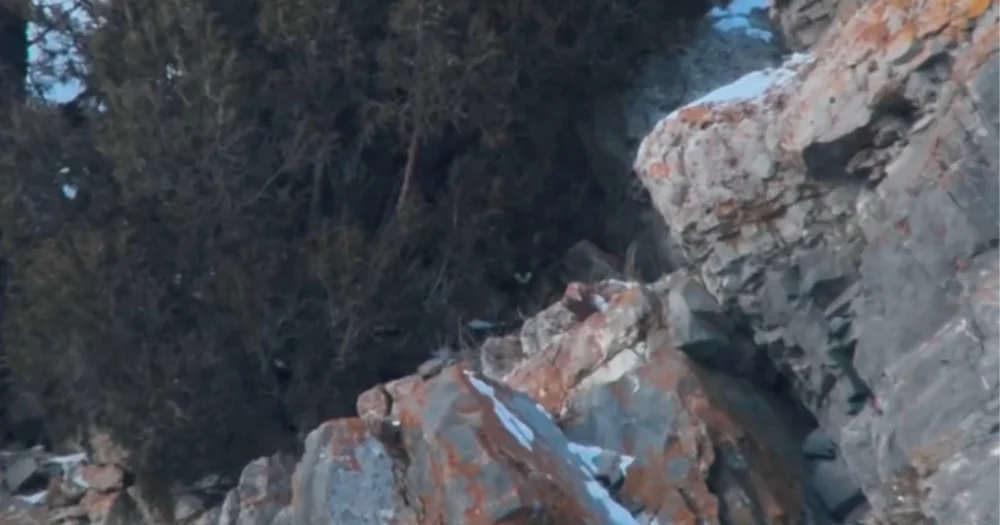
The recent capture of compelling footage showcasing an incredibly elusive mountain lion in Wyoming’s Teton County has sent ripples of excitement and scientific interest through wildlife observation communities and conservation circles. Billy Fabian, a seasoned guide with Jackson Hole EcoTour Adventures, successfully documented the apex predator as it meticulously navigated a rocky outcrop within the Greater Yellowstone Ecosystem (GYE), providing a vivid demonstration of the species’ legendary stealth and its remarkable ability to blend seamlessly into its environment. This sighting, while not unprecedented, underscores the challenges inherent in tracking and studying these solitary creatures, even in areas where their presence is known. The National Elk Refuge, where this particular cougar has been observed prowling, is a crucial wintering ground for elk and other wildlife, making it an ideal hunting territory for such a proficient predator.
The incident unfolded during a guided tour, where Fabian, leveraging his extensive knowledge of the local terrain and wildlife behavior, spotted the camouflaged feline. His quick action and specialized equipment allowed for the documentation of a moment that many wildlife enthusiasts spend years hoping to witness. Mountain lions, also known as cougars or pumas, are a critical component of the GYE’s complex food web, yet their inherently shy and nocturnal tendencies make direct observation exceedingly rare. This particular individual, briefly visible peeking from its hidden vantage point with a discerning and wary gaze, epitomized the cunning and cautious nature that allows these large cats to thrive in challenging environments while largely remaining unseen by humans.
Fabian’s photographic setup, consisting of a high-magnification Swarovski Optik ATX 95mm spotting scope coupled with his smartphone via an Ollin Nature Snapshot adapter system, represents a modern approach to wildlife documentation known as digiscoping. This technique enables guides and naturalists to capture high-quality images and video through a powerful optical instrument, extending the reach of a smartphone’s camera far beyond its native capabilities. The 95mm objective lens of the Swarovski scope is particularly adept at gathering light, providing bright, clear images even in variable conditions, crucial for discerning details on a camouflaged animal from a safe distance. The adapter system ensures precise alignment between the smartphone camera and the eyepiece, minimizing vignetting and maximizing image quality. This method not only allows for incredible detail to be captured but also minimizes disturbance to the wildlife, a paramount ethical consideration in ecotourism and conservation.
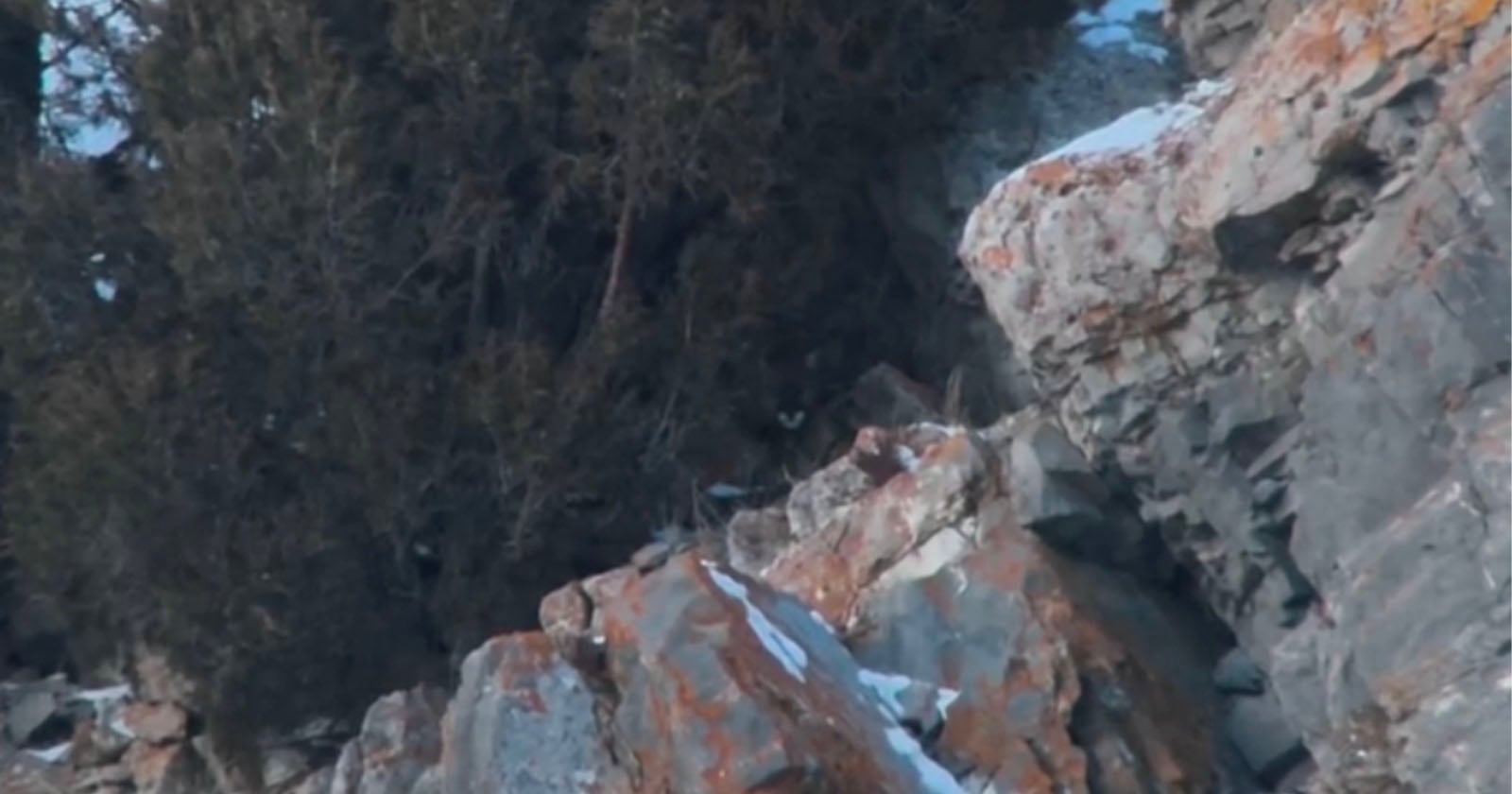
Mountain lions (Puma concolor) are superlative masters of camouflage, their tawny, unpatterned coats providing perfect concealment amidst the varied hues of rock, dried vegetation, and shadows characteristic of their preferred habitats. This evolutionary adaptation is crucial for both ambush hunting and evading detection by other predators or potential threats. The GYE, with its rugged mountains, dense forests, and open sagebrush flats, offers an ideal mosaic of cover for these big cats. Their coloration is not merely a passive defense; it is an active tool in their hunting arsenal, allowing them to stalk prey undetected until the opportune moment. The subtle movements captured in Fabian’s footage, where the cat barely shifts its position while assessing its surroundings, highlight this innate behavioral caution.
In the Greater Yellowstone Ecosystem, mountain lions play a vital ecological role as apex predators, primarily preying on ungulates such as elk and mule deer. These large herbivores form the bulk of their diet, although they are opportunistic hunters and will consume smaller mammals, including rabbits, marmots, and even porcupines, when larger prey is scarce or easily accessible. An adult mountain lion typically requires about 4,000 to 5,000 pounds of meat annually, translating to roughly 20-30 deer or 5-10 elk per year, depending on the size and availability of prey. Their hunting success rates vary, but stealth and surprise are their primary tactics, often involving a short, powerful burst of speed from a concealed position.
The preference of mountain lions for rocky terrain and forested areas is not merely aesthetic; these environments provide essential cover for ambushing prey and for caching their kills. Caching, the practice of covering a carcass with snow, leaves, or dirt, is a strategic behavior to protect their food from scavengers and competing predators. However, this very act can also attract other large carnivores, such as grizzly bears and wolves, leading to inter-species competition and occasional conflicts over resources. The GYE is home to all three of these major predators, making it a dynamic and often competitive landscape for survival. The presence of mountain lions is often considered an indicator of a healthy and balanced ecosystem, as it suggests robust prey populations and intact habitats capable of supporting a full guild of large carnivores.
The Greater Yellowstone Ecosystem itself is one of the last remaining intact temperate ecosystems in the world, encompassing approximately 22 million acres across parts of Wyoming, Montana, and Idaho. It is a mosaic of national parks (Yellowstone and Grand Teton), national forests, wildlife refuges, and private lands, all interconnected and vital for wildlife movement and survival. The National Elk Refuge, established in 1912, is particularly significant as it provides critical winter range for thousands of elk, buffering them against harsh conditions and providing a stable food source. The presence of a mountain lion in this area, while potentially challenging for the elk population, is a natural and expected part of the predator-prey dynamics that define the GYE. Estimates for the mountain lion population within the broader GYE are notoriously difficult to ascertain due to their elusive nature, but conservation efforts focus on maintaining habitat connectivity and managing human-wildlife interactions to ensure stable populations.

From a conservation standpoint, such sightings are invaluable. They contribute to a broader understanding of mountain lion distribution, movement patterns, and habitat use, which are crucial for effective management strategies. Wildlife biologists and researchers often rely on a combination of remote camera traps, GPS collaring, and opportunistic sightings like Fabian’s to piece together the complex puzzle of mountain lion ecology. While formal statements from park officials or wildlife agencies regarding this specific sighting are typically reserved for more significant events or official studies, the general sentiment among these groups would undoubtedly be one of cautious optimism, acknowledging the presence of a healthy, functioning ecosystem. Conservationists would likely reiterate the importance of respecting wildlife, maintaining distance, and supporting habitat preservation efforts.
The implications of such observations extend beyond scientific data collection. They serve to raise public awareness about the rich biodiversity of the GYE and the importance of preserving wild spaces. For ecotourism, expert guides like Billy Fabian play a crucial role, not only in locating these hidden creatures but also in educating visitors about their ecological significance and the principles of responsible wildlife viewing. This firsthand experience fosters a deeper appreciation for nature and can inspire greater support for conservation initiatives. The "Can You Spot the Big Cat" challenges, including previous difficult ones run by PetaPixel featuring an elk being stalked in the Rio Mora National Wildlife Refuge in New Mexico or the even more challenging instances of snow leopards and leopards disappearing in plain sight, underscore a universal truth about nature: many of its most magnificent inhabitants are also its most discreet. These challenges, while entertaining, also highlight the incredible adaptive strategies of these animals and the skill required to observe them.
The enduring mystery surrounding mountain lions, their solitary existence, and their ghost-like ability to move through landscapes undetected continue to fascinate researchers and the public alike. The sighting captured by Billy Fabian in the rugged beauty of Teton County is more than just a remarkable photograph or video; it is a testament to the wildness that still thrives in places like the Greater Yellowstone Ecosystem. It serves as a powerful reminder of the delicate balance of nature and the continuous need for vigilance and respect in our interactions with the natural world. As human populations expand and encroach upon wildlife habitats, understanding and appreciating these elusive predators becomes ever more critical for ensuring their long-term survival and the health of the ecosystems they inhabit. The presence of such a magnificent, wild creature, even if rarely seen, enriches the landscape and reminds us of the profound value of untouched wilderness.