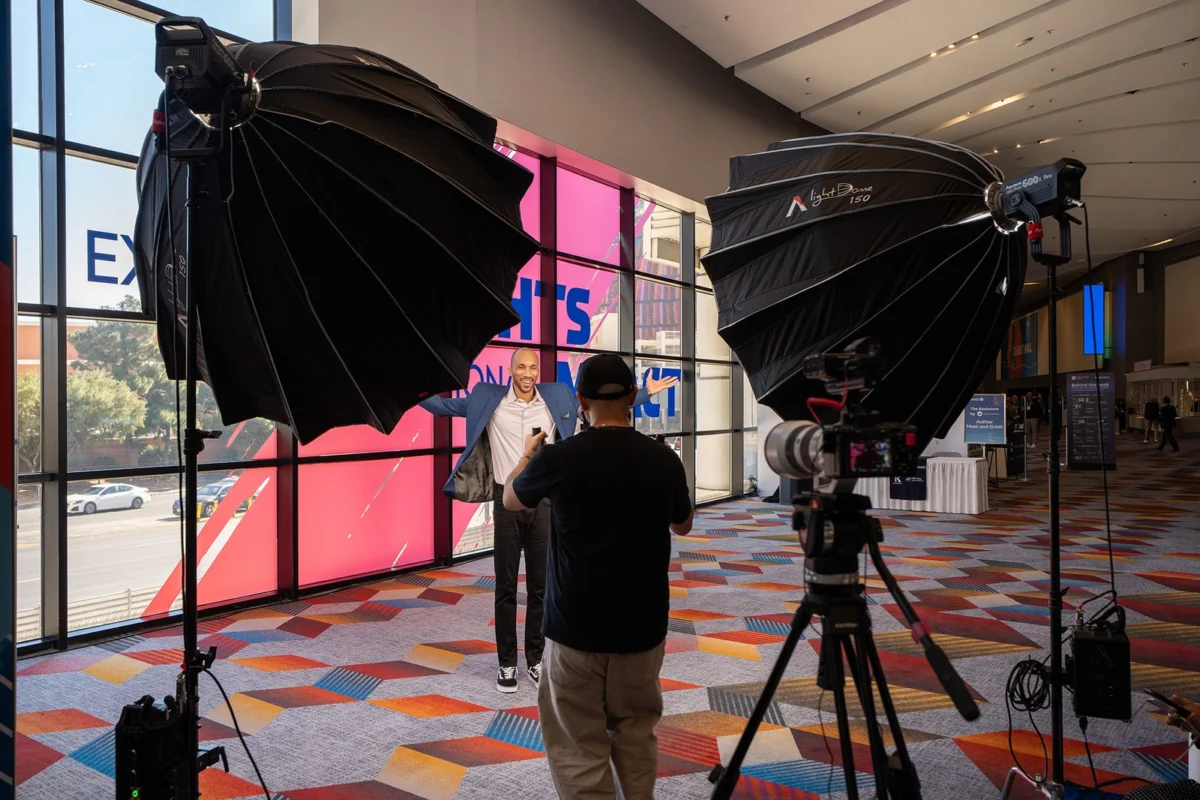
For over a century, the art of motion pictures has evolved dramatically, from early silent films to today’s immersive digital experiences. This rich history has bequeathed filmmakers a vast arsenal of equipment, yet the absence of universal technical benchmarks often leads to inconsistent visual quality that can falter on contemporary high-definition screens. While the sanctity of creative expression remains paramount, allowing artists to pursue unique aesthetics, perhaps even shooting on Super 8mm film if desired, industry standards are increasingly vital to guarantee that content maintains visual integrity and a premium viewing experience across diverse platforms.
The Evolving Landscape of Digital Cinema and the Need for Standards
The transition from celluloid to digital filmmaking, gaining significant momentum in the early 21st century, democratized access to production tools but simultaneously introduced a bewildering array of camera technologies, codecs, and capture formats. In the nascent stages of digital cinema, the market was flooded with devices boasting varying levels of image fidelity, dynamic range, and color accuracy. This fragmentation, while fostering innovation, also presented a significant challenge for content distributors aiming for a cohesive and high-quality catalog. As streaming platforms began to dominate content consumption, the imperative for consistent technical excellence became undeniable. Viewers, accustomed to the pristine visuals offered by modern displays, developed higher expectations, making it crucial for platforms like Netflix to establish clear guidelines to uphold a baseline of quality.
Netflix, a global titan in streaming entertainment, has proactively addressed this challenge by implementing a set of rigorous capture standards that cameras must satisfy to be deemed "Netflix Approved." These seven criteria are meticulously designed to elevate the industry’s image quality benchmark, ensuring that all productions destined for their platform—and, by extension, influencing broader industry practices—adhere to a high level of technical proficiency. While such directives might invite scrutiny from filmmakers prioritizing niche artistic styles or operating under tight budgetary constraints, the underlying intent is unequivocally geared towards delivering an optimal viewer experience. After all, in an era of 4K and HDR, no major distributor wishes to present content filmed at antiquated 480p resolution. These standards serve as a practical framework, safeguarding visual quality without entirely stifling artistic innovation.
Netflix’s Mandate: Ensuring a Premium Viewer Experience
Netflix’s commitment to a superior viewing experience is not merely a preference but a strategic imperative. As a subscription-based service, customer satisfaction hinges significantly on the quality of its content, both in narrative and technical execution. The proliferation of 4K, HDR (High Dynamic Range), and wider color gamut displays in consumer homes means that subpar image capture becomes immediately apparent, detracting from the immersive qualities modern technology offers. By setting these technical standards, Netflix effectively future-proofs its content library, ensuring that productions released today will continue to look excellent on the advanced display technologies of tomorrow. This proactive approach benefits not only the platform but also fosters a higher standard of production across the entire filmmaking ecosystem.
The Seven Pillars of "Netflix Approved" Content
Let’s delve into the seven core requirements that define a "Netflix Approved" camera system, examining the rationale and implications behind each.
1. Resolution: The Foundation of Modern Visuals
The first and arguably most fundamental requirement addresses resolution: a "minimum of 3840 photosite capture width (Spherical)." For content shot with standard spherical lenses and a common 16:9 aspect ratio, this translates precisely to 3840 x 2160 pixels, universally recognized as Ultra High Definition (UHD) 4K. While many contemporary productions aspire to even higher resolutions, such as 6K or 8K, this 4K threshold serves as the non-negotiable floor for Netflix approval. This benchmark reflects the widespread adoption of 4K televisions and monitors in consumer markets, ensuring that viewers receive content optimized for their display capabilities.
The industry’s embrace of UHD has been steady for well over half a decade, meaning that the vast majority of professional and even many advanced prosumer camera systems on the market today effortlessly meet this baseline. However, the requirement is nuanced when considering anamorphic cinematography. Anamorphic lenses, renowned for their distinctive oval bokeh and wider cinematic aspect ratios, optically "squeeze" a broader image onto the camera sensor. This horizontally compressed image is then "de-squeezed" in post-production to achieve the desired widescreen look. Due to this process, anamorphic projects necessitate a higher horizontal resolution at the point of capture to retain equivalent image clarity once stretched. Consequently, not all cameras capable of standard 4K spherical capture are approved for anamorphic work. Netflix provides a dedicated guide outlining cameras specifically vetted for anamorphic capture, underscoring the platform’s meticulous attention to detail in preserving creative intent while upholding technical quality.
2. Codec: Preserving Image Fidelity and Workflow Efficiency
Codec requirements, while appearing technically complex, generally categorize into two primary approaches that most professional camera systems adeptly manage. The first category embraces RAW footage, representing the uncompressed or lightly compressed data directly extracted from the camera’s image sensor. True uncompressed RAW offers unparalleled flexibility in post-production, allowing for extensive manipulation of exposure, color, and white balance without introducing artifacts. However, its prohibitive file sizes can present significant storage and workflow challenges, particularly for large-scale productions. To mitigate this, most leading camera manufacturers have developed proprietary compressed RAW formats, such as REDCODE, Canon Cinema RAW Light, and Apple ProRes RAW. These intelligent compression schemes retain much of the high-end flexibility associated with RAW workflows while substantially reducing file sizes, making them more practical for extensive shooting schedules.
The second codec option mandates an intra-frame-based codec with 4:2:2 chroma subsampling or greater. This specification ensures that the captured footage retains sufficient color information and tonal gradation to facilitate professional-grade color correction and grading in post-production. Chroma subsampling is a technique that reduces the color information in a video signal to save bandwidth, with the ‘4:2:2’ ratio indicating that for every four pixels of luminance (brightness) information, there are two pixels of chrominance (color) information horizontally and vertically. This balance is critical for professional work, as lower ratios (e.g., 4:2:0, common in consumer formats) can lead to noticeable color banding and a loss of subtle color detail, particularly when aggressive color grading is applied. Netflix’s requirement for 4:2:2 or higher guarantees that the visual data is robust enough to withstand the demands of a professional finishing pipeline.
3. Bit Depth: The Spectrum of Color
Closely related to codec specifications, Netflix mandates a color bit depth of 10-bit or higher. Bit depth refers to the number of bits used to define the color of each pixel. In a 10-bit system, each of the primary color channels (red, green, blue) can represent 1,024 different shades. When combined, this allows for over 1.07 billion distinct colors (1024 x 1024 x 1024), a significant leap from the approximately 16.7 million colors (256 x 256 x 256) offered by an 8-bit system.
This increased color resolution is crucial for several reasons. Firstly, it dramatically reduces the likelihood of "banding," a visible stair-stepping effect in gradients where smooth transitions of color or luminance should occur (e.g., in skies or subtle shadows). Secondly, 10-bit color depth is a prerequisite for effectively capturing and reproducing High Dynamic Range (HDR) content. HDR delivers substantially brighter highlights, deeper shadows, and a broader spectrum of colors than standard dynamic range (SDR) content, providing a more lifelike and immersive viewing experience. By requiring 10-bit capture, Netflix ensures that its productions are inherently capable of leveraging the full potential of modern HDR displays, delivering richer colors, superior brightness, and greater contrast to its subscribers.
4. Data Rate: The Flow of Information
The data rate requirement specifies a minimum of 240 Megabits per second (Mbps) at 24 frames per second (FPS). This particular standard often falls into place automatically if the other technical requirements—specifically resolution, codec, and bit depth—are met. A higher resolution, less compressed codec (like RAW or 4:2:2 intra-frame), and greater bit depth inherently demand a higher data rate to store the increased amount of visual information.
The data rate dictates how much data is being written to storage media per second. A sufficient data rate is essential to prevent bottlenecks during recording and ensure that all the rich visual information captured by the sensor is faithfully preserved. Shooting at a data rate below this threshold, especially with high-resolution, high-bit-depth formats, would likely result in dropped frames or the introduction of compression artifacts that compromise image quality. Thus, the 240Mbps minimum serves as a practical safeguard, ensuring that the camera system can efficiently handle the robust data streams required by Netflix’s other quality specifications.
5. Color Space & Transfer Function: Preserving Dynamic Range and Color Fidelity
These two interconnected requirements are critical for preserving the footage’s full dynamic range and color fidelity from capture through post-production.
-
Scene-referred Color Space: Netflix requires the use of a scene-referred color space (e.g., ARRI’s ALEXA Wide Gamut, REDWideGamut, S.Gamut3). A scene-referred color space is designed to capture and represent the entire range of colors and light levels present in the real-world scene, independent of any specific display device. Unlike display-referred color spaces (like Rec.709), which are optimized for specific monitors, scene-referred spaces offer a much broader gamut, ensuring that all captured color information is preserved. This "wide gamut" approach provides maximum flexibility during color grading, allowing colorists to sculpt the final look without running into limitations imposed by a restricted color space.
-
Scene-referred Transfer Function: Similarly, a scene-referred transfer function (e.g., Slog3, Log C, Log3G10, VLog) is mandated. These "log" gamma curves are designed to compress the camera’s wide dynamic range into a format that can be efficiently recorded, while retaining as much highlight and shadow detail as possible. Log footage appears flat and desaturated straight out of the camera, but this is intentional, as it maximizes the information available for grading. In post-production, a Look Up Table (LUT) is applied to transform the log footage into a visually pleasing, display-referred image, preserving the full dynamic range and color captured on set. Together, a wide color space and a log transfer function ensure that the raw camera data holds the maximum possible visual information, empowering filmmakers to achieve their desired aesthetic with robust technical integrity.
6. Timecode: Precision in Post-Production
The final technical requirement focuses on timecode: the camera system must be "capable of jamming to an external source," and timecode "should be written as metadata." Timecode is an essential organizational tool in professional film and television production. It provides a unique, sequential numerical label for every frame of video, crucial for synchronizing multiple cameras, audio recorders, and other production elements. "Jamming" refers to the process of synchronizing a camera’s internal timecode generator with an external master clock, ensuring that all devices on set share an identical time reference. This precision is invaluable for complex shoots involving multiple cameras, external audio recorders, or visual effects work, streamlining the editing and post-production workflow significantly.
While Netflix acknowledges a degree of leniency for non-fiction documentary projects, where spontaneity might sometimes preclude strict timecode adherence, its importance for scripted narratives and large-scale productions cannot be overstated. Proper timecoding acts as the backbone of asset management, allowing editors and post-production teams to efficiently organize, locate, and synchronize footage. Many midrange camera systems may not include an integrated timecode function, but external solutions, such as the Tentacle Sync E Mk II, offer a reliable and widely adopted method to add this crucial capability, making it accessible even to productions with more modest equipment budgets.
The "Netflix Approved" Camera List and its Impact
The specific list of "Netflix Approved Cameras for 2026" provided in the original article — featuring powerhouses like the ARRI Alexa LF, Sony Venice 2 8K, and Canon C500 Mk II, alongside more accessible options like the Sony FX3 and Blackmagic Design URSA Mini Pro — is not static. It represents a dynamic compilation that Netflix regularly updates to reflect advancements in camera technology and evolving production needs. This list serves as a practical guide for filmmakers, rental houses, and camera manufacturers alike.

For filmmakers, it offers clarity, ensuring that their chosen equipment will meet the technical requirements for submission to the platform. For rental houses, it influences inventory decisions, as demand for approved cameras naturally increases. For camera manufacturers, the "Netflix Approved" designation has become a significant marketing asset and a powerful driver of product development. Companies actively design and update their camera systems to meet or exceed these standards, understanding that Netflix’s endorsement can significantly boost sales and market penetration. This creates a positive feedback loop, pushing the industry towards higher technical benchmarks across the board.
Industry Reactions and Broader Implications
The implementation of Netflix’s camera standards has elicited a spectrum of reactions across the filmmaking community and carries broad implications for the industry.
Benefits:
- For Netflix and Viewers: The most immediate benefit is a guaranteed baseline of high-quality content. This consistency enhances the viewer experience, justifying subscription costs and reinforcing Netflix’s brand as a provider of premium entertainment.
- Standardization: The standards have inadvertently created a de facto industry benchmark for digital cinema. Even productions not explicitly aiming for Netflix often find themselves adhering to similar technical specifications, leading to greater interoperability and consistency across the board.
- Technological Advancement: By setting high bars for resolution, color depth, and codecs, Netflix incentivizes camera manufacturers to innovate and develop more capable systems, accelerating the pace of technological progress in digital capture.
- Streamlined Post-Production: Consistent capture formats simplify the post-production workflow, reducing the need for extensive format conversions and ensuring that colorists and editors are working with robust, high-fidelity data.
Challenges and Criticisms:
- Creative Constraints: Some filmmakers argue that strict technical requirements can stifle creative freedom, particularly for those wishing to experiment with unconventional aesthetics or older, less technically advanced equipment for artistic effect. While Netflix allows for exceptions on a case-by-case basis (often for documentaries or specific artistic choices, requiring prior approval), the default expectation remains high.
- Budgetary Pressures: High-end "Netflix Approved" cameras and associated workflows (storage, post-production infrastructure) can be expensive, potentially excluding independent filmmakers or those with limited budgets from submitting content to the platform. This creates a perceived barrier to entry, though the increasing availability of more affordable cameras that meet the standards, such as certain Blackmagic Design models or even prosumer hybrids like the Panasonic S1H, is slowly mitigating this.
- Market Influence: Netflix’s significant market power means its standards exert considerable influence, potentially dictating what equipment filmmakers purchase or rent, and how camera manufacturers design their products. This level of influence, while driving quality, also centralizes control over technical specifications.
Conclusion
Netflix’s comprehensive camera approval standards represent a strategic response to the complexities of modern digital filmmaking and the escalating expectations of a global audience. By meticulously defining requirements for resolution, codec, bit depth, data rate, color space, transfer function, and timecode, the streaming giant aims to ensure a consistently premium visual experience across its vast content library. While these standards inevitably spark debate about the balance between technical excellence and artistic liberty, their profound impact on driving industry-wide quality improvements and influencing technological innovation is undeniable. As the cinematic landscape continues to evolve, these guidelines stand as a testament to the ongoing quest for optimal visual storytelling, ensuring that the magic of motion pictures translates flawlessly onto the screens of tomorrow.