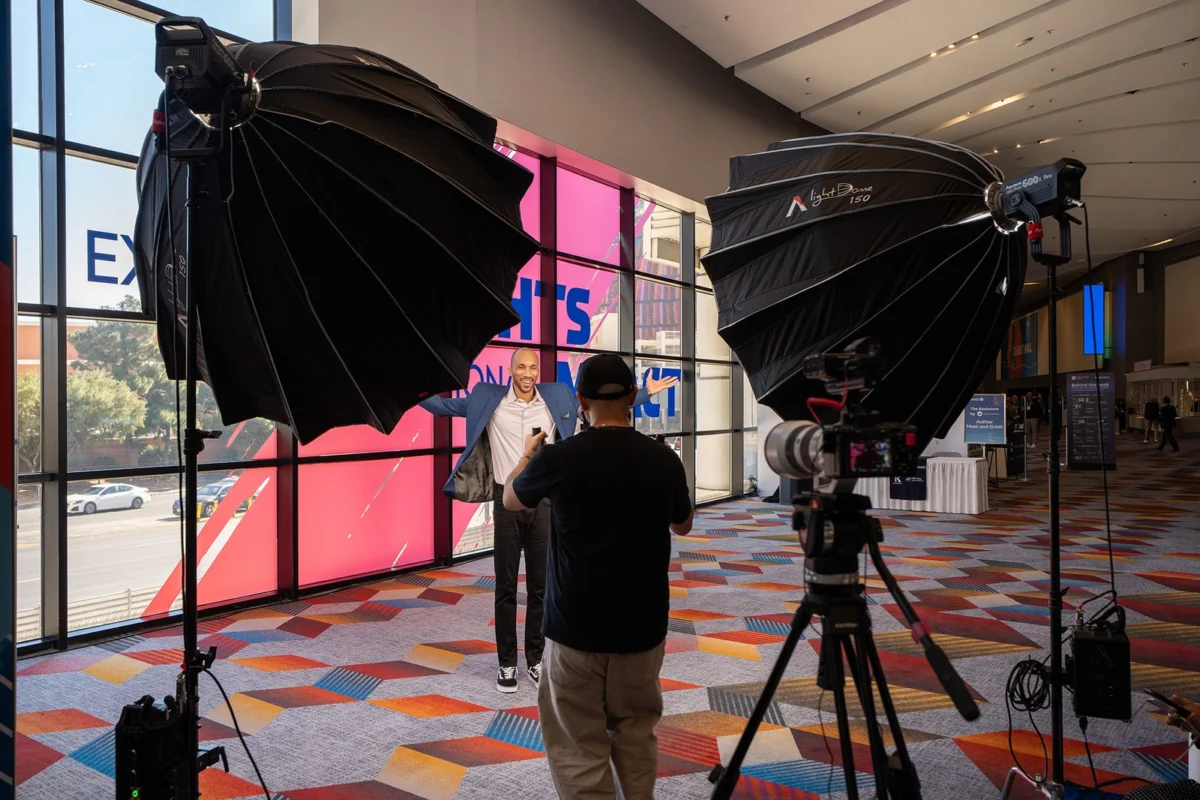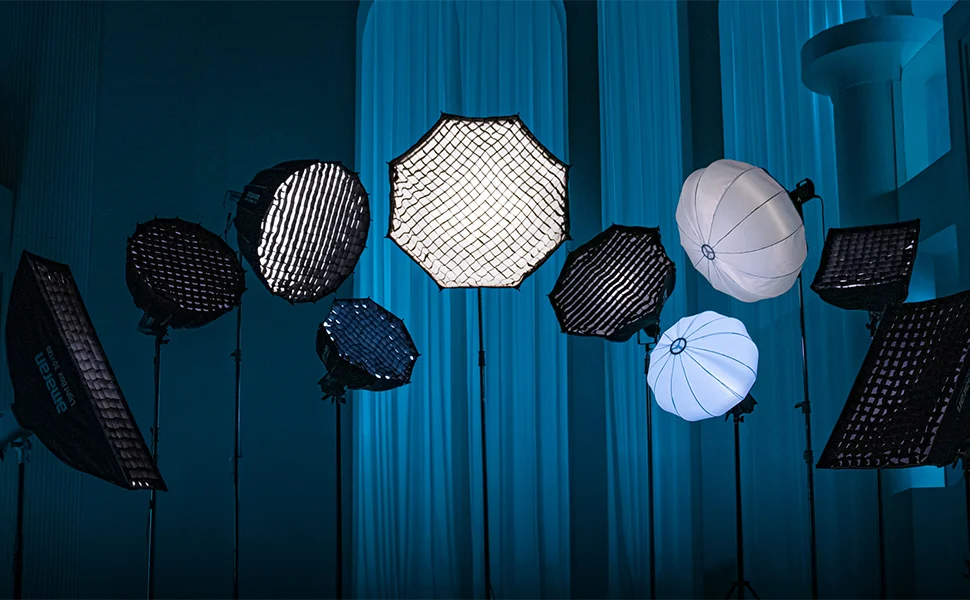
The intricate world of visual storytelling, whether through still photography or dynamic videography, hinges critically on the manipulation of light. Far from being a mere technical detail, lighting is a profound creative tool that shapes mood, defines form, and directs the viewer’s eye. While digital cameras and advanced editing software have democratized access to image creation, the distinction between a snapshot and a meticulously crafted image often lies in a deep understanding and application of three fundamental principles of lighting: Intensity, Quality, and Direction. These pillars are not merely guidelines for studio setups but are universally applicable, influencing the capture of natural light just as much as precisely controlled artificial sources. Industry experts and educators consistently emphasize that proficiency in these three areas transcends the limitations of gear, empowering creators to sculpt visual narratives with unparalleled precision and artistry.
The Ubiquity of Light in Visual Media
In an era dominated by visual content, from professional film productions and commercial advertising to social media feeds and personal vlogs, the demand for compelling imagery has never been higher. The global photography market, for instance, continues to see robust growth, driven by technological advancements and the increasing accessibility of high-quality cameras and lighting equipment. Similarly, the videography sector experiences continuous expansion, with digital content consumption skyrocketing across platforms. Within this dynamic landscape, the ability to control and shape light emerges as a critical differentiator for professionals and aspiring artists alike. It is the language through which depth, emotion, and realism are conveyed, transforming flat scenes into immersive experiences. Without a nuanced grasp of lighting, even the most expensive equipment can yield unremarkable results, underscoring the enduring relevance of these core principles.
Historical Context and Evolution of Lighting Techniques
The principles of lighting have evolved alongside the very history of image-making. From the early days of photography, when natural light was the sole illuminant, pioneers quickly learned to position subjects relative to windows or outdoor conditions to achieve desired effects. The advent of artificial lighting, beginning with magnesium flash powder in the late 19th century and progressing through incandescent lamps, strobes, and modern LED technology, provided unprecedented control. Cinematographers in the golden age of Hollywood meticulously crafted lighting setups to define genres, evoke drama, and highlight the iconic faces of stars. The "three-point lighting" system, a foundational technique employing a key light, fill light, and backlight, directly illustrates the application of intensity, quality, and direction to create dimension and separation. Today, while technology offers more versatile and powerful tools, the underlying principles remain unchanged, proving their timeless utility across different eras and mediums. Contemporary digital artists and filmmakers often blend traditional techniques with cutting-edge digital manipulation, but the core understanding of how light behaves remains the bedrock of their craft.
Intensity of Light: The Foundational "Volume Knob"
The intensity of light, often conceptualized as the "volume knob" of a light source, refers to the sheer quantity of light reaching a subject. This principle directly impacts the exposure of an image, determining its overall brightness or darkness. From a technical standpoint, managing intensity is crucial for achieving correct exposure values (ISO, aperture, shutter speed) and for balancing multiple light sources within a scene.
In a controlled studio environment, photographers and videographers adjust intensity using physical dials or digital controls on strobes and LED panels. These adjustments allow for precise calibration, ensuring subjects are neither overexposed (blown out highlights) nor underexposed (lost shadow detail). For instance, a typical portrait setup might involve a key light at 75% intensity, a fill light at 25% intensity, and a backlight at 50% intensity to create a balanced yet dimensional illumination.
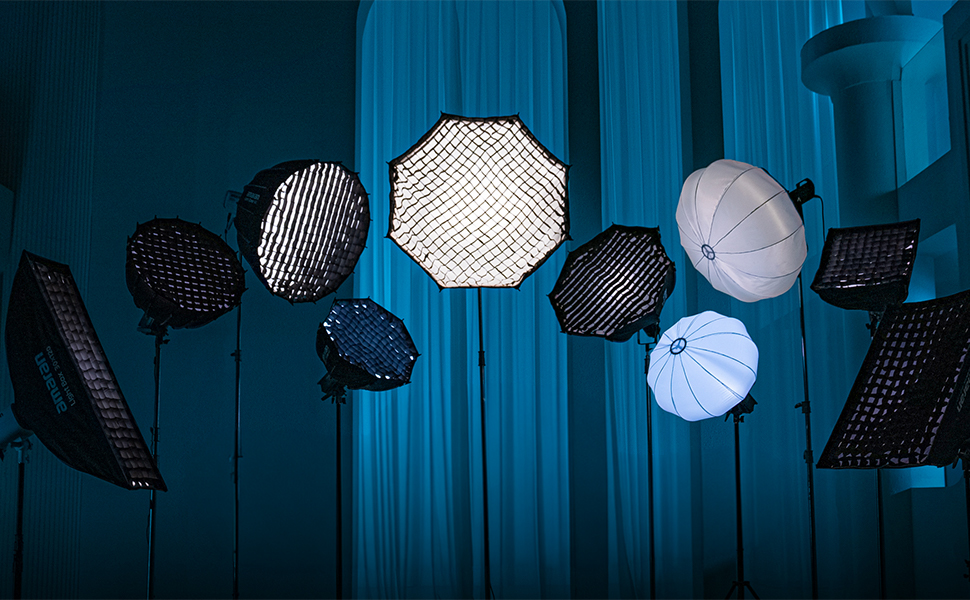
When working with natural light, direct mechanical control over intensity is absent, necessitating alternative strategies. Photographers often employ Neutral Density (ND) filters, which are essentially darkened pieces of glass that reduce the amount of light entering the camera lens without affecting color. This allows for wider apertures in bright conditions to achieve shallow depth of field or longer shutter speeds to create motion blur. Increasing or decreasing the camera’s ISO sensitivity is another method to digitally adjust the camera’s sensitivity to available light, though often at the cost of introducing digital noise at higher settings. While arguably the most straightforward of the three principles to comprehend, precise intensity management is fundamental to achieving technically sound and aesthetically pleasing exposures. Ignoring it can lead to images that are either visually jarring due to extreme brightness or muddied by overwhelming darkness, hindering the overall impact of the visual narrative.
Quality of Light: Shaping the Character and Mood
The quality of light is perhaps the most nuanced and creatively impactful of the three principles, encompassing a broad spectrum of characteristics that define the aesthetic and emotional tone of an image. This principle delves into how light behaves and interacts with a subject, influencing everything from the sharpness of shadows to the perceived texture and color rendition.
A primary distinction within light quality is between hard light and soft light. Hard light originates from a small, concentrated source relative to the subject, producing sharp, well-defined shadows and high contrast. Think of direct sunlight on a clear day or a bare flash head. This quality of light can evoke drama, intensity, or highlight specific textures and contours, often used in fashion photography or for creating a sense of grit in cinematic scenes. Conversely, soft light comes from a large, diffused source, creating gradual transitions from light to shadow, minimal contrast, and a flattering, even illumination. Overcast skies, large softboxes, or diffused window light are classic examples. Soft light is frequently employed in portraiture, beauty photography, and interviews to minimize wrinkles and blemishes, presenting subjects in a more gentle and approachable manner.
Beyond hard and soft, the color temperature of light is a crucial aspect of quality. Measured in Kelvin (K), color temperature describes the warmth or coolness of a light source. Daylight typically registers around 5500K, appearing neutral, while tungsten bulbs hover around 3200K, emitting a warmer, orange hue. Modern RGB (Red, Green, Blue) LED lights offer unprecedented control, allowing creators to dial in virtually any color, opening up vast creative possibilities for mood setting, stylistic effects, and scene differentiation. Matching or intentionally contrasting color temperatures can profoundly affect the emotional resonance of an image. For instance, a cool blue light might suggest mystery or sadness, while a warm golden light could convey comfort or nostalgia.
Furthermore, the specularity and diffusion properties of light modifiers significantly alter light quality. A highly reflective silver umbrella will produce a more specular (shiny, reflective) light with brighter highlights, adding sparkle and punch. In contrast, a soft white umbrella or a large diffusion panel will scatter light more evenly, resulting in a softer, more enveloping illumination. The choice of modifier—whether a parabolic reflector for precise control, an octabox for broad, soft light, or a grid for directional control—is a highly personal decision for many professionals. As evidenced by the frequent complaints when favored modifiers are discontinued, the subtle differences in light quality produced by various tools are deeply appreciated and utilized by those who master this principle. The ability to articulate and intentionally choose light quality is a hallmark of a skilled visual artist, transforming simple illumination into a powerful narrative element.
Direction of Light: Sculpting Form and Depth
The direction of light refers to the placement of the light source relative to the subject and the camera. This principle is arguably the most potent for creating a sense of depth, volume, and three-dimensionality within a two-dimensional frame. It dictates where shadows fall, how contours are emphasized, and ultimately, how a subject is perceived.
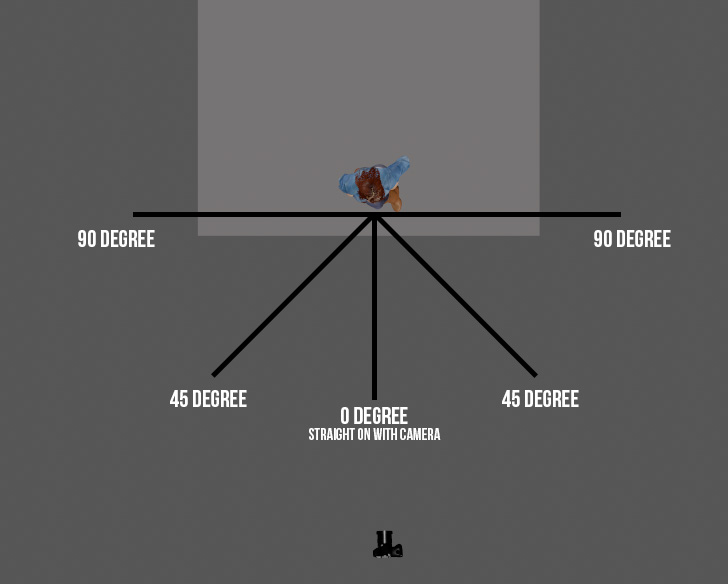
In nature, we are accustomed to light coming from above – the sun, the sky. Consequently, overhead lighting is often considered the most natural and flattering for subjects, as it mimics natural conditions and casts shadows that define facial features and body contours in a familiar way. When light comes from the side (e.g., 45 degrees to the subject), it creates a sense of drama and sculpts the subject, often used in Rembrandt lighting to produce a triangular catchlight in the eye. Backlighting, where the light source is behind the subject, creates a rim of light, separating the subject from the background and adding depth, often used for artistic effect or to emphasize hair and outlines.
Deviating from these conventional directions can lead to striking, albeit sometimes unsettling, results. Underlighting, where the light source is placed below the subject, is rarely seen naturally and can evoke an "uncanny valley" effect, making subjects appear sinister, ghostly, or unnatural. This technique is often intentionally employed in horror films or avant-garde photography to create specific psychological impacts. Similarly, direct frontal lighting can flatten a subject, eliminating shadows and reducing perceived depth, which might be desirable for passport photos but generally avoided for artistic portraiture.
Understanding the direction of light is often described in terms of degrees relative to the subject and camera, allowing for precise communication of lighting setups. A key light at "45 degrees to the subject’s left" and "30 degrees above" provides a clear, actionable instruction for replicating a desired effect. This systematic approach is invaluable in production environments where consistent lighting across multiple takes or shoots is essential. Professional cinematographers meticulously plan their lighting plots, using diagrams and measurements to ensure every frame contributes to the overall visual storytelling, with light direction playing a pivotal role in establishing mood, guiding attention, and revealing character. The strategic placement of light is not merely about illumination; it is about sculpting reality within the frame, giving volume to flat images, and imbuing them with emotional weight.
Broader Impact and Implications for Visual Creators
The mastery of Intensity, Quality, and Direction of light holds profound implications for anyone involved in visual media. For photographers and videographers, it moves their practice from merely recording reality to actively crafting it. This skill set is invaluable across diverse genres, from commercial advertising, where specific lighting can enhance product appeal and brand identity, to documentary filmmaking, where naturalistic yet controlled lighting can evoke authenticity and empathy.
In the competitive landscape of content creation, a deep understanding of these principles provides a significant professional advantage. It enables creators to work efficiently, solve complex lighting challenges on location, and consistently deliver high-caliber work that stands out. Furthermore, it fosters a heightened sense of artistic vision, allowing individuals to translate abstract ideas and emotions into tangible visual forms.
Educational institutions and industry leaders consistently highlight the importance of these foundational principles. Workshops and online courses dedicated to lighting often begin with these three pillars, underscoring their non-negotiable status in the curriculum. As technology continues to evolve, offering new light sources and modifiers, the underlying physics and artistic application of intensity, quality, and direction will remain constant, providing a stable framework for innovation.
Looking ahead, the ability to "read" and "deduce" lighting from existing visual works—be it a classic painting, a cinematic masterpiece, or a contemporary advertisement—becomes the next level of mastery. By dissecting how light has been employed in celebrated works, visual creators can further refine their understanding and expand their own creative lexicon. The ongoing dialogue within the professional community regarding optimal modifiers, innovative setups, and the subtle interplay of these three principles ensures that the art and science of lighting will remain a vibrant and essential domain for all visual storytellers.