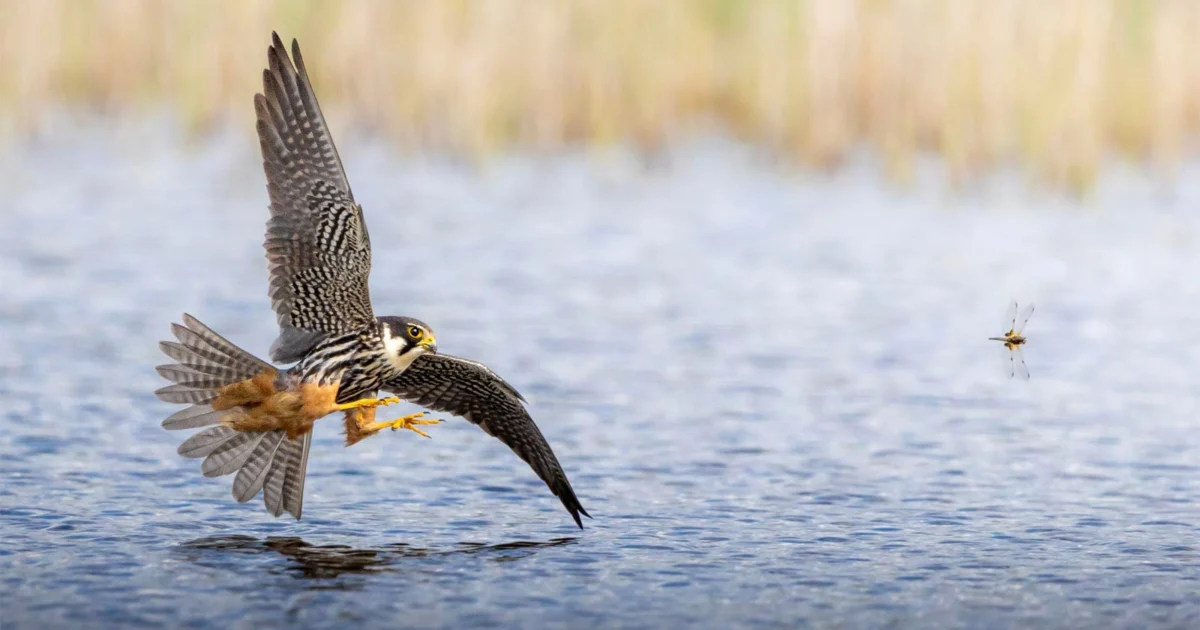
A 17-year-old photographer, Maksym Breus, has achieved national recognition by triumphing over 1,200 other entrants to claim the overall winner title in the prestigious Norfolk Wildlife Trust (NWT) 2026 Nature Photography Competition. His extraordinary capture of a small falcon, known as a hobby, in the precise moment it targeted a dragonfly, has captivated judges and nature enthusiasts alike, embodying an unparalleled blend of patience, skill, and profound understanding of wildlife behavior.
The Pursuit of a "Legendary Shot"
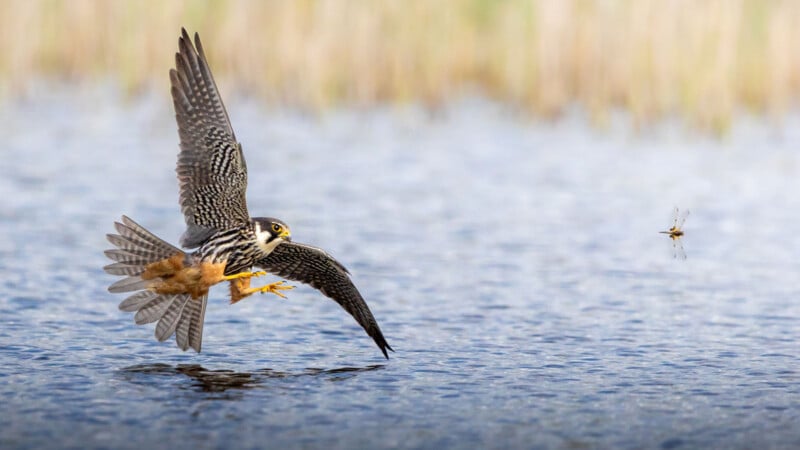
Breus’s winning photograph, an arresting image of a hobby falcon with wings spread wide and talons extended, seemingly "dancing on the surface of the water" at Redgrave and Lopham Fen in Norfolk, England, represents the culmination of a three-year quest. His dedication to securing this "legendary shot" is remarkable for a photographer of any age, let alone a teenager. He invested over 200 hours observing the intricate behaviors of these swift raptors before the opportune moment finally presented itself. The resulting image is not merely a record of an event but a dynamic narrative frozen in time, illustrating the raw elegance and predatory precision of the hobby.
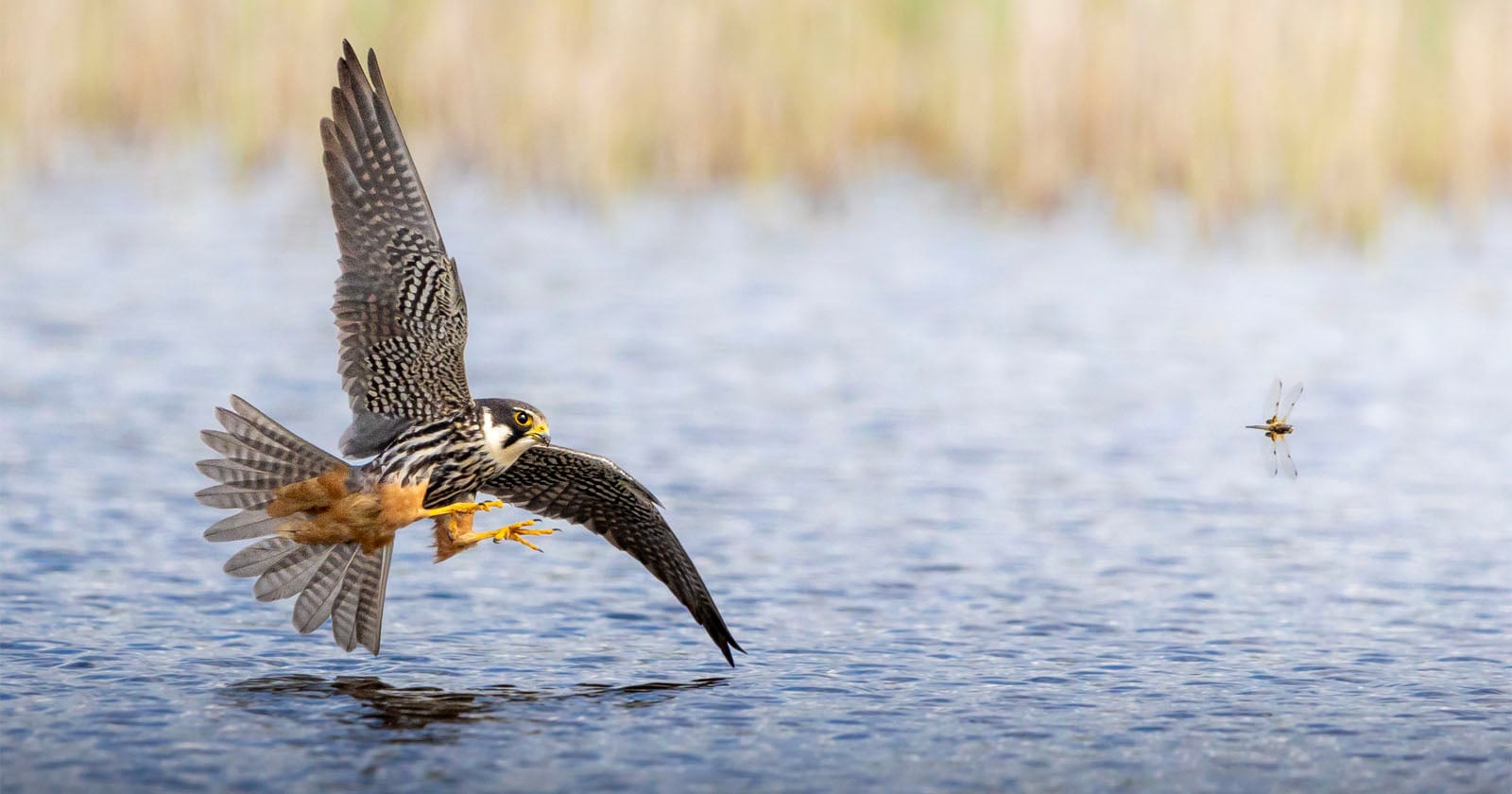
Breus articulated his profound satisfaction with the achievement in a press release, stating, "For three years I’ve attempted to capture a legendary shot of a hobby chasing a dragonfly. After more than 200 hours spent observing, the delight of achieving my dream shot was absolutely indescribable!" His philosophy behind wildlife photography extends beyond mere documentation. "For me, wildlife photography was never just about showing an animal; I want to show people the behaviour, story, and fleeting moments that make each encounter special," he added, underscoring his artistic vision and commitment to narrative storytelling through his lens. This dedication to portraying the essence of wildlife, rather than just its form, resonated deeply with the competition’s ethos.
Understanding the Hobby Falcon and its Habitat
The subject of Breus’s winning shot, the Eurasian hobby (Falco subbuteo), is a small, agile falcon renowned for its aerial hunting prowess. Slightly larger than a kestrel but smaller than a peregrine, hobbies are migratory birds, typically arriving in the UK in late spring and departing in early autumn. They are master aviators, capable of incredible speed and acrobatic maneuvers, primarily preying on large insects like dragonflies, as well as small birds caught in flight. Their hunting technique often involves soaring high and then swooping down with astonishing speed, or, as captured by Breus, skimming low over water bodies to snatch insects.
Redgrave and Lopham Fen, the setting for Breus’s photograph, is a testament to Norfolk’s rich biodiversity. As the largest surviving river valley fen in England, it is a site of Special Scientific Interest (SSSI) and a National Nature Reserve. Managed by the Suffolk Wildlife Trust and the Norfolk Wildlife Trust, these fens are characterized by their unique peatland habitats, fed by natural springs and streams, supporting a diverse array of rare plants, insects, and birdlife, including the hobby falcon. The health of these wetland ecosystems is intrinsically linked to the presence and abundance of species like dragonflies and their predators, making Breus’s photograph not just an artistic triumph but also a subtle commentary on ecological balance.
The Norfolk Wildlife Trust: A Beacon for Conservation
The Norfolk Wildlife Trust (NWT), established in 1926, holds the distinction of being the oldest county wildlife trust in the UK. Its foundational mission revolves around protecting Norfolk’s wildlife and wild places for the future. Through managing over 50 nature reserves, including iconic sites like Cley Marshes and Hickling Broad, NWT plays a critical role in habitat restoration, species protection, and public education. The annual Nature Photography Competition serves as a vital tool in advancing these objectives. By inviting photographers to capture the beauty and drama of Norfolk’s natural world, the competition not only celebrates local talent but also generates public awareness and appreciation for the county’s unique ecosystems. The resulting calendar, featuring the winning images, acts as both a fundraiser and a year-long reminder of the natural heritage NWT strives to conserve.
The 2026 competition attracted a record number of entries, reflecting a growing public engagement with nature photography and the desire to document the diverse flora and fauna of Norfolk. The judging panel faced the challenging task of sifting through hundreds of submissions, each offering a unique perspective on the county’s wildlife. Their selection criteria typically emphasize not only technical excellence and artistic merit but also the ability of an image to tell a story, evoke emotion, or highlight a particular behavior or species.
Beyond the Overall Winner: Showcasing Diverse Talent
While Maksym Breus’s hobby falcon shot earned the top honor, the competition also recognized outstanding talent in other categories, underscoring the breadth of photographic skill and the diverse natural beauty of Norfolk. Twelve winning images were carefully chosen to grace the pages of the NWT’s eagerly anticipated 2027 calendar, ensuring that a variety of species and habitats receive prominence throughout the year.
The Young Person prize was awarded to 16-year-old Tia Pardon for her striking photograph of a little egret. Captured at NWT Hickling Broad, the image features the elegant white bird silhouetted and beautifully backlit by the sun, creating a luminous glow around its form. This shot demonstrates a sophisticated understanding of light and composition, rare for such a young photographer. Little egrets are graceful, medium-sized white herons that have become an increasingly common sight in the UK over recent decades, often found wading in shallow waters of wetlands and estuaries. Hickling Broad, one of the jewels in the crown of the Norfolk Broads, is a vast expanse of reedbeds, fens, and open water, providing critical habitat for a multitude of bird species, including bitterns, marsh harriers, and a significant population of common cranes. Pardon’s image not only showcases the beauty of the egret but also subtly highlights the rich avian life supported by Norfolk’s iconic broads.
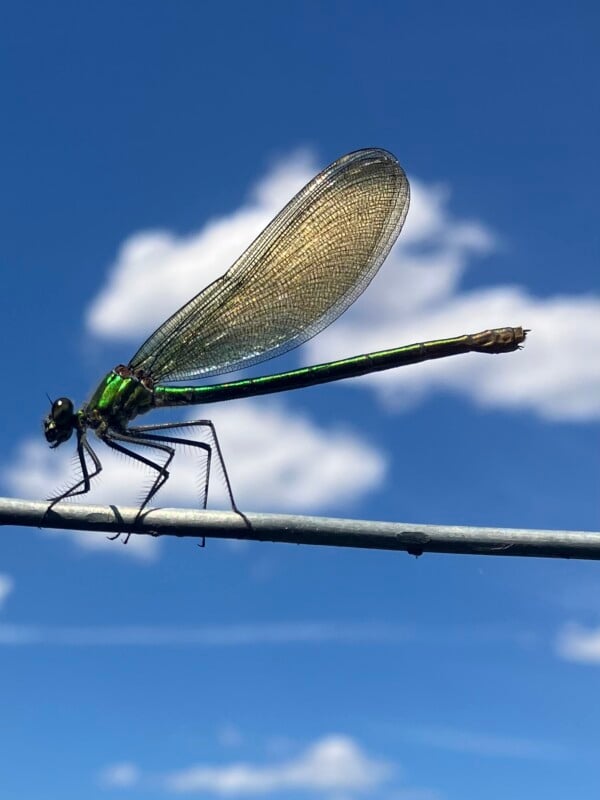
In a nod to the increasing accessibility of photography, the Mobile Phone prize was awarded to Clifford Wicker for his captivating shot of a banded demoiselle damselfly. The image, taken at Ingoldisthorpe Water Recycling Centre, captures the delicate insect resting on a thin wire against a bright blue sky. This category emphasizes that compelling nature photography is no longer exclusively the domain of expensive, specialized equipment. Mobile phones, with their ever-improving camera capabilities, empower a broader demographic to engage with and document the natural world around them. Banded demoiselles are stunning damselflies, easily recognized by the male’s iridescent blue body and dark, banded wings. They are typically found near slow-moving water bodies with lush vegetation, making the often overlooked environs of a water recycling center a surprising yet fitting backdrop for such a delicate creature, illustrating that beauty can be found in unexpected places.
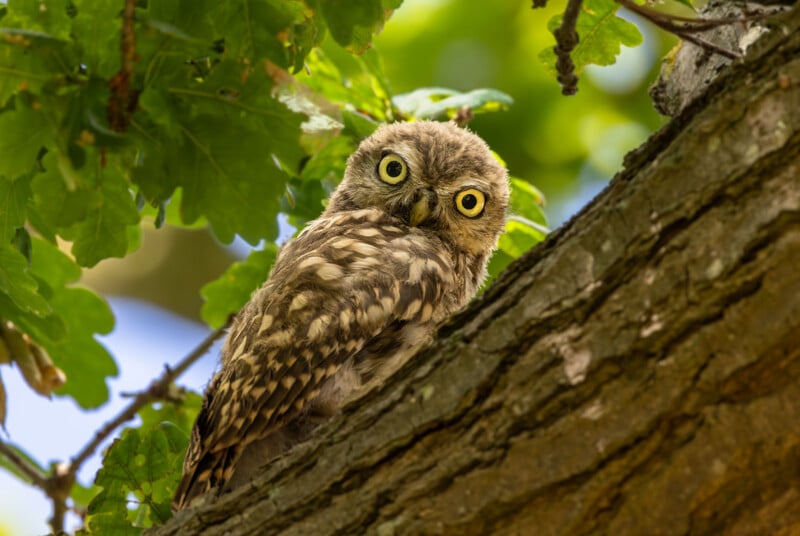
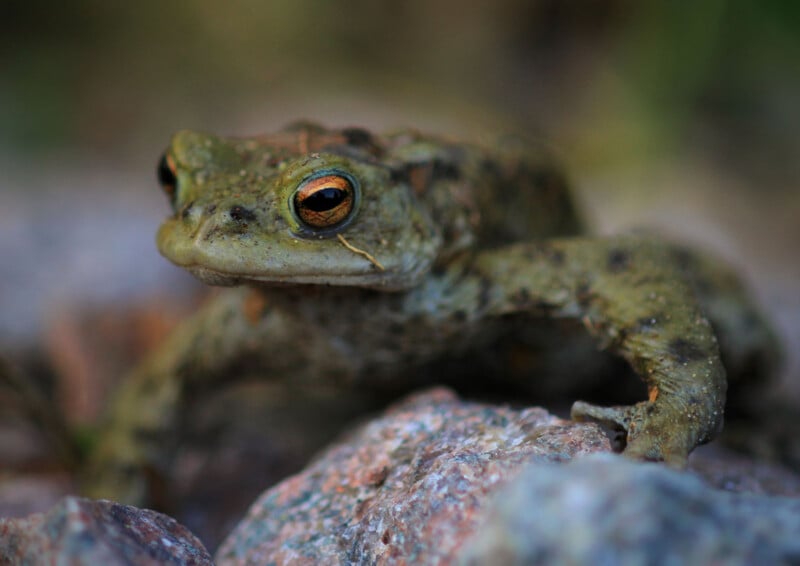
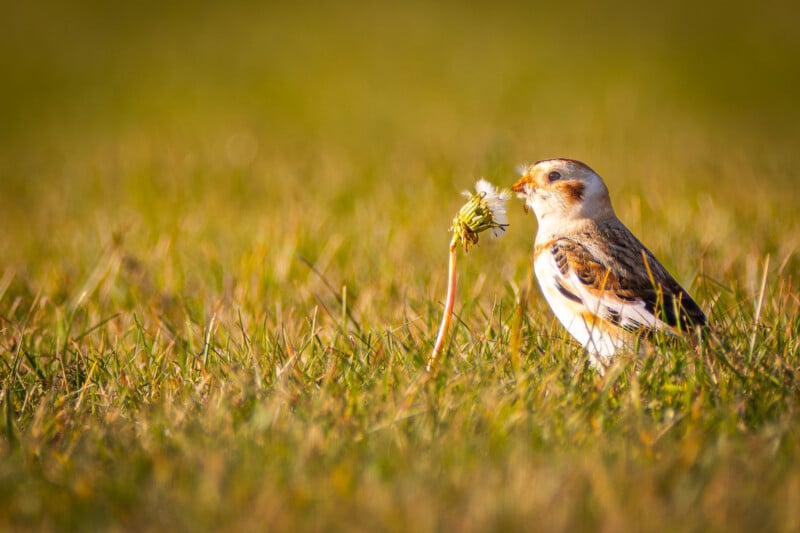
Additional highly commended images included Steph Bornemann’s "Curious young little owl" captured at the University of East Anglia, Alice Redgrave’s "Common toad basking on a rock" from Redgrave Fen, and a "Snow bunting feeding on dandelions" by West Runton. These diverse subjects, ranging from common amphibians to rare winter visitors, further underscore the ecological richness of Norfolk and the observational skills of its photographers.
Official Reactions and Broader Implications
Representatives from the Norfolk Wildlife Trust expressed immense satisfaction with the quality and volume of entries this year. A spokesperson for the NWT commented, "The sheer talent displayed by photographers across all age groups and categories was truly inspiring. Maksym’s winning shot of the hobby falcon is a masterclass in patience and observation, perfectly encapsulating the wild spirit we strive to protect. It serves as a powerful reminder of the incredible wildlife that calls Norfolk home and the dedication required to truly appreciate it." The judges acknowledged the "brilliant array of photographers" that made their selection process both challenging and rewarding.
The competition also serves as a platform for recognizing and nurturing emerging talent. The inclusion of Young Person and Mobile Phone categories highlights the NWT’s commitment to making nature photography inclusive and accessible, encouraging individuals from all backgrounds and with varying equipment to connect with and document their local environment. This approach is crucial for fostering future generations of conservationists and nature advocates.
Exhibition, Prizes, and Calendar Release
As a testament to the winning entries, a free exhibition of the overall winners and highly commended images will be held at NWT Cley Marshes throughout October 2026. This exhibition provides a valuable opportunity for the public to engage directly with the stunning photography and learn more about Norfolk’s wildlife. Cley Marshes, another flagship NWT reserve, is internationally renowned for its spectacular birdlife and coastal habitats, making it an ideal venue for showcasing these images.
The overall winner, Maksym Breus, will receive a prize generously donated by competition sponsor ZEISS, a leading manufacturer of optics and optoelectronics, further validating his achievement with industry-standard recognition. The Young Person and Mobile Photography winners will be awarded gift vouchers, encouraging their continued photographic endeavors.
The highly anticipated 2027 calendar, featuring the 12 selected images, will be available for purchase online and at Norfolk Wildlife Trust visitor centers from late September 2026. The sale of these calendars directly supports the NWT’s vital conservation work across the county, transforming artistic appreciation into tangible environmental action.
The Enduring Power of Wildlife Photography
In an era increasingly dominated by digital media, the art of wildlife photography continues to hold profound significance. Images like Maksym Breus’s hobby falcon shot do more than just entertain; they serve as powerful tools for conservation, education, and inspiration. They draw attention to the delicate intricacies of natural ecosystems, highlighting species that might otherwise go unnoticed and fostering a deeper connection between humans and the natural world. By showcasing the beauty and vulnerability of local wildlife, these photographs inspire a sense of stewardship and encourage active participation in conservation efforts. The success of the NWT’s Nature Photography Competition, particularly the achievements of young talents like Maksym Breus and Tia Pardon, underscores the enduring power of the photographic lens to illuminate, educate, and ultimately, protect our planet’s precious biodiversity.