Historical Context and Market Evolution
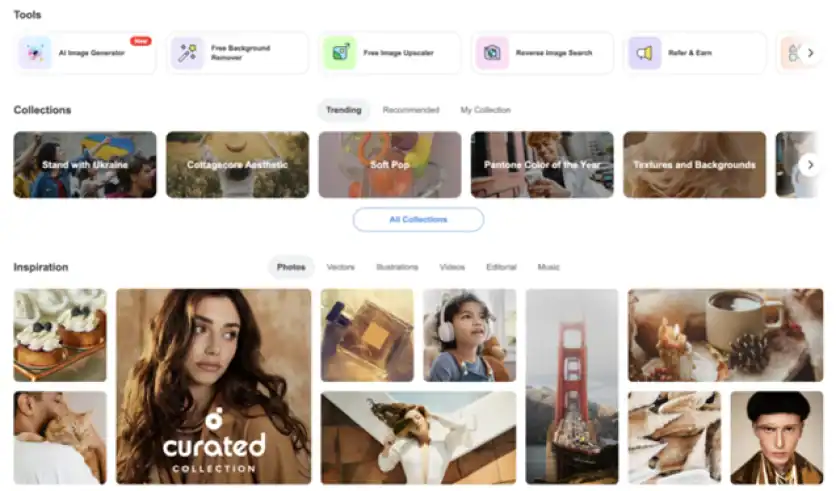
Founded in 2009 by Dmitry Sergeev in Kyiv, Ukraine, Depositphotos entered a market already dominated by established giants like Getty Images and Shutterstock. Despite the competition, the agency carved out a significant niche by focusing on high-quality, affordable microstock content and an aggressive expansion strategy. Over the last fifteen years, the company has grown its library from a few thousand images to over 300 million files, encompassing photos, vectors, videos, and music.
A pivotal moment in the company’s history occurred in October 2021, when it was acquired by Cimpress (the parent company of VistaPrint) for approximately $85 million. This acquisition integrated Depositphotos into the "Vista" ecosystem, rebranded as VistaCreate. This transition marked a shift from a standalone Ukrainian startup to a subsidiary of a multi-billion-dollar, publicly traded American corporation. For users concerned with safety, this corporate backing provides a layer of institutional stability and accountability that many smaller, independent stock sites lack.
The Legal Framework: Licensing and Indemnification
The primary safety concern for stock image users is not technical but legal. Using an image without the proper rights can lead to "copyright trolling" or legitimate lawsuits that cost thousands of dollars. Depositphotos mitigates this risk through a rigorous licensing structure.

Standard vs. Extended Licenses
Depositphotos operates primarily on a Royalty-Free (RF) model. This does not mean the images are free of charge, but rather that once a license is purchased, the user does not have to pay ongoing royalties for continued use. The platform offers two main types of licenses:
- Standard License: This covers the majority of digital and print uses, including websites, advertising, social media, and packaging, provided the print run does not exceed 500,000 copies and the image is not used for items intended for resale.
- Extended License: This is required for unlimited print runs and for "products for resale," such as t-shirts, mugs, or digital templates where the image is the primary value of the product.
Legal Indemnification
Perhaps the most critical safety feature of Depositphotos is its legal guarantee. The platform provides indemnification to its users, meaning if a user is sued for copyright infringement while using an image within the terms of their license, Depositphotos provides financial protection. For Standard Licenses, this protection typically covers up to $10,000, while Extended Licenses can offer coverage up to $50,000 or more depending on the specific agreement. This commitment signals that the agency is confident in its vetting process for contributors and content.
Technical Security and User Protection
Beyond legal safety, the platform employs industry-standard technical measures to protect user data and financial transactions.
Data Encryption and Payment Safety
Depositphotos utilizes SSL/TLS encryption for all data transmissions, ensuring that personal information and payment details remain confidential. The platform is PCI DSS compliant, adhering to the security standards required for handling credit card information. Furthermore, the site supports secure third-party payment processors, including PayPal and major credit card networks, which offer their own layers of fraud protection.

Contributor Vetting
To ensure the safety of the assets themselves—meaning they are original works and not stolen content—Depositphotos maintains a strict contributor onboarding process. New contributors must submit a portfolio for review and provide valid government-issued identification. Every asset uploaded to the platform undergoes a manual or AI-assisted moderation process to check for quality, copyright compliance, and the presence of necessary model and property releases.
The Impact of AI on Stock Media Safety
The rise of Generative Artificial Intelligence (AI) has introduced new complexities to the stock photography market. In response, Depositphotos has integrated AI tools while maintaining a focus on legal safety. Unlike some platforms that allow unvetted AI-generated content, Depositphotos has sought to implement ethical AI practices.
In late 2023, the platform introduced its own AI image generator, which is trained on a "clean" dataset of the platform’s own licensed library. This approach is designed to ensure that AI-generated images do not infringe on the intellectual property of external artists, a common legal hurdle for other generative tools. By controlling the training data, Depositphotos provides a safer environment for users who wish to experiment with AI-generated visuals without the risk of "style theft" or copyright claims.
Comparative Market Analysis
When compared to its primary competitors—Shutterstock, Adobe Stock, and iStock—Depositphotos is often viewed as the more budget-friendly alternative that does not sacrifice legal security.

| Feature | Depositphotos | Shutterstock | Adobe Stock |
|---|---|---|---|
| Library Size | 300M+ | 450M+ | 350M+ |
| Primary Pricing | Subscriptions & On-Demand | Subscriptions & On-Demand | Subscriptions & Credits |
| Indemnification | Yes ($10k – $50k+) | Yes ($10k – $250k+) | Yes (Varies) |
| Key Advantage | Cost-effectiveness | Sheer Volume | Integration with Creative Cloud |
Industry analysts note that while Shutterstock may have a larger absolute volume of content, Depositphotos’ curation process often leads to a higher "usability" rate for small to medium-sized enterprises (SMEs). The platform’s 24/7 customer support, available in 26 languages, further enhances its safety profile by providing immediate assistance for licensing queries or technical issues.
Chronology of Key Safety and Growth Milestones
- 2009: Launch of Depositphotos in Kyiv.
- 2011: Introduction of the "Clashot" app, pioneering mobile stock photography with verification protocols.
- 2013: Reached 10 million files; implemented enhanced manual moderation.
- 2017: Launched "Enterprise" solutions with customizable legal indemnification limits.
- 2021: Acquisition by Cimpress; integration with VistaPrint’s global security infrastructure.
- 2022: Despite the conflict in Ukraine, the company maintained 100% uptime and operational safety by migrating servers to global cloud infrastructures.
- 2023: Launch of the ethically sourced AI Image Generator.
User Experiences and Industry Reputation
Data from consumer review platforms like Trustpilot and G2 suggests a high level of user confidence. Depositphotos consistently maintains ratings above 4.0 out of 5 stars. Positive reviews frequently cite the "peace of mind" regarding licensing as a primary reason for choosing the platform over free "Creative Commons Zero" (CC0) sites like Unsplash or Pexels.
Free image sites, while popular, do not offer model releases or legal indemnification. A business using a free image of a person might find themselves liable if that person did not actually consent to the use of their likeness for commercial purposes. Depositphotos eliminates this "hidden" danger by requiring model releases for every recognizable person in their commercial library.
Broader Implications for the Creative Industry
The continued success and safety record of Depositphotos have broader implications for the creative gig economy. By providing a secure marketplace, the platform enables over 100,000 contributors to monetize their work while protecting the end-users from legal jeopardy. This "safe middleman" role is essential for the stability of the digital marketing industry.

Furthermore, the platform’s resilience during the geopolitical instability in its home country of Ukraine demonstrated the robustness of modern, decentralized tech companies. By prioritizing the safety of both their staff and their digital assets, Depositphotos maintained the trust of its 43 million clients worldwide during a period of extreme volatility.
Final Assessment: Is It Safe?
From a journalistic and analytical perspective, Depositphotos is categorized as a "Tier 1" stock media agency. Its safety is established through three distinct pillars:
- Corporate Legitimacy: Backed by Cimpress, a publicly traded entity.
- Legal Security: Clear royalty-free licenses backed by financial indemnification.
- Technical Integrity: Robust encryption, strict contributor vetting, and ethical AI development.
While no digital platform is entirely without risk, Depositphotos operates at the highest industry standards for security and legal compliance. For professionals who require high-quality visuals for commercial use, the platform offers a secure and legally sound environment that significantly reduces the risks associated with digital content sourcing. The consensus among industry experts is that Depositphotos is not only safe but is a vital component of a secure creative workflow in 2025 and beyond.