The evolution of mobile imaging technology has transformed the smartphone from a simple communication device into a sophisticated tool for artistic expression, with the iPhone leading a significant paradigm shift in the world of digital photography. As of 2024, industry data suggests that over 90% of all digital photographs are captured via mobile devices, a trend that has necessitated a more profound understanding of composition, lighting, and subject engagement among amateur and professional photographers alike. To elevate standard mobile photography into the realm of professional portraiture, photographers must move beyond the default settings and embrace creative techniques that leverage both the hardware’s capabilities and the timeless principles of visual art.
The Technical Foundation of Mobile Portraiture
The rise of "iPhoneography" is not merely a result of convenience but a consequence of massive advancements in computational photography. Since the introduction of the dual-lens system on the iPhone 7 Plus in 2016, Apple has consistently refined its Portrait Mode, which utilizes depth-mapping technology to simulate the shallow depth of field traditionally associated with high-end DSLR cameras. However, technical hardware is only one component of a compelling image. To capture truly interesting portraits, one must master the interplay between light, shadow, and human emotion.
1. Harnessing High-Contrast Light for Cinematic Drama
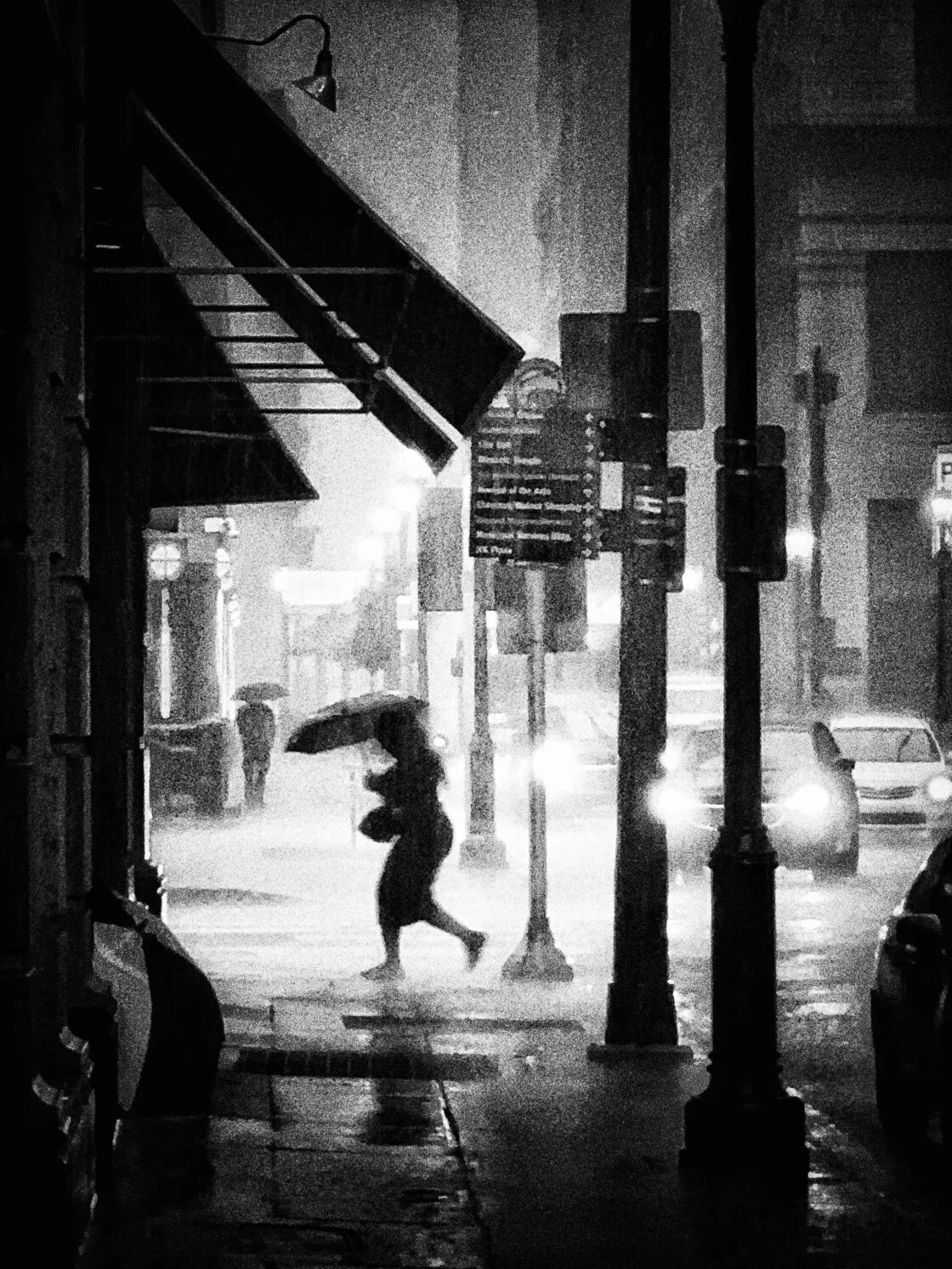
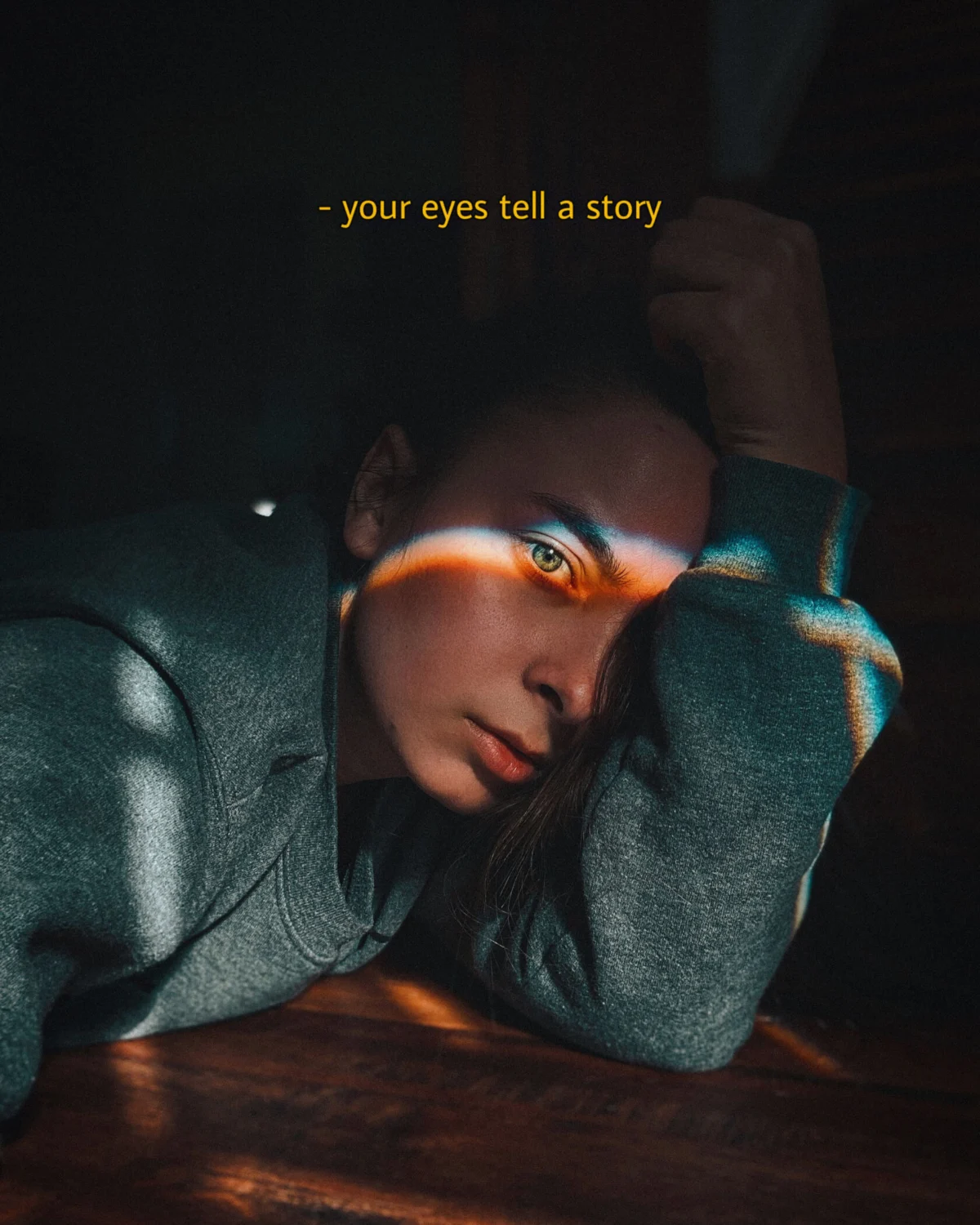
High-contrast lighting, often referred to in classical art as chiaroscuro, involves the strategic use of strong tonalities between light and dark. In a journalistic or artistic context, this technique adds a layer of mystery and gravity to the subject. To achieve this on an iPhone, the photographer must seek environments where a single, dominant light source creates defined shadows.
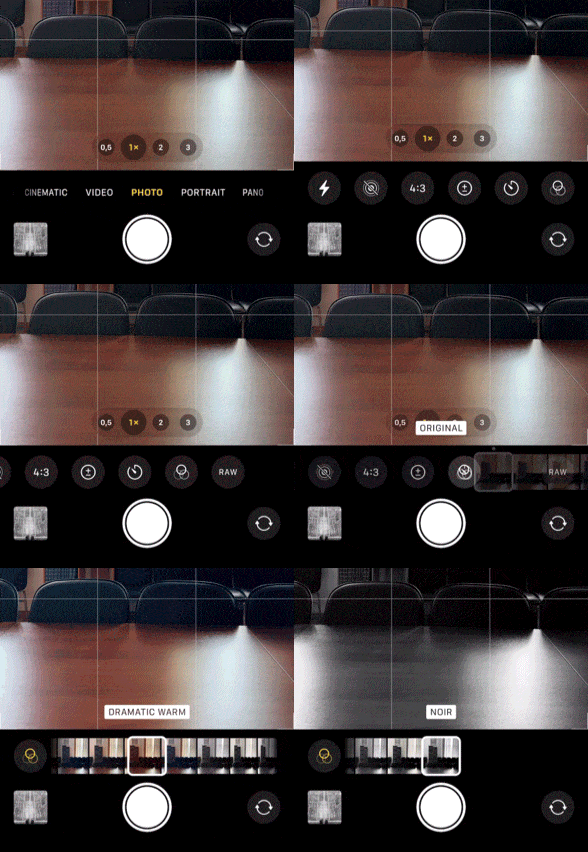
On a clear, sunny day, the transition between direct sunlight and the shadow of a building provides a natural "cut" in the light. By positioning a subject at this threshold, the photographer can illuminate specific facial features while allowing others to recede into darkness. The technical execution requires the user to tap the subject’s face on the iPhone screen to lock focus and then manually adjust the exposure slider—represented by a sun icon—downward. This process ensures that the highlights remain detailed while the shadows deepen into a rich, dramatic black. Analysts in the photography industry note that high-contrast images often perform better on visual-centric social media platforms due to their high "stop-power" and graphic nature.
2. Implementing Creative Light Patterns and Gobos
Beyond simple light and shadow, the introduction of patterns can transform a flat portrait into a textured masterpiece. In professional studio settings, photographers use "gobos" (go-betweens) to project patterns onto subjects. iPhone users can replicate this effect using environmental elements.
Indoor settings offer opportunities through window blinds, lace curtains, or beveled glass, which refract light into intricate geometric shapes. Outdoors, the dappled light filtering through tree canopies or the repetitive lines of a picket fence serve as natural modifiers. For a more avant-garde approach, household objects such as kitchen strainers or slotted spoons can be held between the light source and the subject to cast unique shadows across the face. This technique requires precise exposure management; the goal is to prevent the "blowing out" of skin tones where the light hits directly, a common pitfall in mobile sensors with limited dynamic range compared to full-frame sensors.
The Evolution of Posing and Subject Interaction
The history of portraiture shows a clear transition from the rigid, formal poses of the 19th-century daguerreotypes to the fluid, candid styles of the modern era. For an iPhone portrait to stand out, the photographer must act as a director, guiding the subject through poses that convey intentionality rather than discomfort.
3. Dynamic Posing and Perspective Shifts
Traditional eye-level portraits are often perceived as documentary or clinical. To inject energy into a photo, experts suggest three primary posing shifts:
- Manual Framing: Encouraging the subject to use their hands to frame their jawline or eyes creates a "picture within a picture," guiding the viewer’s gaze directly to the subject’s expression.
- The Sensual Tilt: Asking a subject to tilt their head back slightly while placing a hand on the neck can evoke a sense of vulnerability or confidence, depending on the facial expression.
- The Low-Angle Hero Shot: By physically lowering the iPhone—often turning it upside down so the lens is closer to the ground—the photographer can create a "heroic" perspective. Using the wide-angle lens (0.5x or 1x) from a low vantage point elongates the subject’s limbs and provides a sense of dominance and scale.
4. Evoking Mood Through Movement and Expression
A "dreamy" or ethereal mood is a highly sought-after aesthetic in contemporary portraiture. This is achieved through a combination of soft facial expressions and physical motion. The iPhone’s "Burst Mode" is an essential tool here. By capturing ten frames per second, the photographer can record the exact moment a piece of fabric, such as a silk scarf or a flowing dress, reaches its most aesthetically pleasing point of descent.
From a psychological perspective, a subject with closed eyes or a relaxed, "thousand-yard stare" invites the viewer into a more contemplative space. When combined with elegant arm placements—such as hands raised softly above the head—the resulting image transcends the "snapshot" category and enters the realm of fine art.
Narrative Elements and Environmental Context
In a 2023 survey of professional photographers, 78% agreed that storytelling is the most critical element of a successful portrait. A portrait is not just a map of a person’s face; it is a narrative of their identity or a specific moment in time.
5. Multi-Subject Composition and Depth of Field
Posing two or more people requires an understanding of compositional balance. To avoid the "standard group photo" look, photographers should experiment with varying depths. Placing one subject in the foreground and another in the background allows the iPhone’s Portrait Mode to apply artificial bokeh (blur) to the person not in focus, creating a sophisticated, cinematic layer. For siblings or couples, "partial framing"—where only half of each person’s face is visible at the edge of the frame—creates a powerful visual metaphor for connection and shared identity.
6. The Strategic Use of Props
Props serve as the vocabulary of a visual story. A book, a vintage camera, or a simple coffee cup can immediately establish the setting and the "character" of the subject.
- Flowers: Often used to symbolize growth, romance, or fragility.
- Vintage Items: Old vehicles or period-accurate clothing can transport the viewer to a different era, a technique frequently used in editorial fashion photography.
- Abstract Props: Blindfolds or unusual textures can be used to represent internal emotional states, such as isolation or introspection.
7. Wardrobe Styling and Color Theory
The impact of clothing on a portrait cannot be overstated. Professional stylists often utilize color theory to ensure the subject either harmonizes with or stands out from their environment.
- Harmonious Styling: Wearing earth tones (greens, browns, beiges) in a forest setting creates a peaceful, integrated look.
- Complementary Contrast: A subject wearing a vibrant red dress in a lush green field utilizes complementary colors (opposites on the color wheel) to create a striking, high-energy image.
- Textural Depth: Soft wools and knits emphasize coziness and warmth, whereas sequins and metallics suggest glamour and nightlife.
Industry Analysis and Future Implications
The democratization of high-quality portraiture through the iPhone has significant implications for the professional photography industry. While some purists argue that mobile devices lack the sensor size of traditional cameras, the gap is narrowing. The introduction of ProRAW on iPhone 12 Pro and subsequent models allows photographers to capture much higher levels of data, enabling professional-grade post-processing.
Market analysis suggests that as AI integration continues to evolve within iOS, the iPhone will soon be able to simulate complex studio lighting setups with near-perfect accuracy. This shift is empowering a new generation of "mobile-first" creators who prioritize agility and storytelling over heavy equipment.
The ability to capture compelling portraits is no longer gatekept by expensive gear but is instead determined by the photographer’s mastery of light, their ability to connect with their subject, and their willingness to experiment with perspective. By implementing these seven techniques, iPhone users can transform their mobile device into a powerful engine for artistic and narrative portraiture, proving that the best camera is indeed the one that is always with you.