The undertaking of transforming a beloved animated epic into a live-action series is fraught with peril, a challenge Netflix embraced head-on with its adaptation of One Piece. The announcement of a live-action rendition of Eiichiro Oda’s globally adored, record-breaking manga and anime sent ripples of both excitement and skepticism through its massive fanbase. One Piece, celebrated for its sprawling narrative, fantastical world-building, and iconic characters, posed monumental hurdles for any live-action interpretation, demanding an unprecedented balancing act of fan expectations, logistical complexities involving a crew of 400 to 500 individuals, and the creation of a fantastical yet tangible world.
A Commitment to Authenticity: Practicality Over Digital
In a significant departure from common industry practices that often lean heavily on soundstages and digital environments, Netflix and the production team for One Piece made a strategic pivot towards practical effects and on-location filming. This decision was not merely an aesthetic preference but a foundational choice to imbue the series with a sense of authenticity crucial for its high-seas pirate adventures. The commitment translated into an intensive seven-month shoot predominantly in South Africa, necessitating custom anamorphic lenses built by Hawk, and a production schedule meticulously organized around natural light cycles, a methodology reminiscent of classic filmmaking eras. This approach resonates deeply with a growing sentiment among creators across the industry, highlighting a shift away from over-reliance on purely digital solutions, a trend keenly observed at events like Dream Con.
Each year, Lensrentals.com strategically selects conventions to engage directly with its client base, traditionally attending industry staples such as NAB, WPPI, and ImagingUSA. This year, the addition of Dream Con in Houston—a vibrant hub for anime, gaming, cosplay, television, and film enthusiasts—offered a unique perspective. There, Lensrentals representatives encountered a community of creators who, despite lacking the substantial budgets of a Netflix production, were actively pursuing the same high-fidelity, immersive storytelling techniques pioneered by the One Piece crew. A recurring pattern emerged from these interactions: independent creators prioritize owning their camera bodies, viewing them as central to their creative identity and a significant investment. However, for specialized tools that elevate a project, such as high-quality glass, streaming equipment, and advanced accessories, rental emerged as the preferred, financially pragmatic solution. The demand was not for basic camera bodies that could be purchased, but for the sophisticated lenses that truly unlock a camera’s potential and define a project’s visual signature.
The Intrinsic Challenges of Adaptation: From Animation to Reality
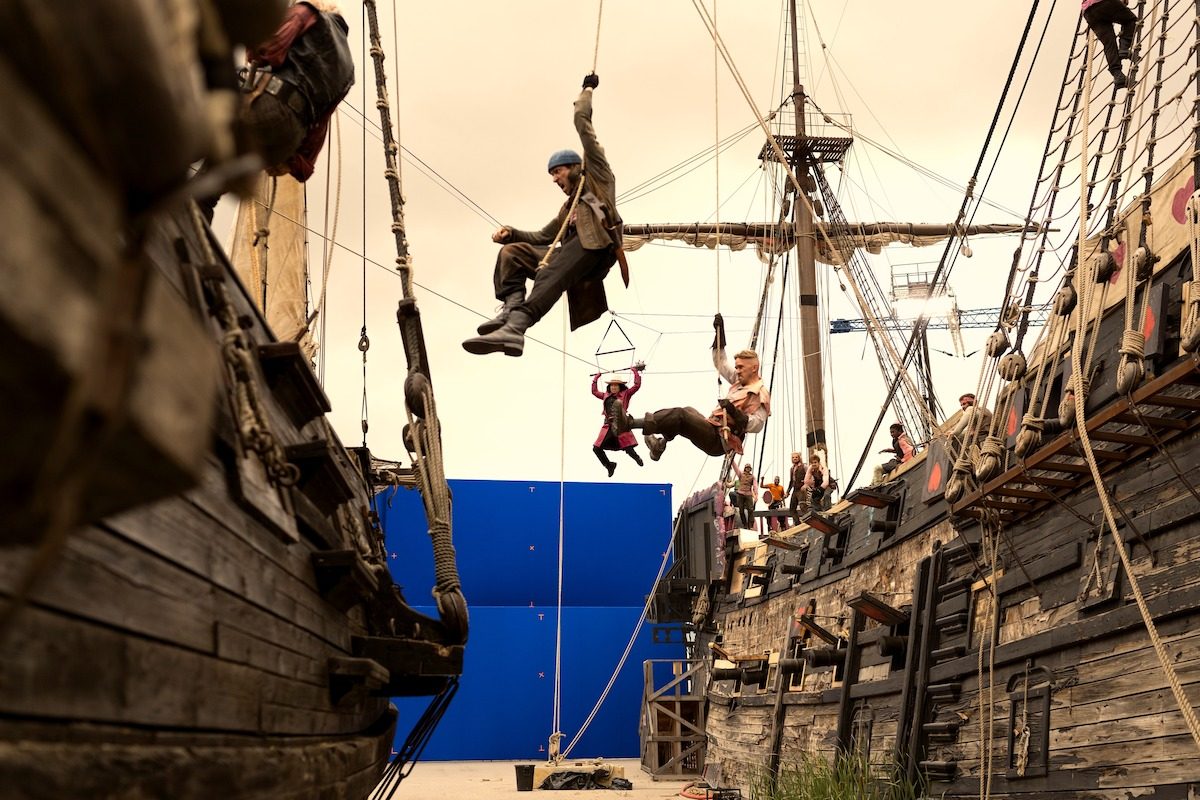
The creative processes behind anime production and live-action adaptation are inherently distinct. Anime, bound only by the limits of imagination and artistic skill, allows for unfettered storytelling where any concept, no matter how fantastical, can be brought to life through illustration. Live-action, conversely, operates within the tangible constraints of physical reality, requiring pre-approved considerations for camera capabilities, available locations, and special effects budgets. One Piece‘s narrative, with its numerous maritime settings and fantastical island environments, amplified these challenges. Netflix’s decision to pursue practical effects and on-location filming for a pirate-themed anime, where many sets are designed for the open sea, was therefore an extraordinary act of creative ambition.
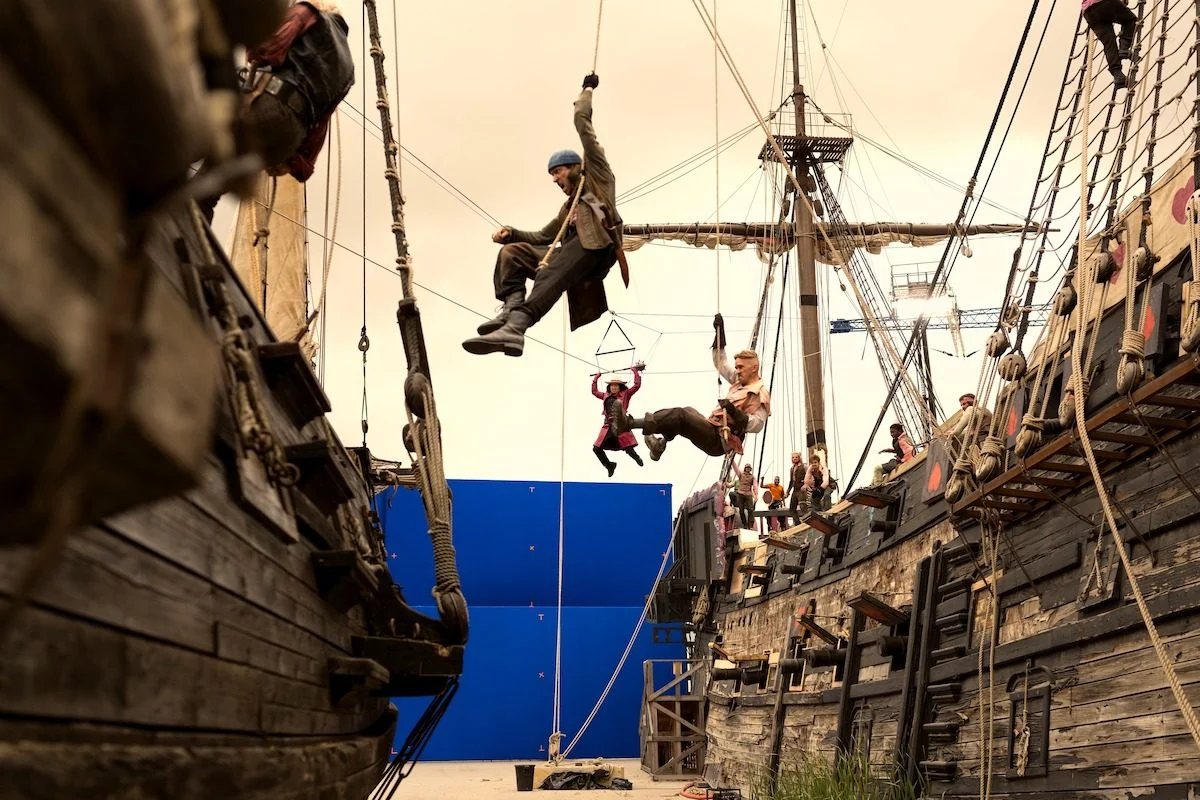
The production of One Piece in South Africa was a monumental undertaking, employing a vast crew of 400 to 500 individuals dedicated to constructing intricate sets, identifying suitable locations, and managing the complexities of filming. Utilizing real ships for on-water sequences meant contending with the unpredictable elements. Director of Photography Nicole Hirsch Whitaker, in an interview with Buzz magazine, elaborated on these practical hurdles: "Available daylight is always an issue, and not being able to rotate the ships. We had very big rigs, and it’s windy in South Africa! It took some time to work out how to make it all look really good, but with a great crew, we learned to schedule things around the sun." This commitment to working with, rather than against, the natural environment underscored the production’s dedication to realism, even within a fantasy setting.
A Protracted Production Timeline and Swift Success
Such an ambitious approach inevitably led to an extended production timeline. Initially announced in 2020, the first season of One Piece finally premiered in August 2023, following an intensive filming period of approximately seven months. The series’ impressive debut, marked by strong viewership and positive critical reception, quickly solidified Netflix’s gamble. Just two weeks after its premiere, One Piece was officially renewed for a second season, a testament to its immediate success and the resonance of its production philosophy with both fans and critics. This rapid renewal is a strong indicator of the show’s impact, demonstrating that a commitment to quality and authenticity can yield significant returns even for a property as challenging as One Piece.
Navigating Netflix’s Technical Standards: Elite Equipment Choices
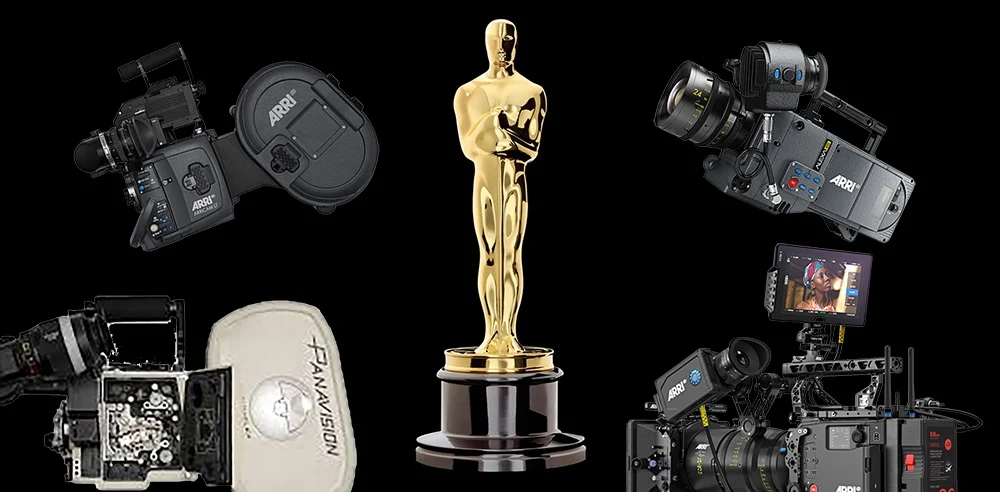
Netflix productions are subject to stringent technical guidelines, most notably the well-publicized "Netflix Approved Camera List." For One Piece, the production team not only adhered to this list but selected some of the highest-tier equipment available. The series was primarily shot on large-format ARRI Alexa Mini LF cameras, known for their cinematic image quality and robust performance. For the first season, the team utilized custom Hawk MHX / MiniHawk hybrid anamorphic lenses, a significant investment and a testament to the production’s pursuit of a unique visual aesthetic. For the highly anticipated second season, the production opted for the legendary Panavision Primo 70 lenses, signaling a continued commitment to premium optics.
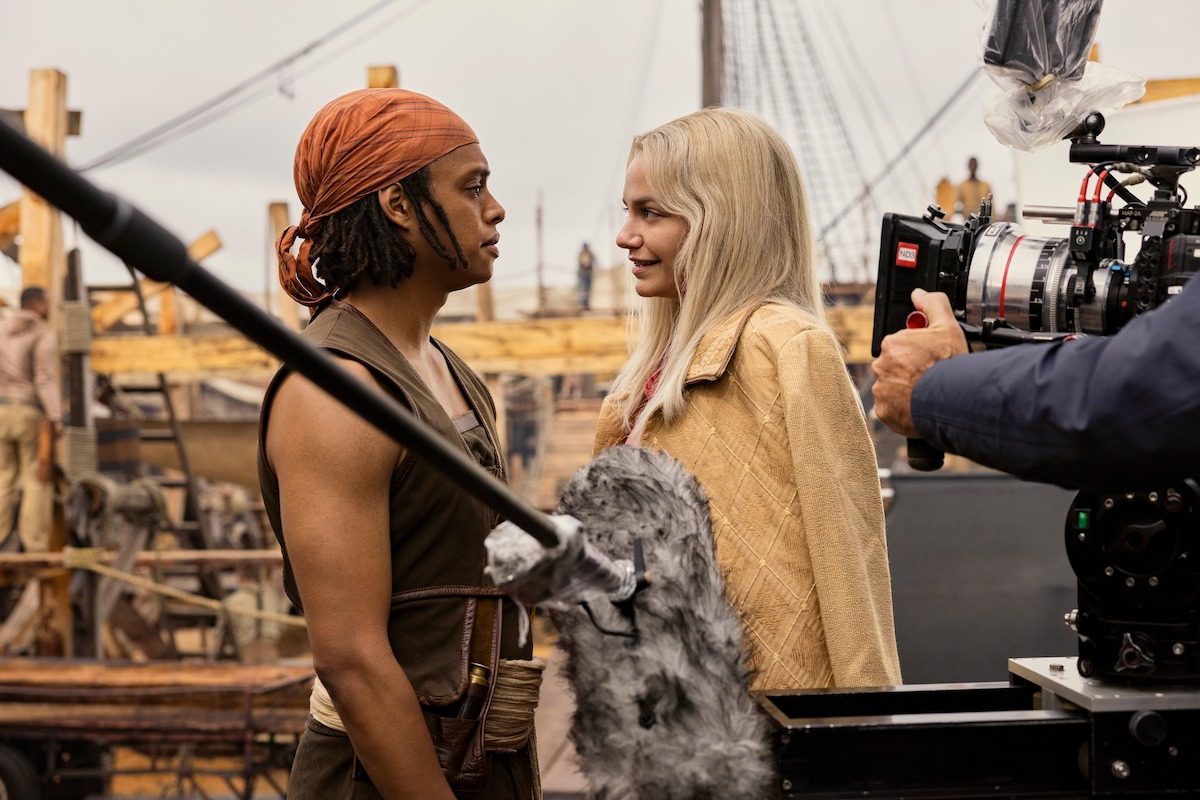
The story behind the custom Hawk MHX lenses highlights the depth of the production’s technical ambition. Cinematographer Nicole Hirsch Whitaker, speaking to NoFilmSchool, detailed the extraordinary process: "We actually went to Hawk, and they built us a set of lenses from scratch to basically allow us to do what we needed to do because there really wasn’t a large format lens out there that we could do the same type of photography with if they hadn’t built us those lenses. I knew I wanted to shoot ARRI large format, and there isn’t much large-format glass. Basically, they went to the drawing board and built them for us. Netflix got on board since they had to pay for them. It was a big deal. We had to do a lot of convincing, but everybody was really cool and allowed them to get made. Hawk got the lenses delivered, and they had my name on them. It was really fun." This bespoke lens creation underscores the production’s relentless pursuit of a specific visual style, demonstrating Netflix’s willingness to invest heavily in achieving a distinctive cinematic look.
The Practical Bet Pays Off: Honoring the Source Material
The resounding success of Netflix’s One Piece adaptation offers a compelling argument for the enduring value of practical filmmaking. In an era increasingly dominated by digital effects and virtual production stages (like LED volume walls), there’s a growing industry sentiment that digital does not always equate to better. Audiences, becoming increasingly discerning, are adept at spotting artificiality, often noting how actors can appear disconnected from their digitally rendered environments. One Piece circumvented this potential pitfall by embracing a tried-and-true methodology—a timeless approach to filmmaking that mandates working with real-world elements to fully immerse viewers in the narrative.
While practical filmmaking, especially on the scale of One Piece, is undeniably expensive—involving seven months of intense production, hundreds of crew members, and custom-made equipment—its benefits extend beyond mere visual fidelity. For independent filmmakers and creators operating with more modest budgets, the practical approach often represents the initial foray into content creation. It’s a method that becomes more achievable, not less, as budget constraints tighten. Utilizing real locations, harnessing natural light, and employing a lens that faithfully captures a creative vision can profoundly elevate an indie project. The message is clear: if a massive production like Netflix’s One Piece can commit to practicality for authenticity, then aspiring creators, too, can leverage these foundational principles to achieve compelling results.
Empowering Creators: Beyond the Netflix Budget
The insights gleaned from the One Piece production, particularly when viewed through the lens of discussions at Dream Con, reveal a critical insight into the evolving landscape of content creation. Independent creators share the same ambitious drive as the teams behind major studio productions, differing primarily in their financial resources. However, this budget disparity does not inherently limit their creative potential. Creators are spearheading a new wave of art and filmmaking, compensating for smaller crews or the absence of custom-built lenses with unprecedented access to high-quality equipment through rental services.
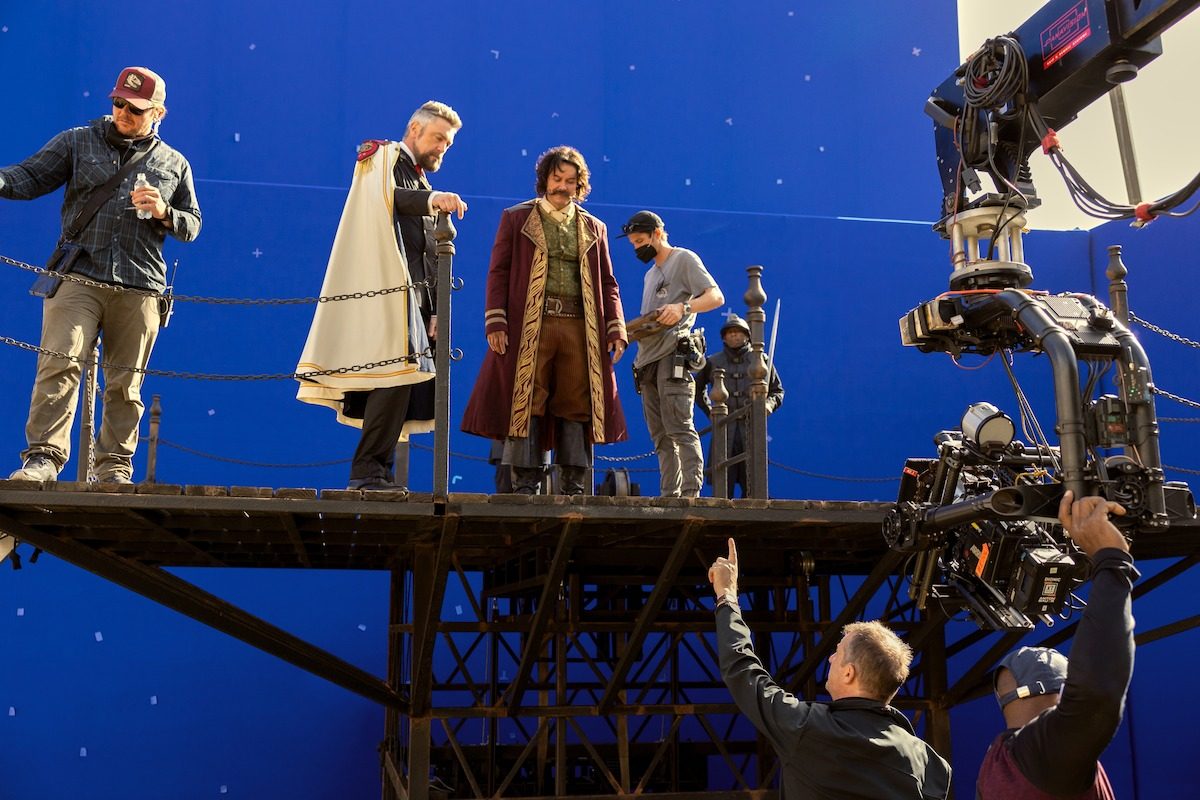
While bespoke lenses like Nicole Hirsch Whitaker’s Hawks remain exclusive to the production for which they were commissioned, the core cinematic tools are increasingly accessible. Lensrentals.com, for instance, offers the same ARRI Alexa Mini LF camera body used on One Piece. For creators seeking large-format anamorphic aesthetics, the Atlas Mercury Full-Frame 1.5x line provides the coveted oval bokeh and barrel distortion characteristic of anamorphic glass, designed to cover full-frame sensors. Alternatively, for a clean, spherical look with similar large-format coverage (46.3mm image circle), the Zeiss Supreme Primes offer an excellent solution. This democratization of professional-grade equipment empowers independent creators to achieve cinematic quality without the prohibitive cost of outright purchase.
The current creative landscape is not merely shifting; it has already transformed. Compelling examples abound: Kane Parsons, a teenager, independently developed "The Backrooms" as a web series before adapting it into a feature film that, with a roughly $10 million budget, grossed over $400 million worldwide, becoming A24’s highest-earning film. Similarly, Curry Barker’s "Obsession," shot in just twenty days for $750,000, went on to clear half a billion dollars. These narratives powerfully illustrate that audiences and creators alike are prepared to embrace productions that, despite modest initial budgets, deliver high artistic value and compelling storytelling. These success stories demonstrate that the gap between large-budget productions and independent projects is not as vast as it once seemed, particularly when creative vision is coupled with strategic access to professional tools.
For aspiring filmmakers and content creators aiming to emulate the production quality seen in projects like One Piece, the resources are readily available. Rental services provide comprehensive anamorphic lens lineups, ranging from full-frame sets to kits compatible with existing camera systems. The ARRI Alexa Mini LF, the very camera used on One Piece, is accessible for rent. Furthermore, for those seeking to enhance their projects with supplemental lenses, expert guidance is available to match equipment to specific creative visions. The journey to cinematic excellence, once exclusive to major studios, is now within reach for a broader community of passionate storytellers, fostering a dynamic and inclusive future for visual media.