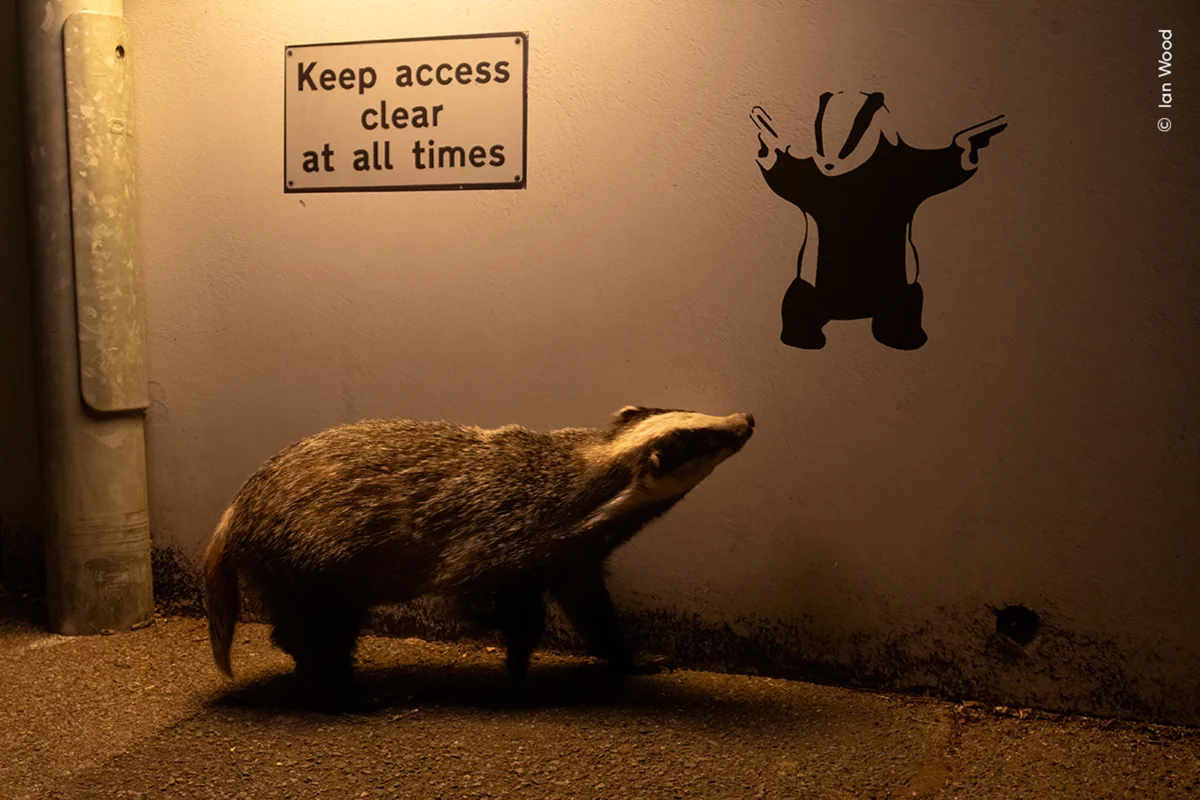
British photographer Ian Wood’s evocative image, “No Access,” featuring a Eurasian badger pausing beneath strikingly familiar graffiti in St Leonards-on-Sea, England, has been crowned the winner of the prestigious tenth edition of the Wildlife Photographer of the Year People’s Choice Award 2024. The photograph, lauded for its impeccable timing and symbolic depth, resonated with an unprecedented global audience, drawing attention to the often-overlooked intersections of urban development and the natural world.
A Resounding Victory for "No Access"
The announcement from the Natural History Museum, London, confirmed that Wood’s image secured the top spot after a fiercely contested public vote. This year’s People’s Choice Award saw a record-breaking engagement, with over 76,000 wildlife photography enthusiasts and nature advocates from around the world casting their ballots for their favorite image among the 25 nominated finalists. This overwhelming public participation underscores the growing global interest in wildlife photography not just as an art form, but as a critical tool for conservation advocacy and public awareness.
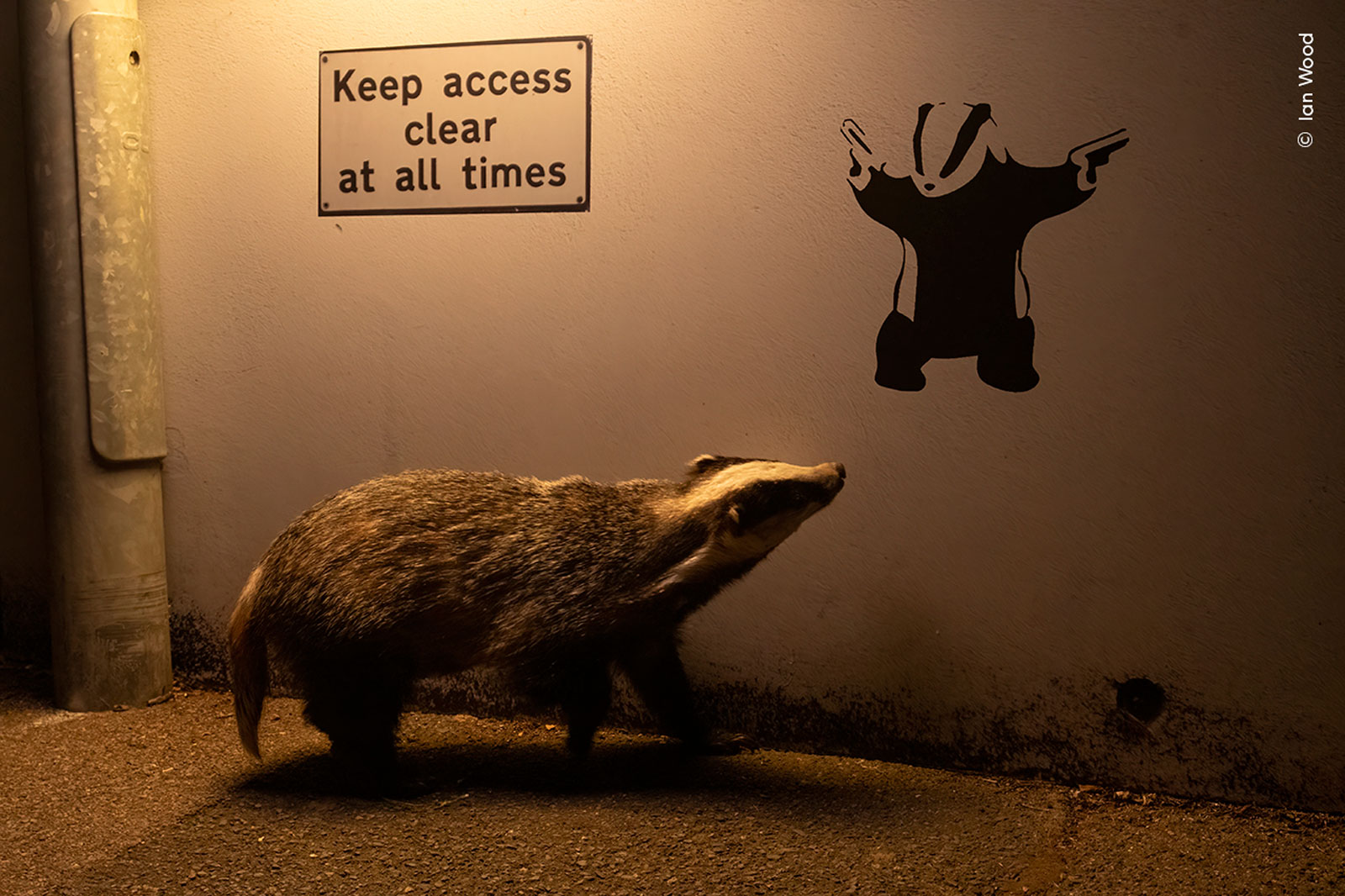
"No Access" captures a moment of quiet contemplation, or perhaps confusion, as a badger, a creature typically associated with the rural English countryside, ambles along a paved urban path. Its gaze, directed upwards at the prominent "No Access" graffiti scrawled on a wall, creates a powerful visual metaphor. The image speaks volumes about the encroaching human footprint on natural habitats and the resilience of wildlife adapting to, or struggling within, these changing landscapes. The scene, illuminated only by the stark glow of a lamppost, emphasizes the nocturnal and often unseen lives of urban animals, forcing viewers to consider their coexistence.
The Genesis of a Winning Shot
Ian Wood’s journey to capturing “No Access” was rooted in patient observation and a deep understanding of local wildlife behaviour. Residents of St Leonards-on-Sea had been leaving food scraps on pavements, initially attracting foxes. However, Wood noticed that badgers from a nearby sett—an intricate underground network of tunnels and chambers—had also begun to venture into the urban environment to forage for food. This observation provided the initial spark for his photographic endeavor.
Recognizing the unique opportunity to document these nocturnal visitors, Wood meticulously planned his shot. He positioned a small hide on the edge of the road, anticipating the badger’s movements. His dedication paid off when, late one night, the conditions aligned perfectly. The single lamppost provided the only light source, casting long shadows and highlighting the badger as it navigated its concrete surroundings. The synchronicity of the badger pausing precisely beneath the "No Access" graffiti was a stroke of serendipitous timing, transforming a simple wildlife encounter into a profound visual narrative. This meticulous preparation combined with an element of chance is often the hallmark of extraordinary wildlife photography.

A Deeper Message: The Plight of British Badgers
Beyond its aesthetic appeal and narrative strength, "No Access" carries a poignant and urgent conservation message, as highlighted by Ian Wood himself. While expressing profound humility and gratitude for the public’s "outpouring of badger love," Wood revealed the "darker side" of the image. He used his platform to draw attention to the ongoing badger cull in England, a controversial government policy aimed at controlling bovine tuberculosis (bTB) in cattle.
The badger cull, initiated in 2013, has been a contentious issue, pitting farming interests against wildlife conservation groups. Proponents argue that badgers act as a reservoir for bTB, transmitting the disease to cattle, and that culling is a necessary measure to protect livestock and the agricultural economy. However, numerous scientific studies and conservation organizations, including the Badger Trust and the RSPCA, have raised serious concerns about the effectiveness and ethics of the cull. They argue that the evidence linking badgers to bTB transmission is often overstated, that culling can disrupt badger social structures leading to wider dispersal and potentially increased disease spread, and that focusing on cattle-based measures (such as improved biosecurity and vaccination) would be more effective.
Wood, who lives in rural Dorset and is actively involved in re-wilding efforts to enhance wildlife habitats, voiced his fear that "unless the cull is stopped, we’ll only see badgers in urban settings in several parts of England." This stark warning suggests a future where badgers, driven from their natural rural territories by habitat loss and population reduction from culling, are increasingly forced into urban areas in search of food and refuge. Such a shift would not only signify a severe ecological imbalance but also heighten human-wildlife conflict. Wood’s hope is that "No Access" will "raise awareness of the damaging effect of the badger cull and help push for change," transforming his photograph into a powerful call to action.
The Natural History Museum’s Endorsement of Urban Wildlife
Dr. Douglas Gurr, Director of the Natural History Museum, London, echoed the sentiment of the image’s significance, stating, "Ian’s flawlessly timed image offers a unique glimpse of nature’s interaction with the human world, underscoring the importance of understanding urban wildlife." He further emphasized that the photograph "serves as a powerful reminder that local nature and wildlife, often just outside our homes, can inspire and captivate us."
The Natural History Museum, as the developer and producer of the Wildlife Photographer of the Year competition, plays a crucial role in promoting scientific understanding and public engagement with the natural world. Their endorsement of "No Access" highlights a growing recognition within the conservation community of the critical importance of urban ecosystems. As human populations expand and cities grow, understanding and protecting the biodiversity within these anthropogenic landscapes becomes increasingly vital. Urban wildlife photography, therefore, serves a dual purpose: it documents adaptation and resilience, while also acting as a mirror reflecting humanity’s impact on its co-inhabitants.
The Wildlife Photographer of the Year: A Global Platform for Conservation
The Wildlife Photographer of the Year (WPY) competition, now in its 60th year, stands as one of the most prestigious and influential platforms for wildlife photography globally. Developed and produced by the Natural History Museum, London, its mission is to shine a light on inspiring and impactful stories from the natural world, ultimately creating advocates for our planet. The competition invites both amateur and professional photographers of all ages from around the world, harnessing photography’s unique emotive power to connect people with nature and inspire conservation action.
The People’s Choice Award, a relatively newer category celebrating its tenth anniversary, offers a democratic element to the competition, allowing the global public to have a direct say in recognizing powerful imagery. This year’s record-breaking participation with over 76,000 votes for the 25 nominated images underscores the award’s growing influence and the public’s desire to engage directly with conservation narratives. The initial selection process for the People’s Choice shortlist is rigorous, drawing from the nearly 60,000 images submitted for the main sixtieth Wildlife Photographer of the Year competition. An international judging panel, comprising experts in photography, science, and conservation, meticulously reviews entries before curating the final selection presented to the public.
Beyond the Winner: Celebrating Highly Commended Images
While "No Access" captured the top honour, four other "Highly Commended" images also captivated wildlife lovers worldwide, each telling a compelling story from different corners of the natural world:

- "Earth and Sky" by Francisco Negroni (Chile): This unforgettable capture presents a breathtaking spectacle of nature’s raw power. Negroni’s lens froze a moment where a double lenticular cloud formation, dramatically illuminated by the molten lava spewing from Chile’s Villarrica volcano at nightfall, created an otherworldly scene. Lenticular clouds, often mistaken for UFOs due to their smooth, lens-like appearance, form when moist air flows over mountains, and their combination with volcanic activity showcases the dynamic and powerful forces shaping our planet.
- "Edge of Night" by Jess Findlay (Canada): Findlay’s action shot offers a fleeting glimpse into the nocturnal world of a barn owl. The image depicts a ghostly barn owl in mid-flight, exiting through the hayloft window of a derelict barn, embarking on its nightly hunt. The soft, ethereal quality of the light and the owl’s silent departure underscore its role as a master predator of the night, while the decaying structure serves as a stark reminder of human abandonment and nature’s reclamation.
- "Whiteout" by Michel d’Oultremont (Belgium): This minimalist yet powerful image portrays a stoat, perfectly camouflaged against a snowy landscape in Belgium, sitting upright to survey its territory. The "whiteout" conditions emphasize the stoat’s remarkable adaptation to its environment, its winter coat blending seamlessly with the snow, making it almost invisible to predators and prey alike. The image speaks to the intricate beauty of natural camouflage and the resilience of small mammals in harsh conditions.
- "Spiked" by David Northall (South Africa): Northall’s photograph captures a brutal yet fascinating interaction from the African wilderness. It shows a bloodied, yet determined, honey badger returning to finish off a Cape porcupine, which had earlier defended itself with its formidable quills. This image highlights the fierce tenacity of the honey badger, renowned for its courage and predatory prowess, and the perilous realities of survival in the wild, where every meal can be a life-or-death struggle.
These five images—the winner and the four highly commended—are currently on display both online and on the interactive voting screens at the flagship Wildlife Photographer of the Year exhibition at the Natural History Museum, London. The exhibition will run until June 29, 2025, offering visitors an extended opportunity to experience these powerful visual narratives firsthand.
The Enduring Impact and Future of Wildlife Photography
The success of "No Access" and the overwhelming public response to the People’s Choice Award reaffirm the enduring power of wildlife photography. It transcends mere aesthetic appreciation, serving as a vital medium for education, emotional connection, and ultimately, advocacy. In an era dominated by screens and digital information, a single, compelling image can cut through the noise, sparking dialogue and inspiring action on critical environmental issues.
As the Natural History Museum continues its mission to inspire and engage, the Wildlife Photographer of the Year competition remains at the forefront of this effort. Preparations are already underway for the sixty-first competition, with images currently being judged by an international panel of experts. The winners of this next edition will be announced at the annual awards ceremony, scheduled to take place at the Natural History Museum, London, in October 2025. Each new cycle of the competition brings fresh perspectives and urgent stories from the natural world, reinforcing the indispensable role of photography in safeguarding our planet’s future. The message from "No Access" is clear: the boundaries between human and wild are increasingly blurred, and our understanding and actions determine the fate of those who share our world, whether in remote wildernesses or on urban pavements.