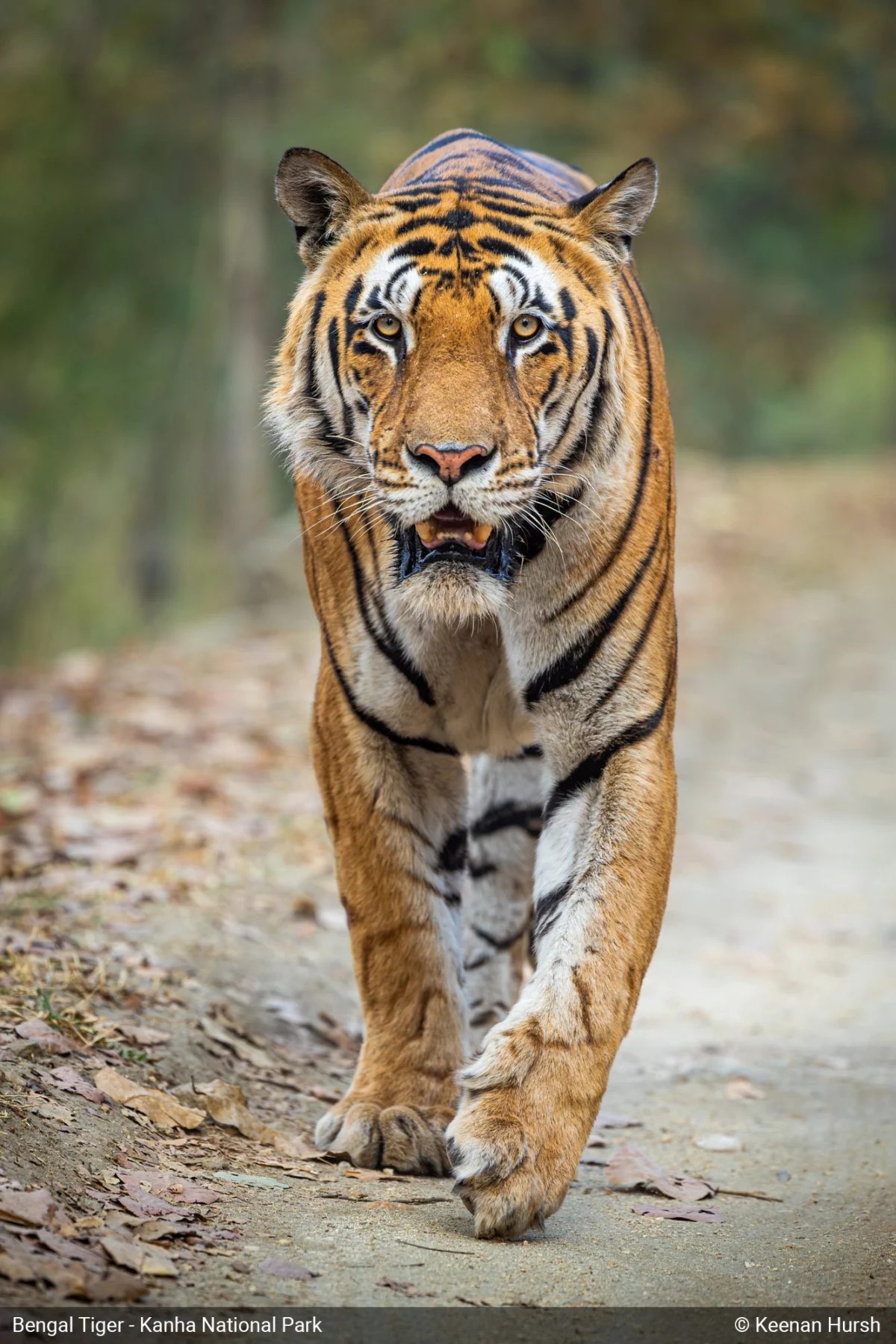
Professional wildlife photographer and guide Keenan Hursh recently concluded an intensive expedition through India’s Bandhavgarh and Kanha National Parks, a journey that served as both a photographic quest for elusive Bengal tigers and a rigorous field test for cutting-edge camera technology. During this ten-day safari, Hursh conducted a direct, real-world comparison between the original Canon EOS R5 and its newly released successor, the Canon EOS R5 Mark II, offering invaluable insights into the practical advancements in modern mirrorless cameras for demanding wildlife photography.
The Evolution of Wildlife Photography Technology
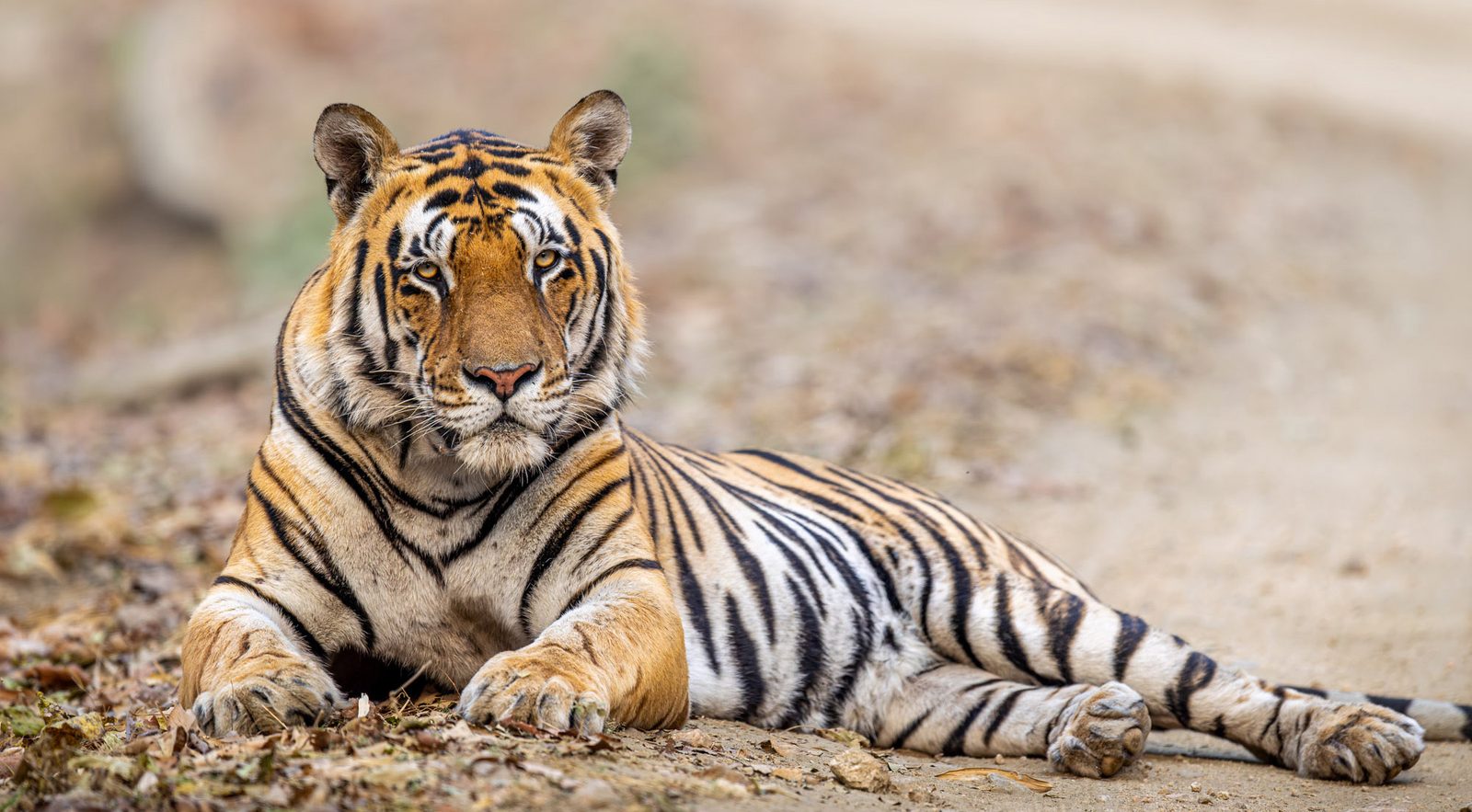
Wildlife photography, an art form celebrated for its captivating imagery, is inherently challenging. It demands not only profound planning, skill, and knowledge but also an element of luck, often under unpredictable and rapidly changing environmental conditions. The quality and performance of photographic equipment are paramount in this genre, where milliseconds and subtle nuances can define the success of a shot. Over the past two decades, camera technology has undergone a revolutionary transformation, with advancements profoundly impacting the capabilities of nature and wildlife photographers.
These technological leaps, while benefiting all photographic disciplines, are particularly transformative for wildlife specialists. Key innovations include massive improvements in autofocusing systems, enhanced low-light performance allowing for higher usable ISO sensitivities, significantly increased burst shooting speeds, the introduction of pre-capture functionality, sophisticated electronic viewfinders (EVFs), and the integration of stacked sensors. These features collectively enable the capture of images that were simply unattainable just a few years ago, pushing the boundaries of what is photographically possible in dynamic natural environments. The shift from traditional DSLRs to mirrorless systems has been a primary driver of these advancements, offering faster processing, more accurate focusing, and a more integrated shooting experience.
The India Expedition: A Quest for Tigers
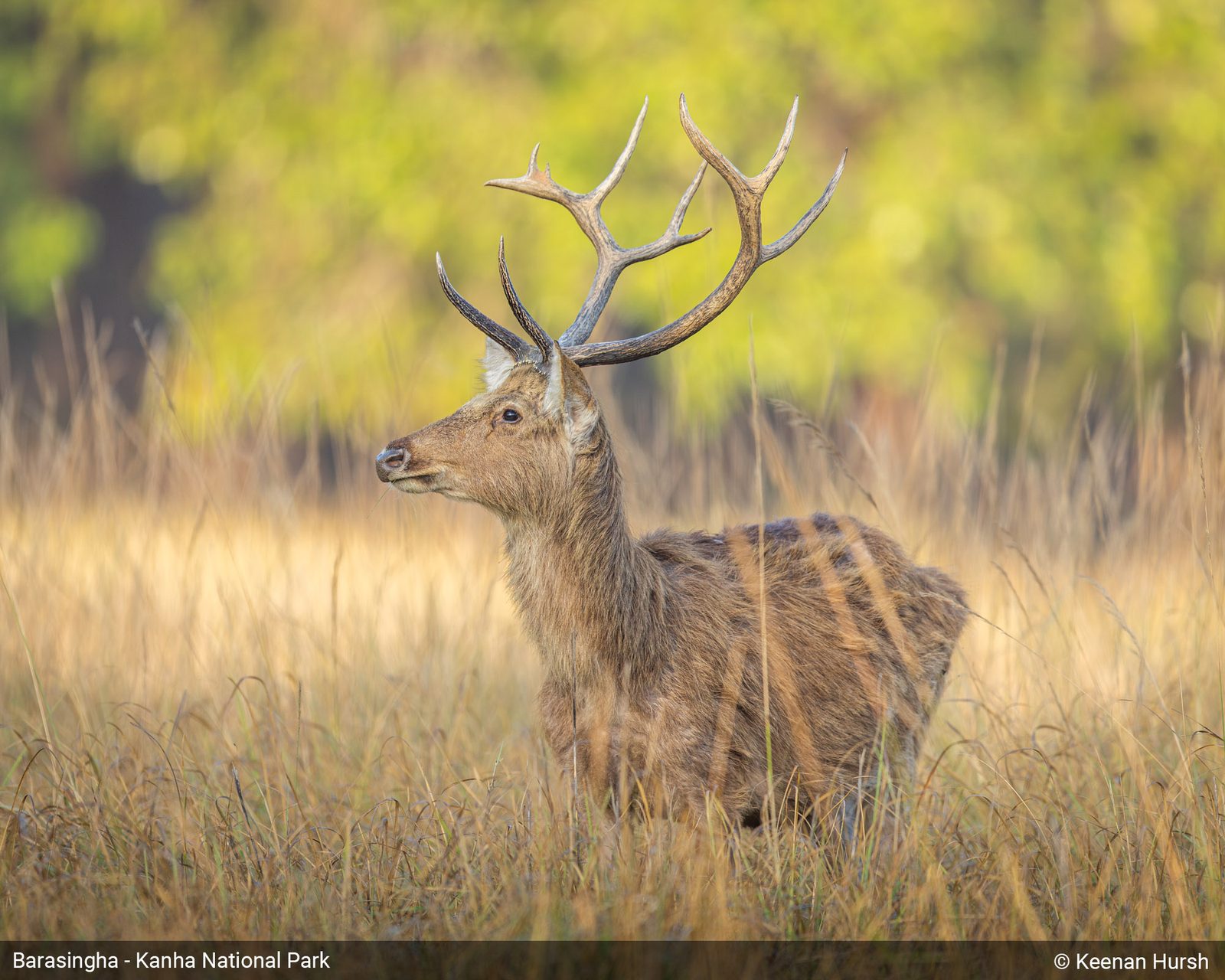
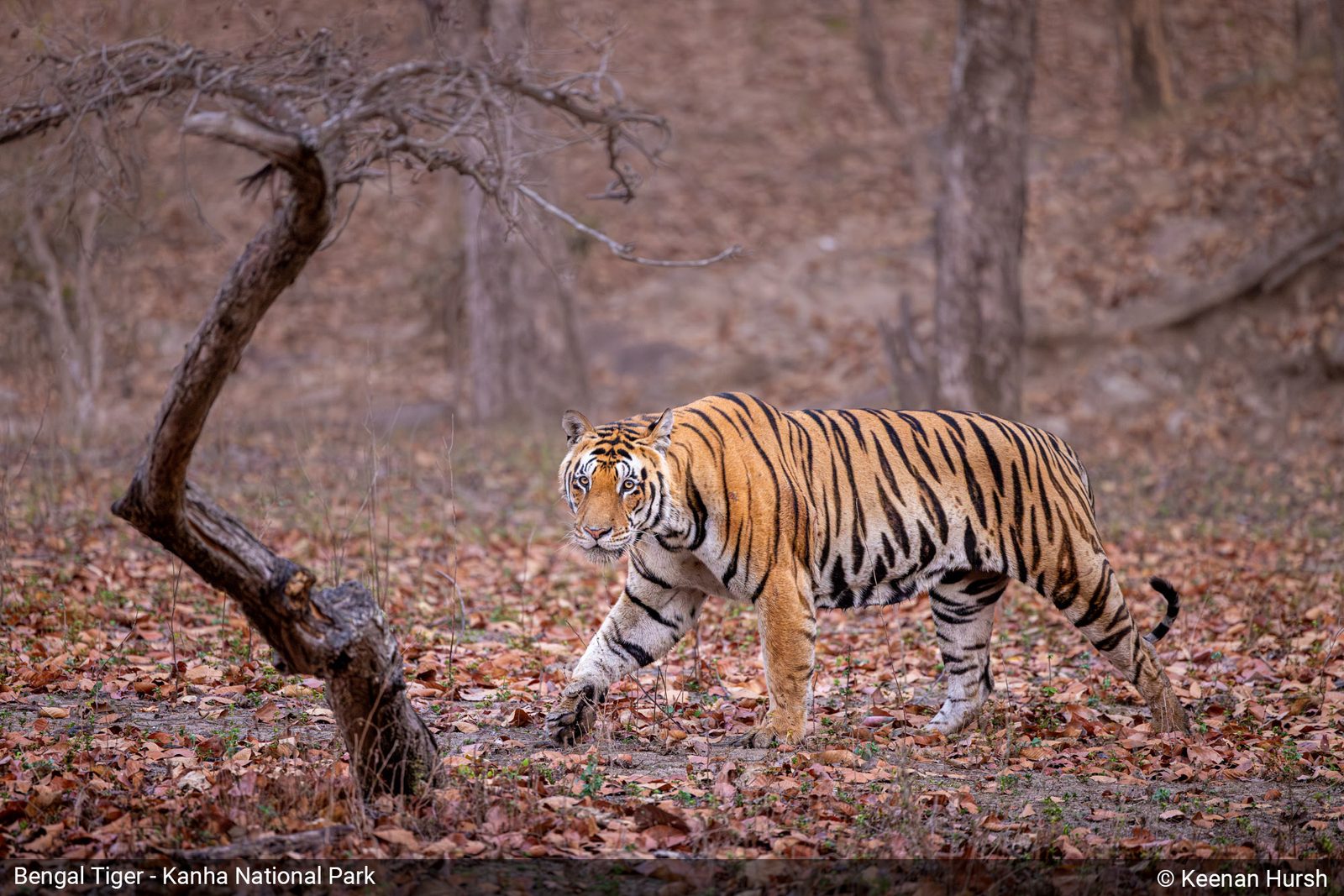
Keenan Hursh, known for his work as a professional nature photographer, guide for Backcountry Journeys, and writer, embarked on this long-anticipated expedition to India. The workshop, an all-inclusive safari for a small group of photographers, focused on Bandhavgarh and Kanha National Parks, renowned globally as premier locations for observing and photographing Bengal tigers in their natural habitat. For Hursh, this trip represented the fulfillment of a long-held dream to document these majestic predators and other endemic wildlife species.
The journey began with Hursh’s arrival in Delhi, where he met the workshop participants. The group then traveled to Madhya Pradesh, in the heart of India, to commence their daily safari drives. The itinerary strategically included both Bandhavgarh National Park, located northeast of Jabalpur, and Kanha National Park, a six-hour drive south. Each park, while teeming with diverse wildlife and breathtaking landscapes, offers distinct photographic opportunities, yet both share the central allure of a robust tiger population.
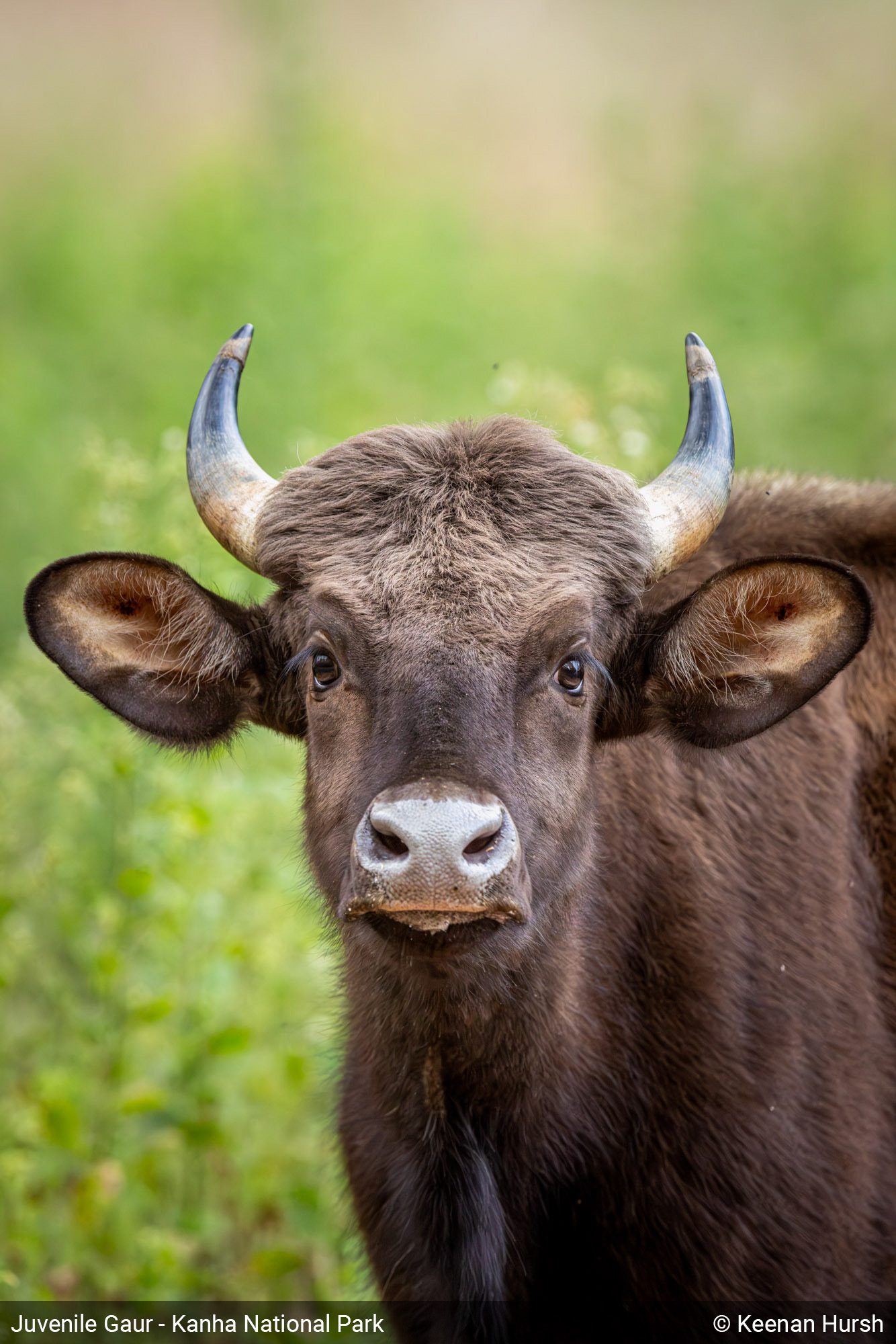
Over the ten-day period, the expedition yielded remarkable success, with participants observing a total of 15 individual tigers—exceeding initial expectations. Beyond the iconic tigers, the safaris provided ample opportunities to photograph a wide array of other mammals and avian species, contributing to a highly productive and enjoyable experience for all involved. Hursh highlighted the profound impact of exploring these genuine wilderness areas, noting the observation of over 25 new species within the first day alone and numerous "special encounters" throughout the trip. This immersive experience underscored the importance of reliable and high-performance gear in capturing fleeting moments in challenging wildlife settings.
Field Testing Methodology: Canon R5 vs. R5 Mark II
Central to Hursh’s expedition was a critical field assessment of Canon’s latest mirrorless camera, the EOS R5 Mark II, directly against his established professional workhorse, the original EOS R5. As a seasoned professional who relies heavily on his equipment for diverse and demanding assignments, Hursh meticulously prepared his gear, prioritizing capabilities, focal lengths, and accessories while navigating the weight restrictions inherent in international and local travel.
Having utilized Lensrentals.com for past expeditions, Hursh secured the Canon EOS R5 Mark II for this comparison. His existing setup included two original R5 bodies, which he had praised as an "exponential upgrade" from his previous DSLR systems. Initially, Hursh had expressed reservations about upgrading to the R5 Mark II, citing seemingly minimal performance increases and the practical inconvenience of requiring new batteries, given his existing investment in R5 accessories. However, positive feedback from peers and a rekindled curiosity prompted him to seize the opportunity for a direct, real-world evaluation. The tiger safari in India provided the ideal proving ground for this head-to-head comparison, allowing Hursh to assess the cameras’ capabilities in the fast-paced, often low-light conditions characteristic of wildlife photography.
Deep Dive: The Canon EOS R5’s Enduring Legacy
Released in July 2020, the Canon EOS R5 quickly established itself as a benchmark for mirrorless camera performance, particularly for professionals transitioning from DSLR systems. Hursh’s extensive experience with two R5 bodies across numerous global expeditions, encompassing extreme temperatures, varied climates, and a wide spectrum of subjects from fast-action wildlife to long-exposure astrophotography, attests to its robust and versatile design.
For wildlife photography, the R5 offers a compelling suite of features. Its AI-assisted autofocus (AF) capabilities, combined with accurate subject and eye detection, have been lauded for their effectiveness in tracking moving subjects. The camera boasts a respectable maximum burst rate of 20 frames per second (fps) with its electronic shutter, a high-resolution 45-megapixel full-frame sensor, and solid low-light performance, enabling photographers to work with higher ISO values while maintaining image quality. Furthermore, its in-body image stabilization (IBIS) system provides critical stability, especially when shooting with long telephoto lenses or in challenging light. Despite being several years old, the R5 continues to be a highly capable camera that meets the rigorous demands of professional wildlife photographers.
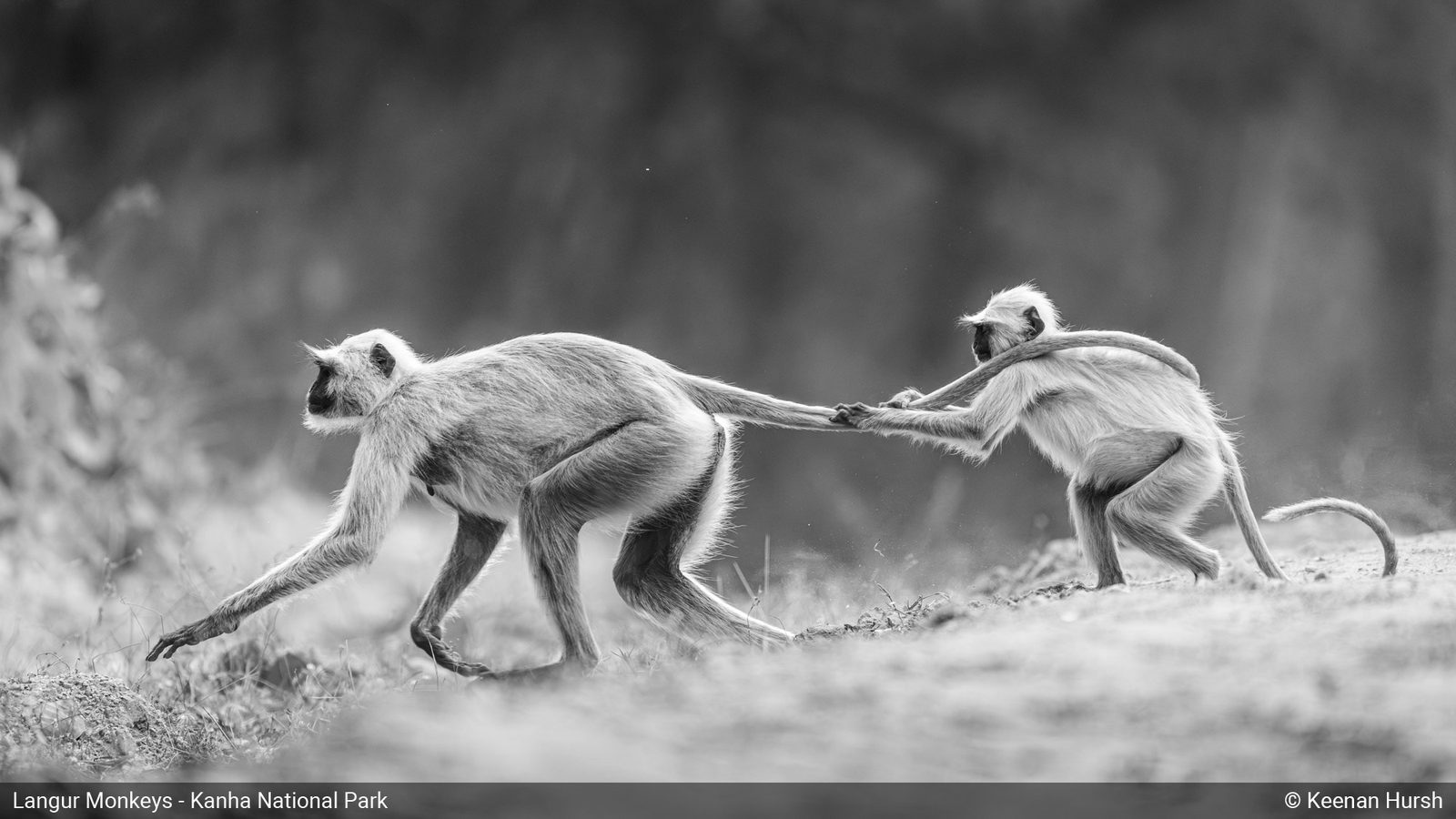
However, Hursh noted several operational aspects that, while minor, could impact efficiency in critical moments. The default method of switching between photo and video modes was identified as cumbersome, potentially causing missed opportunities during unpredictable wildlife encounters. Additionally, shooting with the electronic shutter on the R5 provides no auditory feedback, requiring photographers to rely on subtle screen flickering to confirm image capture. This is compounded by brief "blackout moments" in the electronic viewfinder during burst shooting, interrupting the continuous view of the subject—a common concern for action photographers. While the AF system is generally effective, Hursh observed instances where it could be "jumpy" or occasionally fail to lock onto subjects or eyes, leaving room for improvement in consistency and reliability. These observations, stemming from extensive field use, highlight areas where even a highly capable camera could benefit from refinement.
Introducing the Canon EOS R5 Mark II: Key Advancements
The Canon EOS R5 Mark II, positioned as an evolution rather than a revolution, builds upon its predecessor’s strengths while directly addressing several of its observed limitations. Hursh’s experience in India indicated that the Mark II delivered a "great plus," if not an "exceptional," performance, particularly in the context of wildlife photography. The new model retains the core specifications that made the R5 successful, including its 45-megapixel resolution, highly effective IBIS, high-quality EVF and LCD, and the durable magnesium alloy body with robust weather sealing.
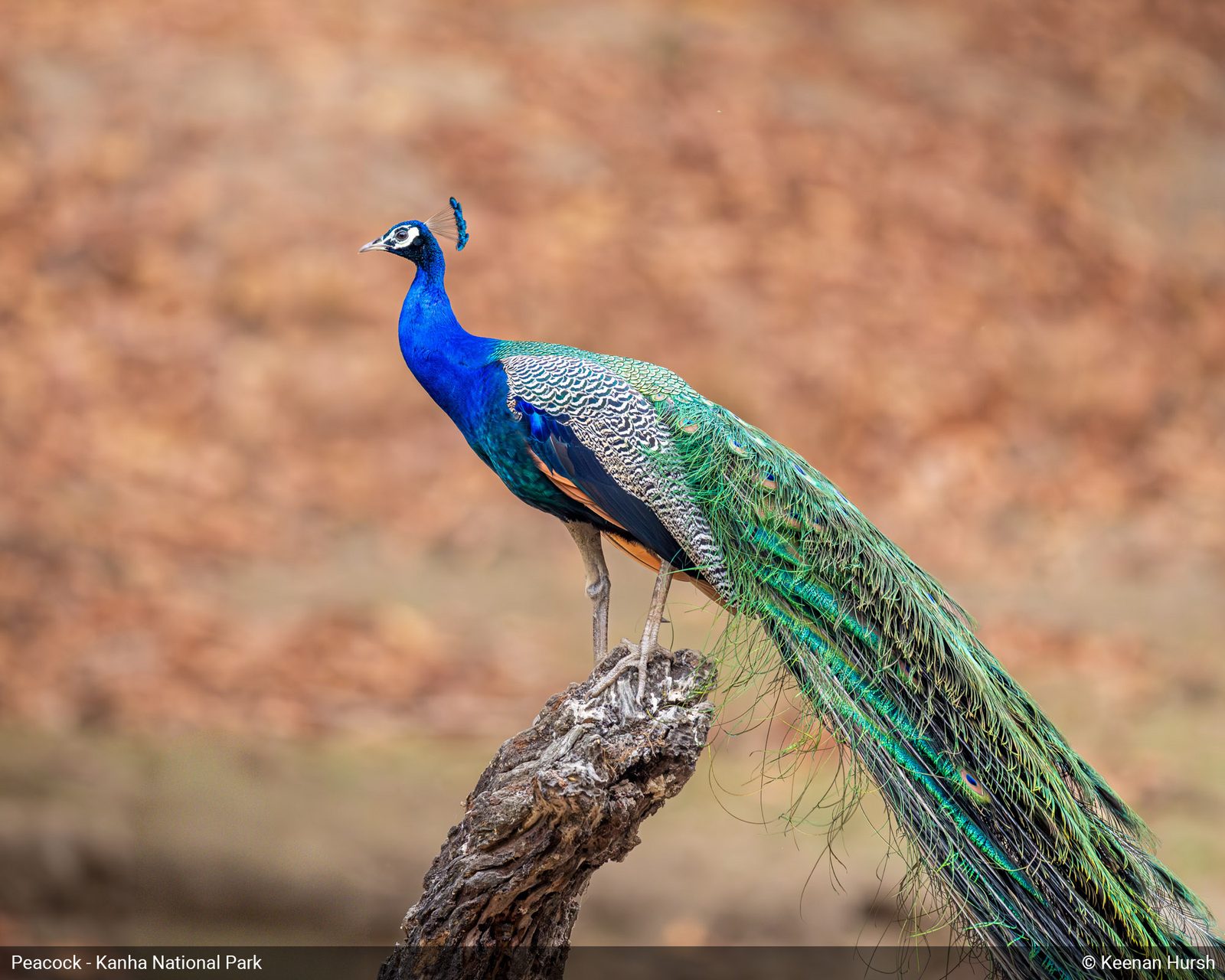
The most significant and impactful upgrade, according to Hursh, lies in the R5 Mark II’s enhanced autofocus capabilities. The new AF system was described as "second-to-none," offering faster, more accurate, and more reliable subject tracking. It demonstrated superior ability to acquire and maintain focus on subjects, even allowing for seamless switching between multiple identified subjects. The improved algorithms resulted in noticeably smoother tracking with reduced "jumpiness" compared to the original R5, a critical advantage when photographing erratic wildlife movements.
Another standout feature introduced in the Mark II is pre-capture. This functionality, which records images a fraction of a second before the shutter button is fully pressed, was hailed as a "game-changer" for specific scenarios. Hursh cited capturing action shots of small birds taking off from perches—moments previously deemed impossible—as a direct benefit of this technology. This feature significantly mitigates the human reaction time delay, ensuring critical action is not missed.
Ergonomic improvements also contribute to the Mark II’s enhanced user experience. A dedicated photo/video switch simplifies mode transitions, a notable improvement over the R5’s more cumbersome method. Furthermore, the integration of a brand-new stacked sensor delivers several performance advantages. While maintaining the 45-megapixel resolution, this sensor enables a faster electronic shutter burst rate of 30 fps, a significant increase from the R5’s 20 fps. Crucially, it allows for the capture of 14-bit RAW files with the electronic shutter, as opposed to the R5’s 12-bit compression, preserving more tonal information. The stacked sensor also eliminates the blackouts in the EVF during continuous shooting, providing a truly blackout-free, immersive, and natural viewing experience that enhances tracking of fast-moving subjects. A minor but appreciated improvement is the option to enable an audible noise for the electronic shutter, providing tactile feedback that was absent in the original R5.
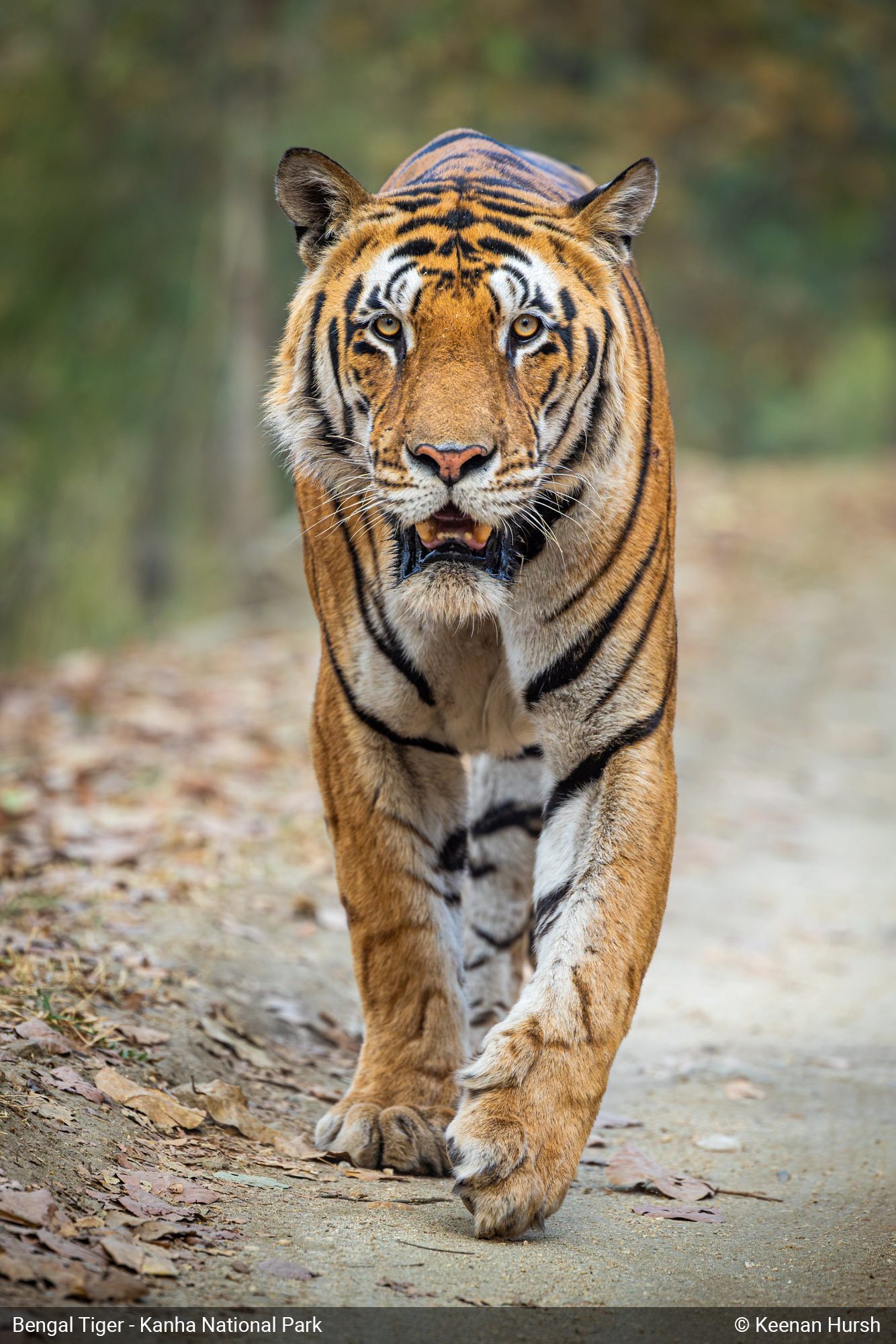
Performance Metrics and User Experience: A Direct Comparison
The side-by-side comparison in the demanding Indian wilderness provided clear differentiation between the two Canon bodies.
Autofocus Performance: The R5 Mark II’s AF system consistently outperformed the R5. Its ability to quickly acquire and tenaciously hold focus on subjects, coupled with less erratic behavior, translated into a higher keeper rate for fast-moving wildlife. This improvement is attributed to advancements in Canon’s Dual Pixel CMOS AF II technology and potentially more sophisticated deep learning algorithms for subject detection.
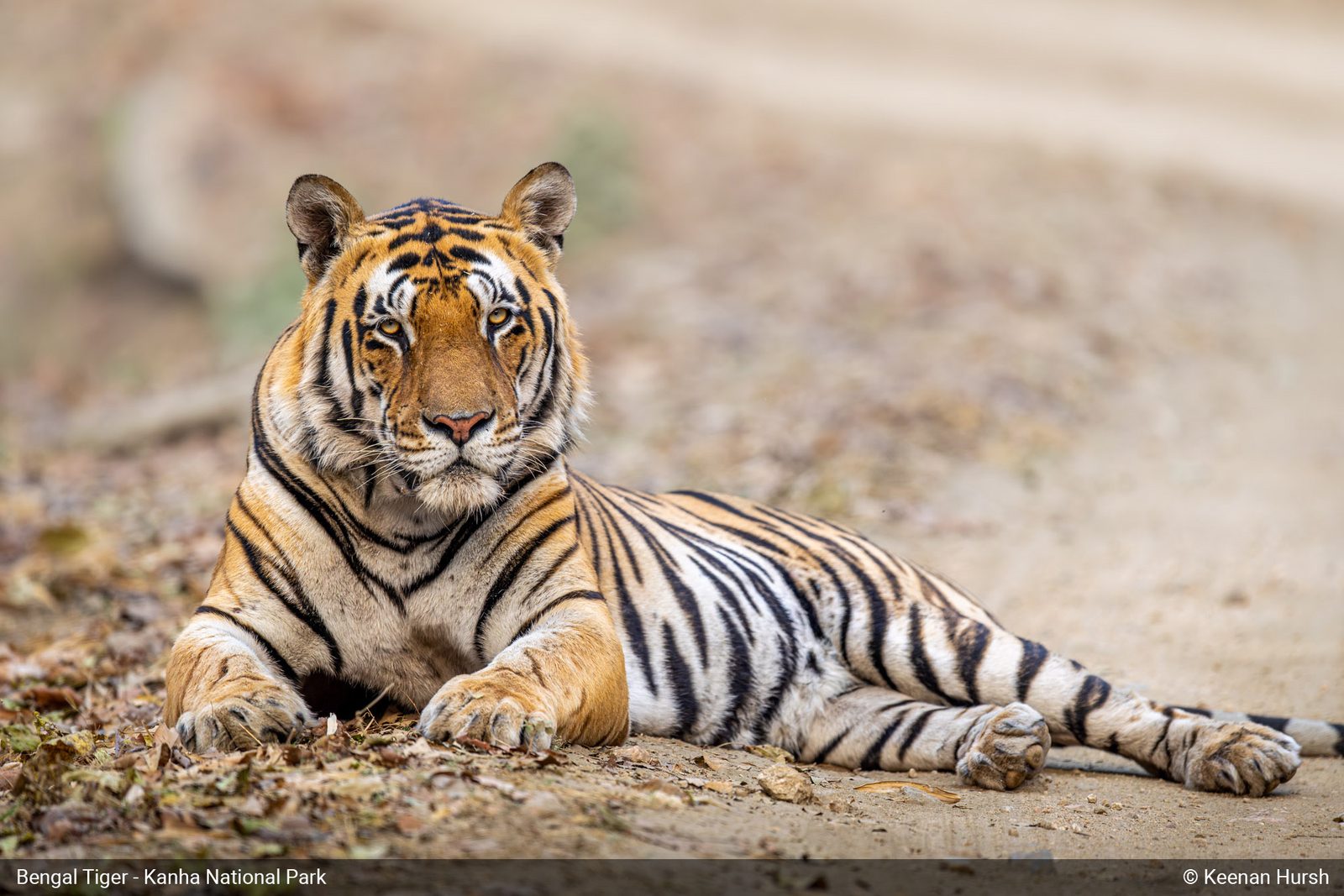
Burst Speed and Image Quality: The Mark II’s 30 fps electronic shutter rate offers a substantial advantage for capturing critical moments in rapid sequences, providing more frames to choose from. The ability to maintain 14-bit RAW depth at this speed is crucial for post-processing flexibility, particularly in scenarios requiring extensive dynamic range recovery or color grading. The R5’s 12-bit limitation with electronic shutter can be a minor constraint for demanding workflows.
Viewfinder Experience: The blackout-free EVF of the R5 Mark II provides a significant user experience upgrade. For wildlife photographers, maintaining an uninterrupted view of a subject during burst shooting is invaluable for anticipating movement and refining composition, directly improving tracking efficacy. The R5’s momentary blackouts, while manageable, can cause minor disorientation during high-speed action.
Usability and Ergonomics: The dedicated photo/video switch on the Mark II is a simple yet effective design enhancement. While not a core performance metric, it streamlines workflow, particularly for hybrid shooters. The option for an electronic shutter sound, though seemingly minor, addresses a common user preference for auditory feedback.
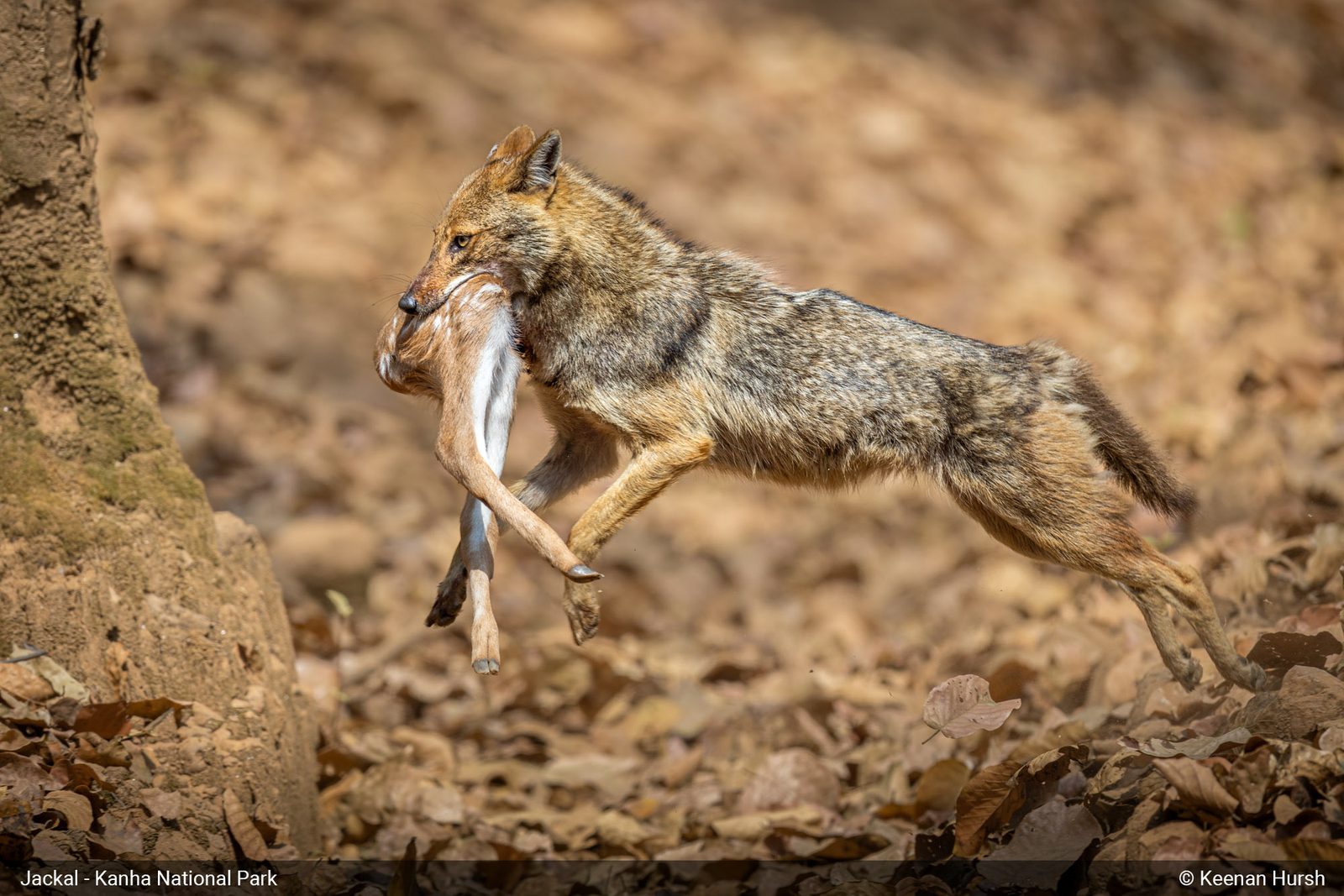
Considerations: Despite its advancements, the R5 Mark II presents two primary considerations. The most notable for existing R5 owners is the incompatibility with older batteries for accessing all advanced features. This necessitates an additional investment in new battery infrastructure, which can be a significant cost for professionals with multiple bodies and extensive battery collections. Secondly, Hursh observed a marginally discernible increase in image noise at higher ISO values with the R5 Mark II compared to the R5. This slight reduction in low-light performance is often a trade-off for the increased readout speeds and complex circuitry of stacked sensors, though Hursh deemed this a "small price" for the overall benefits.
Strategic Considerations for Photographers: Making the Upgrade Decision
Hursh’s comprehensive field test leads to a nuanced conclusion regarding the choice between the Canon EOS R5 and the R5 Mark II. The Mark II is undeniably a superior camera, especially for specific photographic disciplines. For professional wildlife and sports photographers who frequently deal with fast-moving subjects and unpredictable action, and whose budgets allow for the investment, the R5 Mark II represents a compelling upgrade. Its enhanced autofocus, higher burst rates, pre-capture capabilities, and blackout-free EVF directly translate into a higher success rate for challenging shots.
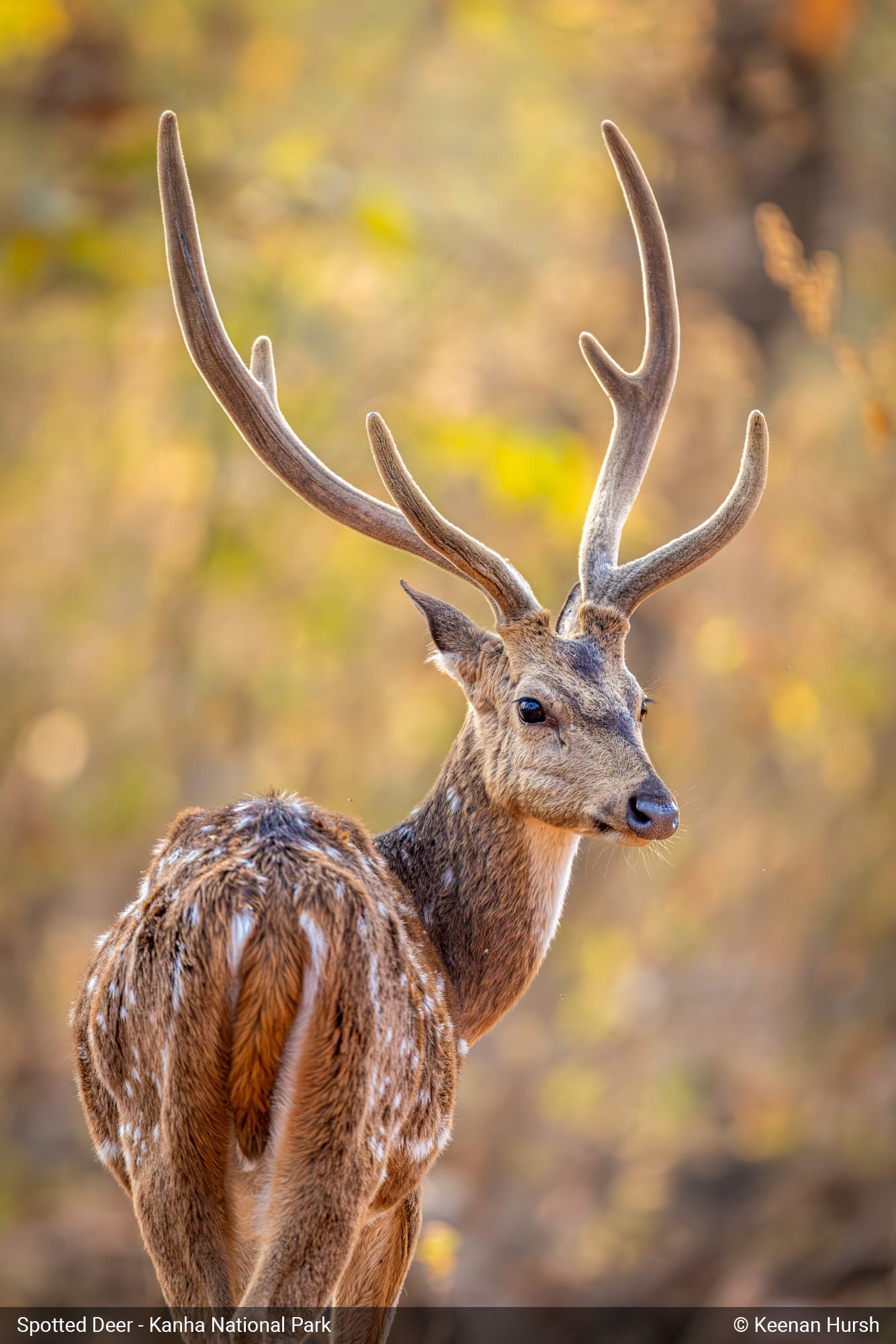
For photographers primarily focused on genres such as landscape, portraiture, or studio work, where extreme burst speeds and instantaneous AF tracking are less critical, the original Canon EOS R5 remains an exceptionally capable and cost-effective option. With a price difference of approximately $1,000 at the time of this assessment, the R5 still offers outstanding resolution, image quality, and robust build for its price point.
For Hursh, as a professional whose work predominantly revolves around wildlife, the R5 Mark II’s improvements, particularly in AF performance, justify the additional investment. He emphasized that even incremental advancements in autofocus can yield substantial differences in the competitive and demanding realm of wildlife photography. The camera’s ability to acquire and maintain focus with greater precision and smoothness significantly enhances the shooting experience and the quality of captured images.
The combined benefits of the new stacked sensor—including the faster 30 fps burst rate, retention of 14-bit RAW files with the electronic shutter, and the immersive blackout-free viewfinder—further solidify the Mark II’s position as a cutting-edge tool for action photography. Hursh’s ultimate decision to likely acquire the R5 Mark II underscores its tangible value for his specific professional needs.
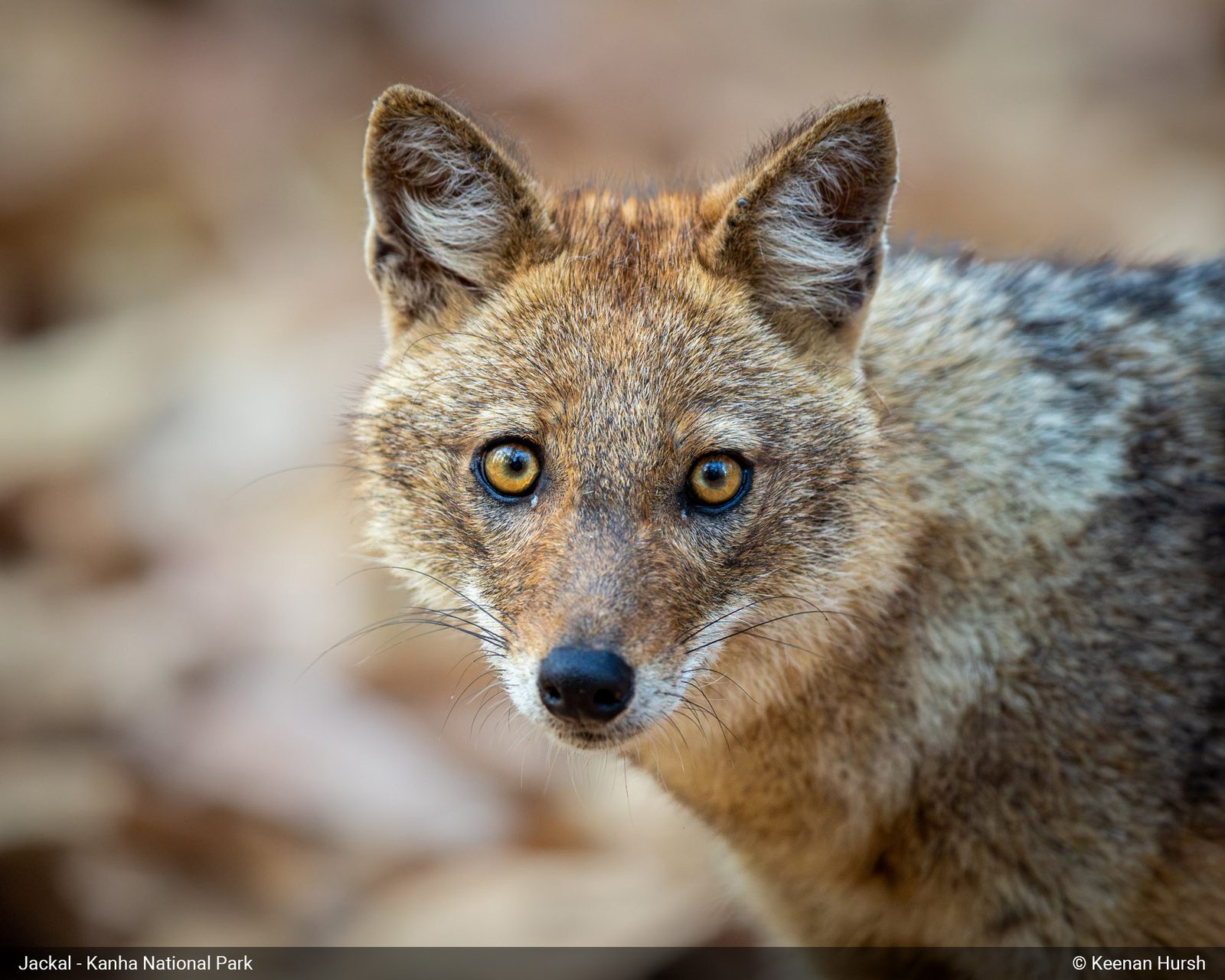
For photographers still deliberating, Hursh strongly advocates for renting either or both camera bodies. This "try before you buy" approach allows individuals to experience the cameras firsthand in their typical shooting environments, providing practical insights that far surpass theoretical specifications or written reviews.
Conclusion: The Future of Wildlife Imaging
Keenan Hursh’s immersive wildlife photography adventure in Bandhavgarh and Kanha National Parks was a resounding success, yielding both cherished memories and compelling images of India’s magnificent wildlife. Beyond the personal fulfillment, the expedition provided a critical platform for evaluating the latest advancements in photographic technology.
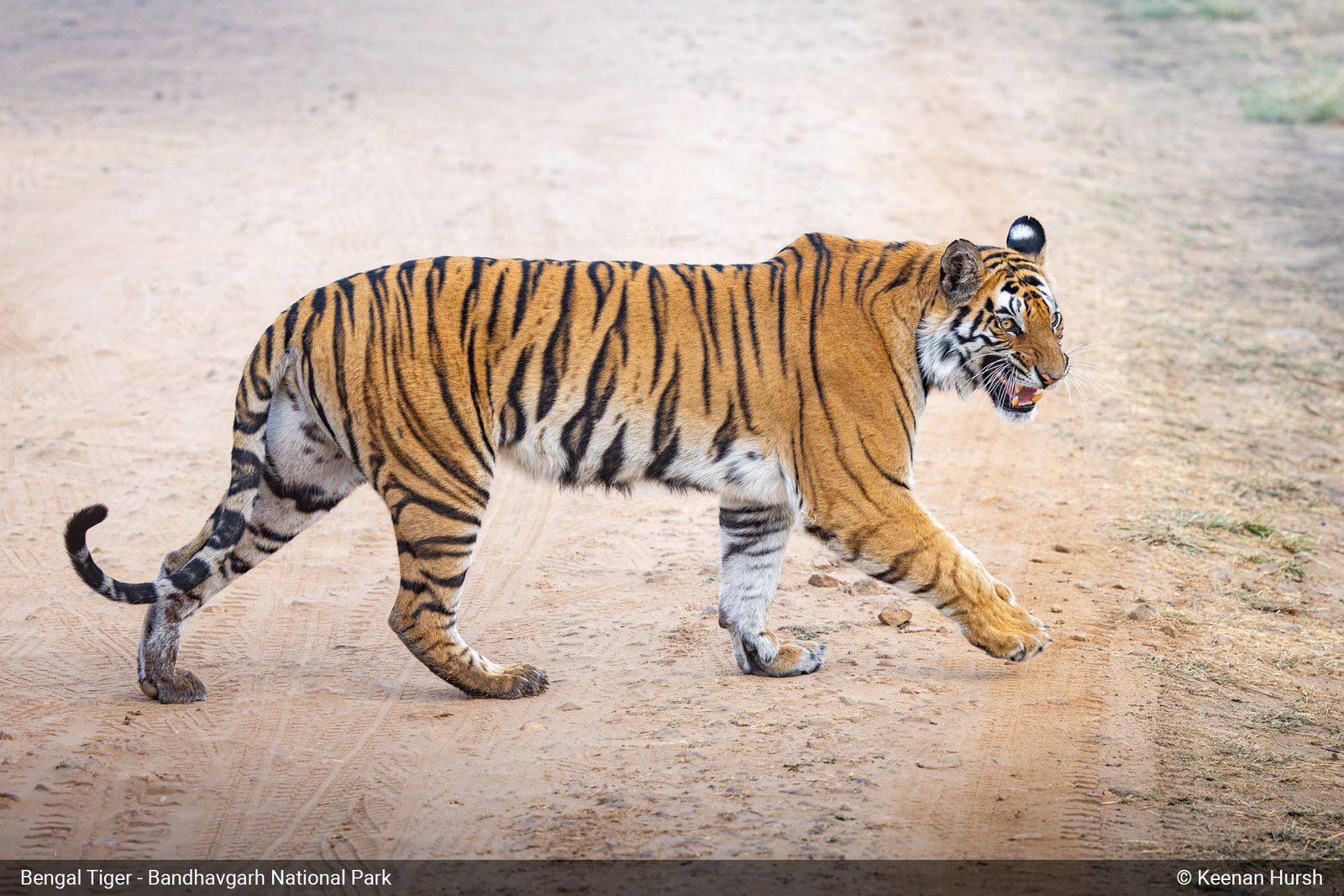
The comparison between the Canon EOS R5 and the EOS R5 Mark II highlights the continuous evolution of mirrorless cameras, particularly in areas crucial for wildlife photography. While the R5 maintains its status as an excellent professional tool, the R5 Mark II demonstrates meaningful, albeit often subtle, improvements that can significantly enhance the capabilities of photographers in high-stakes scenarios. The choice between these two exceptional cameras ultimately hinges on individual photographic needs, budget considerations, and the specific demands of one’s primary genre. This rigorous field test provides valuable data for photographers seeking to make informed decisions in an ever-advancing technological landscape, ensuring they are equipped with the optimal tools for their next photographic adventure.