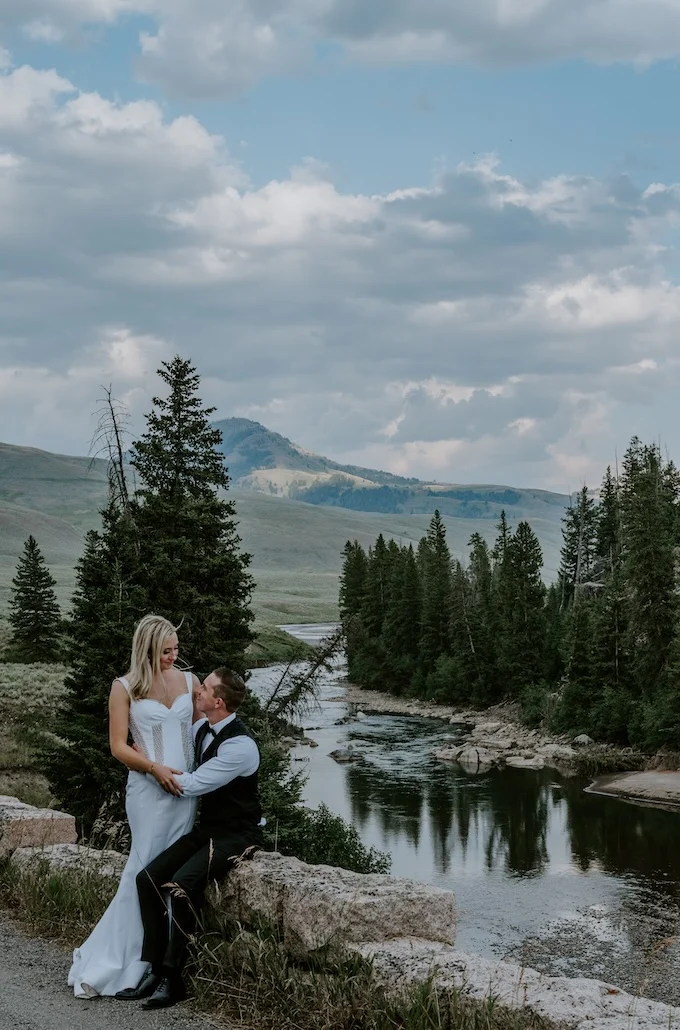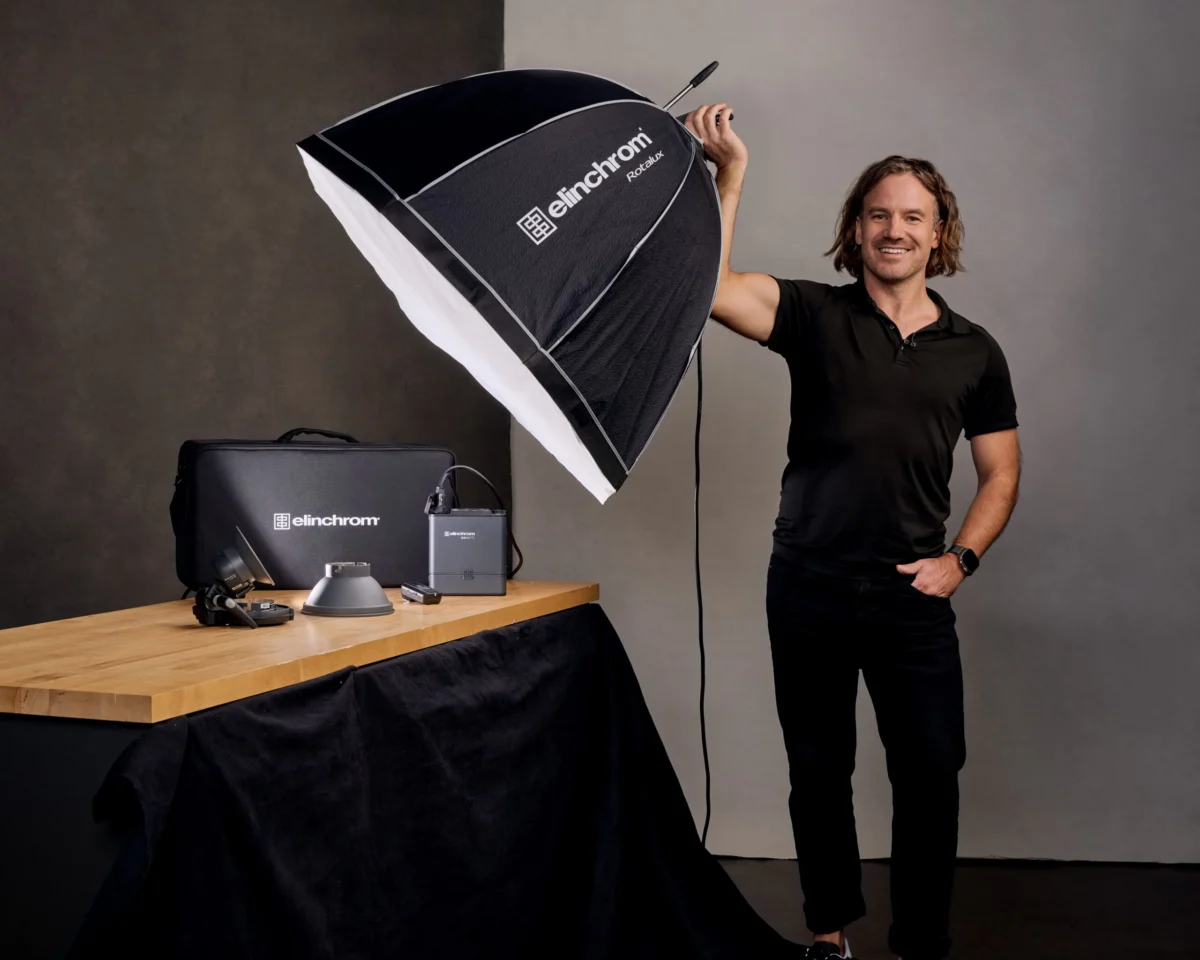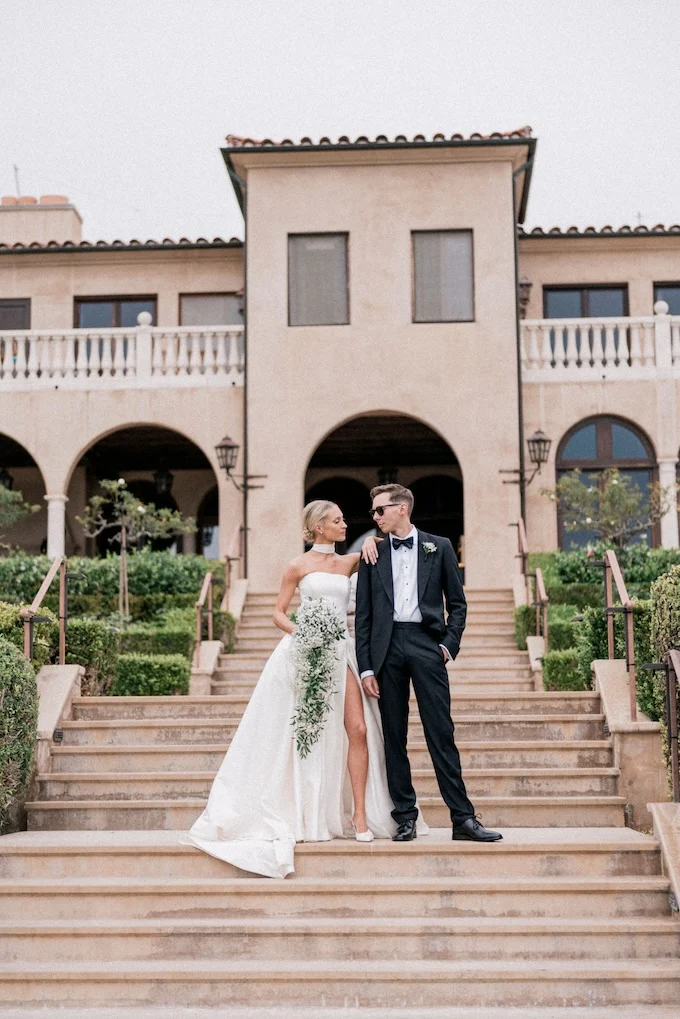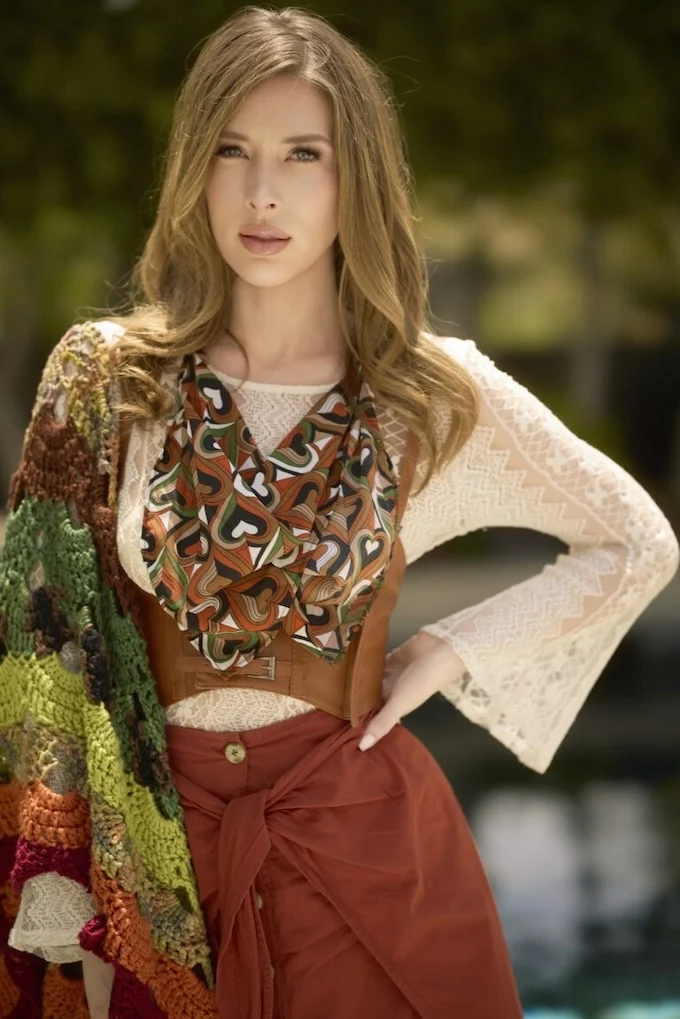
When it comes to crafting compelling portraits, photographers often gravitate towards the gentle embrace of soft, diffused light. This conventional wisdom, born from a desire for flattering and forgiving illumination, frequently leads to the widespread use of diffusers, umbrellas, and the strategic pursuit of overcast skies. However, a paradigm shift in lighting aesthetics is being championed by renowned photographer Roberto Valenzuela, who asserts that some of the most visually arresting portraits emerge not from avoiding harshness, but from embracing it. Valenzuela’s insights are now comprehensively detailed in his new "Dynamic Lighting Masterclass," available through WPPI On Demand, offering a radical re-evaluation of light’s potential in portraiture.
The Counterintuitive Power of Hard Light
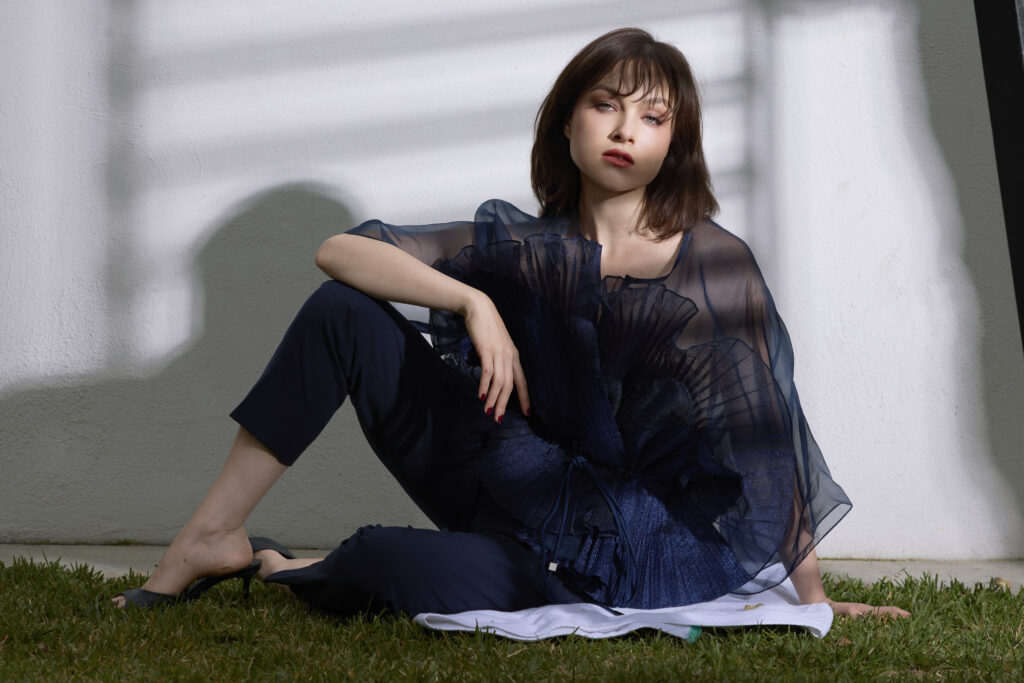
Valenzuela challenges the prevalent notion that hard light is inherently difficult to manage, positioning it instead as a tool for creating images of unparalleled dynamism. "Hard light gets a bad reputation because it’s more difficult to use. But it’s not really difficult," Valenzuela states. "If you have some control over your subjects, hard light is going to look ten times more dynamic, ten times more amazing."
The effectiveness of hard light, according to Valenzuela, lies in its ability to imbue images with several key characteristics:

- Dramatic Contrast: Hard light creates distinct areas of bright highlights and deep shadows, sculpting the subject’s features and lending a sense of volume and three-dimensionality. This pronounced contrast draws the viewer’s eye, emphasizing form and texture in a way that soft light often smooths over.
- Defined Textures and Details: The sharp edges of shadows cast by hard light accentuate the finer details of a subject’s skin, hair, and clothing. This can add a raw, authentic quality to portraits, revealing nuances that might otherwise be lost.
- Intensified Mood and Emotion: The inherent drama of hard light can be leveraged to evoke specific emotional responses. The strong chiaroscuro effect can create a sense of mystery, intensity, or even a gritty realism, depending on how it is applied. Valenzuela notes, "People are going to look at the photo, and they can’t stop looking at it. There’s something beautiful about it because it’s not normal to see lighting like that."
This deliberate departure from conventional soft-lighting practices allows photographers to break free from visual monotony and create images that possess a unique, captivating quality. The intensity and directness of hard light demand attention, making the subject’s presence more palpable and the overall image more memorable.
Essential Gear: The Unsung Hero of Light Control
A critical piece of advice from Valenzuela, aimed at optimizing the use of hard light modifiers and potentially saving photographers significant investment, centers on an often-overlooked accessory: the grid. "Never buy a hard light modifier without also purchasing its grid," he strongly advises. "Hard modifiers without a grid is like a car without a steering wheel. If you can’t afford the grid, then don’t buy the modifier at all because it’s a waste of your money."

The indispensable role of a grid lies in its ability to control the spread of light. Without a grid, a hard light source, such as a bare bulb flash or a small reflector, can produce light that spills uncontrollably in all directions. This errant light can illuminate the background, flatten the subject, and diminish the desired separation between the subject and their environment. A grid, essentially a honeycomb-like attachment, narrows the beam of light, directing it precisely where the photographer intends it to fall. This focused illumination is crucial for:
- Subject Isolation: By preventing light from scattering, grids help to keep the background dark and uncluttered, ensuring that the viewer’s attention remains fixed on the subject. This is particularly important when aiming for dramatic portraits where the subject is the sole focus.
- Controlled Light Placement: Grids allow for precise control over the falloff of light, enabling photographers to sculpt facial features with greater accuracy and create specific lighting patterns. This level of control is fundamental to achieving dynamic and intentional lighting setups.
- Minimizing Post-Processing: Effective light control during the shoot, facilitated by a grid, can significantly reduce the need for extensive retouching later. This not only saves time but also preserves the integrity of the captured image.
Valenzuela’s emphasis on the grid underscores a fundamental principle of professional lighting: control. While hard light offers dramatic potential, its effective deployment hinges on the ability to precisely direct it, a capability that a grid significantly enhances.

The "Batman and Robin" Technique: A Masterclass in Dynamic Duo Lighting
Beyond the fundamental understanding of hard light and the necessity of grids, Valenzuela introduces a signature technique that exemplifies his approach to dynamic portraiture: the "Batman and Robin" method. This strategy involves a deliberate interplay between two distinct light sources, each with a specific role, to create a balanced yet impactful image.
The core of the "Batman and Robin" technique is the combination of a primary hard light source (the "Batman") with a secondary, softer or medium-intensity light (the "Robin"). The hard light establishes the dramatic foundation of the portrait, defining key features and creating strong visual interest. The secondary light then serves a crucial fill or accentuating role, ensuring that essential details are not lost in the shadows and that the overall image remains pleasing and well-exposed.

Valenzuela elaborates on this concept: "You don’t have to, but it works quite well to do it with two sources of light, a hard one and a medium or soft one." This hybrid approach offers several significant advantages:
- Balanced Contrast and Detail: The hard light provides the dramatic "punch," while the softer fill light gently illuminates the shadow areas, preserving detail and preventing the image from becoming overly dark or muddy. This creates a compelling interplay of light and shadow that is both dramatic and technically sound.
- Controlled Sculpting: The hard light can be used to sculpt specific areas, such as the cheekbones or jawline, creating definition. The softer light can then be used to subtly lift the shadows on the opposite side of the face or to fill in any areas that might appear too dark, ensuring a pleasing overall facial rendering.
- Creative Flexibility: This two-light setup provides a broad canvas for creative expression. Photographers can adjust the intensity and position of each light to achieve a wide range of looks, from subtly dramatic to intensely moody. The hard light can be a key light, while the softer light acts as a fill, or vice-versa, depending on the desired effect.
This method acknowledges the inherent power of hard light while mitigating its potential pitfalls by integrating the balancing influence of a softer light. It represents a sophisticated understanding of light as a malleable element that can be manipulated to achieve specific artistic and emotional outcomes.

Expanding the Lighting Repertoire: Deeper Dives in the Masterclass
The insights shared by Valenzuela represent just a fraction of the comprehensive knowledge offered in his "Dynamic Lighting Masterclass." The course delves into a much broader spectrum of lighting principles and applications, equipping photographers with a robust toolkit for diverse shooting scenarios. Beyond the core concepts of hard and soft light, the masterclass explores:
- Light Shaping Techniques: Detailed instruction on how to manipulate light through various modifiers and their strategic placement to achieve precise effects. This includes an in-depth look at different types of reflectors, softboxes, and strobes, and how to use them to control the quality and direction of light.
- Advanced Color Theory in Lighting: Understanding how color temperature and light interact to influence the mood and perception of an image. This section likely covers how to use colored gels and gels for creative effect, as well as how to balance different light sources with varying color temperatures.
- Mastering Light Placement and Angles: Valenzuela’s approach emphasizes the importance of positioning lights meticulously to sculpt subjects, create depth, and evoke specific emotions. This involves exploring various lighting patterns such as Rembrandt, loop, and butterfly lighting, and how to adapt them using dynamic lighting principles.
- Creative Use of Shadows: Moving beyond the fear of shadows, the course teaches how to embrace them as integral compositional elements that add drama, texture, and mood to photographs. This includes understanding shadow shapes, densities, and how they interact with the subject and the environment.
- Integrating Natural and Artificial Light: Strategies for seamlessly blending ambient light with strobes or continuous lighting to achieve natural-looking yet creatively controlled illumination. This is crucial for photographers who shoot in mixed lighting environments or want to enhance existing light conditions.
- Problem-Solving Common Lighting Challenges: Practical solutions for dealing with difficult shooting conditions, such as high-contrast environments, limited space, or challenging subject features, using the principles of dynamic lighting.
The "Dynamic Lighting Masterclass" is designed not merely to teach specific techniques but to foster a deeper, more intuitive understanding of light itself. By demystifying the application of challenging lighting conditions and offering structured, actionable methods, Valenzuela empowers photographers to move beyond rote application and towards genuine creative mastery.

The Broader Impact: Elevating Portrait Photography
Roberto Valenzuela’s philosophy on dynamic lighting represents a significant contribution to the field of portrait photography. In an era where digital tools can often mask lighting deficiencies, his emphasis on fundamental, intentional lighting control is a timely reminder of the craft’s core principles. The availability of his "Dynamic Lighting Masterclass" on WPPI On Demand makes this advanced knowledge accessible to a global audience, potentially fostering a wave of photographers who are more confident and capable in their lighting techniques.
The implications of this approach extend beyond individual photographers. As more artists embrace dynamic lighting, the landscape of portrait photography itself is likely to evolve, with an increased appreciation for images that possess a distinct visual signature and emotional depth. The techniques taught by Valenzuela encourage a departure from the ubiquitous "safe" lighting, pushing boundaries and resulting in a richer, more diverse photographic output.
Ultimately, Valenzuela’s message is one of empowerment. He demonstrates that the perceived difficulty of certain lighting techniques is often a barrier of mindset rather than skill. By providing the knowledge and frameworks to overcome these barriers, he enables photographers to unlock new creative potentials and produce work that is not only technically proficient but also artistically compelling and deeply resonant. The "Dynamic Lighting Masterclass" is therefore more than just a course; it is an invitation to transform one’s photographic vision and create images that truly capture the imagination.
For those ready to embark on this transformative journey, the complete "Dynamic Lighting Masterclass" is accessible through the WPPI On Demand Store, offering a comprehensive path to mastering the art of shaping light and creating portraits that stand apart.