Southwestern Alaska’s rugged coastline and verdant river valleys transform each year into a theater of nature’s most profound dramas. Amidst the ethereal mists that shroud glacial peaks, a phenomenon of immense ecological significance unfolds: the annual salmon run. This extraordinary event draws brown bears from their solitary existence to witness and participate in one of the planet’s most vital and visually stunning wildlife migrations. Millions of salmon, driven by an ancient instinct, embark on a perilous journey upstream to their natal streams, a struggle that sustains an intricate web of life.
The Salmon’s Odyssey: A Biological Imperative
The salmon run is not a singular event but a multi-phased migration, meticulously orchestrated by species. The sockeye salmon typically lead the charge, their vibrant red bodies a stark contrast against the rushing waters. They are followed by the pink salmon, then the coho, the chum, and finally, the formidable chinook, often referred to as the king salmon. This epic migration spans a considerable five months, commencing in late May and extending through the heart of October. This extended period is crucial, aligning perfectly with the bears’ most critical feeding window.
Bears’ Annual Feast: Fueling Survival Through Hyperphagia
For the brown bears of southwestern Alaska, the salmon run represents an indispensable opportunity to replenish their energy reserves. As winter’s icy grip approaches, these apex predators must accumulate substantial fat and nutritional stores to endure the lean months ahead. This intense period of feeding is characterized by a physiological state known as hyperphagia, where bears exhibit an insatiable appetite, consuming an estimated hundreds of thousands of calories daily. This sustained gorging is not a matter of indulgence but a fundamental requirement for survival, enabling them to hibernate effectively and emerge in the spring with the strength to reproduce and raise their young.
A Hierarchy of Hunger: Navigating the Riverine Buffet
Each bear, with its unique temperament and physical attributes, establishes its own favored fishing grounds and feeding strategies. The riverine ecosystem becomes a dynamic social arena, dictated by the laws of nature and the primal drive for sustenance.
The Reign of the Alpha Males
Alpha male brown bears, often weighing an imposing 1,500 pounds (approximately 680 kg), are the undisputed lords of the salmon run. Their sheer size and formidable strength allow them to claim the most advantageous positions along the riverbanks and even venture into the churning heart of the current. Braced against the powerful flow, they can patiently wait for salmon to come within striking distance, their immense musculature a testament to their dominance. These prime feeding spots are fiercely defended, and younger or subordinate bears are often relegated to less optimal locations.
Agility and Adaptability: The Strategies of Younger Bears
In contrast to the brute force of the alpha males, younger bears, both male and female, often employ speed and agility to their advantage. They may utilize the cover of tall grasses and vegetation along the riverbanks, ambushing salmon as they navigate shallower waters or attempt to evade larger predators. This adaptive approach highlights the diverse survival strategies employed within the bear population, demonstrating that intelligence and quick reflexes can be as effective as sheer power.
The Vigilance of Mothers and Cubs
Perhaps the most poignant and vulnerable participants in this natural spectacle are mother bears and their cubs. For these maternal figures, the salmon run is a constant tightrope walk between providing for their offspring and ensuring their safety. Mother bears must remain acutely aware of their surroundings, their every move dictated by the need to protect their young.
The Perilous Journey of Motherhood
Bringing cubs to the river’s edge is fraught with inherent risks. Young cubs, typically only five to six months old at this stage of the run, are virtually defenseless. They are still reliant on their mother’s milk but have begun to explore solid food, including protein-rich grasses, a testament to their developing independence. This period marks a critical juncture in their development, and their survival hinges entirely on their mother’s vigilance.
The Shadow of Infanticide
A stark and brutal reality of the wild, particularly during intense feeding periods, is the threat of infanticide. Male bears, especially the dominant alpha males, have been observed killing cubs, a behavior that, while disturbing to human observers, is a recognized aspect of bear social dynamics. Scientific research suggests several potential evolutionary drivers for this behavior, including the reduction of competition for scarce food resources, sexual selection (as killing cubs can bring females into estrus sooner), and, in some instances, cubs themselves may be consumed as a food source.
For a mother bear, this existential threat necessitates an unwavering focus on defense. Her primary responsibility is to shield her young from these predatory males, a daunting task given the size and aggression of her potential adversaries. Her every decision is weighed against the potential danger to her cubs.
A Moment of Serendipity: An Encounter on the Riverbank
In late August, at the zenith of the salmon run, an observer found themselves on a tranquil stretch of a southwestern Alaskan riverbank. The air was filled with the sounds of splashing salmon, a gentle reminder of the vibrant ecosystem at play, yet the overall atmosphere was one of profound quietude. Several larger bears were actively fishing upstream, seemingly engrossed in their pursuit of an easy meal.

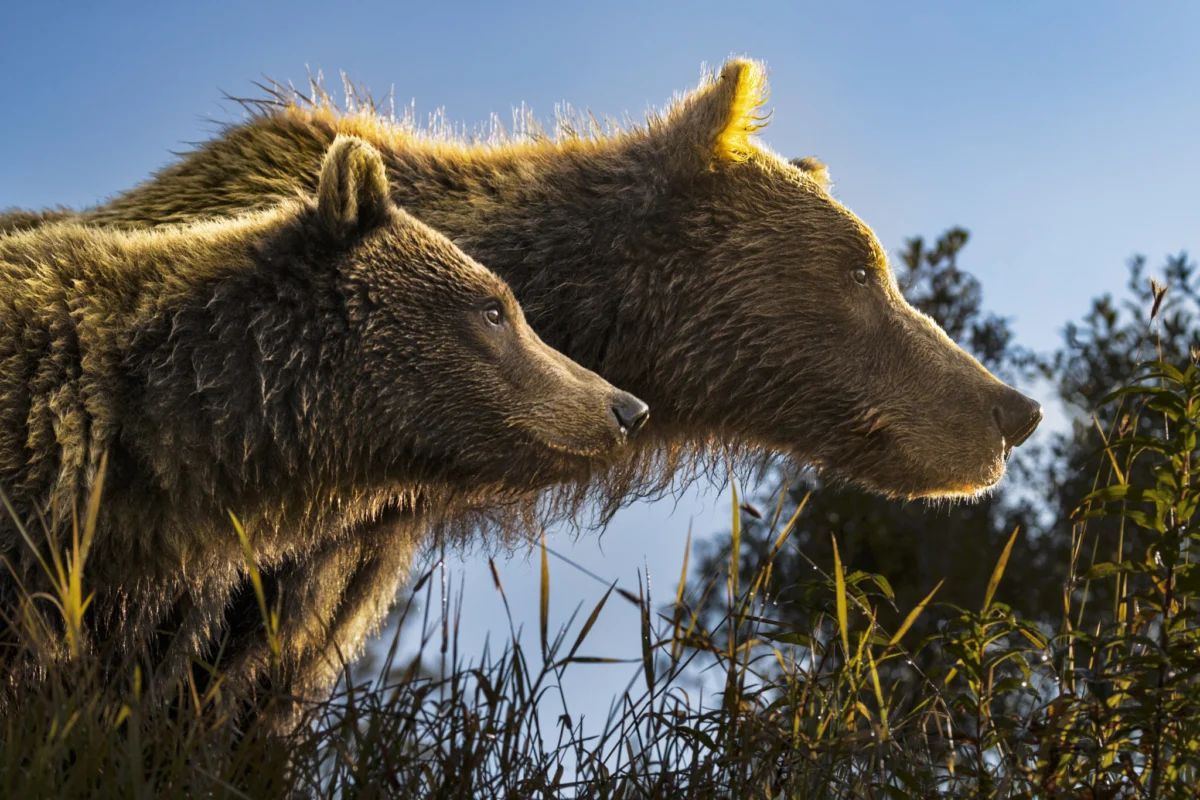
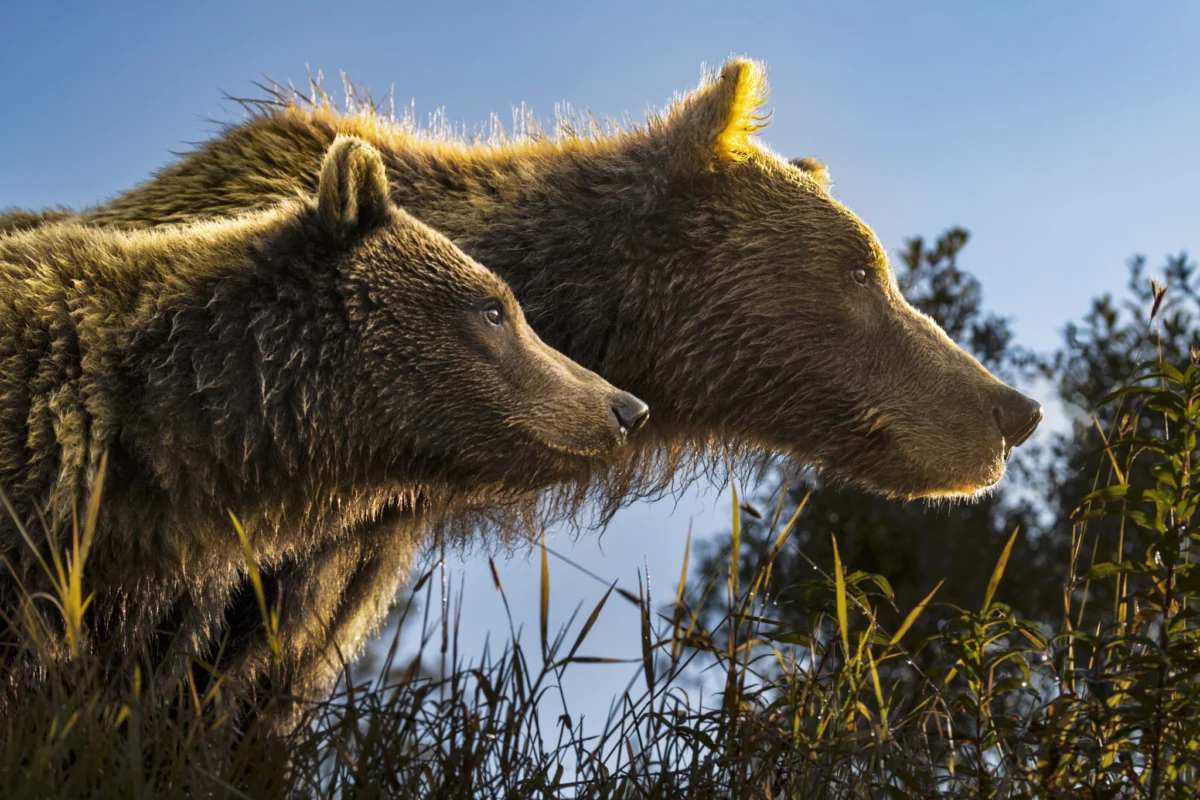
Suddenly, a subtle disturbance in the nearby underbrush drew attention. A rustling, a sense of movement indicating something significant was near. Emerging from the dense foliage, approximately eight feet away, were a mother bear and her cub. The cub, estimated to be no more than eight months old, tentatively poked its head out, its youthful curiosity evident.
In such close proximity to wild animals, a profound sense of respect and caution is paramount. The observer, recognizing the delicate nature of the encounter, consciously slowed their breathing and avoided direct eye contact, adopting a non-threatening posture. This deliberate act of humility was an attempt to convey peaceful intentions, an implicit apology for intruding upon their natural world.
The mother bear, her senses finely tuned to her surroundings, emerged fully from the brush. Her ears were perked, her eyes alert, scanning the environment with an intensity that spoke of deep maternal instinct. Her primary focus was not on the human observer but on a large male bear fishing further upstream. He appeared oblivious to their presence, engrossed in his hunt. Yet, the mother bear remained hyper-vigilant, observing, listening, and seemingly learning from the dynamics of the larger male’s feeding strategy.
The Art of Observation: Capturing a Fleeting Moment
In moments of intense wildlife encounters, movement must be deliberate and gentle. The observer, without a telephoto lens and relying on a wide-angle zoom, recognized the need for extreme caution. The advice often given to field assistants in such situations is to move with the fluidity and grace of Tai Chi, even when under pressure to adjust equipment or reposition. Every motion should be slow, smooth, and carefully considered.
With measured movements, the camera was raised to the eye. The objective was not to disturb the fragile peace of the scene but to document it with minimal intrusion. Two swift captures were made, the photographer unsure if the fleeting moment had been successfully preserved. Yet, as it transpired, one of these images would become a deeply cherished capture, a testament to the unexpected beauty and profound connection that can occur between humans and the wild.
This encounter was a profound demonstration of trust, albeit a passive one. The animals acknowledged the observer’s presence, recognizing them not as a threat but as an insignificant element in their immediate world. The true danger, the looming presence of the large male bear, dictated the mother’s focus and the observer’s respectful distance. It was a serendipitous convergence of luck, timing, and happenstance, a chance intersection that allowed for the capture of a moment as the day’s last light receded behind the mountains.
Ecological Significance and Broader Implications
The annual salmon run in southwestern Alaska is more than just a spectacle of wildlife; it is a cornerstone of the region’s ecosystem. The abundance of salmon directly supports not only the brown bear population but also numerous other species, including bald eagles, otters, and various fish predators. The health of the salmon runs is intrinsically linked to the health of the marine environments where they originate and the freshwater systems where they reproduce.
Supporting Data and Context:
- Salmon Population Estimates: While exact numbers fluctuate annually, the Pacific Northwest region, which includes Alaska, typically sees tens of millions of salmon return each year. The sheer biomass of these migrating fish represents a critical pulse of energy flowing through the ecosystem.
- Brown Bear Diet: Salmon are incredibly nutrient-dense. A single large salmon can provide thousands of calories, making them an essential food source for bears preparing for winter. Studies indicate that salmon can constitute a significant portion of a brown bear’s diet during the summer and fall months in coastal regions.
- Conservation Efforts: Various governmental and non-governmental organizations are actively involved in monitoring and protecting salmon populations and their habitats. This includes efforts to ensure fish passage, manage fishing quotas, and mitigate the impacts of climate change and human development on aquatic ecosystems.
Analysis of Implications:
The continued success of the salmon run is vital for maintaining the biodiversity and ecological integrity of southwestern Alaska. Any disruption to this annual event, whether due to climate change impacting water temperatures, habitat degradation, or overfishing, could have cascading negative effects throughout the food web. The relationship between bears and salmon exemplifies the delicate balance of predator-prey dynamics and the interconnectedness of all living organisms within an ecosystem. The observed behaviors, from the aggressive dominance of alpha males to the protective instincts of mothers, underscore the complex social structures and survival imperatives that govern wildlife populations. Understanding these dynamics is crucial for informed conservation strategies and for appreciating the profound resilience and beauty of the natural world.
The observations from this particular encounter, while personal, reflect a broader truth about the wild: moments of profound connection and breathtaking beauty often arise from a deep understanding and respect for the natural order. The acceptance of an observer into such an intimate scene is a rare privilege, a reminder of the wildness that persists and the importance of safeguarding these vital natural processes for generations to come.