The Godox C100 has entered the photography market as a distinctive, multi-functional device that challenges the conventional trajectory of digital imaging technology. In an era dominated by high-resolution sensors and computational photography, the C100—a 2-megapixel digital camera that doubles as an integrated light meter—represents a pivot toward intentionality and simplicity. Retailing for approximately £39 (roughly $50 USD), the device occupies a unique niche, appealing to both street photographers seeking a "lo-fi" aesthetic and analog enthusiasts in need of a compact exposure tool. To evaluate such a device requires a departure from standard benchmarking; as the late film critic Roger Ebert famously argued, a product should be judged based on how well it fulfills its intended purpose rather than how it compares to high-end alternatives. For the Godox C100, that purpose is to provide a distraction-free, spontaneous photographic experience while offering utility for film-based workflows.
Technical Specifications and Hardware Overview
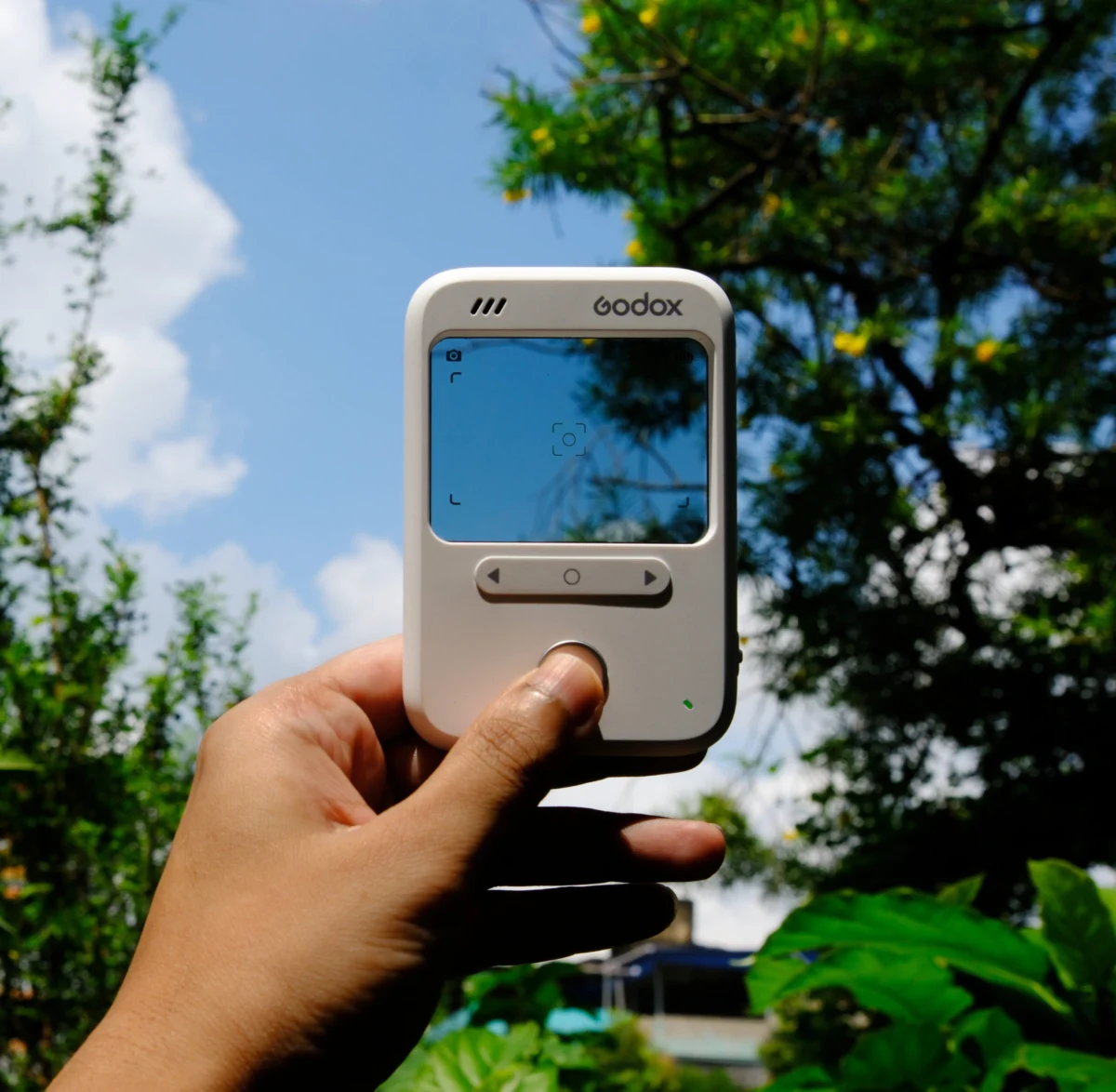
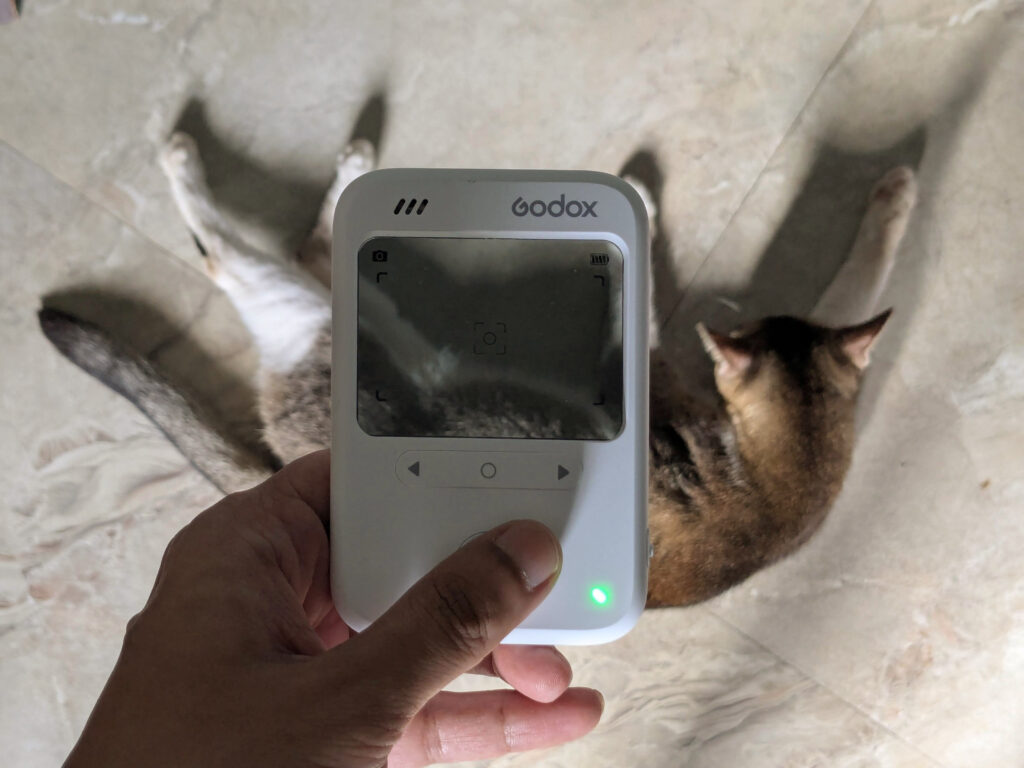
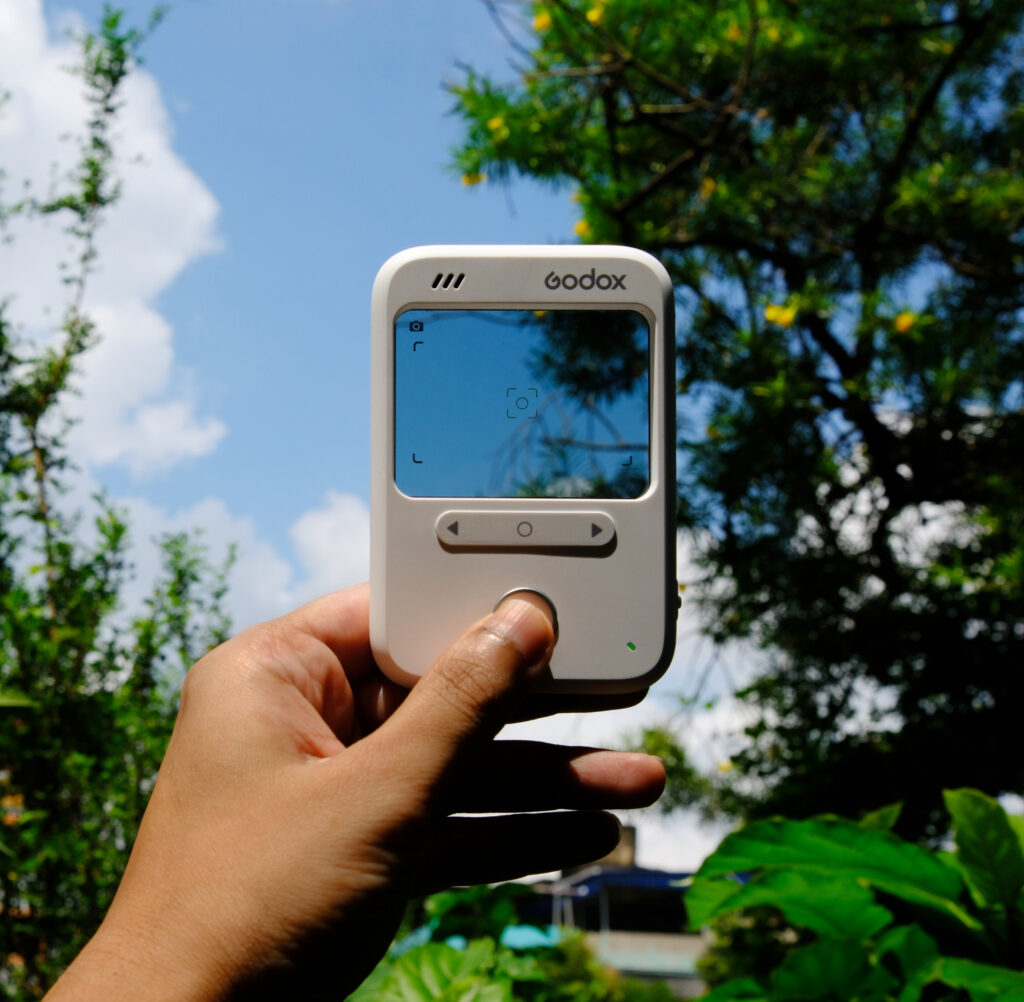
The Godox C100 is characterized by its ultra-compact form factor, measuring smaller than a standard smartphone and weighing significantly less. Its primary hardware feature is a transparent viewfinder window that utilizes an optical-less design, overlaid with a digital heads-up display (HUD). This interface provides essential shooting information without the need for a traditional LCD screen on the rear of the device.

Internally, the camera utilizes a 2-megapixel sensor capable of capturing both still images and video. The interface is minimalist, featuring a three-position sliding switch on the side to toggle between Photo, Video, and Light-Meter modes. On the front fascia, a horizontal control bar houses "Left," "Select," and "Right" buttons. In Photo mode, these controls allow the user to cycle through four distinct aspect ratios: 16:9, 3:2, 4:3, and 1:1. When switched to Light-Meter mode, the buttons enable the adjustment of ISO and either shutter speed or aperture, allowing the device to calculate the third exposure parameter.
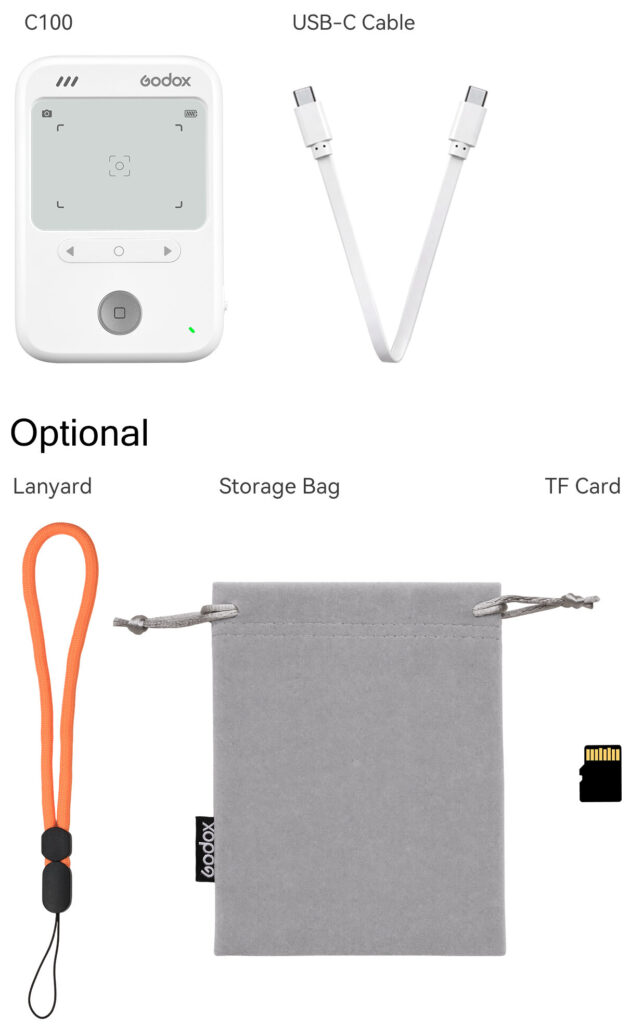
The device is powered by an internal rechargeable battery via a USB-C port, which also serves as the data transfer interface. Storage is handled through a micro-SD card slot. Notably, the C100 does not offer wireless connectivity or an instant review screen, reinforcing its identity as a "blind" shooting tool reminiscent of analog film photography.

The Light Meter: Precision and Analog Integration
One of the most significant value propositions of the Godox C100 is its functionality as a reflected-light meter. For analog photographers using vintage cameras without internal metering—such as the Minolta Autocord TLR or the Leica M series—the C100 serves as a cost-effective alternative to dedicated professional meters from brands like Sekonic.
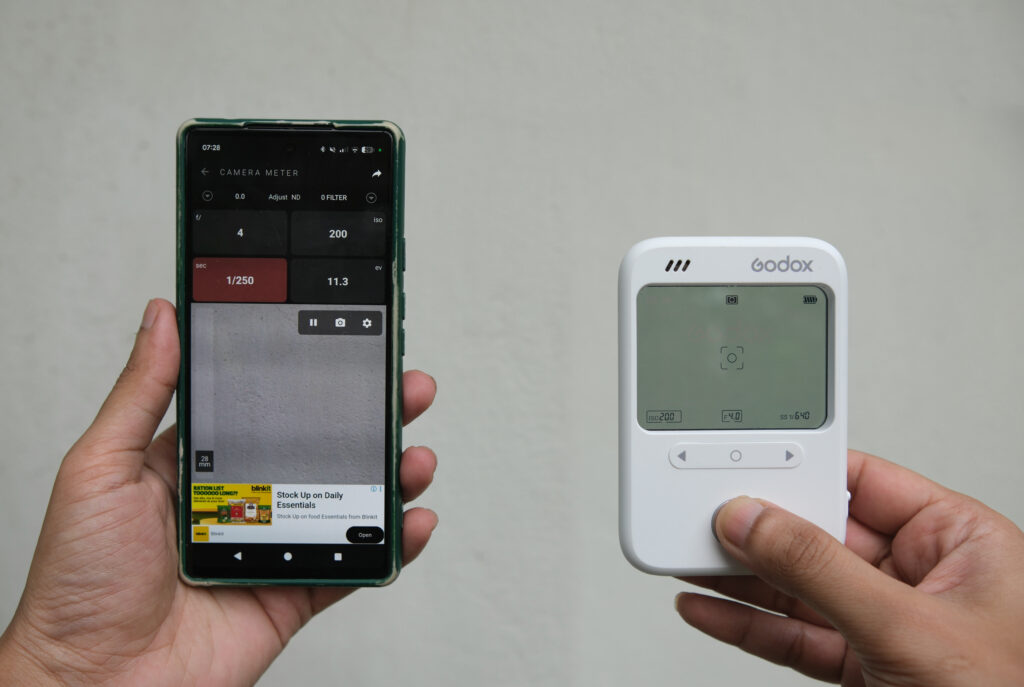
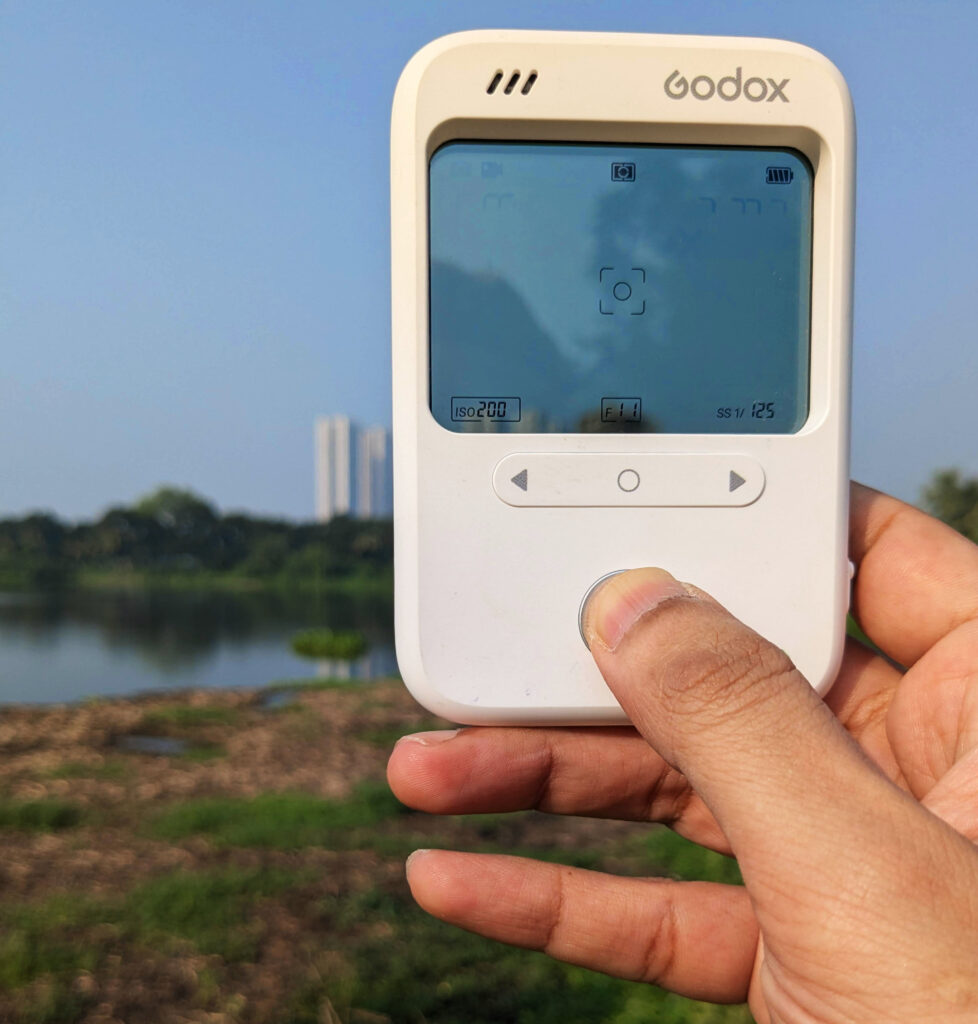
Technical testing indicates that the C100’s light-metering range is comprehensive, covering:

- ISO: 25 to 6400
- Aperture: f/1.0 to f/64
- Shutter Speed: 32 seconds to 1/8000 sec
All measurements are provided in 1/3-stop increments. Field tests conducted in various lighting conditions, including high-contrast street scenes in Kolkata, demonstrate that the C100’s metering is accurate within a marginal error of approximately 1/3 stop when compared to professional-grade internal meters and trusted mobile applications. For example, in open shade, the C100 might suggest an exposure of 1/200 sec at a specific aperture and ISO, while a dedicated meter suggests 1/250 sec—a negligible difference for most film stocks, particularly negative film with wide latitude.
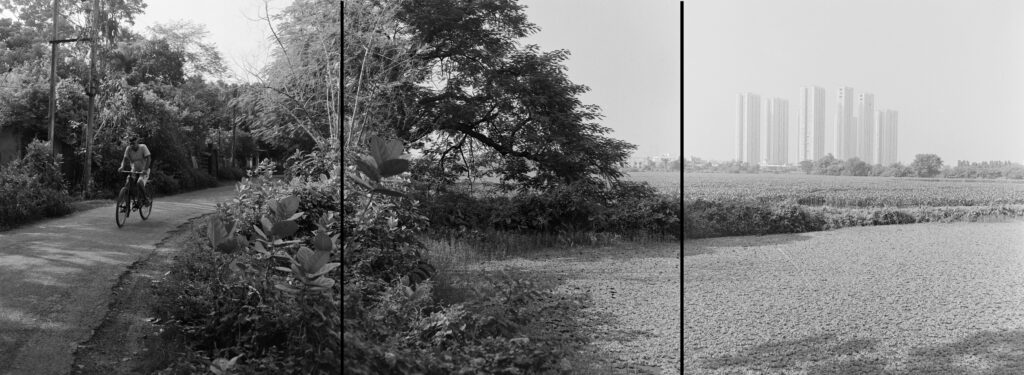
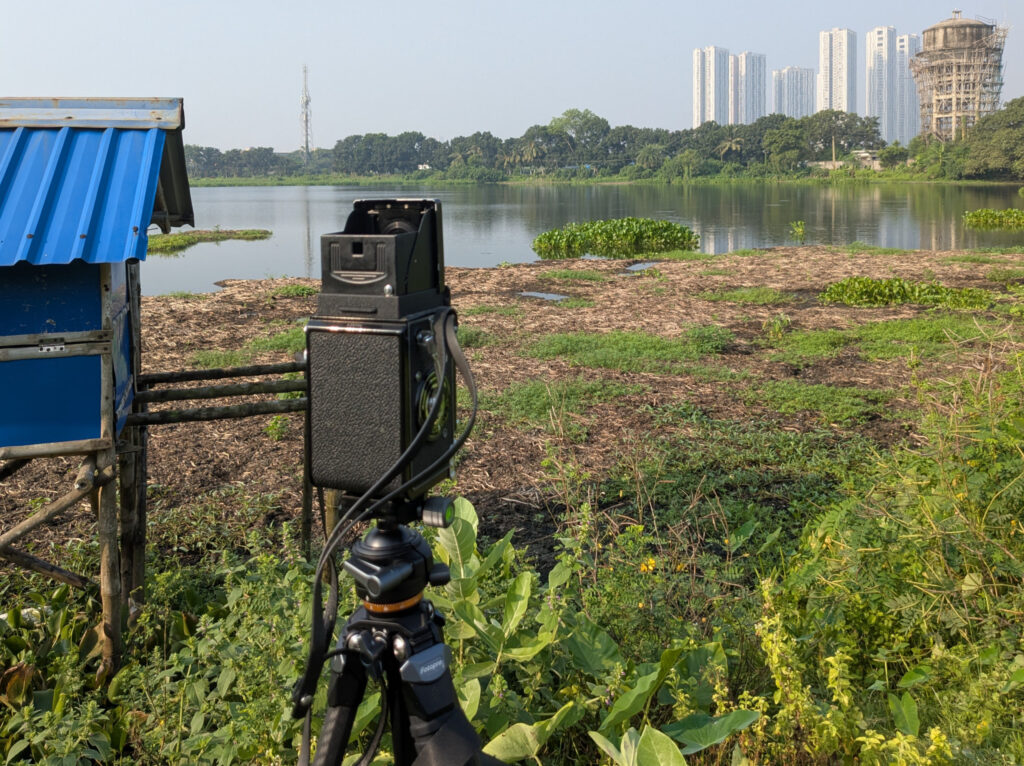
The utility of this feature was further validated through the creation of panoramic triptychs using a Minolta Autocord TLR. By using the C100 to meter complex, high-dynamic-range scenes, photographers can achieve consistent exposures across multiple frames, proving that the device is a legitimate tool for serious analog workflows despite its "toy camera" appearance.
Imaging Performance and Software Limitations
While the light meter performs with professional-level reliability, the 2-megapixel camera sensor presents a more complex set of results. The C100 is not designed to compete with the dynamic range or sharpness of modern mirrorless systems; instead, it produces images with a distinct "vintage digital" character. However, technical analysis reveals several areas where the software struggles to maximize the hardware’s potential.
Exposure Bias and Dynamic Range
Data from field testing suggests that the Godox C100 has a consistent tendency toward overexposure. In high-contrast environments, such as a flower against dark foliage or a metallic surface under direct sun, the sensor frequently clips highlights beyond the point of recovery. Because the camera lacks manual exposure compensation, users must rely on post-processing to correct these files. Journalistic analysis of the sensor output indicates that the C100 would benefit from a software update that biases exposure toward the shadows, as digital "blown highlights" are significantly more detrimental to image quality than "crushed shadows."
Color Fidelity and White Balance
Color analysis performed using standardized test charts reveals a consistent shift toward cooler (blue/magenta) tones. When compared to the neutral color science of flagship smartphones, the C100 desaturates greens and shifts reds toward the purple end of the spectrum. This "cool" bias, combined with the overexposure tendency, results in images that often require manual warming and saturation adjustments in post-production to achieve a faithful representation of the scene.
Fixed Focus and Parallax Error
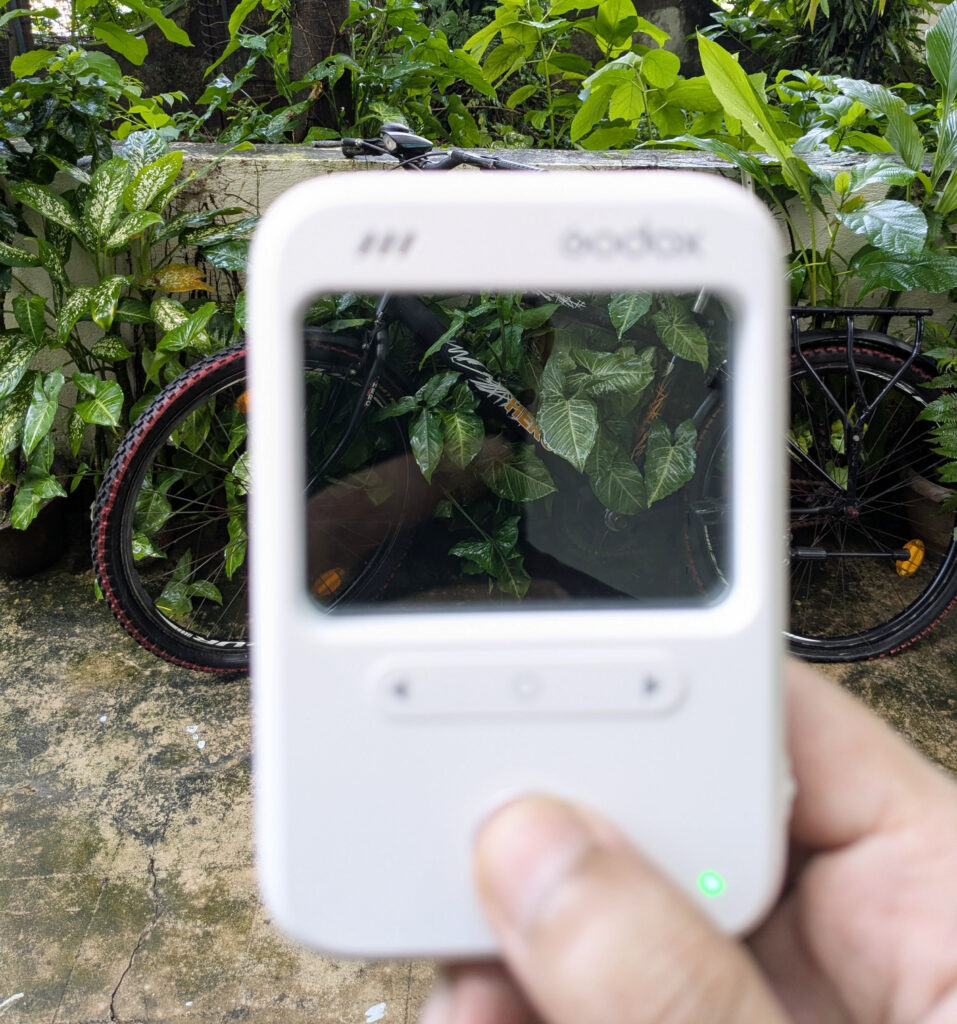
The C100 utilizes a fixed-focus lens with an effective range starting at approximately one meter (three feet) to infinity. Close-up subjects often fall outside this focal plane, resulting in soft images. Furthermore, the transparent viewfinder suffers from significant parallax error. Because the viewfinder is physically offset from the lens and lacks optical magnification, the framelines provided in the HUD only approximate the actual field of view when the device is held extremely close to the eye. At a natural viewing distance of 15-20 cm, the camera captures a much wider angle (approximately 28mm equivalent) than the viewfinder suggests.

Market Context: The Resurgence of Lo-Fi and Digital Detox
The release of the Godox C100 occurs within a broader cultural shift in the photography industry. There is a growing demand for "single-purpose devices" that offer a reprieve from the "all-in-one" nature of smartphones. This trend is driven by two primary factors:

- The Lo-Fi Aesthetic: Much like the resurgence of vinyl records or the popularity of CCD-sensor cameras from the early 2000s, younger photographers are seeking out "imperfect" digital aesthetics. The 2-megapixel output of the C100 provides a textured, nostalgic look that contrasts with the hyper-processed, AI-enhanced images of modern phones.
- Intentionality in Craft: By removing the LCD screen, Godox encourages a "shoot now, see later" philosophy. This mimics the psychological experience of film photography, where the lack of instant gratification forces the photographer to focus on the environment and the moment of capture rather than the immediate digital result.
Godox, a company traditionally known for professional studio lighting equipment, is leveraging its manufacturing scale to experiment in this lifestyle segment. The C100 follows the success of their "Lux" series of vintage-inspired flashes, suggesting a strategic move to capture the "retro-tech" market.

Chronology of the Ultra-Compact Camera Segment
To understand the C100’s place in history, one must look at the evolution of ultra-compact digital devices:

- Early 2000s: The rise of "keychain cameras" which offered sub-VGA resolution and poor build quality.
- 2010s: The total displacement of the point-and-shoot market by the iPhone and Android devices.
- 2020-2023: The "Digital Film" movement, popularized by brands like Paper Shoot and the rise of the Fujifilm X100 series, which emphasized tactile controls and "film-like" output.
- 2024: Godox introduces the C100, combining the lo-fi camera concept with a functional tool (the light meter) to bridge the gap between digital fun and analog utility.
Implications for the Industry and Future Outlook
The Godox C100 serves as a proof-of-concept for a new category of hybrid accessories. While its imaging performance has clear limitations—specifically regarding exposure software and viewfinder accuracy—its success as a light meter makes it a viable tool for a specific demographic.
For the photography industry, the C100 highlights a path forward for budget-friendly innovation. If future iterations or firmware updates address the overexposure issues and refine the HUD framelines to better match the 28mm lens, the device could transition from a "toy" to a staple accessory for street and analog photographers. The inclusion of a shutter sound that cannot be muted remains a point of contention for candid street photography, but the device’s non-threatening, toy-like appearance largely mitigates the risk of confrontation in public spaces.

In conclusion, the Godox C100 is a bold, if imperfect, experiment. It succeeds as a reliable light meter and a fun, minimalist camera that captures the spirit of spontaneous photography. Its flaws are largely software-based, suggesting that the platform has the potential for significant refinement. For £39, it offers a low-stakes entry point into the world of "blind" digital photography, providing a unique alternative to the ubiquity of the smartphone.