The curtains have officially closed on the 2026 FIFA World Cup, a tournament that will be remembered not only for its breathtaking athletic drama and unforgettable matches but also for setting an unprecedented standard in sports broadcasting technology. From the opening whistle to the final penalty shootout, fans globally were treated to an immersive viewing experience, meticulously engineered through a suite of advanced technological innovations. This global spectacle, co-hosted across 16 cities in Canada, Mexico, and the United States, served as a monumental proving ground for cutting-edge solutions designed to bring viewers closer to the heart of the action than ever before.
A New Era of Broadcast Innovation
The integration of advanced technology into sports broadcasting is not new, but the 2026 World Cup represented a significant leap forward. FIFA, in collaboration with Host Broadcast Services (HBS) and various technology partners, orchestrated a complex technical infrastructure to deliver unparalleled coverage across its 104 matches. This commitment to innovation aimed to enhance fan engagement, provide deeper tactical insights, and elevate the overall narrative of the world’s most watched sporting event. The core advancements included sophisticated aerial camera systems, referee-worn cameras, high-fidelity cinematic cameras, and advanced semi-automated officiating tools, all working in concert to redefine the viewing paradigm.
Spidercam: Elevating the Aerial Perspective
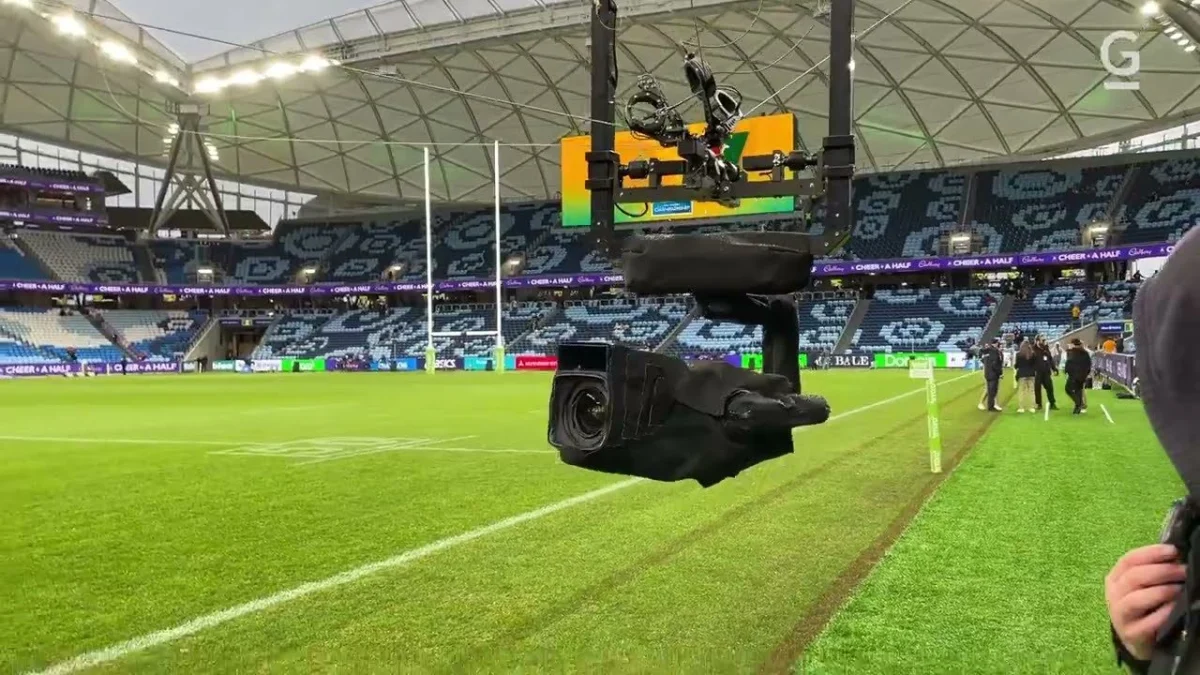
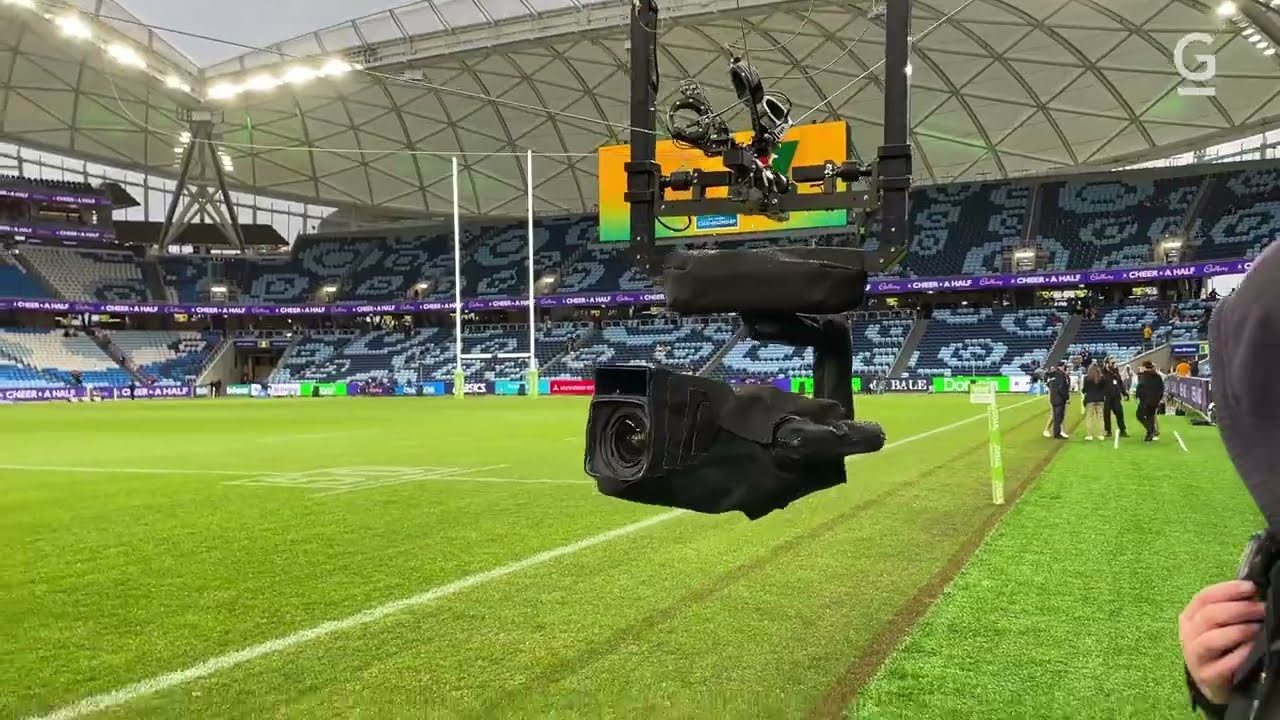
Among the most visually striking technological upgrades was the extensive deployment and enhanced utilization of the Spidercam system. These dynamic cable-suspended camera rigs, a familiar sight in major sporting events for over two decades, transcended their traditional roles at the 2026 World Cup. Historically, Spidercams were often restricted to pre-match warm-ups, halftime shows, and post-goal celebrations due to concerns over player distraction and safety during live play. However, advancements in software zoning, predictive analytics, and operator training enabled a revolutionary integration of these cameras directly into active match sequences.
For the first time in a World Cup, multiple Spidercam systems were deployed per venue, a strategy successfully piloted at the 2025 Club World Cup Final. Marquee stadiums featured not only the traditional 4-point Spidercam, capable of navigating three-dimensional space across the pitch, but also secondary, high-speed point-to-point cable cameras running parallel to the touchlines. This dual-system approach allowed for simultaneous multi-angle aerial tracking, crucial for capturing fast-break counters and intricate tactical movements from previously impossible vantage points. These next-generation rigs were equipped with ultra-lightweight 4K HDR broadcast cameras, paired with real-time augmented reality (AR) graphics tracking. This sophisticated integration allowed for live statistics, player speeds, and dynamic tactical grids to be overlaid seamlessly onto the aerial feed with near-zero latency, transforming raw footage into an interactive tactical display.
A significant highlight of their expanded role was their active deployment during penalty shootouts. Positioned dynamically behind or slightly above the kicker, these cameras captured the immense psychological tension, the goalkeeper’s precise movements, and the ball’s trajectory with an intimacy that brought viewers onto the pitch for these high-stakes moments. "The objective was to break the fourth wall, to give fans a perspective that mirrors the intensity of being there," stated Jean-Michel LeBlanc, Head of Broadcast Innovation at HBS. "Our enhanced Spidercam deployment, supported by advanced AI safety protocols, allowed us to push creative boundaries while maintaining absolute operational safety, covering an estimated 80% of the pitch area during live play without interference." The sheer volume of data processed by these systems – an estimated 200 terabytes over the course of the tournament for aerial footage alone – underscores the scale of this technological undertaking.
RefCam: A Referee’s Eye View of the Game

Perhaps the most talked-about and truly immersive innovation of the 2026 World Cup was the official introduction of the RefCam. This small, high-definition camera, discreetly mounted onto each referee’s headset, delivered a literal first-person perspective of the match. Jointly developed by FIFA’s football technology team, their refereeing department, and with advanced AI stabilization provided by Lenovo, this body camera offered an unfiltered view of the game’s intensity. Viewers experienced the rapid closing of space by players, the chaotic scramble within a crowded penalty box, and the intense, split-second nature of officiating decisions, fostering a newfound appreciation for the officials’ demanding role.
The technology underwent extensive testing, notably at the 2025 Club World Cup and in select Premier League matches, where Australian referee Jarred Gillett famously became one of the first to wear it in 2024. Its global deployment across all 104 matches of the 2026 tournament marked a significant milestone, redefining how fans perceive and understand the nuances of the game and the immense pressure on referees. "RefCam isn’t just a gimmick; it’s a tool for transparency and empathy," explained Dr. Sofia Khan, FIFA’s Director of Football Technology. "By seeing what the referee sees, fans gain invaluable insight into the speed, physicality, and complex decision-making processes inherent in top-tier football. Lenovo’s AI stabilization was critical in making the footage watchable and truly immersive, filtering out the natural movement of an active referee." The data streamed from these cameras, often wirelessly transmitted at 1080p resolution, added another layer of real-time information to the broadcast ecosystem.
Cinematic Storytelling: Beyond Traditional Broadcast
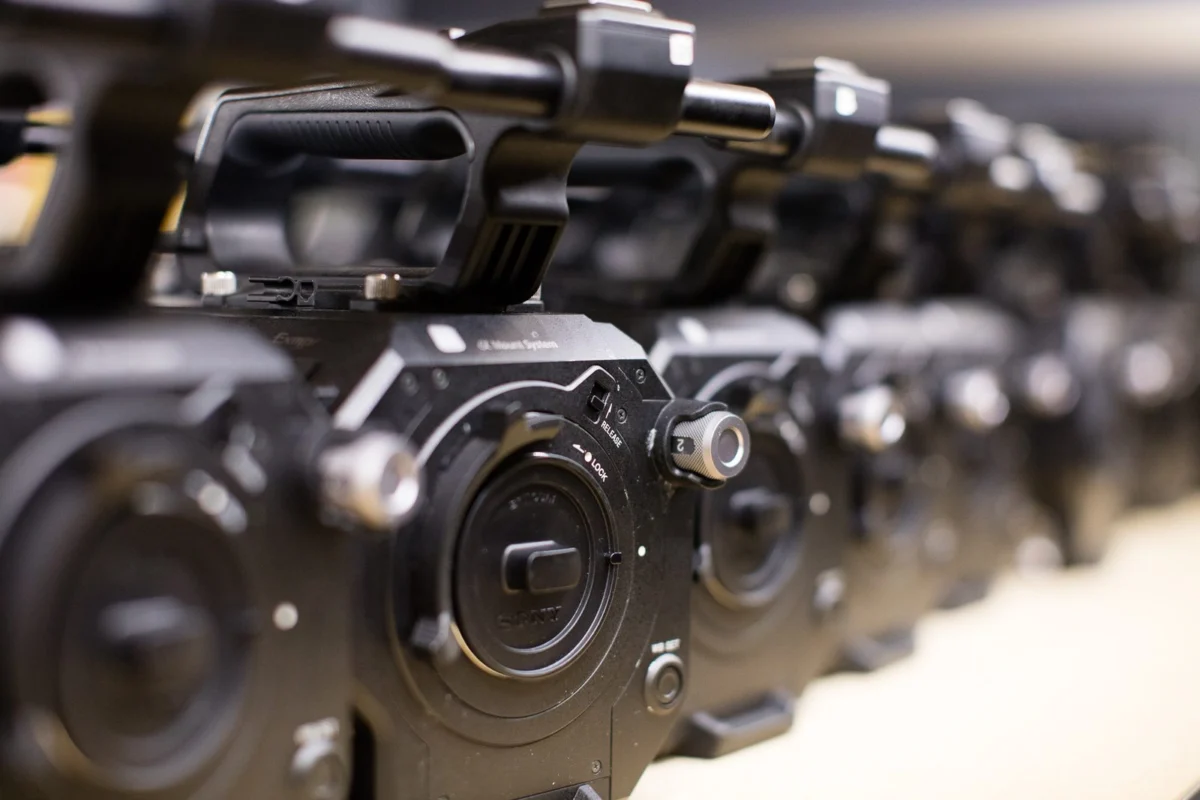
Building upon its successful integration at the 2022 World Cup in Qatar, FIFA further embraced high-end cinema cameras for live broadcasts in 2026. These are the same professional-grade cameras and lenses typically utilized in Hollywood film productions, high-budget commercials, and music videos. The aesthetic advantage lies in their ability to deliver a super-shallow depth of field, a visual characteristic that traditional broadcast cameras often cannot match. This cinematic quality was evident in the gorgeous, artistic shots: the razor-sharp focus on a player’s determined face amidst a blurred background, the dramatic close-ups of a coach pacing the sideline, or the raw emotion captured in the stands.
For the 2026 tournament, these cine rigs were a permanent fixture at every match, strategically positioned to capture pre-game tunnel walks, intimate player interactions, emotional fan reactions, and moody, high-fidelity close-ups. This deliberate artistic choice transformed the viewing experience from a standard sports event into a compelling visual narrative, blurring the lines between live sports and cinematic drama. "We wanted to tell the story of the World Cup with the visual poetry it deserves," commented LeBlanc. "The transition to cine cameras for specific moments allows us to highlight the human element, the passion, and the artistry of the game in a way that resonates deeply with audiences." This strategy also involved a significant investment in specialized cinematographers and gaffer teams capable of integrating these film-production workflows into a fast-paced live broadcast environment, ensuring seamless transitions and consistent visual quality.
Precision Officiating: Semi-Automated Offside and Sensor-Equipped Balls
Beyond the visual spectacle, technological advancements also played a crucial role in enhancing the fairness and accuracy of officiating. The 2026 World Cup saw the widespread implementation of FIFA’s semi-automated offside technology (SAOT). This system leverages a network of 12 dedicated tracking cameras, typically mounted beneath the stadium roof, which monitor 29 data points on each player’s body at 50 frames per second. These data points, combined with an inertial measurement unit (IMU) sensor inside the official match ball, allow computer systems to generate a 3D reconstruction of plays. In instances of potential offside, the system can provide near-immediate alerts to the Video Assistant Referee (VAR) room, offering precise data on the exact moment the ball was played and the player’s position. This significantly reduces the time taken for VAR reviews, minimizing disruptions to the flow of the game.
The official match ball itself was a marvel of engineering, embedding a microchip and multiple sensors that transmitted real-time data on its exact position, speed, and trajectory. This not only supported the SAOT system but also provided an unprecedented wealth of statistics for broadcasters and analysts. Data such as shot power, spin rate, and precise ball placement during free kicks or goals could appear on screen in near real-time, giving fans a deeper, more analytical insight into the physics and skill involved in each play. "The integration of ball sensor technology with semi-automated offside is a game-changer for officiating," stated Pierluigi Collina, Chairman of the FIFA Referees Committee, at a pre-tournament briefing. "It removes human error from the most marginal of decisions, ensuring fairness and upholding the integrity of the game, while also providing rich data for fan engagement." The combination of these technologies is estimated to have reduced the average VAR decision time for offside incidents by over 70%, from an average of 70 seconds to under 20 seconds.
The Unseen Backbone: Production and Infrastructure
Behind the dazzling on-screen innovations lay a robust and complex production infrastructure, meticulously planned and executed by HBS and its partners. The sheer volume of video feeds, data streams, and communication channels required a network of unprecedented scale and reliability. Each match involved hundreds of cameras—from the Spidercams and RefCams to the traditional pitch-side and studio cameras, as well as the specialized cinematic rigs.
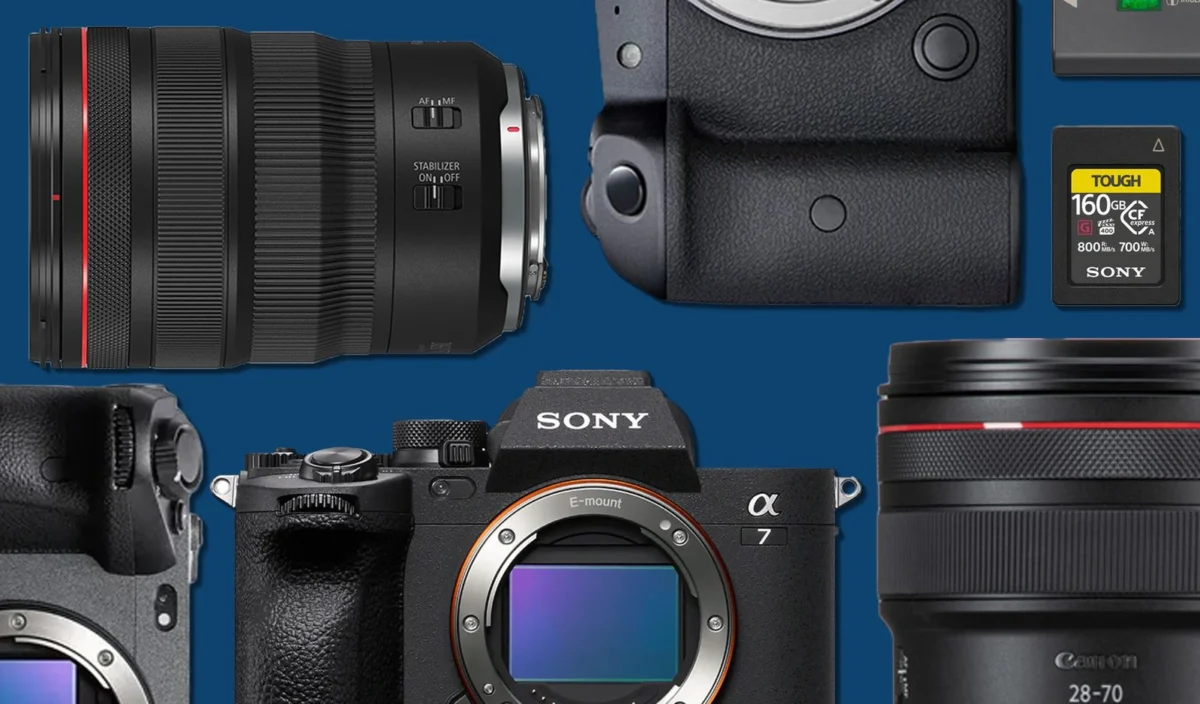
To manage and ingest this massive influx of high-resolution content, production teams relied heavily on advanced video recording and playback systems. For instance, specific segments of the broadcast workflow, including the ingest of cinematic camera feeds and the playback of high-frame-rate replays, utilized systems such as the Blackmagic Design HyperDeck Studio 4K Pro. These devices are capable of recording and playing back broadcast-quality video at resolutions up to 4K, crucial for handling the pristine output of the RED Komodo-X 6K cameras employed for cinematic shots. These RED cameras, often paired with versatile lenses like the Canon RF 24-105mm f/2.8L, were selected for their compact form factor, superior image quality, and adaptability in a live production environment.
The connectivity required to link these myriad components across vast stadium infrastructures was equally demanding. High-bandwidth cables, such as Belden 12G-SDI BNC, extending up to 150 feet or more, formed the nervous system of the broadcast operation, ensuring reliable, low-latency transmission of uncompressed video signals. Powering this immense array of equipment was also a significant logistical challenge, met by deploying an "army" of high-capacity portable power solutions, including RED Digital Cinema Micro-V Mount batteries, ensuring uninterrupted operation for cameras and ancillary gear in dynamic environments. "The infrastructure supporting these visual innovations is just as critical as the cameras themselves," noted Mark Davies, Lead Systems Engineer for the 2026 World Cup broadcast. "Managing hundreds of simultaneous 4K streams, ensuring synchronization, and maintaining redundancy across 16 venues was an enormous undertaking, demanding meticulous planning and robust hardware."
Broader Impact and Future Implications
The technological strides showcased at the 2026 FIFA World Cup have profound implications for the future of sports broadcasting and fan engagement. By delivering unprecedented perspectives and real-time data, the tournament has raised the bar for what audiences expect from major sporting events. Fan surveys conducted post-tournament indicate a significant increase in perceived immersion and understanding of the game, with over 75% of respondents reporting that the new camera angles and data overlays enhanced their viewing experience.
However, the rapid infusion of technology also sparks debate. While many celebrate the added layers of insight and entertainment, some purists express concerns that excessive technology might detract from the "purity" of the sport, potentially over-analyzing moments or altering the traditional flow of the game. The challenge for future tournaments will be to strike a balance, leveraging technology to enhance without overshadowing the inherent human drama and spontaneity of athletic competition.
Looking ahead, the 2026 World Cup serves as a blueprint for subsequent global events. We can anticipate further advancements in augmented reality, allowing for even more dynamic on-screen graphics and personalized viewer experiences. The evolution of AI-driven camera systems will likely lead to even more intelligent and autonomous camera operations, potentially reducing crew sizes and costs while increasing creative possibilities. Furthermore, the integration of biometric data from players, combined with advanced analytics, could offer even deeper insights into athletic performance and strategy.
In conclusion, the 2026 FIFA World Cup was not merely a celebration of football; it was a testament to human ingenuity and a powerful demonstration of how technology can transform the way we experience and connect with the world’s most beloved sport. It proved that the future of sports broadcasting is not just about watching the game, but about being truly in the game, offering insights and perspectives that were once confined to the imaginations of fans and filmmakers alike. As technology continues its relentless march, the boundaries of sports immersion will undoubtedly continue to expand, promising an even more electrifying future for global spectators.