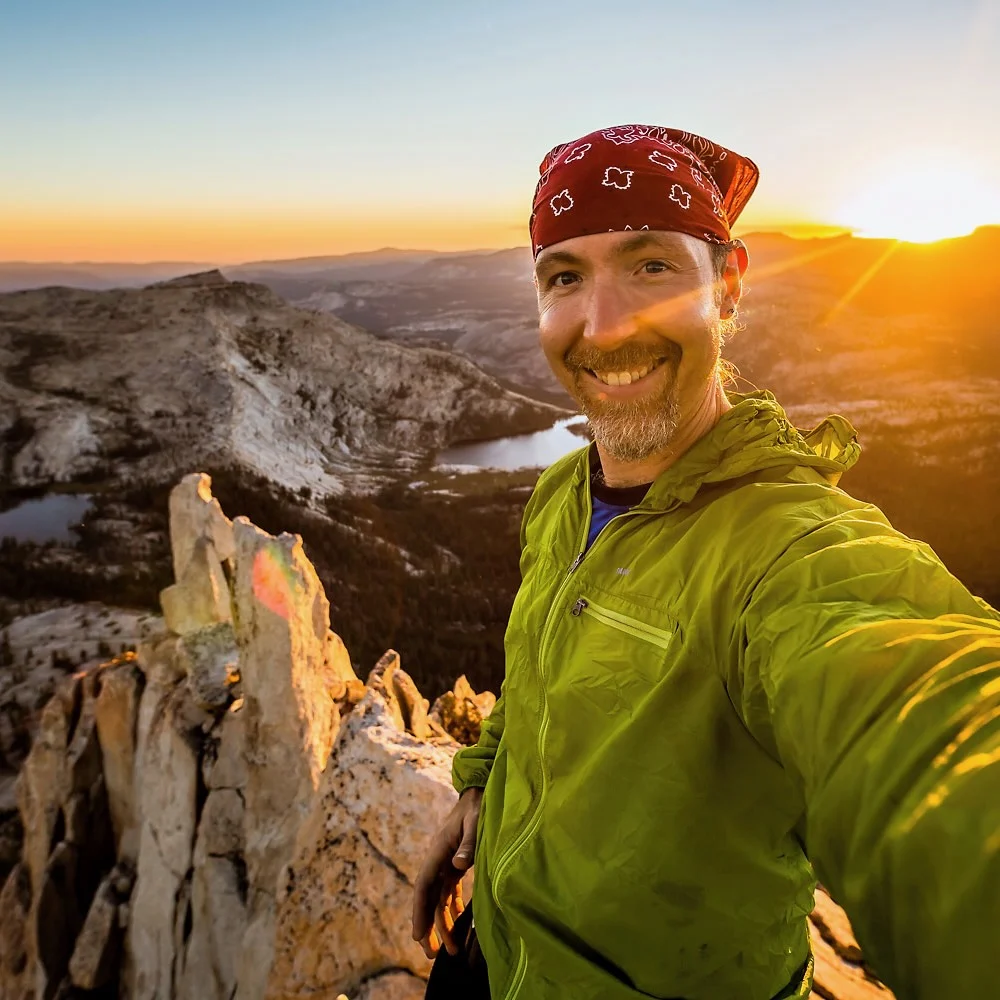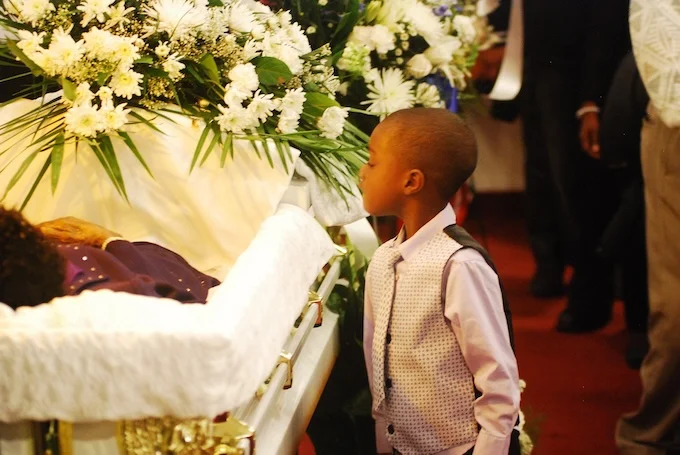
Funeral photography, a practice once a common feature of Victorian mourning rituals, has re-emerged from the shadows of societal taboo to be recognized as a vital tool for processing grief and preserving precious memories in the modern era. Photographer Duane Knight, founder of Your Legacy Photography, is at the forefront of this resurgence, advocating for the art form as a profound avenue for emotional healing. Knight, who estimates the current global number of dedicated funeral photographers to be a mere fifty, is on a mission to expand this niche, actively educating fellow photographers on the sensitivities and techniques required to offer this deeply personal service.

The shift in public perception surrounding funeral photography is a complex interplay of cultural evolution and evolving societal norms. In the Victorian era, photography was a relatively new and expensive technology, and capturing images of loved ones, even in death, was seen as a way to preserve their memory in a tangible form. Post-mortem photography was prevalent, often featuring the deceased in a manner that mimicked their living state, surrounded by family members who would pose alongside them. This practice, while perhaps unsettling to contemporary eyes, served a crucial purpose in an era with high infant mortality rates and shorter lifespans, where the visual record was often the only lasting testament to a person’s existence.
However, as photography became more accessible and societal attitudes towards death and mourning changed, the practice of photographing funerals began to wane. The intimate and often raw emotions experienced during a funeral service made the idea of capturing these moments seem intrusive or disrespectful to many. The rise of digital photography and social media, while democratizing image-making, also contributed to a culture of curated perfection, where the vulnerability of grief was often hidden rather than embraced. This has led to the current situation where, despite the undeniable emotional weight of loss, few photographers are equipped or willing to offer their services during such sensitive times.

Knight’s journey into funeral photography began not with a grand plan, but with a poignant realization. Like many portrait photographers, he has received heartfelt feedback from clients whose family portraits of deceased loved ones became invaluable during funeral services, often serving as the only suitable visual commemoration. This feedback highlighted the inherent value of photographic remembrance. However, it was his deeper understanding of the grieving process that propelled him to see the potential of funeral photography beyond mere documentation.
"Funerals are profoundly emotional events," Knight explains. "Families gather from across the country, sometimes from around the globe, to celebrate the life of a departed loved one. Yet, in the whirlwind of grief and remembrance, the details of who was present, the shared moments of comfort, and the collective outpouring of love can become hazy. It’s akin to a wedding or a significant birthday – a fleeting convergence of loved ones, where the visual record becomes a critical anchor for memory."

Knight’s "Legacy Funeral Albums" are designed to capture this essence. Over the past decade, he has delivered approximately 150 such albums, each a testament to the power of visual storytelling in the face of loss. These albums are not simply collections of snapshots; they are carefully curated narratives that document the attendees, the atmosphere of remembrance, and the subtle yet profound interactions that define a funeral. For those who were unable to attend, receiving such an album can provide a crucial sense of connection and inclusion, bridging the geographical and emotional distance.
The notion of funeral photography as a taboo subject is acknowledged by Knight, who notes its cultural specificity. "Some cultures have a strong aversion to any form of photographic documentation during funerals, viewing it as disrespectful or even a jinx," he states. "However, within any group of ten people, you might find two or three who understand and desire this service." It is for these individuals that Knight, through Your Legacy Photography, dedicates his efforts. His mission is rooted in the belief that "all families who want funeral photography should have the opportunity to get it." This principle underscores his commitment to making this healing art accessible.

The historical context of funeral photography offers a deeper understanding of its potential resurgence. In the 19th century, when cameras were cumbersome and expensive, photographic portraits were often reserved for significant life events. Death, particularly the death of children, was a frequent occurrence, and post-mortem photographs served as a way to preserve a final image of a loved one, a tangible link to their existence. These images, though often staged with the deceased appearing as if asleep, were deeply cherished by grieving families. The advent of more accessible photography in the 20th century, coupled with evolving mourning customs that emphasized moving forward, led to a gradual decline in the practice. The perceived intimacy of capturing grief made it an uncomfortable subject for many, pushing it into the realm of the private or the unspoken.
Knight’s proactive approach to normalizing and educating others about funeral photography is a significant undertaking. He actively participates in major photography conferences, such as WPPI (Wedding & Portrait Photographers International) in Las Vegas, a pivotal event in the industry calendar. His presence at these gatherings is not merely to showcase his work but to engage in dialogue, dismantle misconceptions, and impart the essential skills and ethical considerations involved in funeral photography. His distinctive attire at these events – a hat emblazoned with "I Love Funeral Photography" and a vest reading "Ask Me about the Art of Funeral Photography" – serves as an intentional conversation starter, designed to demystify the subject and invite inquiry.

The implications of Knight’s work extend beyond individual healing. By training and encouraging other photographers, he is contributing to the growth of a practice that can offer solace and a lasting legacy to countless families. The availability of skilled and sensitive funeral photographers can transform a moment of profound loss into an opportunity for collective remembrance and communal support. This is particularly relevant in an era where many families are geographically dispersed, and the need for tangible connections to shared experiences is paramount.
The broader impact of funeral photography can be analyzed through several lenses. Firstly, it provides a crucial element of validation for the grieving process. By documenting the funeral, it acknowledges the significance of the loss and the importance of the rituals surrounding it. Secondly, it serves as an invaluable historical and familial record. Future generations will have access to visual accounts of their ancestors’ lives and the communities that supported them during times of sorrow. Thirdly, it can foster a sense of closure and acceptance. The act of seeing loved ones together, sharing memories and offering comfort, can be a powerful step in the journey of healing.

However, the ethical considerations and sensitivities surrounding funeral photography cannot be overstated. Photographers entering this field must possess a profound understanding of discretion, empathy, and respect. The ability to anticipate the needs of grieving families, to move unobtrusively through solemn ceremonies, and to capture images that are both meaningful and respectful is paramount. Knight’s educational initiatives likely emphasize these crucial aspects, ensuring that photographers are not only technically proficient but also emotionally intelligent. The goal is not to exploit grief for commercial gain but to offer a service that genuinely supports families through one of life’s most challenging experiences.
The statistical landscape of grief further underscores the need for such services. According to the Centers for Disease Control and Prevention (CDC), in the United States, approximately 2.7 million deaths occurred in 2022. While not every funeral is an occasion for photography, the sheer volume of these events highlights a significant demand for services that can aid in remembrance and healing. The limited number of funeral photographers suggests a substantial unmet need, a gap that Knight and his burgeoning network of trained professionals aim to fill.

Knight’s advocacy at events like WPPI serves as a catalyst for change within the photography industry. By bringing funeral photography into mainstream professional discussions, he is challenging established norms and encouraging a broader understanding of what photographic services can encompass. His approach is one of empowerment, equipping photographers with the knowledge and confidence to offer a service that, while perhaps initially daunting, can ultimately be incredibly rewarding and deeply impactful. The visual narrative of a funeral, when captured with sensitivity and skill, becomes a powerful testament to love, loss, and the enduring human connection. As the world continues to navigate the complexities of grief and remembrance, the art of funeral photography, championed by individuals like Duane Knight, is poised to reclaim its place as a cherished and healing practice.