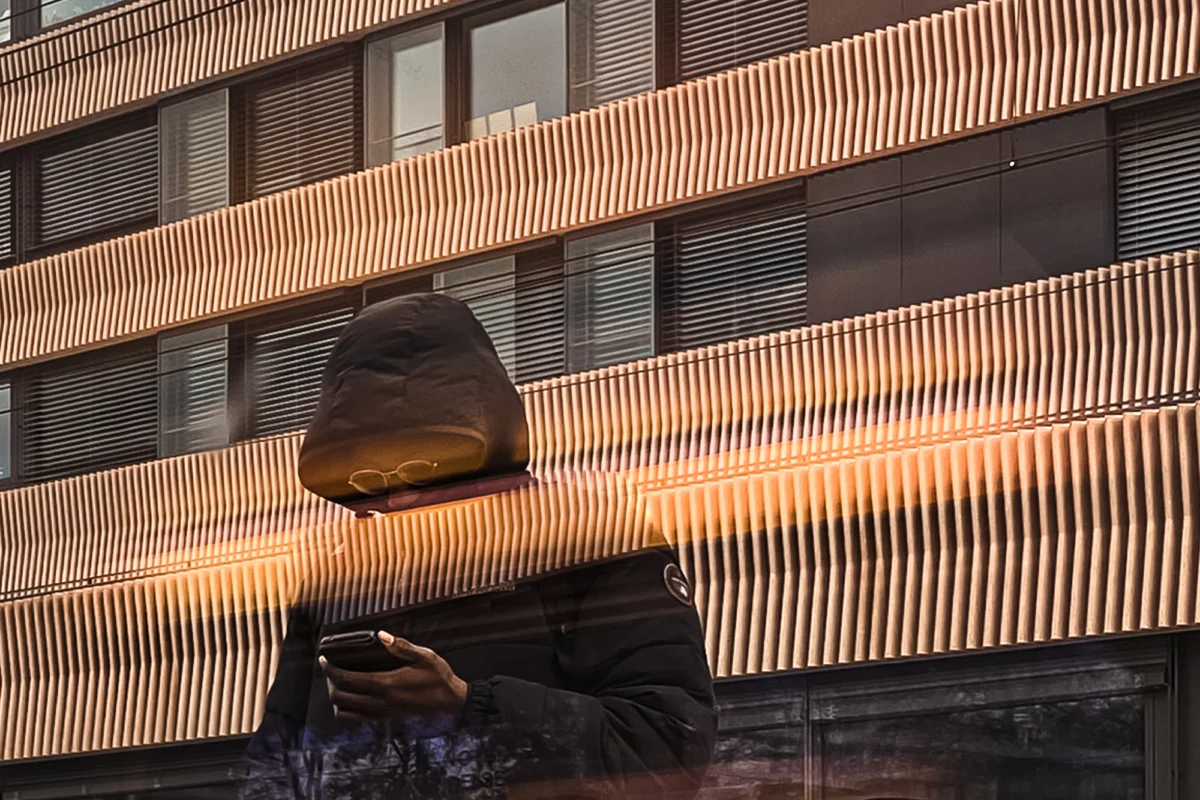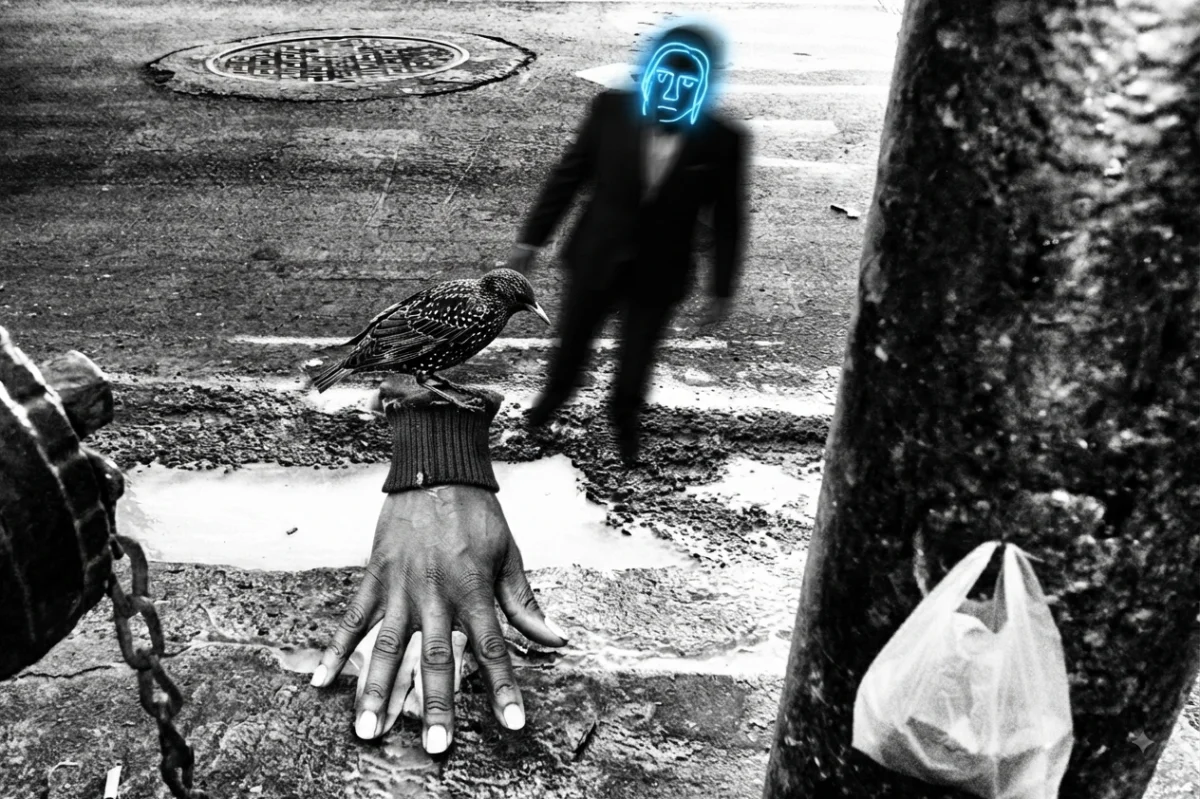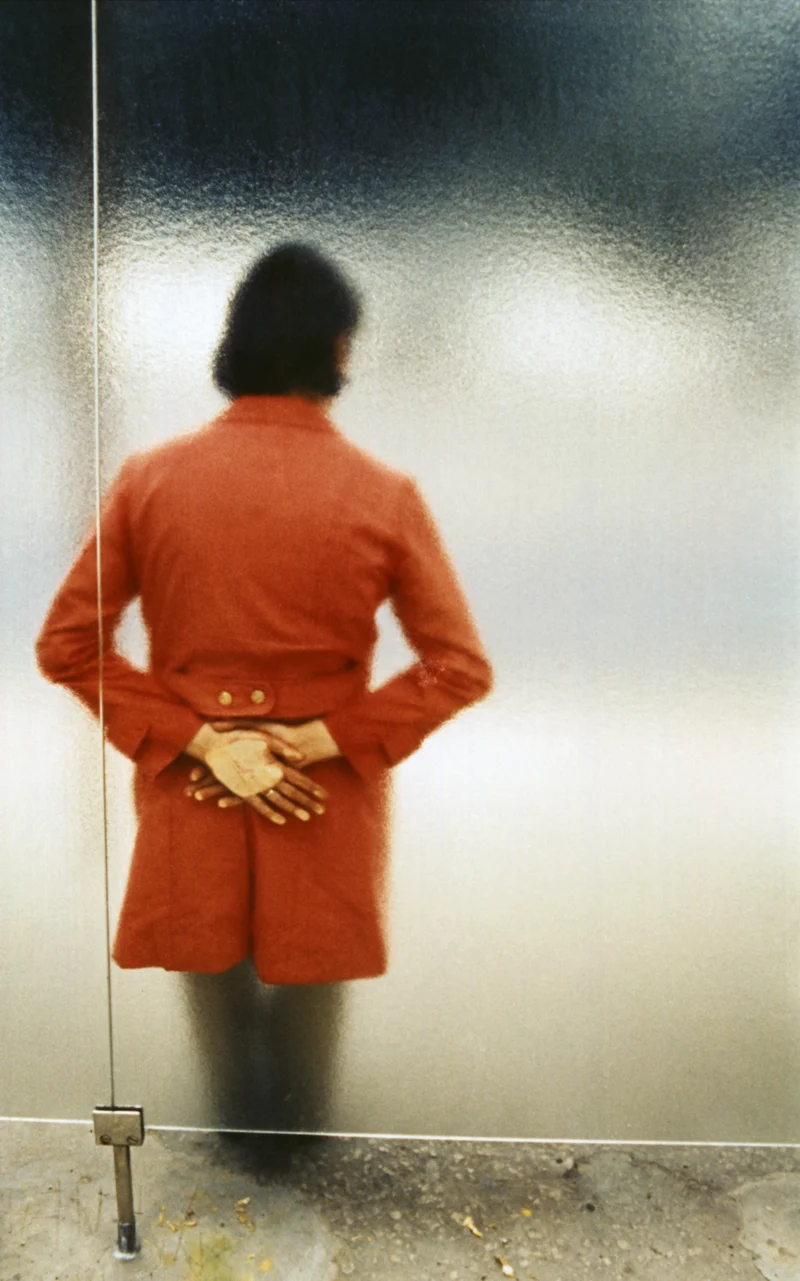
The seemingly disparate worlds of Impressionist painting and contemporary street photography reveal a surprising confluence of artistic evolution, driven by technological innovation, a redefinition of subject matter, and a profound engagement with light and color. This exploration delves into the parallels between these movements, illustrating how advancements in artistic tools and a shift in perspective have consistently reshaped how we perceive and represent the everyday. The foundational insight, often overlooked, is that the very essence of light, a cornerstone of visual art, becomes palpable only through its counterpoint: shadow. This paradox, where darkness amplifies luminosity, serves as a unifying thread connecting the brushstrokes of Monet and the captured moments of Eggleston.
The Dawn of Mobility: Technological Catalysts
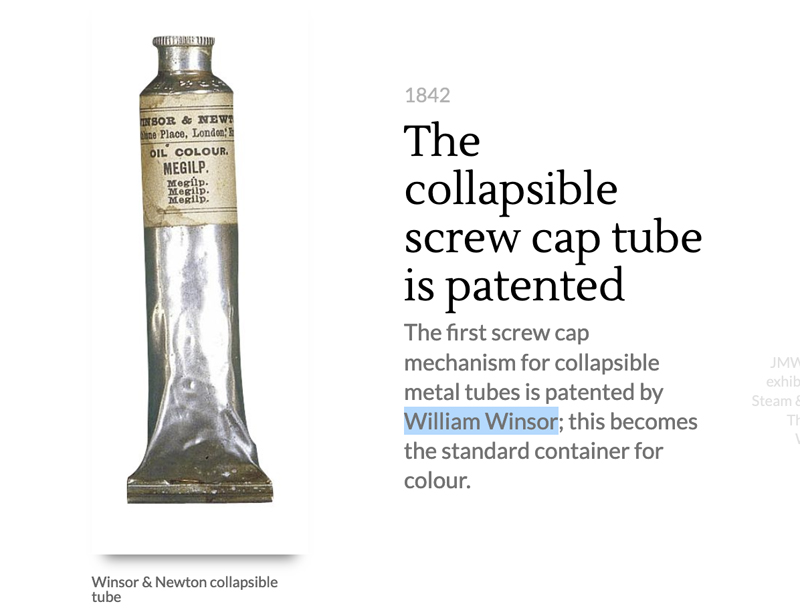
The genesis of both Impressionism and modern street photography can be traced to pivotal technological breakthroughs that liberated artists from their studios and traditional constraints. For the Impressionists, the advent of the collapsible paint tube in 1841, patented by John Goffe Rand, was a revolutionary development. Prior to this, painters were tethered to their studios, meticulously grinding pigments and mixing their own oil paints—a labor-intensive process that also limited their palette to readily available materials.
The paint tube, however, democratized color. It enabled artists to purchase pre-mixed paints from burgeoning art supply companies like Winsor & Newton and Lefranc & Bourgeois, freeing them from the drudgery of paint preparation. This seemingly simple innovation had profound implications. Artists could now venture outdoors, embracing "en plein air" painting, directly observing and capturing the ephemeral effects of natural light and atmosphere. This mobility allowed them to respond to the transient nature of everyday life, laying the groundwork for Impressionism’s focus on fleeting moments and sensory perception.
A parallel revolution unfolded in the realm of photography. The early photographic process, often relying on the cumbersome wet plate technique, demanded immediate chemical preparation of glass plates and proximity to a darkroom. This made spontaneous outdoor photography a significant logistical challenge. However, the introduction of ready-made dry plates and later, flexible celluloid film, mirrored the liberation brought by the paint tube. Photographers were no longer confined to studios or immediate surroundings.
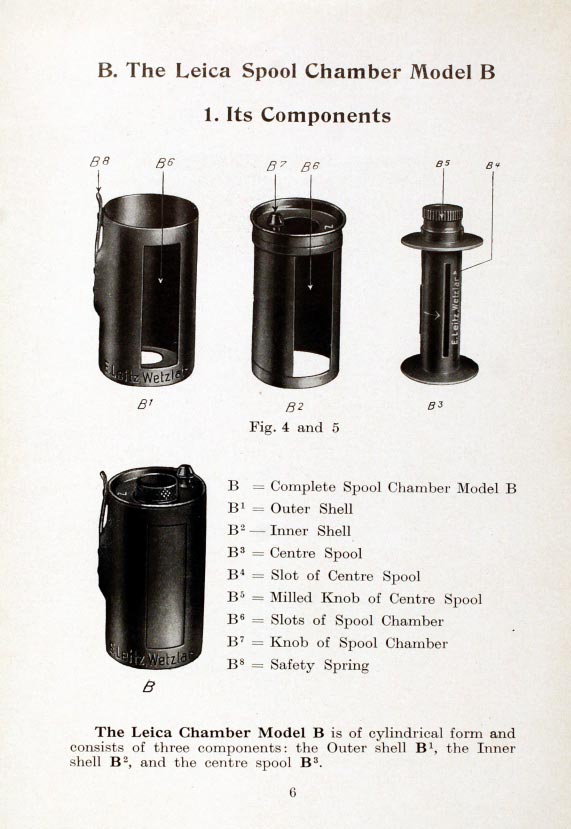
A monumental leap occurred in 1924 when Leitz introduced the reloadable film cassette alongside the first practical 35mm camera. This synergy made photography significantly more portable, efficient, and accessible. Suddenly, the ability to capture life as it unfolded, with greater ease and less technical burden, was within reach of a wider array of individuals, paving the way for the emergence of street photography as a distinct genre.
A Shift in Perspective: Redefining Subject Matter
Both Impressionism and street photography share a radical departure from their predecessors in their choice of subject matter. Historically, art often focused on grand narratives: religious scenes, mythological epics, historical events, or portraits of the elite. The Impressionists, however, turned their gaze towards the ordinary, the mundane, and the everyday. Streets, cafés, parks, theaters, factories, and the rhythms of modern urban life became their canvases. Their innovative use of loose, rapid brushstrokes sought to convey the sensory experience of a moment, akin to a visual snapshot.
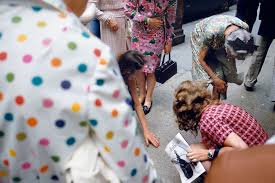
Similarly, the first generation of street photographers, including luminaries like Henri Cartier-Bresson, Helen Levitt, William Klein, Joel Meyerowitz, Garry Winogrand, Lee Friedlander, Saul Leiter, Fred Herzog, William Eggleston, and Vivian Maier, eschewed formal compositions and staged events. They found artistic merit in the unscripted drama of public spaces. Anonymous passersby, fleeting interactions, ordinary street corners, shop windows, parked cars, and the subtle choreography of daily routines became their favored subjects. This collective, though not formally organized as a movement, transformed the representation of everyday existence, asserting that the commonplace held inherent artistic value.
This expansion of subject matter challenged the prevailing artistic hierarchies. As exemplified by Stephen Shore, who found artistic potential in hotel rooms, bathrooms, and even meals, the ordinary was elevated to the extraordinary. Like the Impressionists before them, street photographers demonstrated that profound artistic statements could arise not from exceptional events, but from the quiet, often overlooked moments that constitute the fabric of life.
The Eloquence of Light and Shadow
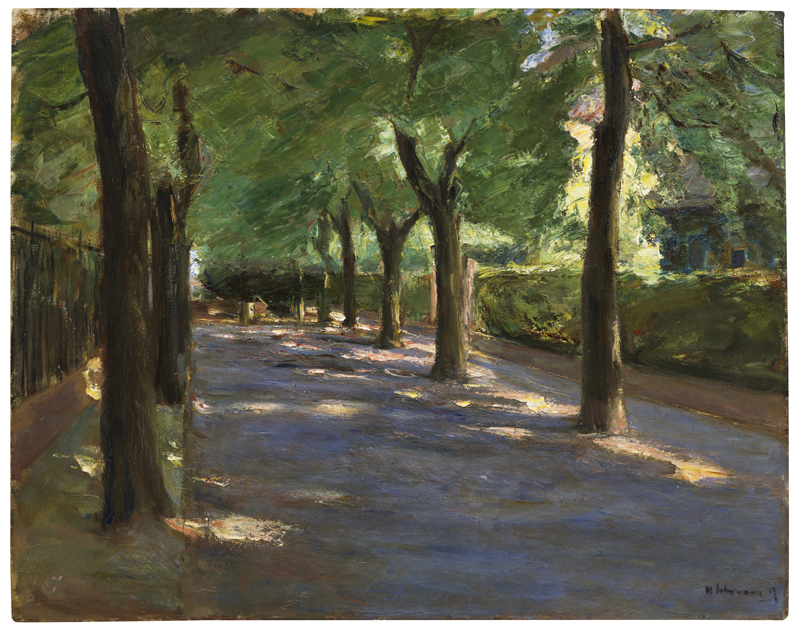
Perhaps the most profound connection between Impressionism and street photography lies in their shared fascination with light and its interplay with shadow. For the Impressionists, light was not merely a tool to illuminate a subject; it often became the subject itself. Max Liebermann’s 1917 painting, "Die Colomierstraße in Wannsee," serves as a poignant illustration. While depicting a country road, the true subject is the dappled sunlight filtering through the leaves, transforming an ordinary scene into something poetic. Liebermann’s subtle use of light brushstrokes draws the viewer’s eye to the luminous quality of the scene, demonstrating that light’s presence is amplified by the surrounding darkness.
This understanding of light’s power is echoed in the work of street photographers like Helen Levitt, Mitch Epstein, Saul Leiter, William Eggleston, and Fred Herzog. They recognized that light could imbue a scene with mood, atmosphere, and emotional resonance. The contrast between sunlit areas and deep shadows was not just a recording of visual conditions but a deliberate artistic choice to enhance the impact of their images. A particular quality of light could elevate a mundane street corner into a compelling visual narrative.
The paradox that light is rendered visible through shadow is a recurring theme. By embracing darkness, artists can intensify the viewer’s perception of illumination. This principle underpins many iconic street photographs, where carefully managed contrasts create depth, drama, and a palpable sense of place. Later photographers, including Stephen Shore and Alex Webb, have continued to explore this dynamic, demonstrating that extraordinary light can transform even the most ordinary subjects into captivating works of art. For both Impressionists and street photographers, light transcends its physical function to become a fundamental creative force shaping our perception of the world.
Embracing Color: A Bold Departure
The development of color in both painting and photography was a journey marked by technological advancement and artistic defiance. Until the mid-nineteenth century, painters’ palettes were largely dictated by the availability of pigments, often influenced by regional resources, leading to distinct regional color characteristics in art. The industrial production of artist materials, coupled with the paint tube, dramatically expanded the range of available colors. The Impressionists eagerly embraced these new possibilities, experimenting with vibrant hues. Their use of violet, for instance, as a tool to depict light, atmosphere, and shadow, moved beyond literal representation to expressive interpretation.
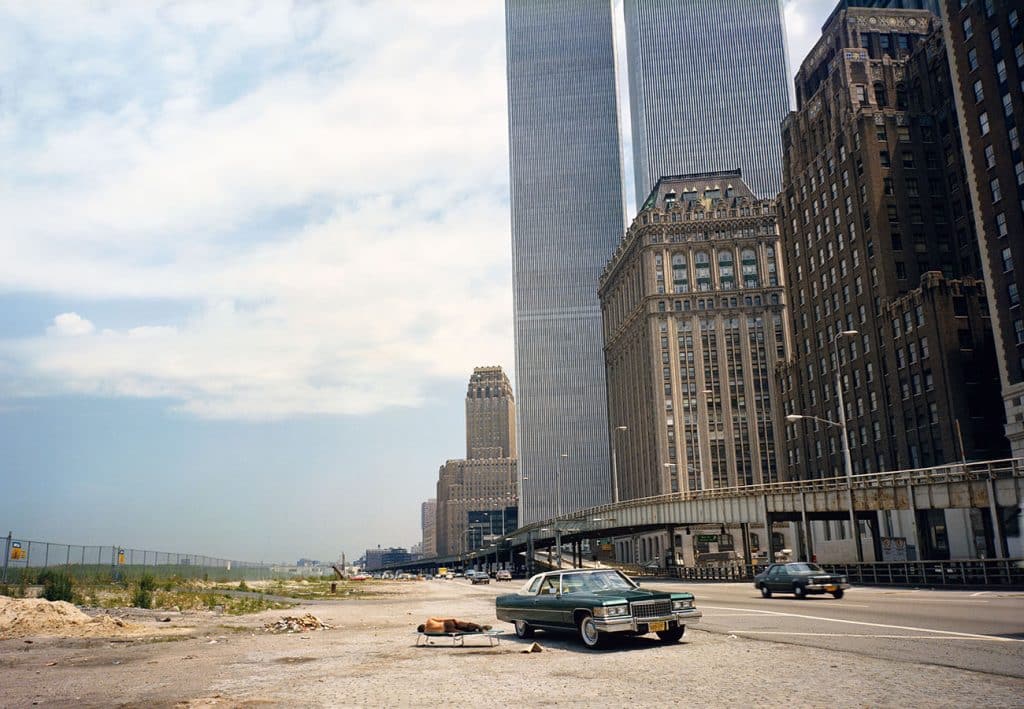
A similar trajectory unfolded in photography with the advent and eventual acceptance of color. While black-and-white photography was long considered the standard for serious artistic expression, photographers like Helen Levitt, Saul Leiter, Mitch Epstein, William Eggleston, and Fred Herzog deliberately championed color. William Eggleston’s pioneering work with the dye-transfer process, known for its exceptionally rich and saturated colors, was a significant, albeit technically demanding and expensive, step.
The resistance to color photography mirrored the initial skepticism faced by the Impressionists. Color was often relegated to commercial applications—advertising, magazines, and postcards—while black-and-white was deemed the exclusive domain of fine art. This created a challenging environment for color photographers, who often faced criticism and struggled for exhibition opportunities. However, just as the Impressionists eventually redefined painting, these color pioneers irrevocably altered the perception of color in photography. Their work demonstrated that color could be a powerful expressive language, capable of shaping mood, guiding attention, and transforming ordinary scenes into extraordinary visual experiences. Later generations, including Vivian Maier and Martin Parr, continued to explore color’s potential, solidifying its place as a vital artistic medium.
Innovation and Education: A Common Path
A striking parallel exists in the educational backgrounds of the pioneers of both Impressionism and street photography. Many of the most influential Impressionist painters, such as Monet, Renoir, and Degas, though often receiving some formal instruction, developed their distinctive styles largely outside the rigid confines of academic art institutions. They consciously distanced themselves from established rules, prioritizing experimentation and personal vision.
This pattern of self-education and independent learning is also evident in street photography. Many of its most celebrated practitioners, including Ed van der Elsken, Henri Cartier-Bresson, and William Klein, were largely self-taught or honed their skills through practical experience and mentorship rather than solely through formal academic programs. This suggests that groundbreaking artistic movements often emerge from creators who are willing to challenge conventions and forge their own paths, unburdened by established dogma. The act of observing, experimenting, and developing a unique visual language becomes paramount.
Reception and Recognition: The Long View
The journey from artistic innovation to widespread recognition is often a protracted one, marked by initial criticism and misunderstanding. The term "Impressionist" itself was initially coined as a derogatory label by critic Louis Leroy, intended to mock the perceived unfinished nature of their work. However, the artists embraced the term, transforming a dismissive nickname into the banner of a revolutionary movement.
A similar narrative of critical dismissal followed the rise of street photography, particularly with the embrace of color. William Eggleston’s 1976 solo exhibition at the Museum of Modern Art (MoMA) was met with skepticism, with some critics dismissing his meticulously composed photographs as mere "snapshots." This echoes the criticism leveled against the Impressionists, where their focus on fleeting moments was seen as a lack of artistic rigor. Over time, however, the value and artistic significance of both movements became undeniable. What was once derided as unfinished or accidental is now celebrated as innovative, influential, and artistically profound. This historical perspective underscores the importance of recognizing that true artistic progress often challenges contemporary norms and is best judged with the benefit of hindsight.
The Enduring Legacy: A Contemporary Perspective
Today, street photographers continue to build upon this rich legacy. As contemporary artists, they are, in essence, colorists of everyday life, utilizing the deliberate choice of color—or its deliberate absence—to shape viewer perception. Street photography is not solely about documenting people and events; it is intrinsically about capturing the dynamic interplay of light within public spaces. The strategic use of shadow to accentuate light, the exploration of color palettes that evoke specific moods, and the embrace of technological tools for post-processing—filters, color grading—all echo the innovations of their Impressionist predecessors.
The influence of technology remains a critical factor in artistic evolution. From the paint tube and dry plates of the past to the digital tools and AI of the present, technological advancements consistently provide artists with new avenues for expression. History teaches us that embracing these new possibilities, rather than resisting them, is often the catalyst for artistic progress. The work of contemporary artists, such as Phil Toledano’s projects exploring the boundaries of representation, suggests that the future of street photography will continue to be shaped by this dynamic interplay between human creativity and technological innovation. The enduring lesson from both Impressionism and street photography is that curiosity, coupled with a willingness to experiment with new tools and perspectives, is the true engine of artistic advancement.