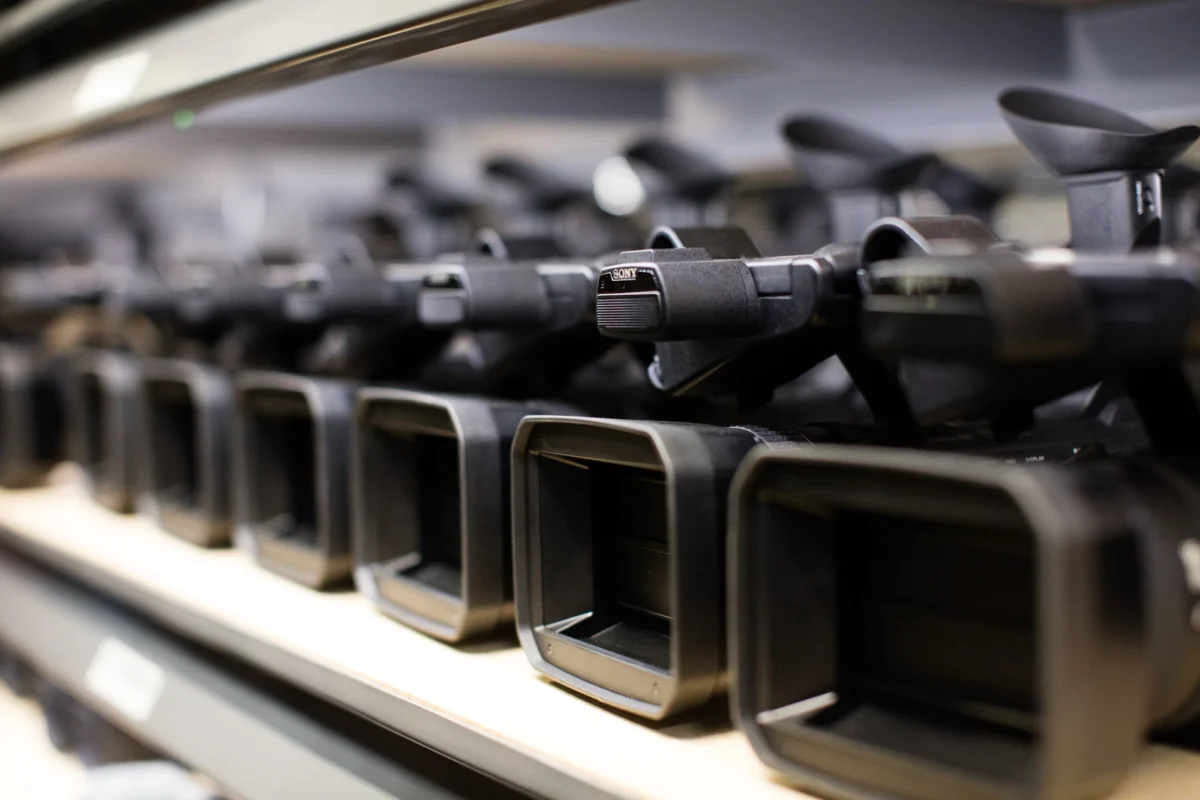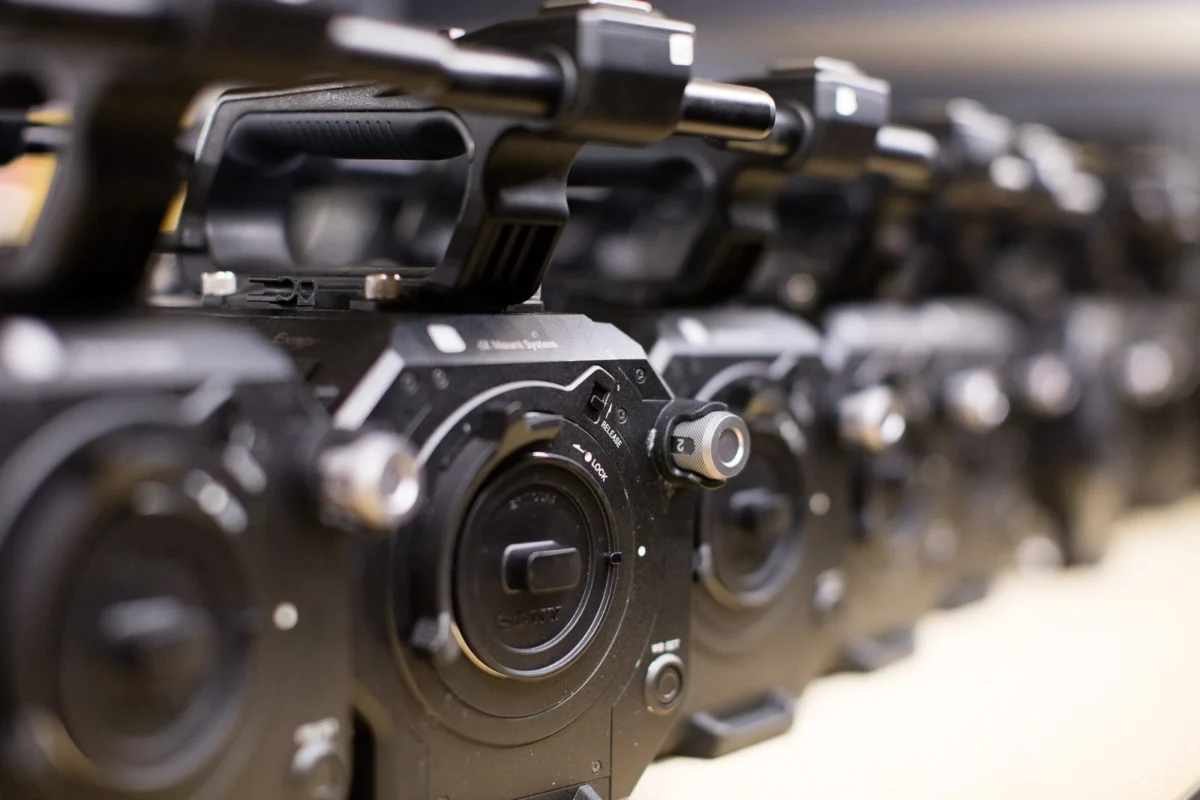
The evolving landscape of event content creation presents constant challenges for videographers, demanding rapid adaptability and technical ingenuity. A recent case study involving professional videographer Tony Kim at a major industry convention on April 27, 2026, exemplifies this dynamic environment. Faced with an unexpected mid-shoot request to produce both high-speed "Glambot"-style cinematic sequences and spontaneous "person-on-the-street" interviews, Kim successfully pivoted his strategy, leveraging advanced gear and expert technical knowledge to deliver diverse, high-quality content under significant time constraints. This dual mandate highlights a growing trend in event marketing: the need for versatile visual storytelling that can capture both the polished spectacle and authentic attendee experience.
The Unforeseen Client Mandate and Strategic Pivot
Convention videography typically involves a structured approach, often encompassing keynote speeches, panel discussions, exhibitor booth coverage, and general B-roll footage designed to capture the event’s overall atmosphere. However, the modern client increasingly seeks unique, viral-ready content to amplify their message across various digital platforms. Midway through what was presumably a standard convention shoot, Kim received a significant "curveball" request from his client: to integrate high-speed "Glambot" style shots, immediately followed by quick, informal interviews with attendees. This abrupt shift required a complete re-evaluation of the production workflow and equipment utilization.
The request for "Glambot" style shots reflects a broader industry desire to emulate the high-production value seen at prestigious events like the Academy Awards or Emmy Awards. These shots, characterized by a camera moving with incredible precision and speed through a pre-programmed sequence, create stunning, slow-motion close-ups that convey glamour and excitement. For event organizers, such content offers a powerful tool for social media engagement, pre-event hype, and post-event highlight reels, providing a premium aesthetic that elevates brand perception. The subsequent request for "person-on-the-street" interviews, or vox pops, aimed to capture the authentic voices and immediate reactions of attendees. This contrasting style serves a different but equally vital purpose: humanizing the event, gathering testimonials, and providing relatable insights from the ground level. The challenge for Kim was not just executing these disparate styles, but doing so back-to-back, within the existing convention schedule, and without the benefit of a pre-planned budget for such specialized requirements.
Engineering the "Glam-Effect": A Technical Deep Dive into High-Speed Mimicry
The actual "Glambot" system is a highly specialized piece of equipment, typically a high-speed camera mounted on a sophisticated robotic arm capable of executing complex, repeatable motion paths with sub-millimeter precision. These systems often come with integrated motion control for focus pulling, allowing for razor-sharp subjects even during rapid, dynamic camera movements. Renting such a system can incur costs upwards of tens of thousands of dollars per day, placing it far beyond the scope of most convention budgets. Kim’s task was to achieve a visually similar effect using more accessible, yet still professional, videography tools.
The foundation of high-speed videography lies in precise technical execution, particularly concerning lighting and focus. Kim elected to shoot at 120 frames per second (fps) in 4K resolution on a Sony FX3 camera. A fundamental rule in cinematic videography is the 180-degree shutter rule, which dictates that the shutter speed should be approximately double the frame rate to achieve natural-looking motion blur. For 120 fps, this translates to a shutter speed of 1/240th of a second. This setting is crucial; a slower shutter speed would introduce excessive motion blur, making the slow-motion footage appear smeared, while a faster shutter speed could result in a strobing or choppy effect, diminishing the desired cinematic fluidity when conformed to a standard 24 fps timeline. Maintaining this high shutter speed, however, significantly reduces the amount of light reaching the sensor, necessitating powerful illumination.
Focus presented an additional layer of complexity. Unlike a true Glambot, which can incorporate pre-programmed focus pulls into its robotic movements, Kim was operating without a dedicated focus puller. To mitigate the challenge of manually maintaining sharp focus on a subject while rapidly moving the camera, he opted for a smaller aperture of approximately f/8. This decision strategically increased the depth of field, creating a wider zone of acceptable focus. While effective for maintaining sharpness, stopping down to f/8 further restricts light, compounding the need for intense illumination.
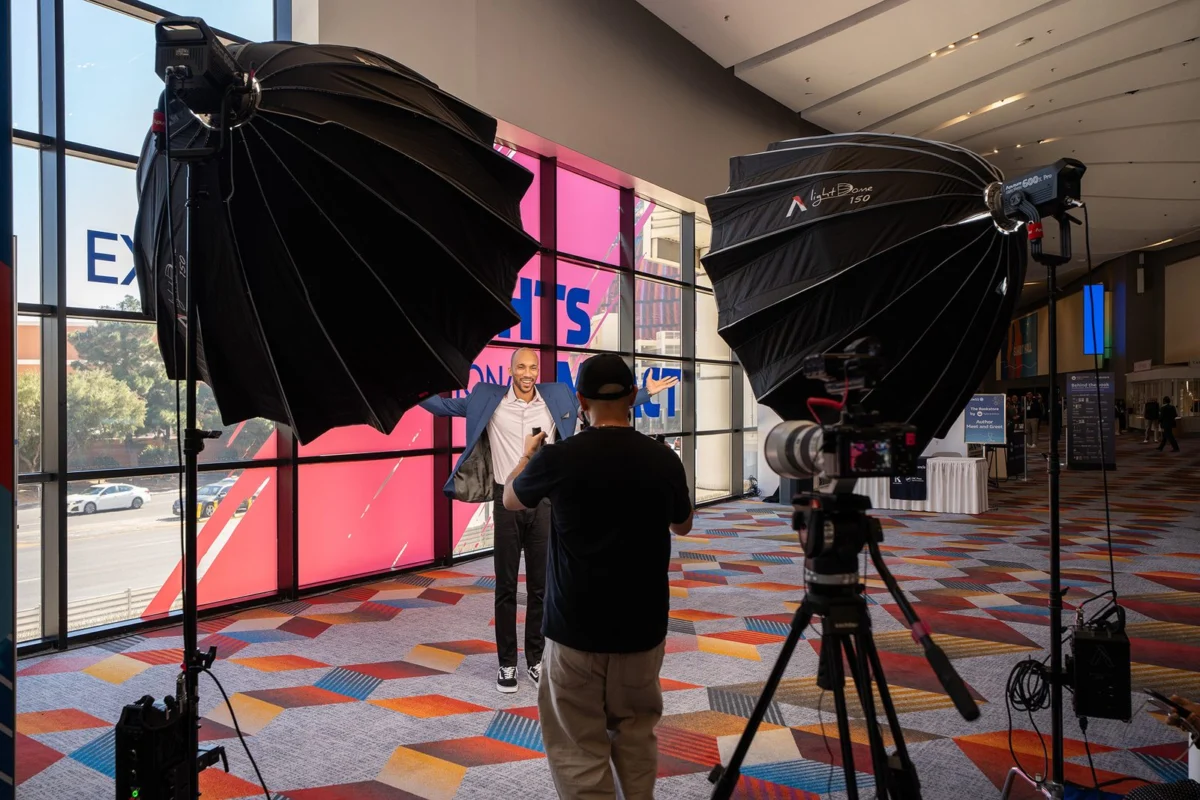
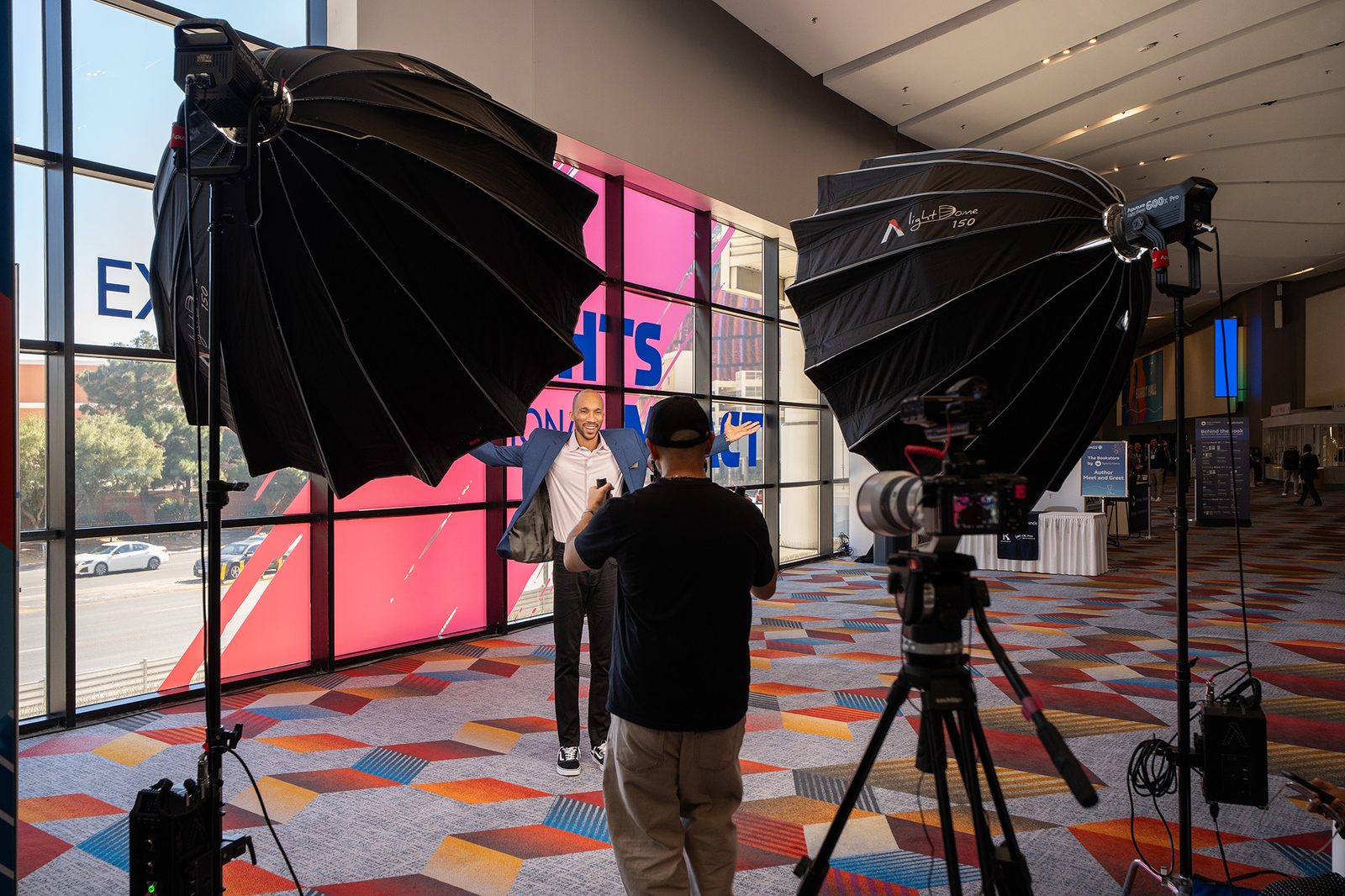
To meet these demanding lighting requirements, Kim deployed two Aputure LS 600x Pro bi-color LED lights, each equipped with a 60-inch Light Dome 150 softbox. The Aputure LS 600x units are renowned for their immense output and versatility, offering adjustable color temperatures and robust construction suitable for professional production environments. The large 60-inch softboxes were critical for diffusing this powerful light, creating a broad, soft, and flattering illumination that is essential for high-quality close-ups, mimicking the soft, even light often associated with high-end fashion and celebrity shoots. Kim noted the reliability of these lights, stating they "never let me down in a pinch."
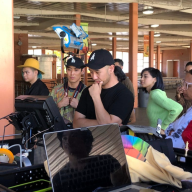
For camera movement, Kim mounted the Sony FX3 onto a DJI Ronin RS4 Pro gimbal, augmented with Tilta dual handles. While a single-handed gimbal operation can provide fluidity, the added stability and control offered by dual handles were paramount for executing the precise, intentional push-in motion required for the "Glambot" effect. A rapid, single-handed push can easily introduce unwanted jitters, making the footage appear amateurish or "nervous." The dual handles allowed for smoother, more controlled acceleration and deceleration, closely approximating the robotic precision of a true Glambot. Prior to filming subjects, Kim conducted several practice runs, refining the movement and timing to ensure the desired "Glambot energy" was captured, demonstrating that meticulous preparation with accessible tools can yield results far beyond their initial perceived limitations.
Capturing the Voice of the Convention: Efficiency in Interview Logistics
Following the visually complex "glam shots," the production rapidly transitioned to capturing spontaneous "person-on-the-street" interviews. This segment demanded a completely different set of logistical and technical considerations: speed, clarity, and interviewee comfort. The shift underscored the need for gear that could be deployed quickly and intuitively.
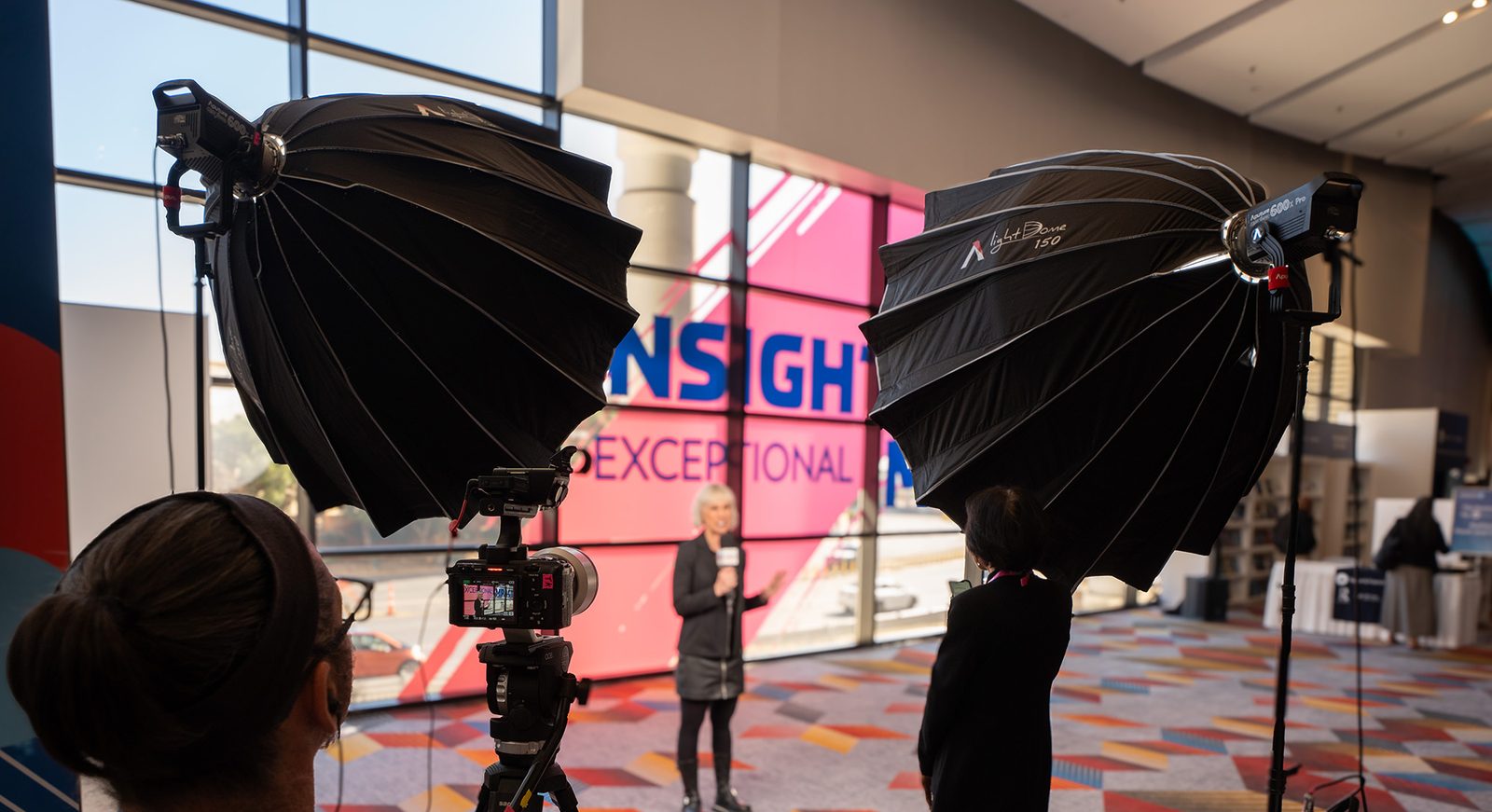
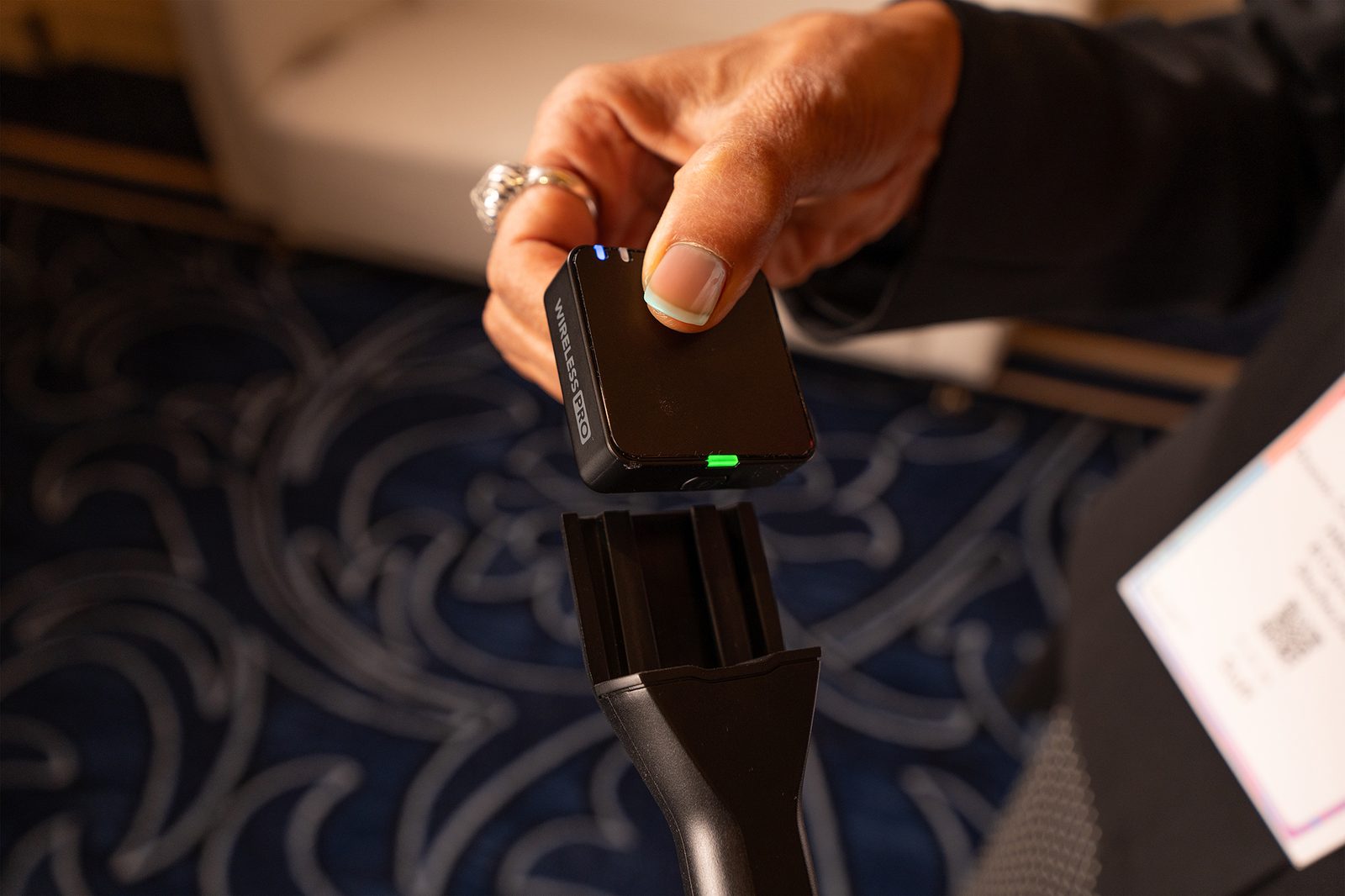
A second Sony FX3 was set up on a tripod for stable interview framing. For audio, Kim utilized the Rode Wireless Pro 2-person lav mic system, a professional-grade wireless audio solution known for its reliability and ease of use. A crucial element for the rapid-fire interview format was the Rode Interview GO Handheld Mic Adapter. This accessory allows a Rode Wireless Pro transmitter to be quickly attached, converting it into a robust handheld microphone. This streamlined setup proved to be a significant time-saver, eliminating the need for awkward clipping of lavalier microphones or cumbersome cable management, which can be particularly challenging and time-consuming when interviewing multiple subjects in quick succession. With only "five minutes per attendee," efficiency was paramount, and the ability to simply hand a professional-grade microphone to a subject facilitated a clean, fast workflow.
The choice of lens for the interviews was also strategic: the Sony 70-200mm f/4 G OSS. While this telephoto zoom lens provides excellent image quality and background separation, its primary utility in this context was psychological. Many convention attendees are unaccustomed to being on camera and can visibly tense up when a lens is positioned too close to their face. By using a longer focal length, Kim could maintain a greater physical distance between the camera and the interviewee. This separation created a more relaxed environment, allowing subjects to feel less intimidated and more at ease. As Kim observed, "People loosen up when they do not feel like something is right in their face, and once they loosen up, the conversation gets a lot more interesting." This thoughtful consideration of human behavior significantly enhanced the quality and authenticity of the interviews, allowing for more genuine and insightful responses.
Broader Implications and Industry Impact: Adaptability as a Cornerstone
Tony Kim’s experience at the convention serves as a compelling case study for the evolving demands on modern videographers and content creators. It underscores several critical implications for the industry:
-
The Primacy of Adaptability: In a rapidly changing media landscape, the ability to pivot quickly, understand diverse client needs, and creatively leverage available technology is no longer an advantage but a fundamental requirement. Freelance videographers and small production houses must be agile problem-solvers, ready to tackle unexpected challenges with innovative solutions.
-
Democratization of High-End Production: Advancements in camera technology (like the Sony FX3), stabilization systems (DJI Ronin RS4 Pro), and portable lighting (Aputure LS 600x) are democratizing access to production techniques once exclusive to large-budget, Hollywood-level productions. Smaller crews can now achieve results that visually compete with high-end setups, albeit through ingenuity and meticulous planning. This trend empowers more creators and allows clients to access premium content without exorbitant costs.
-
Strategic Role of Equipment Rental Services: The ability to access specialized gear on a project-by-project basis, as facilitated by services like Lensrentals.com, is crucial for maintaining agility and cost-effectiveness. For independent professionals, renting allows them to deploy the exact tools needed for a specific job without significant capital investment or the burden of ownership. As Kim noted, having the "ability to order the gear needed and have it arrive at my hotel the day before a shoot made the process that much easier," highlighting the logistical advantage and flexibility rentals provide. This model enables videographers to "exceed the needs of the intended shoot" by accessing a broader array of professional tools.
-
Evolving Event Content Strategy: Event organizers are increasingly recognizing the value of varied content to maximize engagement and extend their reach. A blend of polished, cinematic moments (like the "Glambot" style) and authentic, human-centric narratives (like the interviews) creates a comprehensive and compelling story for both live attendees and a broader online audience. This dual approach helps capture the aspirational aspects of an event while also showcasing its community and impact.
In conclusion, Tony Kim’s successful navigation of a complex, mid-shoot client request exemplifies the resourcefulness and technical prowess essential for contemporary videography. By strategically deploying professional-grade equipment, applying a deep understanding of cinematic principles, and demonstrating an unwavering commitment to client satisfaction, he transformed a potential logistical nightmare into a showcase of adaptable production. The successful integration of high-fashion flair with run-and-gun journalism, all while ensuring attendee comfort and technical precision, underscores that superior results in production often stem not from the most expensive gear, but from the most prepared and adaptable creative vision.