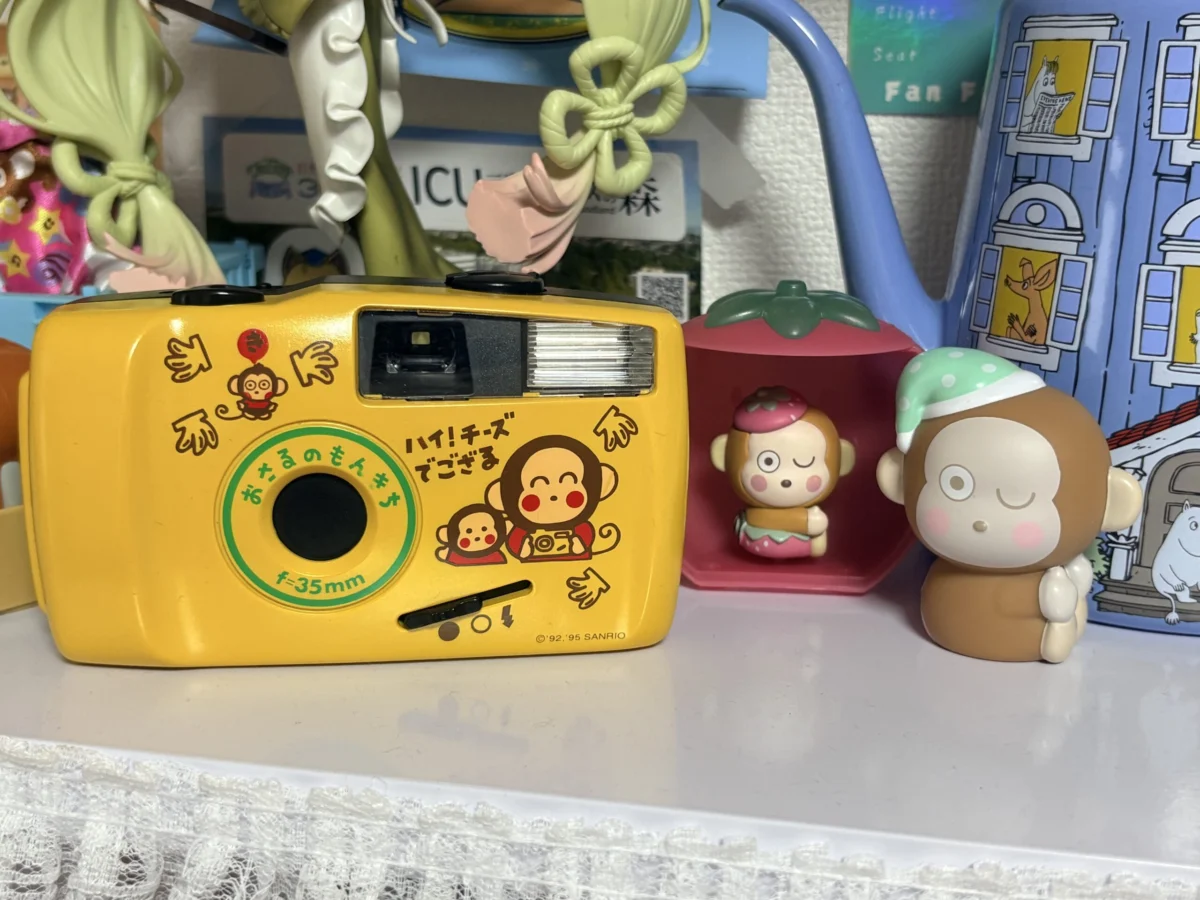
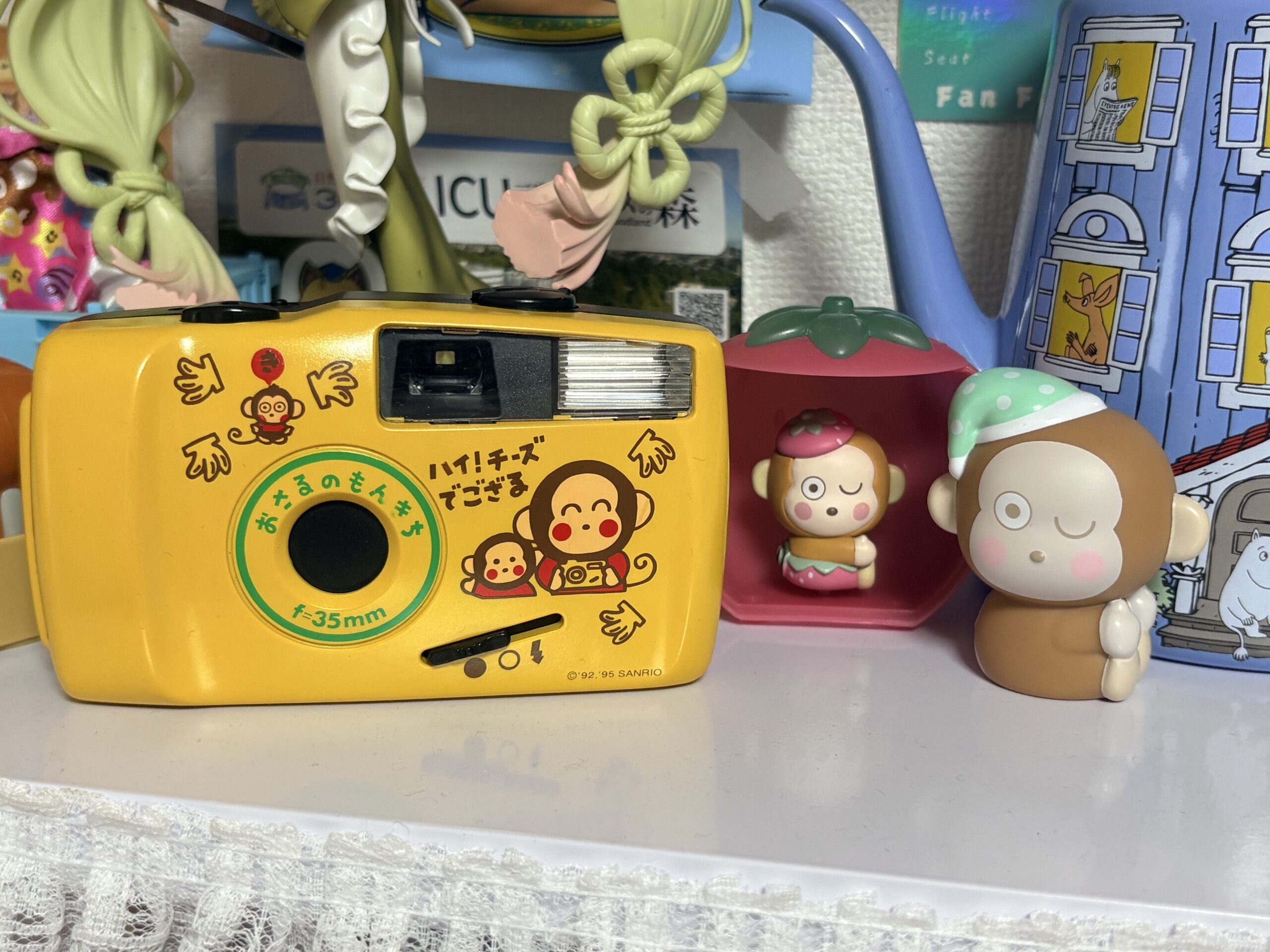
The secondary market for vintage film photography equipment in Tokyo has experienced a significant revitalization, driven by a burgeoning interest in Heisei-era "toy cameras" among university students and young hobbyists. This trend, characterized by the acquisition of low-cost, plastic-lens cameras from the 1990s, represents a shift in the photographic landscape from technical precision toward an aesthetic of "whimsical imperfection." A prominent example of this phenomenon is the recent rediscovery and field-testing of the Sanrio Monkichi 35mm camera, a device that exemplifies the intersection of Japanese character culture and entry-level analog photography. Acquired at a local flea market for approximately 1,000 yen (roughly $7.00 USD), the Monkichi camera serves as a case study for the durability of 90s-era consumer electronics and the persistent appeal of tactile, manual photographic processes in an increasingly digitized society.
Historical Context: The Heisei Era and the Sanrio Character Boom
To understand the significance of the Monkichi camera, one must examine the cultural climate of the early Heisei era (1989–2019). During the 1990s, Sanrio, the Japanese company renowned for creating "kawaii" (cute) characters, expanded its reach beyond stationery and plush toys into the realm of functional electronics. Osaru no Monkichi, a monkey character known for his love of bananas and his upbeat personality, was introduced in 1991. The character quickly became a staple of the "fancy goods" market, appearing on a wide array of products including clocks, calculators, and point-and-shoot cameras.
These cameras were never intended for professional use; they were marketed as "toy cameras"—accessible, affordable devices meant for children and teenagers to capture memories at school or on family outings. Unlike the high-end SLRs produced by Nikon or Canon during the same period, toy cameras like the Monkichi model utilized simple plastic meniscus lenses and fixed shutter speeds. The resurgence of these devices in 2024 and beyond is deeply tied to "Heisei Nostalgia," a movement among Japanese youth who find charm in the saturated colors and soft focus of the pre-digital age.
Technical Specifications and Functional Analysis
The Monkichi camera is a rudimentary 35mm point-and-shoot device. Its internal mechanics are largely mechanical, requiring no battery for the primary shutter operation or film advancement. The technical profile of the device includes:
- Lens: Single-element plastic lens with a fixed focal length (typically around 28mm to 35mm).
- Aperture: Fixed, usually ranging between f/8 and f/11, designed to provide a deep depth of field to compensate for the lack of a focusing mechanism.
- Shutter Speed: Fixed, typically 1/100th or 1/125th of a second.
- Film Transport: Manual thumb-wheel winding and a manual rewind crank.
- Flash: Powered by a single AAA battery, activated via a physical switch on the front or top of the chassis.
The reliance on manual winding and the absence of autofocus present a steep learning curve for those accustomed to smartphone photography. However, for the modern collector in Tokyo, these limitations are viewed as features rather than bugs. The "lottery" aspect of development—where the photographer remains unaware of the final image quality until the film is processed—is a central component of the hobby’s appeal.

Chronology of Acquisition and Field Testing
The lifecycle of a vintage toy camera often begins in the "junk bins" of Tokyo’s extensive network of second-hand shops and flea markets. In this specific instance, the Monkichi camera was salvaged from a flea market in the Tokyo metropolitan area. Following a preliminary inspection, which confirmed the integrity of the shutter leaf and the cleanliness of the battery compartment, the device underwent a functional test using a AAA battery to verify the flash capacitor’s viability.
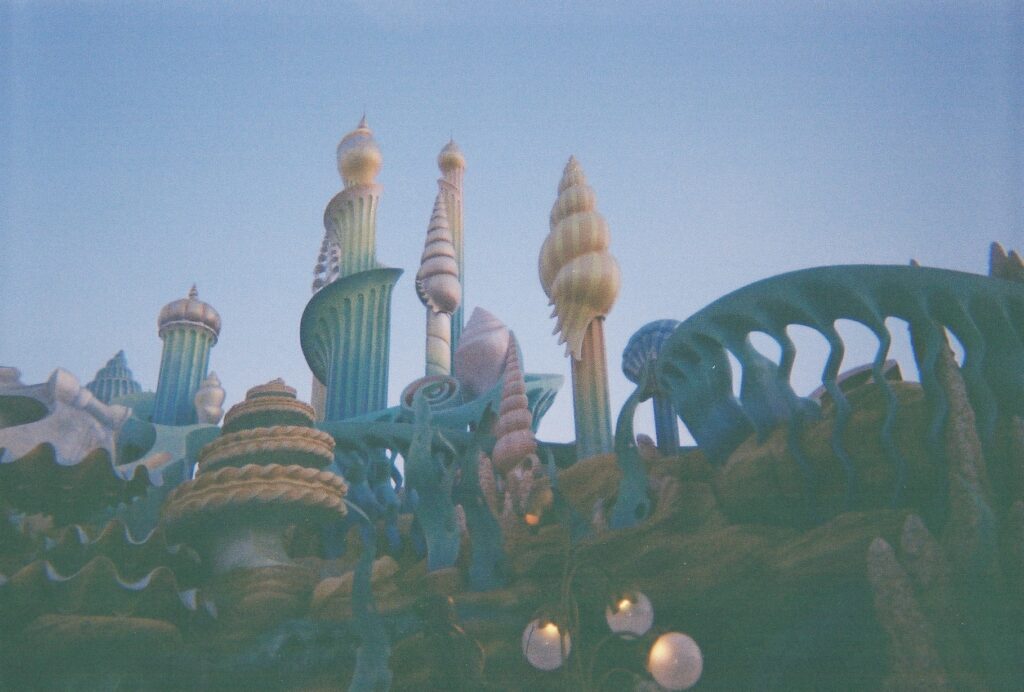
The primary field test occurred during the summer season at Tokyo DisneySea, a location chosen for its diverse lighting conditions and complex architectural textures. Utilizing Kodak Color Plus 200—a film stock known for its warm tones and accessibility—the camera was used to document various landmarks, including the "Ariel’s Castle" structure and the "Toy Story" attraction area.

The results of the field test highlighted several key characteristics of 90s toy cameras:
- Focus Consistency: Without autofocus, subjects closer than 1.5 meters often appeared blurry, confirming the camera’s design for mid-range snapshots.
- Chromatic Aberration: The plastic lens introduced slight color fringing at the edges of high-contrast scenes, a hallmark of the toy camera aesthetic.
- Flash Performance: The integrated flash provided sufficient fill light for indoor environments, such as Tokyo DisneySea restaurants, though it lacked the range for large-scale night photography.
Supporting Data: The Rising Cost of Analog Nostalgia
The acquisition of a functional Sanrio camera for 1,000 yen is increasingly rare in the current market. Data from Tokyo-based camera retailers and online auction platforms like Mercari Japan indicate a steady rise in the valuation of character-branded film cameras. Between 2021 and 2024, the average price for "junk" condition toy cameras rose by 15-20% annually.

Market analysts attribute this to several factors:
- Supply Scarcity: As plastic components degrade over decades, the number of "near-mint" condition 90s cameras is dwindling.
- Inbound Tourism: International collectors visiting districts like Akihabara and Nakano Broadway have increased demand for "kawaii" tech artifacts.
- Social Media Influence: Platforms such as Instagram and TikTok have popularized the "lo-fi" film look, leading to a surge in film sales. Despite the rising cost of film—with a single roll of Kodak Color Plus now retailing for significantly more than it did five years ago—the volume of film processed in Tokyo labs remains robust.
Industry and Community Reactions
The photography community in Tokyo has responded to this trend with a mixture of skepticism and embrace. Established film photography galleries in Shinjuku have begun hosting exhibitions dedicated to toy camera photography, acknowledging that these "low-tech" tools can produce compelling artistic narratives.
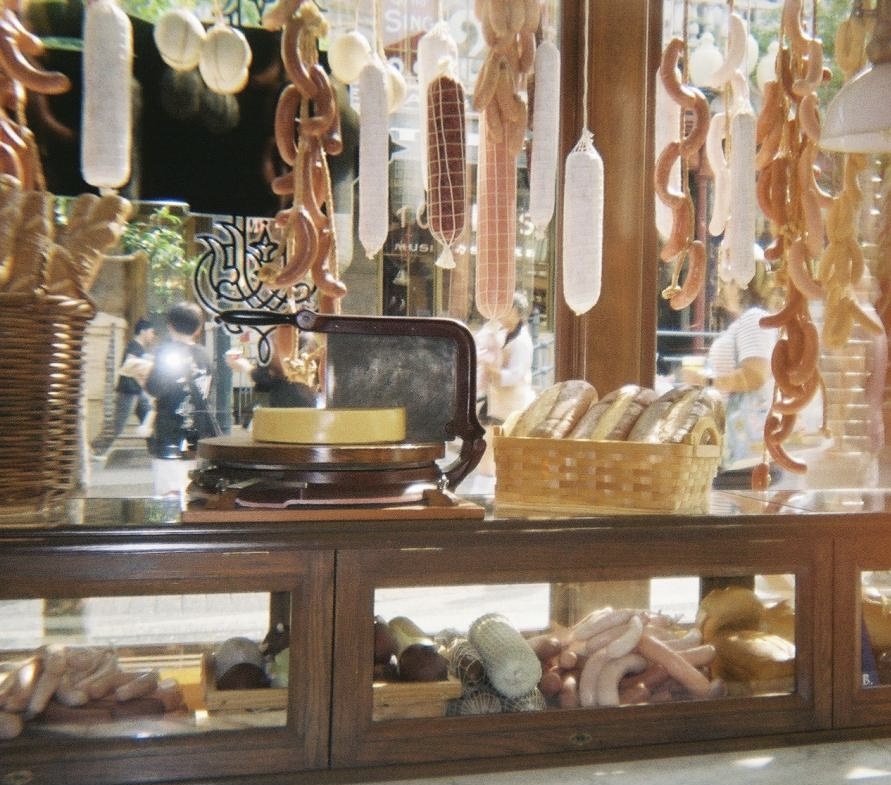
"There is a definitive movement toward ‘slow photography,’" says a representative from a prominent Tokyo film processing lab. "We are seeing a 30% increase in young customers bringing in cameras that were manufactured before they were born. They aren’t looking for the sharpness of a Leica; they are looking for the ‘memory’ of the 90s. The Monkichi camera, with its bright colors and simple operation, is the perfect entry point for this demographic."
Furthermore, Sanrio collectors have noted that these cameras represent a period of experimental product design that is no longer prevalent. While modern Sanrio merchandise focuses on digital accessories (such as smartphone cases and AirPod covers), the physical mechanical nature of the 90s film cameras offers a tangible connection to the brand’s history that digital goods cannot replicate.
Broader Cultural Impact and Implications
The revival of the Monkichi camera and its ilk suggests a broader cultural resistance to the "perfection" of AI-enhanced digital imagery. In an era where smartphone cameras automatically adjust exposure, focus, and skin tone, the unedited, often flawed output of a plastic-lens film camera offers a sense of authenticity. The "okay-ish" photos produced by these devices are valued because they are unrepeatable and physically tethered to a specific moment in time via the negative.
This trend also speaks to the sustainability of the "circular economy" in Japan. By repurposing "junk" electronics found at flea markets, young photographers are participating in a form of technological upcycling. This reduces electronic waste while preserving the mechanical heritage of the late 20th century.

Conclusion and Future Outlook
As the series of toy camera reviews continues, it is expected that more obscure models from the Heisei era will be brought back into the light. The Monkichi camera serves as the inaugural entry in what appears to be a growing documentation of Tokyo’s "whimsical" photographic history. While these cameras may never meet the standards of professional-grade equipment, their value lies in their ability to democratize the film experience and provide a joyful, low-stakes entry point into a complex hobby.
The continued popularity of these devices will likely depend on the availability of affordable 35mm film. However, as long as Tokyo’s flea markets continue to yield hidden gems for 1,000 yen, the streets of the city will remain a playground for a new generation of analog enthusiasts, armed with plastic lenses and a desire to capture the world through a nostalgic, monkey-themed viewfinder. For collectors and beginners alike, the journey of the Monkichi camera is a reminder that in the world of art, the tool’s character is often more important than its technical specifications.