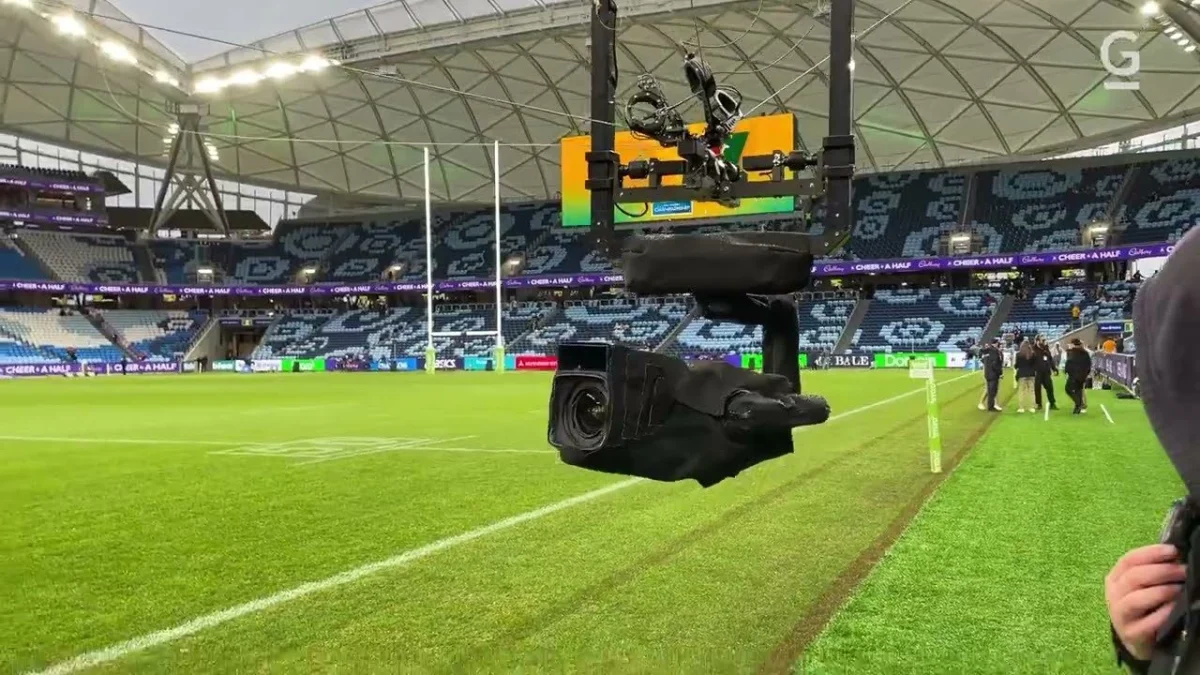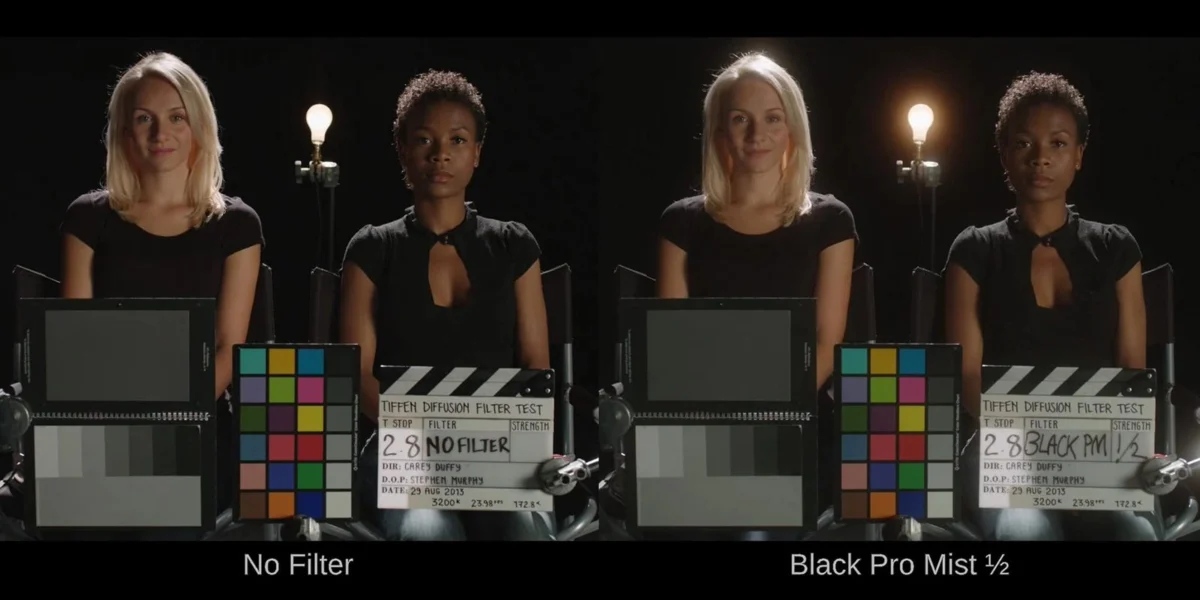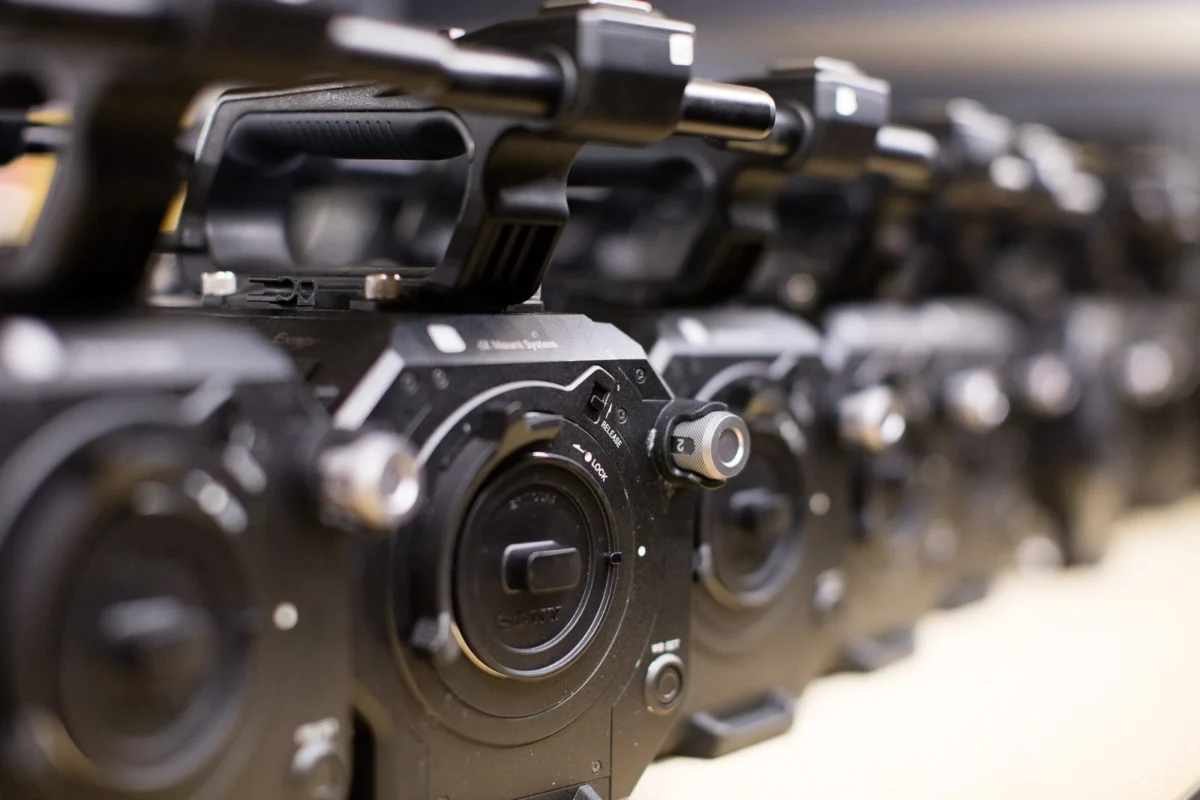
For over a century, the motion picture industry has navigated a complex landscape of evolving technologies and artistic expressions. From the earliest silent films to today’s immersive digital spectacles, the tools and techniques of filmmaking have constantly advanced. However, this vast technological evolution, while offering unprecedented creative freedom, also presented a significant challenge: a lack of universal standards could easily lead to inconsistent quality, particularly as content moved across diverse viewing platforms. In an era dominated by global streaming, ensuring a consistent, high-quality viewer experience has become paramount, leading industry giants like Netflix to establish stringent technical guidelines for the content they acquire and produce.
The journey towards standardized image capture began long before the streaming era. Historically, broadcast television networks and major film studios established their own internal benchmarks to guarantee a baseline of quality and compatibility. This often involved specific film stocks, video tape formats, and later, digital tape standards like HDCAM SR. However, the advent of digital cinema cameras and the proliferation of independent content creators, coupled with the explosive growth of streaming services, created an environment where an enormous variety of acquisition formats and quality levels coexisted. Without a guiding hand, a platform like Netflix, which serves over 260 million subscribers worldwide with an ever-expanding library of original and licensed content, risked diluting its brand and frustrating viewers with suboptimal visuals.
Netflix, recognizing its unique position as both a major content commissioner and a global distribution platform, began to formalize its technical specifications in the mid-to-late 2010s. The objective was clear: to set an industry benchmark for image quality that would not only elevate the production value of its own slate but also influence the broader ecosystem of content creation. This initiative, often referred to as the "Netflix Approved Camera List" or "Netflix Production Requirements," aims to strike a delicate balance between fostering creative expression and ensuring technical excellence that translates seamlessly across modern televisions, tablets, and mobile devices. While some filmmakers, particularly those working with highly stylized aesthetics or limited budgets, have voiced concerns about potential restrictions on artistic freedom, the underlying intention is to prevent the distribution of content that falls short of contemporary audience expectations for visual fidelity, such as outdated 480p resolution.
The core of Netflix’s strategy lies in seven specific technical requirements that cameras must meet to be considered "Netflix approved." These standards are designed to safeguard image integrity from the point of capture through to post-production and final delivery, ultimately enhancing the viewer’s experience.
I. Resolution: The Foundation of Visual Fidelity
The most immediately apparent requirement is resolution, demanding a "minimum of 3840 photosite capture width (Spherical)." For standard 16:9 aspect ratio productions, this translates directly to 3840 x 2160 pixels, commonly known as Ultra High Definition (UHD) 4K. While many contemporary productions, particularly high-budget features and series, often opt for even higher resolutions like 6K or 8K to allow for reframing and digital stabilization in post-production, 4K UHD serves as the mandatory baseline for Netflix.
This 4K floor reflects a strategic decision to future-proof content and align with the widespread adoption of 4K displays in homes globally. Since UHD became a mainstream industry standard over half a decade ago, most professional and even many prosumer cinema cameras introduced since then readily meet this resolution requirement. However, the rule has a crucial nuance for projects utilizing anamorphic lenses. Anamorphic lenses "squeeze" a wider image horizontally onto the camera sensor, which is then "de-squeezed" in post-production to achieve a cinematic widescreen aspect ratio. Because of this process, anamorphic projects inherently require a higher horizontal resolution at the point of capture to maintain image clarity and prevent pixelation once stretched. Therefore, not all cameras capable of spherical 4K are approved for anamorphic work, necessitating specialized guidance from Netflix for such productions to ensure adequate horizontal pixel count post-de-squeeze. This distinction underscores Netflix’s commitment to maintaining visual quality regardless of the lens choice.
II. Codec: Preserving Image Integrity
Beyond raw pixel count, how that visual information is recorded is equally critical. Netflix’s codec requirements ensure that sufficient data is captured to facilitate robust color grading and visual effects work in post-production. These requirements generally fall into two categories.
The first, and often preferred, option is RAW or "lightly compressed RAW." RAW formats capture the unprocessed, uncompressed or minimally compressed data directly from the camera sensor. This provides maximum flexibility during post-production, allowing colorists to manipulate exposure, white balance, and color parameters with significantly more latitude than heavily compressed formats. While "true" uncompressed RAW can result in astronomically large file sizes, most modern professional cameras offer various forms of compressed RAW (e.g., REDCODE RAW, Canon Cinema RAW Light, ProRes RAW, ARRIRAW). These proprietary formats achieve significant file size reduction without sacrificing the high-end flexibility essential for professional workflows. They retain the critical image information needed for intricate color grading, high-quality visual effects integration, and effective noise reduction.
The second option is an intra-frame based codec with 4:2:2 chroma subsampling or greater. Intra-frame codecs compress each frame independently, as opposed to inter-frame codecs (like H.264/H.265) that use information from surrounding frames for greater compression efficiency. This independence is crucial for editing and grading, as it avoids complex dependencies between frames. Chroma subsampling refers to the method of encoding color information. A 4:2:2 ratio means that for every four pixels of luminance (brightness) information, there are two pixels of chrominance (color) information for each of the two color difference channels. This ensures that the file retains enough color data and tonal gradation to withstand rigorous professional grading and manipulation without introducing artifacts or color banding, a common issue with lower subsampling ratios like 4:2:0. The "or greater" clause indicates that formats like 4:4:4, which capture full color information for every pixel, are also acceptable and often preferred for high-end productions.
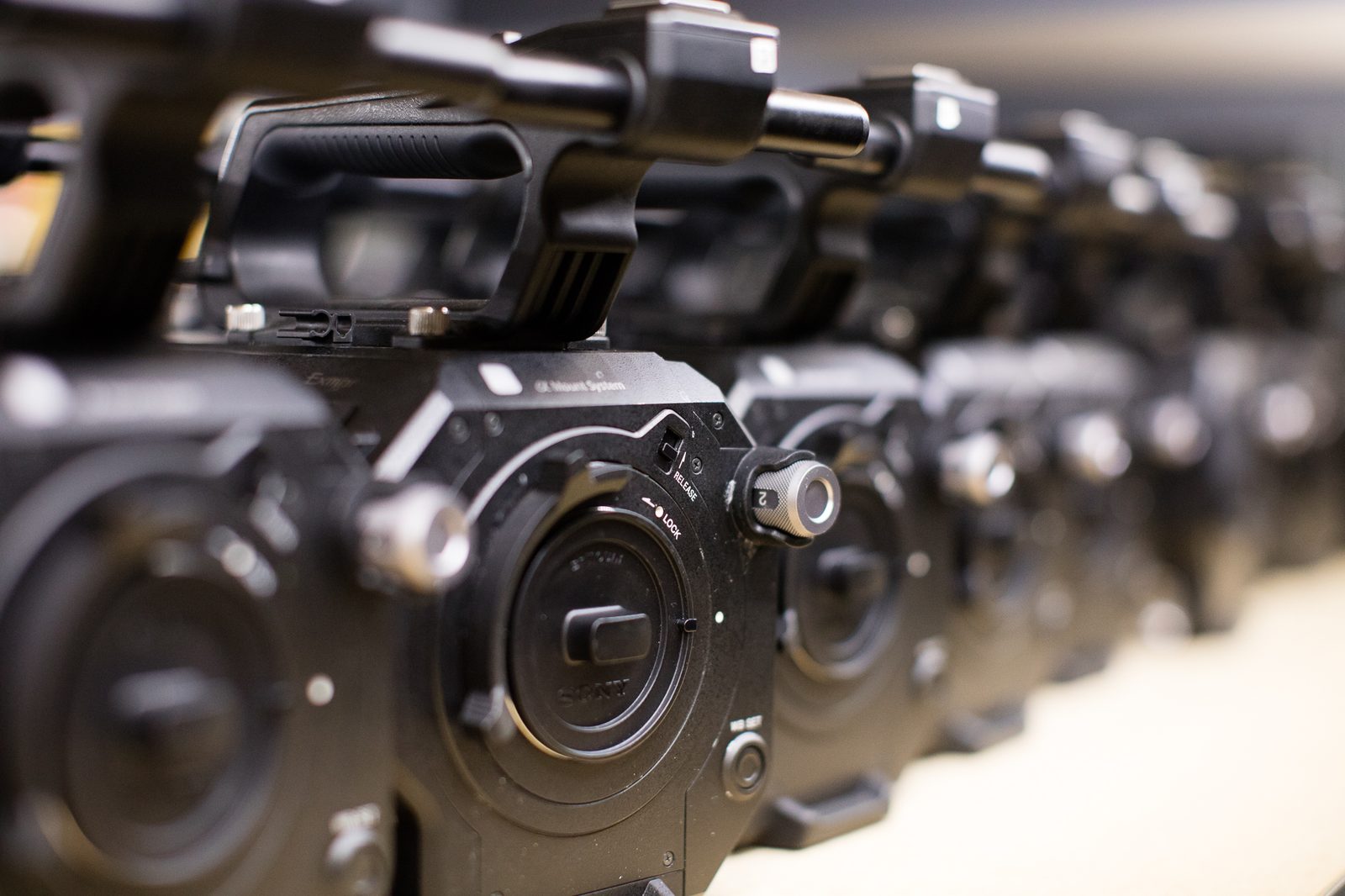
III. Bit Depth: Unlocking Color and Dynamic Range
Complementing the codec requirement is the mandate for a color bit depth of 10-bit or higher. Bit depth refers to the number of bits used to describe the color information for each primary color (red, green, blue) per pixel. A 10-bit color depth means that each color channel can represent 1,024 distinct shades (2^10). When combined across the three channels, this allows for over 1.07 billion possible colors (1024 x 1024 x 1024).
This significantly higher color resolution, compared to 8-bit color (which offers only 16.7 million colors), is crucial for several reasons. Firstly, it dramatically reduces the likelihood of "banding," where smooth color gradients appear as distinct, stair-stepped bands, especially in areas like skies or subtle shadows. Secondly, 10-bit or higher bit depth is a fundamental requirement for producing High Dynamic Range (HDR) content. HDR content offers a much wider range of luminance and color information than standard dynamic range (SDR), delivering brighter highlights, deeper shadows, and a richer, more vibrant color palette. By mandating 10-bit capture, Netflix ensures that content is future-proofed for HDR delivery, providing a more immersive and visually impactful experience for viewers on compatible displays.
IV. Data Rate: The Flow of Information
The minimum data rate of 240Mbps at 24 frames per second (FPS) serves as a practical safeguard, ensuring that the combined requirements for resolution, codec, and bit depth are actually met with sufficient data throughput. Megabits per second (Mbps) quantifies the amount of data being recorded by the camera sensor each second.
While 240Mbps at 24FPS is the baseline, most professional cameras recording in RAW or high-quality intra-frame codecs at 4K resolution and 10-bit or higher will naturally exceed this minimum. This requirement acts as a sanity check: if a camera’s data rate falls below this threshold for a given resolution and frame rate, it’s highly probable that compromises are being made in other critical areas like compression or bit depth, which would ultimately degrade image quality. Ensuring an adequate data rate guarantees that the rich visual information captured by the sensor is preserved during recording, providing ample headroom for extensive post-production work.
V. Color Space & Transfer Function: Capturing Reality’s Full Spectrum
These two interconnected requirements are pivotal for maximizing the dynamic range and color fidelity of the captured footage, offering immense flexibility during color grading.
A Scene-referred Color Space (e.g., ARRI’s ALEXA Wide Gamut, REDWideGamutRGB, Sony’s S.Gamut3, Canon Cinema Gamut) refers to a color space that describes the colors as they exist in the real world, independent of any specific display device. These wide-gamut color spaces are significantly larger than display-referred color spaces (like Rec.709 for SDR or Rec.2020 for HDR displays), allowing the camera to capture and store a much broader spectrum of colors. This preservation of the original scene’s color information is crucial, as it provides colorists with a vast palette to work from, enabling them to creatively shape the look of the film without running into limitations of the captured color data.
Similarly, a Scene-referred Transfer Function (e.g., ARRI’s Log C, Sony’s Slog3, RED’s Log3G10, Panasonic’s VLog) is a gamma curve designed to compress the wide dynamic range of a camera sensor into a log format. Unlike standard video gamma curves that aim to display an image directly, log curves are designed to retain maximum detail in both highlights and shadows without clipping. This "flat" looking footage straight out of the camera is not meant for direct viewing but is instead a highly efficient way to store as much luminance information as possible. During color grading, this log footage is then "stretched" and mapped to the desired output color space and dynamic range (e.g., Rec.709 SDR or Rec.2020 HDR), allowing the colorist to creatively determine the final look while preserving all the captured detail. Together, a wide scene-referred color space and a log transfer function provide the essential digital "negative" for professional post-production.
VI. Timecode: Precision in Production Workflow
While often overlooked by casual videographers, timecode is an indispensable tool for professional film and television production. Netflix requires that camera systems be "capable of jamming to an external source" and that "Timecode should be written as metadata."
Timecode is a sequence of numbers that identifies individual frames of video or audio. In multi-camera shoots, or when recording audio on separate devices, external timecode generators (like Tentacle Sync or Ambient Lockit boxes) are used to "jam sync" all recording devices. This ensures that every camera and audio recorder shares the exact same time reference, down to the frame. When the footage is brought into editing software, all clips will align perfectly, eliminating the tedious and error-prone process of manual synchronization. Integrating timecode as metadata within the video file itself streamlines the entire post-production workflow, from editing and sound mixing to visual effects and color grading. While Netflix acknowledges that it can be "less strict" for non-fiction documentary projects where run-and-gun shooting might make continuous external syncing challenging, proper timecoding remains a best practice that significantly enhances organizational efficiency and reduces post-production costs for any complex production.
Industry Reactions and Adaptations: Navigating the "Netflix Effect"
The introduction and enforcement of Netflix’s technical standards have had a profound impact across the filmmaking industry. For filmmakers, particularly independent and emerging talents, these standards present a dual reality. On one hand, they offer a clear roadmap for achieving a professional level of technical quality, guiding equipment choices and workflow decisions. On the other hand, the financial barrier to entry can be significant. Acquiring Netflix-approved cameras and associated professional-grade recording and post-production equipment can strain the budgets of smaller productions, potentially limiting creative choices that might involve older, more idiosyncratic cameras or highly experimental approaches. However, the continuous innovation by camera manufacturers, often spurred by these very demands, has led to more affordable professional-grade cameras becoming available, gradually democratizing access to compliant technology.
Camera manufacturers (such as ARRI, RED, Sony, Canon, Blackmagic Design, Panasonic, and others) have largely embraced these guidelines. Netflix’s approval list has become a significant marketing tool and a driving force behind product development. Manufacturers actively design and update their cameras to meet or exceed these specifications, understanding that being on the "approved" list can significantly boost sales and market share. This competitive environment has, in turn, accelerated technological advancements in digital cinema cameras.
Post-production houses have generally welcomed the standards. Consistent, high-quality source material significantly streamlines workflows for editors, colorists, and VFX artists. Knowing that footage meets certain technical thresholds reduces time spent on troubleshooting quality issues and allows for more creative focus on enhancing the final image.
Economically, the "Netflix effect" extends beyond direct equipment sales. It influences rental markets, training programs for cinematographers and post-production professionals, and even the criteria for grants and funding in certain regions, as producers aim to create content that is attractive to major distributors.
Broader Implications for Global Content Creation
Netflix’s assertive stance on technical standards has broader implications for the global content creation landscape. By setting a high bar, Netflix has effectively raised the minimum expectation for visual quality across the entire streaming industry. Other major streaming platforms, while perhaps not publishing equally detailed public lists, often have similar internal quality control guidelines. This collective push towards higher technical standards ultimately benefits the consumer, who receives a more polished and visually engaging product.
Furthermore, these standards contribute significantly to the long-term viability and archival quality of content. By capturing footage in high resolution, with robust color information and minimal compression, Netflix ensures that its vast library of original content is future-proofed. As display technologies continue to advance (e.g., 8K, even higher dynamic range, new color spaces), well-captured source material can be re-mastered and optimized for future viewing experiences, protecting the significant investment made in production.
In essence, Netflix has transitioned from being merely a content distributor to a de facto industry standard-bearer, influencing not just what stories are told, but also how they are technically brought to life.
Conclusion: Balancing Artistry and Technical Excellence
The seven technical requirements set forth by Netflix for its approved productions represent a comprehensive framework for achieving high-quality visual content in the digital age. While they undeniably impose certain technical constraints on filmmakers, they are fundamentally designed to ensure a consistent, high-fidelity viewing experience for a global audience. The ongoing dialogue between creative ambition and technical necessity will continue to shape the future of filmmaking. However, Netflix’s proactive role in defining these benchmarks underscores a critical understanding: in the competitive and rapidly evolving world of streaming, technical excellence is not merely a luxury, but a foundational element of compelling storytelling and audience engagement.