The rugged terrain of the Sierra Nevada Mountains in Northern California serves as the backdrop for a unique intersection of historical preservation, competitive logging, and a burgeoning movement for political secession. While the region is often recognized for its natural beauty and proximity to the state’s urban hubs, the cultural identity of these mountain communities remains distinct, characterized by a blend of frontier tradition and modern rural advocacy. Central to this identity is the annual Logging Jamboree, an event that exemplifies the technical skills of the timber industry while providing a platform for a community that increasingly views itself as separate from the broader political and social fabric of California.
The Cultural Landscape of the Sierra Nevada Foothills
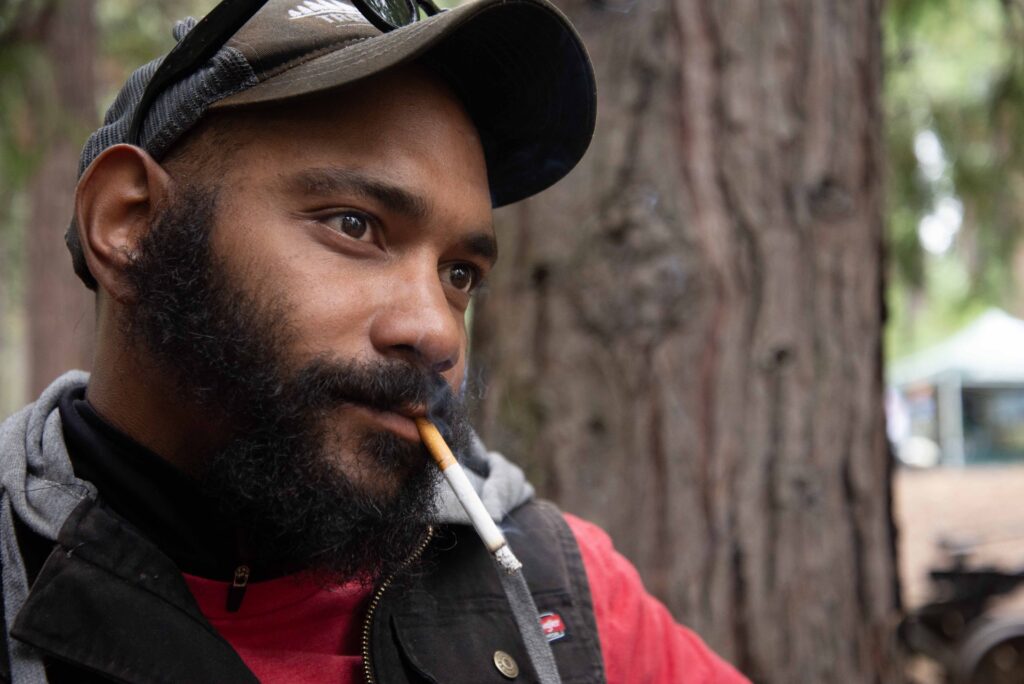
The social environment of the Northern Sierra Nevada is defined by a paradox of rugged individualism and refined agricultural output. While the region is home to high-end vineyards and stellar wine production, the day-to-day lifestyle remains rooted in a frontier aesthetic. In many local towns, pickup trucks are the primary mode of transportation, and several establishments maintain functional hitching posts for residents who travel by horseback. This adherence to traditional modes of transit is more than a stylistic choice; it reflects a deep-seated connection to the region’s history as a hub for mining and timber.
The acoustic landscape of the region is equally diverse. It is not uncommon to hear the sounds of target practice echoing through the canyons, a testament to the high rate of firearm ownership and the cultural importance of the Second Amendment in rural California. Simultaneously, the community fosters a sophisticated arts scene, where local musicians are as likely to perform complex jazz arrangements or Bach concertos on the banjo as they are to play traditional bluegrass. This duality—the "mountain folk" who possess both "class" and a hard-edged resilience—is the defining characteristic of the modern Sierra resident.
The Logging Jamboree: A Microcosm of Regional Identity
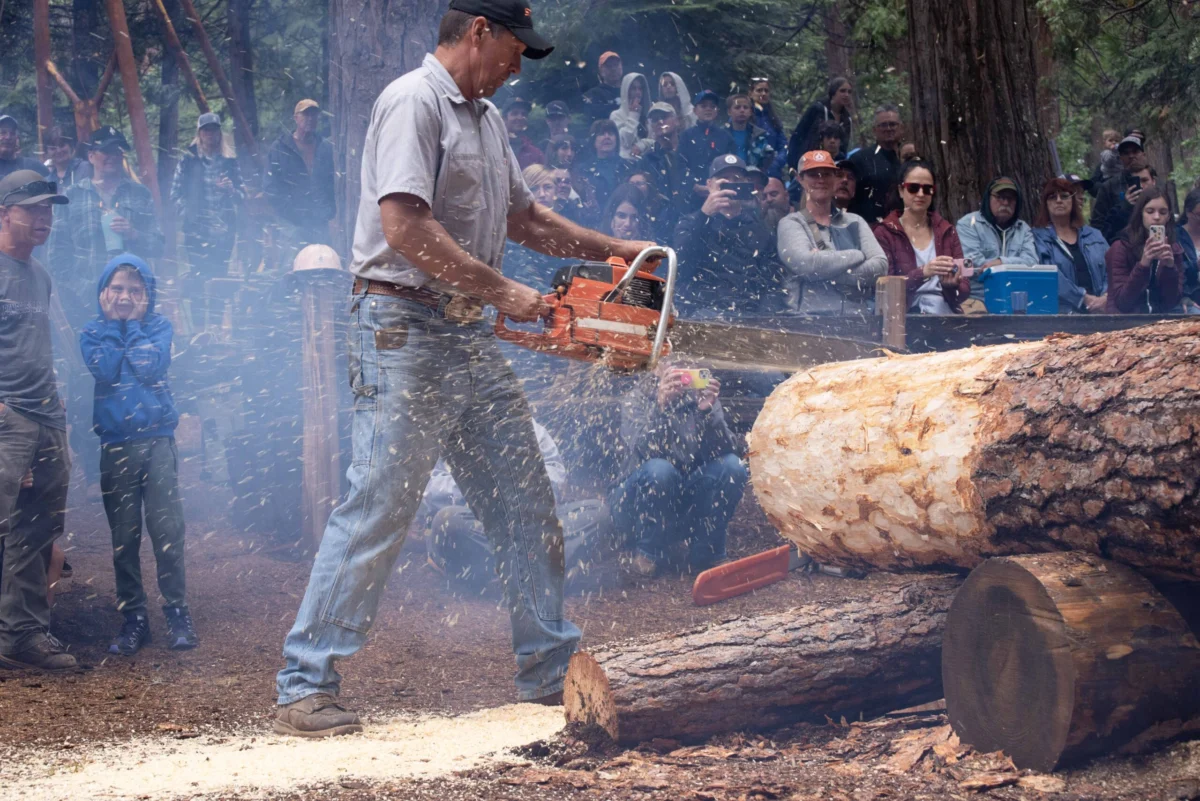
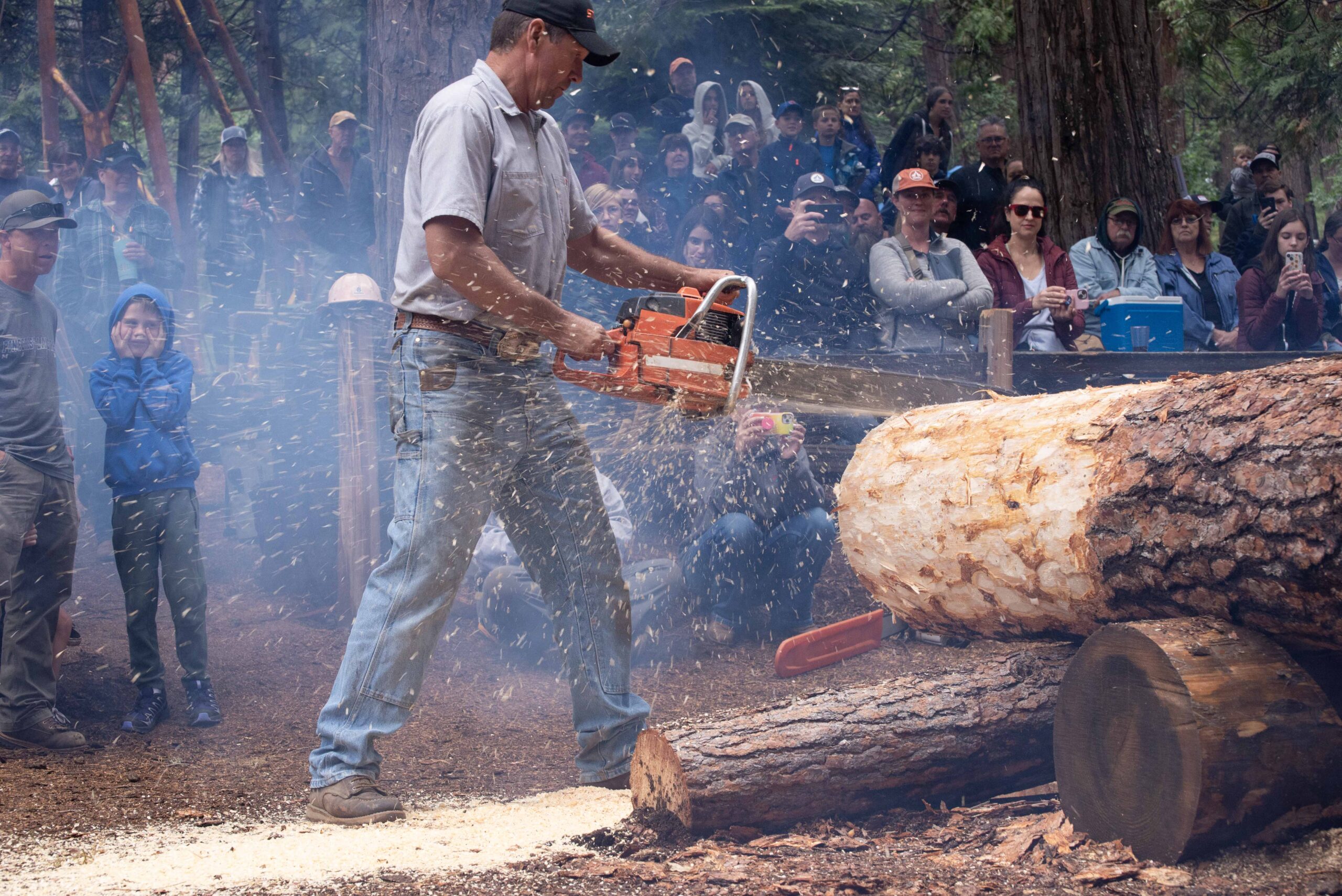
The Logging Jamboree stands as the most significant cultural event in the region, functioning as both a sporting competition and a celebration of the labor that built Northern California. The event features a variety of high-stakes competitions designed to test the strength, precision, and endurance of participants. Unlike modern industrial logging, which relies heavily on mechanized harvesters, the Jamboree focuses on manual and semi-manual techniques that date back nearly two centuries.
Technical Competitions and the "Walk of Death"
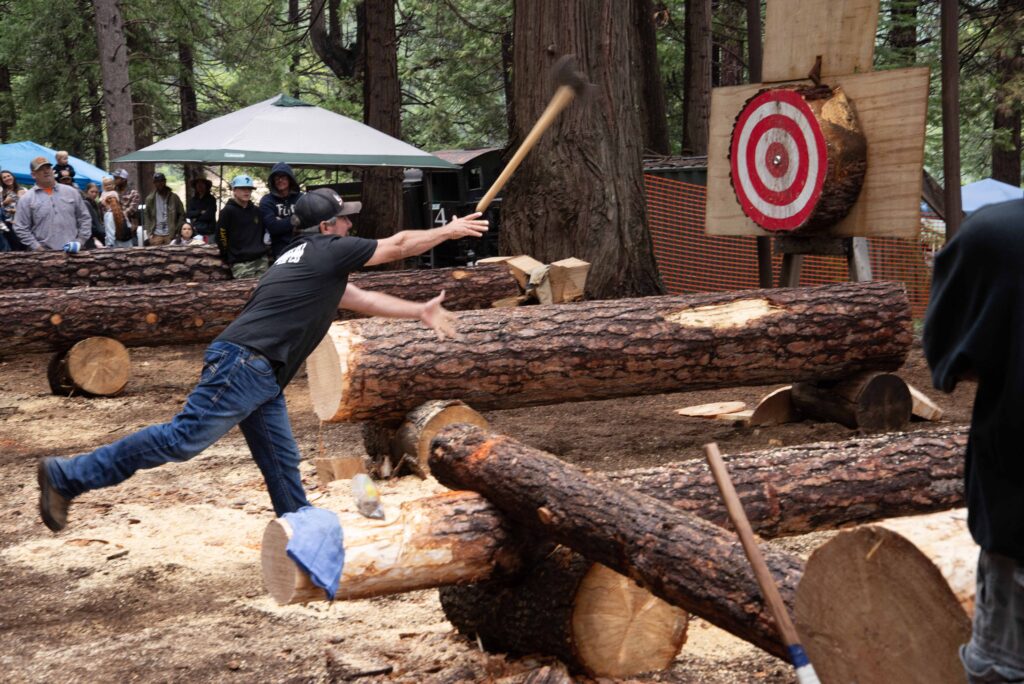
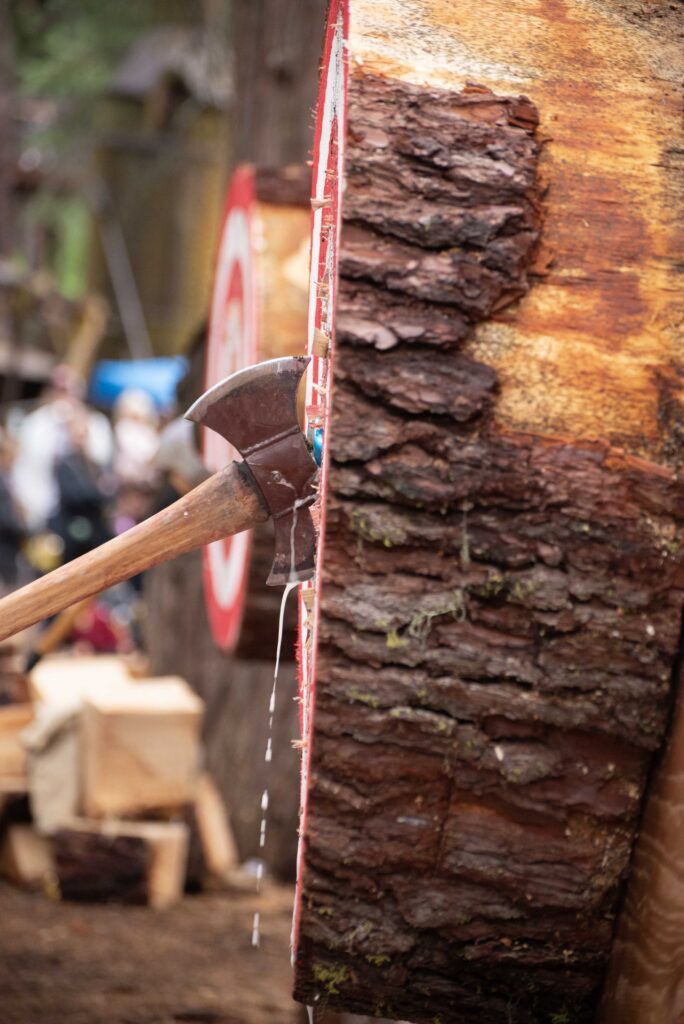
One of the most visually arresting events is the "axe throw." In this competition, participants aim for a bullseye on a wooden target. To add a layer of spectacle and difficulty, judges insert a vigorously shaken beer can into the center of the target. A successful strike results in the explosive depressurization of the can, providing immediate visual and auditory confirmation of the competitor’s accuracy.
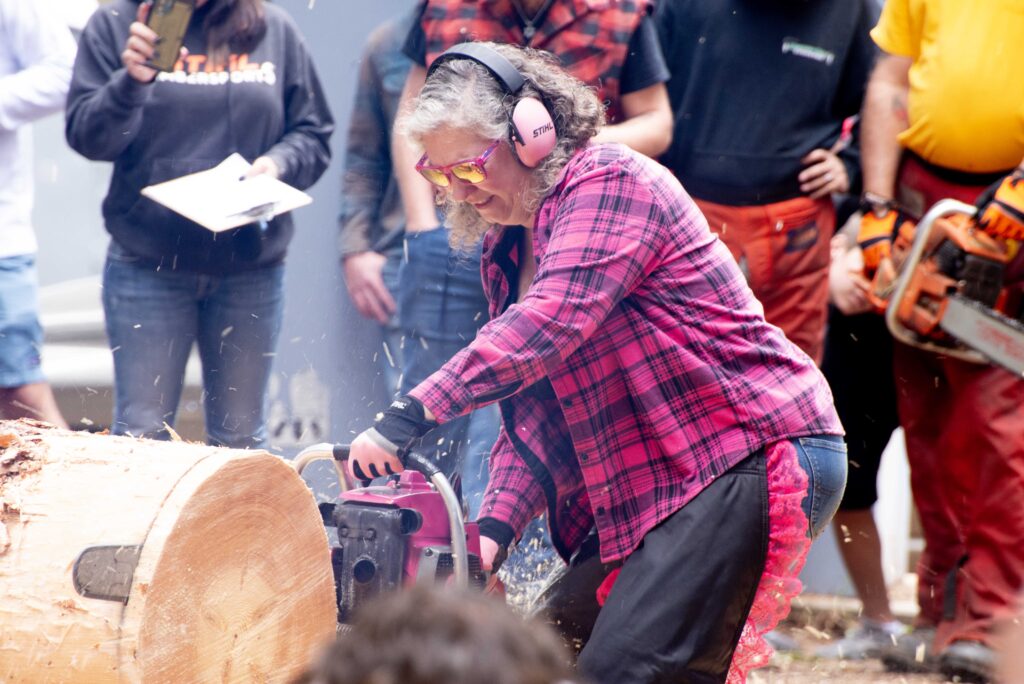
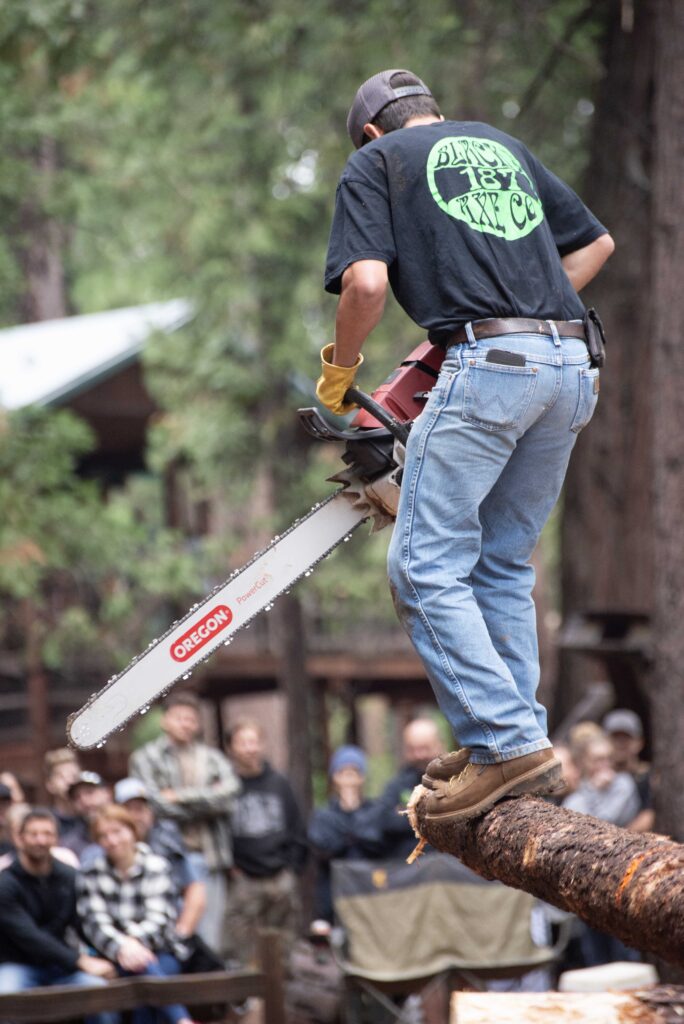
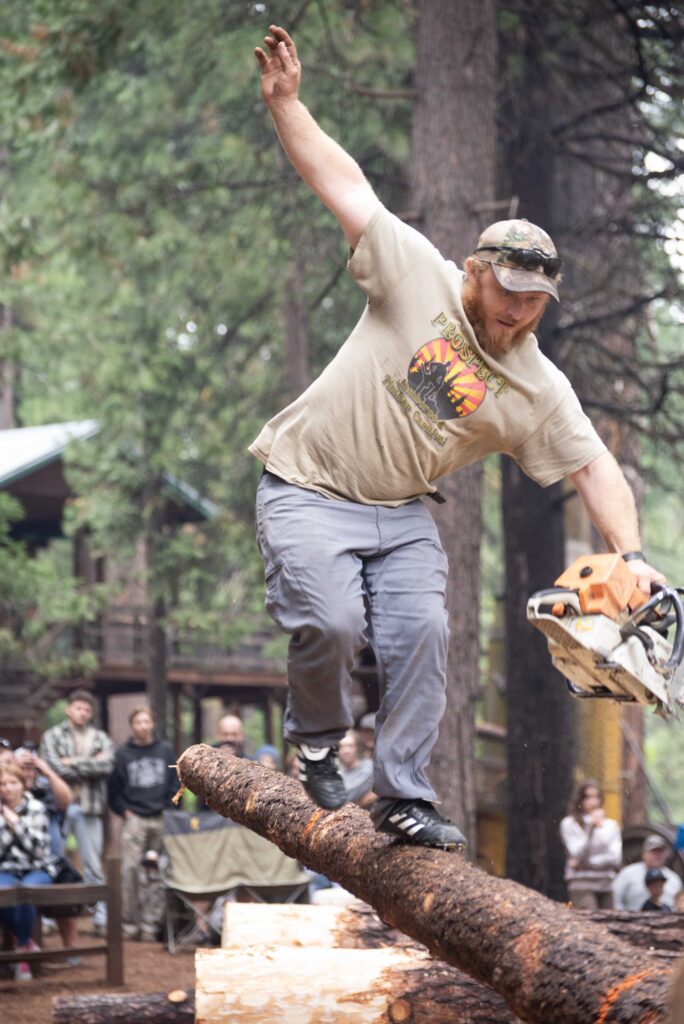
The "Walk of Death" represents the pinnacle of balance and nerve. This event requires a competitor to walk to the end of a flexible, "bouncy" tree branch while carrying a running chainsaw. Once at the edge, the participant must cut exactly 18 inches of wood from the branch and return to the main trunk without falling. The event is scored on speed and precision, but the inherent physical risk is the primary draw for spectators.
The Evolution of the "Jack and Jill" Double Bucking
The "Jack and Jill" big saw slice, known in industry parlance as "Double Bucking," is perhaps the most historically significant event of the Jamboree. Records indicate that this specific form of competition was first staged in 1840, nearly a decade before the California Gold Rush of 1849 transformed the state’s demographics.
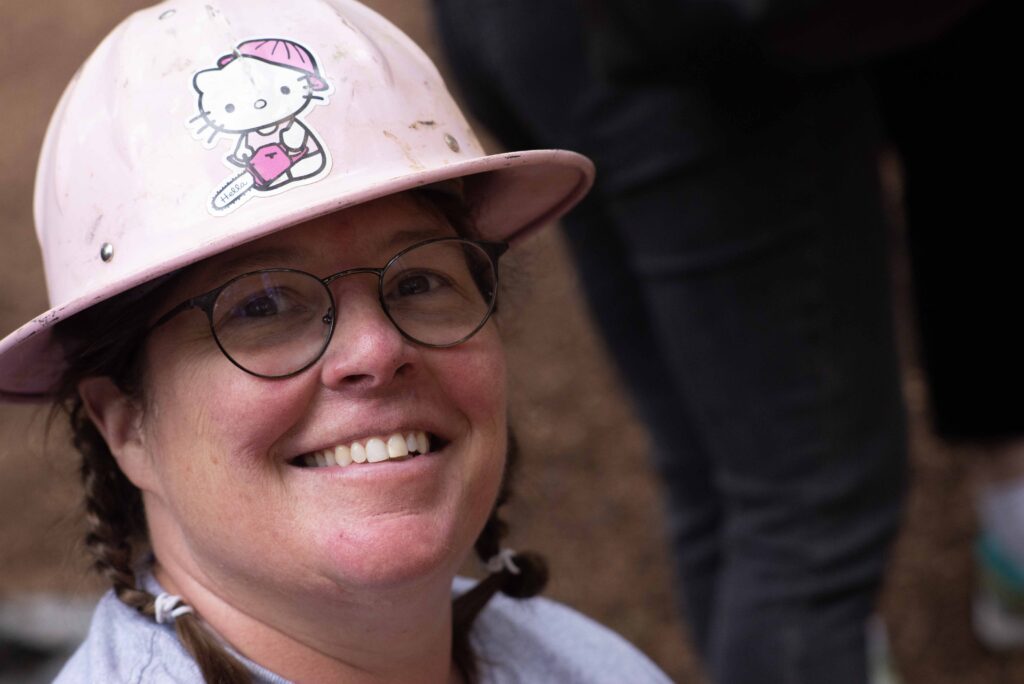
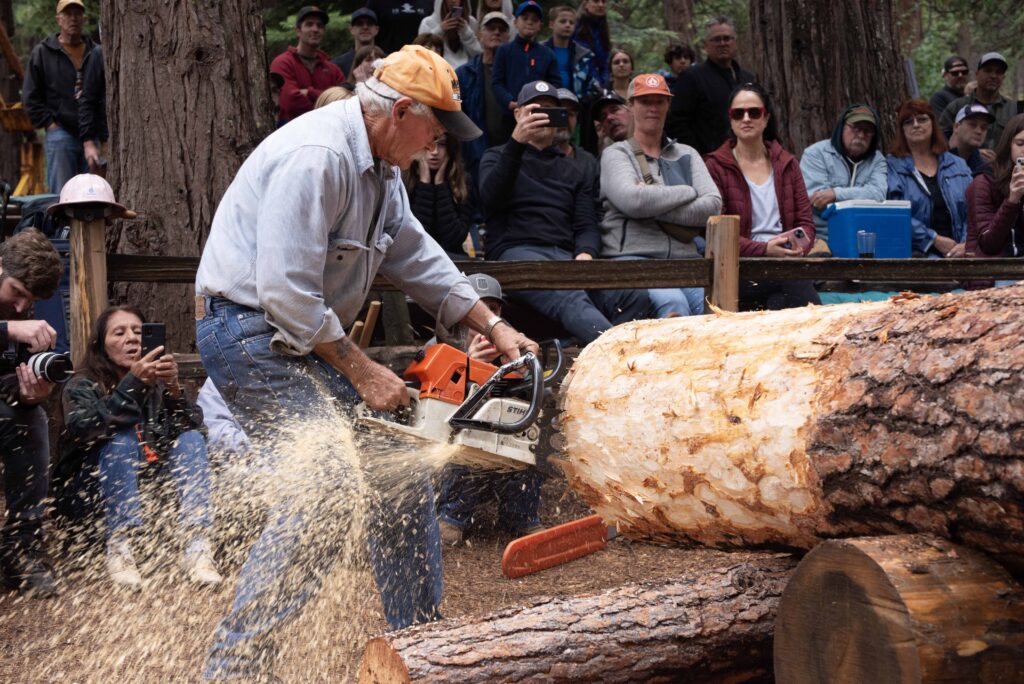
In Double Bucking, a male and female pair (the "Jack" and the "Jill") use a large crosscut saw to slice through a massive log. The technique requires perfect synchronization; if one partner pushes while the other is also pushing, the saw will buckle and jam. Historically, loggers applied hot wax to the saw blades to reduce friction and prevent jams. Today, while the tools remain largely the same, modern lubricants like WD-40 have replaced the wax. Despite these modern advantages, very few contemporary teams have been able to surpass the speed records set by loggers in the mid-19th century, highlighting the extraordinary physical condition of historical timber workers.
Profiles in Resilience: George Harrison and Margaret Soaring Hawk
The 2024 Jamboree was marked by a historic win in the Double Bucking event by a team that defied traditional expectations of age. George Harrison, a legendary figure in the regional logging circuit, secured the victory alongside his partner, Margaret Soaring Hawk. Harrison, who celebrated his 80th birthday on the day of the competition, has won the overall point competition 12 times throughout his career.
His partner, Margaret Soaring Hawk, a 67-year-old member of the Mi-Wuk (Me-Wuk) tribe, represents the deep indigenous roots of the Sierra Nevada. The Mi-Wuk people are one of the largest tribal groups in the region, with a history that predates the logging industry by millennia. The victory of Harrison and Soaring Hawk underscores the intergenerational and cross-cultural nature of the Jamboree, where skill and experience are valued above youth.
The Political Undercurrent: The State of Jefferson
While the Logging Jamboree celebrates the past, it also occurs against a backdrop of modern political friction. Many residents of Northern California and Southern Oregon feel a profound sense of disenfranchisement from their respective state governments, which are dominated by urban population centers like San Francisco, Los Angeles, and Portland. This has led to the enduring popularity of the "State of Jefferson" movement.
Origins and Modern Revival
The movement takes its name from Thomas Jefferson and was first formally proposed in 1852. However, it gained its greatest momentum in 1941, when residents of several counties in Northern California and Southern Oregon "seceded," appointing a governor and staging a peaceful uprising. The movement was only curtailed by the attack on Pearl Harbor, which shifted the national focus toward unity for the war effort.
In the 21st century, the movement has seen a robust revival. Proponents argue that rural counties lack adequate representation in the California State Legislature, leading to policies regarding water rights, land management, and taxation that are detrimental to rural economies. The "State of Jefferson" flag—a gold circle on a green field with two "X"s (representing being "double-crossed" by Salem and Sacramento)—is a common sight in the Sierra Nevada.
The Economics of Independence
A significant point of debate within the movement is the fiscal viability of a new state. When critics question how a "State of Jefferson" would fund essential services such as the California Highway Patrol (CHP), CAL FIRE, road maintenance, and the construction of a new capital, the responses from proponents are often rooted in a desire for radical self-reliance. Some segments of the movement suggest that the reduction in regulatory oversight and the elimination of state-level bureaucracy would negate the need for the high level of taxation currently required by the State of California. This "off-beat" political philosophy is a hallmark of the region, where the desire for autonomy often outweighs concerns regarding traditional infrastructure funding.
Socio-Economic Analysis and Broader Implications
The Logging Jamboree and the State of Jefferson movement are symptoms of a widening rural-urban divide that is not unique to California but is particularly acute in the Sierra Nevada. The region’s economy, once dominated by the extraction of raw materials, has had to adapt to environmental regulations that have significantly curtailed logging operations on federal and state lands.
The Impact of Environmental Regulation
Since the 1990s, the listing of species such as the northern spotted owl under the Endangered Species Act has led to a dramatic decrease in timber harvests. While these measures were intended to preserve old-growth forests, they resulted in the closure of dozens of mills and the loss of thousands of jobs in Northern California. The Logging Jamboree serves as a defiant reminder of the industry’s heyday, preserving skills that are increasingly absent from the modern economy.
Social Cohesion and Conflict Resolution
The social fabric of these mountain communities is characterized by a high degree of familiarity and a "frontier justice" mentality that is tempered by communal bonds. During the recent Jamboree, witnesses noted a brief physical altercation sparked by a dispute over a dog stealing food. However, in a display of the region’s unique social etiquette, the parties involved were later seen reconciling at a local wine bar, discussing the nuances of a Cabernet. This transition from a "fist fight" to a sophisticated discussion on viticulture illustrates the complex social layers of the Sierra Nevada resident.
Future Outlook
As Northern California continues to grapple with issues of wildfire management, water scarcity, and political polarization, the traditions of the Sierra Nevada will remain a focal point of regional identity. The Logging Jamboree is more than a sporting event; it is a cultural anchor for a population that feels increasingly sidelined by the march of 21st-century urbanization.
Whether the "State of Jefferson" ever achieves the status of the 51st state remains a matter of significant legal and political skepticism. However, the sentiment behind the movement—a demand for recognition, respect, and the preservation of a way of life—is unlikely to dissipate. For the people of the Sierra Nevada, the roar of a chainsaw and the precision of an axe throw are not just echoes of the past; they are the sounds of a community determined to define its own future.